
Side Dishes
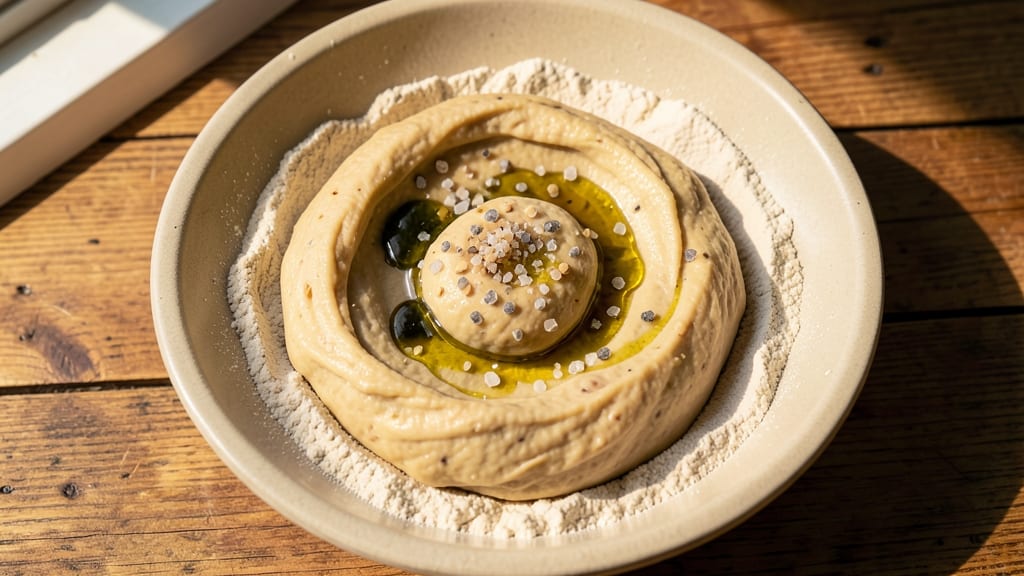
This 20-minute homemade bread recipe delivers restaurant-quality crust in a fraction of the time—no kneading required. The secret? A simple foil steam method that creates an artisan-style crust while keeping the interior light and tender.
I developed this after years of experimenting with quick bread techniques, and it never fails to impress, even with minimal prep. What sets this recipe apart is the foil steam trick, which mimics professional bakery methods without special equipment.
You'll mix the dough in under 5 minutes, let it rest while you preheat the oven, then bake it wrapped in foil for a crispy exterior and soft interior. The result is bread that's perfect for toast, sandwiches, or serving alongside soups and stews.
By the time you're done, you'll have warm, golden bread with a crispy crust and airy crumb—no yeast, no waiting overnight, and no complicated steps. The dough comes together with just five ingredients, and the entire process fits into a busy weeknight schedule.
This is homemade bread that actually works for real life. Serve it fresh from the oven or store it for up to 3 days. The possibilities are endless—garlic butter toast, grilled cheese sandwiches, or simply enjoyed with a bowl of soup. Let's get started!
Ingredients for 20 min homemade bread
Five simple ingredients plus foil magic—no yeast fuss, no waiting overnight.
| Ingredient | Amount | Notes |
|---|---|---|
| All-Purpose Flour 🌾 | 3 cups | Spooned and leveled for accuracy |
| Warm Water 💧 | 1 ½ cups | 110°F for optimal activation |
| Active Dry Yeast 🍞 | 1 tbsp | Freshly opened, not expired |
| Granulated Sugar 🍚 | 1 tbsp | White or brown sugar |
| Salt 🧂 | 1 tsp | Kosher or sea salt |
| Extra-Virgin Olive Oil 🫒 | 1 tbsp | For dough softness |
| Aluminum Foil 📄 | 1 sheet | Heavy-duty preferred |
| Cornmeal 🌽 | ¼ cup | For dusting parchment |
| Coarse Sea Salt 🧂 | 1 tsp | For topping crust |
The yeast is your MVP here. Bob's Red Mill or King Arthur brands are my go-tos—they activate reliably. If your kitchen's cold, warm the water to 110°F (like a warm bath, not boiling). The flour? King Arthur or Pillsbury Best work best for this quick method—they've got the right protein content. No need for fancy bread flour. Pro tip: measure flour by spooning it into the cup and leveling—don't scoop directly from the bag or you'll end up with dense bread.
No yeast? Instant yeast works 1:1, but active dry is what I test with. Short on olive oil? Melted butter gives a richer flavor (use same amount). The foil trick means you can skip a Dutch oven—just shape the dough into a ball, wrap it in foil, and bake. For the crust, Maldon sea salt is ideal, but any coarse salt does the job. No cornmeal? Semolina or flour works too, but cornmeal adds that perfect crunch when toasting.
Dough keeps 24 hours in the fridge, wrapped tightly. For best texture, bake fresh—but if you're prepping ahead, shape the dough, wrap in foil, and refrigerate. It'll rise slower but still develop great flavor. Baked bread lasts 3 days at room temp, wrapped in a towel. Freeze slices for up to 3 months—toast straight from frozen. The foil trick means you can reheat slices in the oven for that fresh-baked taste.
Why You'll Love This Recipe
- No Yeast Stress: Mixing the warm water, sugar, and yeast? It’s that simple—no waiting hours for proofing. Just toss in the flour and salt, knead for two minutes, and let the dough rise while you boil pasta. Honestly, the only thing taking longer is deciding whether to eat it fresh or toast it tomorrow.
- Crispy-Gold Magic: That little pinch of sugar in the dough? It caramelizes just enough to give every bite a subtle sweetness, while the salt keeps it balanced. Not overly sweet, not bland—just ridiculously good straight from the oven, with that perfect crust that shatters like a dream.
- Breakfast to Dinner: Use it for garlic butter toast in the morning, sandwiches at lunch, or as a side for dinner—this bread adapts. Between us, I’ve even used it to soak up soup broth when I’m lazy. It’s my go-to for when I need something reliable that won’t let me down.
- Pantry Staple, Wallet Friendly: Five ingredients, zero specialty stores. The flour and yeast last for months, and you’ll use this bread so often you’ll forget it’s even homemade. I’ll be real: I make two loaves at once, freeze one, and still have slices for days. Budget win, every time.
Step-by-step instructions for 20-Minute homemade bread
This no-knead method delivers bakery-style crust in record time—no fancy tools needed.
Mix the Dough with Warm Water
In a large bowl, combine the 3 cups all-purpose flour, 1 tbsp granulated sugar, and 1 tsp salt. Make a well in the center and add the 1.5 cups warm water (110°F) and 1 tbsp extra-virgin olive oil. Sprinkle the 1 tbsp active dry yeast over the top—this keeps it from floating away.
Use a wooden spoon to gently stir the dough until it comes together. You're aiming for a shaggy, sticky consistency—not smooth like kneaded dough. The warmth activates the yeast, and the olive oil keeps the dough tender. Let the bowl sit undisturbed for 5 minutes while the yeast gets to work.
Shape and Steam with Foil
After 5 minutes, the dough should look slightly puffed and bubbly. Lightly dust a clean surface with 0.25 cup cornmeal and turn out the dough. Gently shape it into a loose round loaf—no need to be perfect. The steam will help it rise beautifully.
Tear off a 12-inch square from the aluminum foil and place the dough in the center. Fold the foil up around the dough, sealing it completely. This creates a steam chamber that gives your bread that perfect artisan crust in minutes.
Bake Until Golden and Hollow-Sounding
Preheat your oven to 425°F for 10 minutes to get it screaming hot. Place the foil-wrapped dough on a baking sheet and bake for 12-15 minutes until the crust turns a deep golden brown. The bread is done when it sounds hollow when tapped on the bottom.
Remove from the oven and carefully peel back the foil. Sprinkle the top with 1 tsp coarse sea salt while it's still hot. Let it cool on a wire rack for 10 minutes—this prevents a gummy crumb. The crust will crisp up as it cools, giving you that satisfying crunch.
Serve Warm for Maximum Flavor
Slice into 4 equal portions and serve immediately. The bread will be warm inside with a crispy, crackly crust that's perfect for dipping or toasting. For extra flavor, brush the crust with melted butter after cooling.
This method works every time—no waiting hours for dough to rise. The foil steam trick is the secret to that restaurant-quality crust in just 20 minutes of active time. Save the leftovers in an airtight container for up to 3 days or freeze for longer storage.
Pro Tips For Making 20 Min Homemade Bread
- MEASURE YEAST BY WEIGHT: I learned this the hard way—yeast packets vary wildly. A "teaspoon" of active dry yeast can be 2-4 grams depending on how you scoop it. For consistent results, weigh it out (about 3-4 grams) instead of eyeballing it from the packet.
- STIR THE WATER FIRST: Don’t just dump the yeast in cold water and hope for the best. Warm the water to 105-110°F (40-43°C)—yeast wakes up faster and ferments more reliably. A quick stir while it’s still in the bowl keeps it from clumping when you add the flour.
- SALT THE FLOUR BEFORE MIXING: I used to sprinkle salt over the dough after kneading, and the flavor never felt even. Mix the salt directly into the flour before adding liquids—this guarantees every bite gets that crisp, balanced punch without overpowering the yeast.
- LET THE DOUGH REST 10 MINUTES: Skipping this step is how I ended up with dense, gummy bread. After shaping, cover the bowl and let the dough sit for 10 minutes before baking. It relaxes the gluten, helps it rise evenly, and gives you time to preheat the oven properly—no more flat, sad loaves.
Best sauces and condiments for this dish
Buttery Garlic Spread
Nothing beats this simple butter and garlic combo for slathering on warm bread. Melt ½ cup unsalted butter with 3 minced garlic cloves in a small saucepan over low heat for 2-3 minutes—just until fragrant.
Let it cool slightly before spreading on slices. For extra richness, add 1 tbsp heavy cream or 1 tsp lemon juice to balance the garlic's intensity. 🧈
Herb-Infused Olive Oil
Transform your bread into a Mediterranean masterpiece with this easy oil blend. Combine ½ cup extra-virgin olive oil with 1 tbsp each of fresh rosemary, thyme, and parsley (finely chopped). Let it sit for 10 minutes to infuse, then drizzle over warm slices.
For a zesty kick, add ½ tsp red pepper flakes or a pinch of Maldon sea salt on top.
Honey-Cinnamon Glaze
Sweet and aromatic, this glaze elevates every slice. Warm 2 tbsp honey with 1 tbsp melted butter and ½ tsp ground cinnamon in a small saucepan over low heat for 1 minute.
Brush onto toasted bread while warm. For a savory twist, swap honey for maple syrup and add a pinch of smoked paprika.
Spicy Tomato Jam
This vibrant jam adds depth to your bread. Simmer ½ cup crushed tomatoes, 1 tbsp balsamic vinegar, 1 tsp sugar, and ½ tsp chili flakes for 5 minutes until thickened.
Spread on toasted bread and top with crumbled feta cheese or avocado slices. The acidity cuts through the bread's richness beautifully.
Cream Cheese & Everything Bagel Seasoning
For a quick, crowd-pleasing spread, mix 4 oz softened cream cheese with 1 tbsp everything bagel seasoning (or a blend of sesame seeds, poppy seeds, garlic powder, and onion powder).
Spread on toasted bread and broil for 1-2 minutes to melt the cheese slightly. Serve with smoked salmon or cucumber slices for a perfect bagel-inspired bite.
Avocado-Lime Crema
This creamy, tangy spread works wonders on warm bread. Blend ½ ripe avocado, 2 tbsp sour cream, 1 tbsp lime juice, and ¼ tsp salt until smooth.
Adjust lime juice to taste—more for extra zing, less for creaminess. Top with crumbled cotija cheese or sliced radishes for a fresh, vibrant contrast.
Nutrition facts
Frequently asked questions
Why does this bread recipe use warm water instead of cold?
The 110°F warm water activates the yeast faster, creating a quicker rise. Cold water would slow down fermentation, making your bread take much longer to bake properly. The warmth also helps develop the gluten structure more efficiently in this 20-minute method.
Can I make this bread without yeast?
No, this recipe relies on yeast for the rise and light texture. For a quick no-yeast alternative, try a flatbread or focaccia recipe instead. The foil steam method specifically works with yeast-activated dough to create that artisan-style crust.
What if my dough doesn't look puffy after 5 minutes?
Check your yeast first—it should be fresh (test it by mixing with warm water and sugar; it should bubble in 5-10 minutes). If the dough isn't active, let it rest 5-10 minutes longer in a warm spot. Cold kitchens slow yeast activation, so try moving the bowl near the oven (with the oven off).
How do I get an even browner crust?
For a deeper color, bake the foil-wrapped loaf for 10 minutes, then remove the foil and bake 2-3 minutes uncovered at 425°F. Brush the crust with melted butter or olive oil before baking for extra crispiness. A baking stone or steel also helps create a crisper crust.
Can I make this bread in a Dutch oven instead of foil?
Shape the dough into a round and bake it in a preheated Dutch oven at 425°F for 15-18 minutes. The Dutch oven traps steam naturally, creating a crispy crust without needing foil. Just skip the foil wrapping step and let the dough rise directly in the pot.