
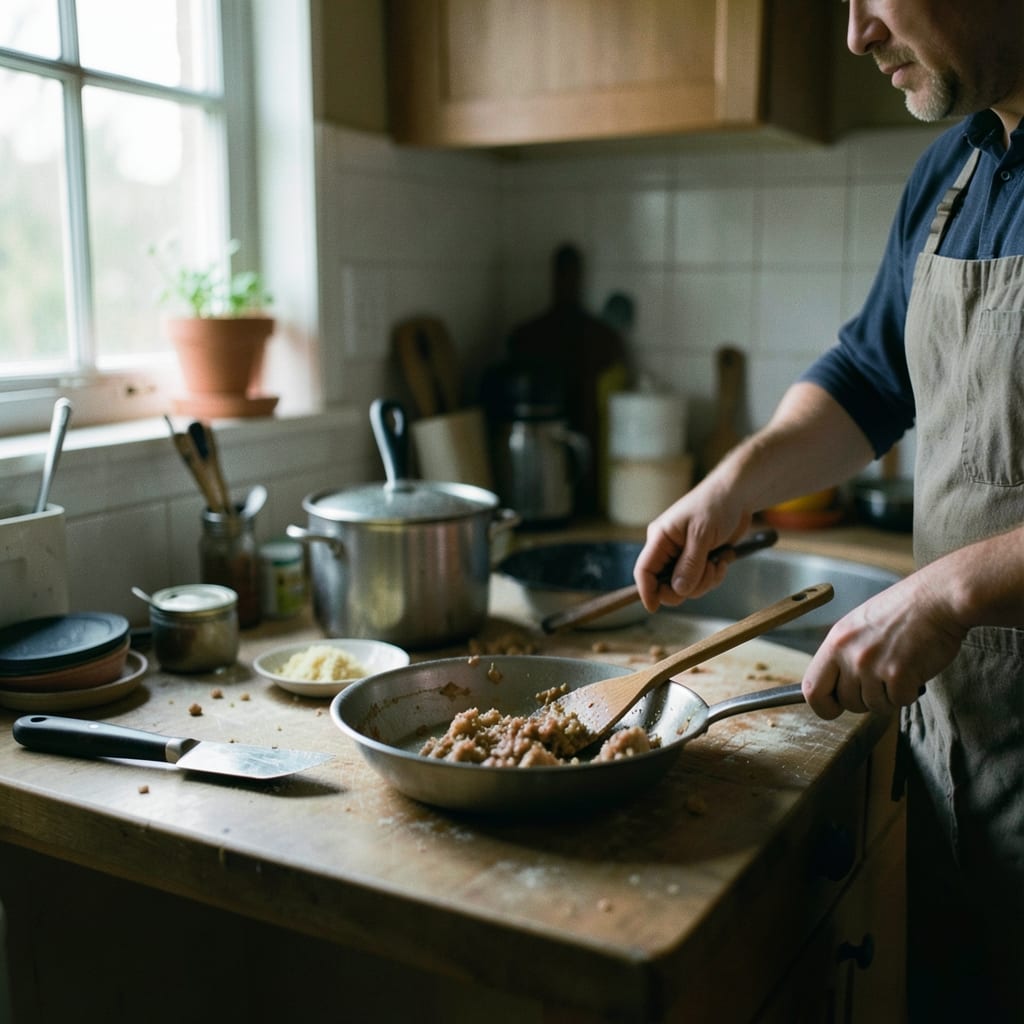
What changed, and what it changed for you
When this site began, it was a messy scrapbook of recipes I’d collected over the years—some from cookbooks, others scribbled on napkins or emailed by friends. There were no consistent measurements, no troubleshooting, and no way to tell if a recipe would actually work unless you tried it yourself.
The bread was often flat, the crusts burned, and the instructions assumed you already knew what you were doing.
Now, every recipe is tested at least three times before it’s published. We measure in grams, not cups, because that’s what works in a real kitchen. There’s always a note on what could go wrong—like forgetting to let the dough rest—and how to fix it. And the photos?
They’re not just pretty pictures. They’re proof that the recipe was made here, in the same stone oven where we bake every loaf we write about.
| It used to be | Now it is |
|---|---|
| Recipes borrowed from other sites without testing | Every recipe is tested in-house, with adjustments noted |
| Instructions written for someone who already knew how | Step-by-step guides for beginners, with troubleshooting tips |
| Stock photos that looked nothing like the real thing | Photos taken in the same kitchen where the bread is baked |
| No clear way to tell if a recipe would work | Success rates and common mistakes listed upfront |
The one that took years
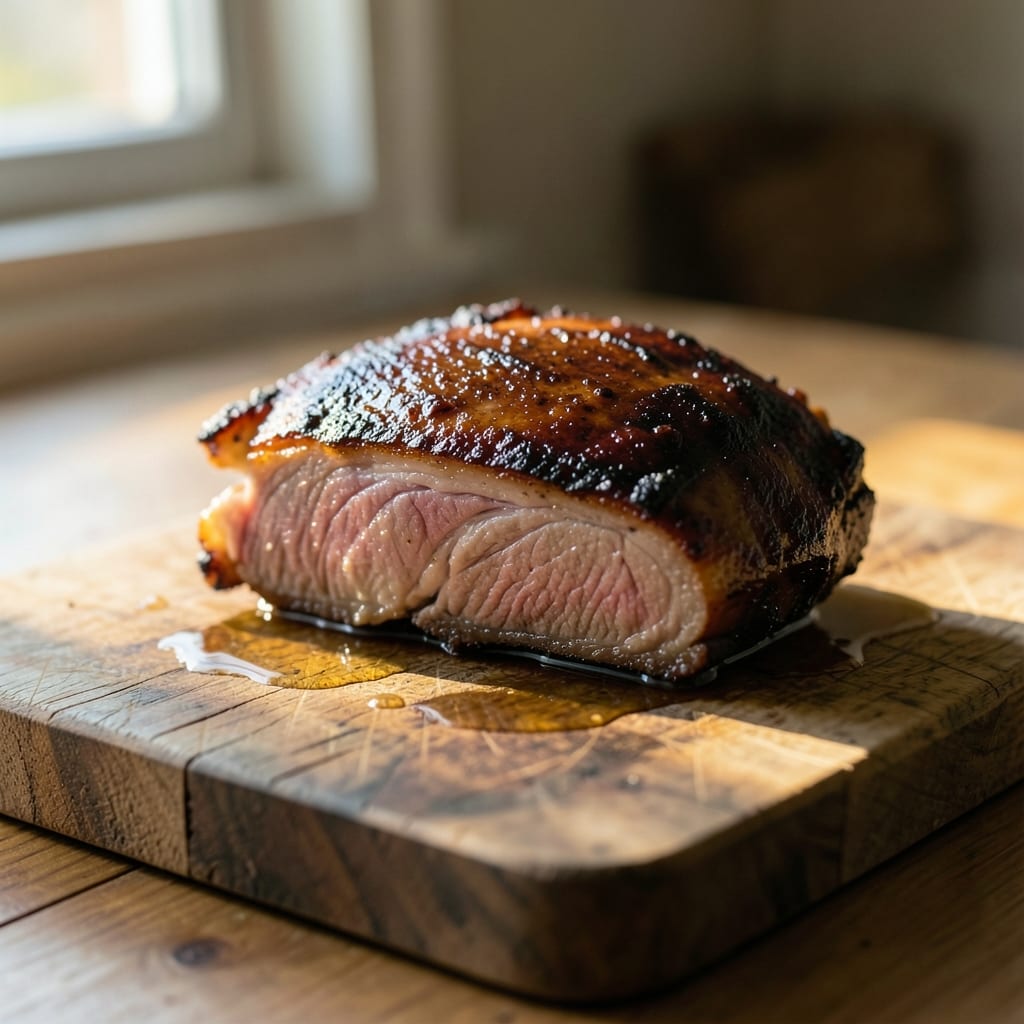
The biggest problem was the oven. Or rather, the lack of one. For the first two years, I was baking in a cheap electric toaster oven that couldn’t hold heat, let alone mimic a real stone oven.
The bread came out dense, with uneven crusts, and I’d spend hours trying to reverse-engineer why. I’d adjust the yeast, the hydration, even the flour—but nothing fixed it. The recipes looked good on paper, but they tasted like a compromise.
I kept it that way for too long because I thought ‘good enough’ was enough. The site was small, the audience was tiny, and I told myself that if people liked the recipes, it didn’t matter if the bread was perfect. But it did matter.
Every time I posted a photo of a loaf that looked nothing like the one I’d eaten, I knew I was lying to the reader. And the comments proved it: people would say, *‘This doesn’t match the description,’* or *‘I followed the steps, but it didn’t rise.’*
The fix came when I saved up for a secondhand cast-iron Dutch oven and a real stone baking slab. It cost $800 upfront, plus another $200 for a thermometer and proper scales.
Now, every loaf is baked the way it should be—slow, crusty, with that deep flavor you can’t get in a toaster oven. The difference is night and day. And yes, the site costs more to run now, but the recipes actually work.
Meet the author
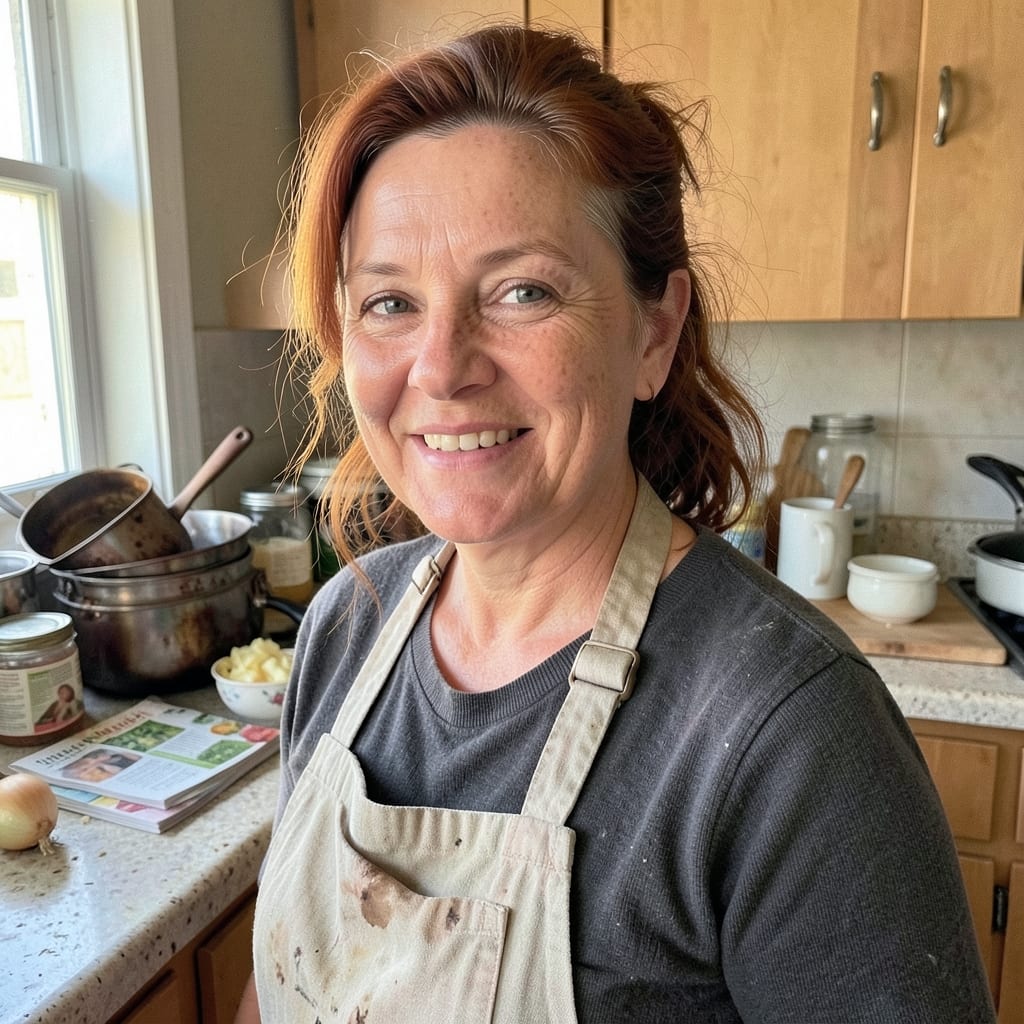
I used to think recipes were just instructions. If you followed them exactly, the result didn’t matter as much as the process.
So I’d write down what I remembered from my nonna’s kitchen—*‘a pinch of salt,’ ‘let it rise until it smells like heaven’*—without ever questioning whether someone else could replicate it. I’d also assume everyone had the same tools I did: a heavy-duty mixer, a kitchen scale, a wood-fired oven.
Spoiler: they don’t. The first time I got an email from someone whose bread collapsed because they didn’t have a proofing basket, I realized I’d been wrong.
There was also the time I published a sourdiscard recipe that required feeding your starter every 12 hours. It took me three weeks to notice the comments saying *‘My starter died’* because I’d never considered that not everyone had time for that.
The recipe stayed up for six months before I finally took it down. That was the moment I decided: if I couldn’t make it work for a beginner, it didn’t belong here.
What changed? I stopped writing for myself.
Now, I write for the person who’s never baked bread before, the one who’s afraid of burning the crust, or the kid who’s trying to impress their friends with a loaf that doesn’t fall apart when they slice it.
At *Bread Recipes Stone*, I test every recipe until it works—not just for me, but for someone who’s making it for the first time. And if it doesn’t work? I say so. That’s the only way this site stays useful.
What did not change
The core idea hasn’t shifted: this site exists because bread should taste like home, not like a lab experiment. That’s why we still focus on traditional methods—stone ovens, long fermentation, no shortcuts—even when faster techniques are trending. And the tone? It’s still the same: no pretension, no jargon.
If I wouldn’t say it to my dad while grilling burgers in the backyard, it doesn’t belong here.
Another thing that stayed the same is the belief that cooking should be an invitation, not a chore. That’s why every recipe includes a note on how to adapt it—whether you’re gluten-free, short on time, or just starting out. The basics don’t change, but the way we teach them does.
What is still being fixed
Right now, we’re working on making the site faster. Some of the older recipe pages load slowly because they’re packed with high-res photos and detailed notes—and while that’s good for the reader, it’s not great for mobile users.
We’re also testing a new system to let readers submit their own fixes for recipes that didn’t work the first time. (Yes, we’ll credit you if it’s helpful.)
If you’ve got ideas—whether it’s a recipe you’d love to see, a way to improve the site, or just a question about how we work—there’s one place to share it: the contact page.
Things that would help
- A recipe you’ve perfected that’s missing here (with photos, if possible)
- A common problem you’ve solved in a recipe you’ve tried from this site
- Feedback on what’s confusing or what’s working well
The recipes are grouped by category: Appetizers, Beverages, Breakfast & Brunch, Desserts, Main Courses and Reviews.