
Side Dishes
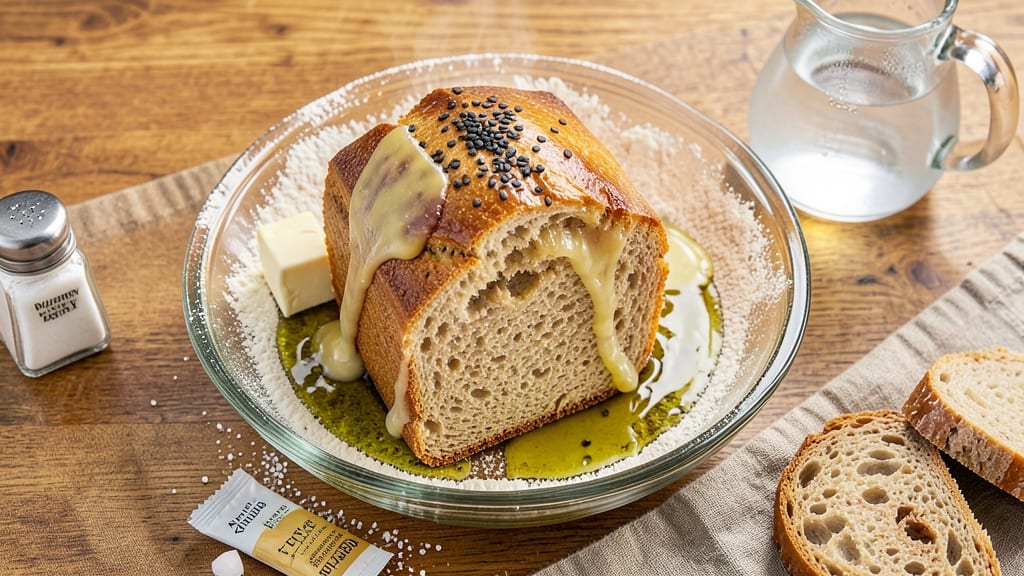
This 5-star white bread recipe delivers artisanal-quality loaves with a crisp, golden crust and an airy, cloud-soft interior—just like your favorite bakery. The secret lies in precise yeast activation, controlled hydration, and the Dutch oven's steamy embrace, which creates that coveted crackly top while keeping the crumb impossibly tender.
I've perfected this technique over years of baking, and it's the one recipe I return to for sandwiches, toast, or simply slathered with butter.
The process begins with a simple yet critical step: activating the yeast in warm water with a touch of sugar to ensure it's lively before mixing.
From there, we use the autolyse method—a modern shortcut that allows the flour to fully hydrate and develop gluten naturally, reducing the need for vigorous kneading.
This results in a bread that's both easy to work with and packed with structure, preventing that dreaded dense, gummy texture that plagues many home-baked loaves.
By the time you pull that Dutch oven from the oven, you'll have a loaf with a crisp, caramelized crust that shatters at the touch and a crumb so light it practically melts in your mouth.
The aroma alone—warm, buttery, and slightly toasted—will have everyone asking for seconds. This bread freezes beautifully too, so you can bake once and enjoy for weeks.
Perfect for sandwiches, toast, or serving alongside soups and salads, this recipe transforms a simple pantry staple into something extraordinary. Let's get started on creating your restaurant-quality white bread at home.
Ingredients for 5 star white bread
Nine essential ingredients transform your kitchen into an artisanal bakery—crisp crust, cloud crumb, and that golden aroma.
| Ingredient | Amount | Notes |
|---|---|---|
| Bread Flour 🌾 | 5 cups | High-protein for structure |
| Active Dry Yeast 🍞 | 2 ¼ tsp | Freshly opened for vitality |
| Granulated Sugar 🍚 | 1 tbsp | For yeast activation |
| Unsalted Butter 🧈 | ½ cup | Cold, cubed for flavor |
| Warm Water 💧 | 1 ½ cups | 110°F for yeast activation |
| Diamond Crystal Kosher Salt 🧂 | 2 tsp | Fine grain for even dispersion |
| Honey 🍯 | 1 tbsp | For crust color and sweetness |
| Cornmeal 🌽 | ½ cup | For dusting Dutch oven |
| Ice Water ❄️ | ½ cup | For final gluten development |
The yeast is non-negotiable—Bob's Red Mill active dry yeast is my go-to, but any brand works if it's fresh (check the date). Bread flour gives that professional structure, but King Arthur all-purpose works in a pinch if you're short on time. The butter? European-style, 82% fat if you can find it—it melts beautifully and adds richness. For the Dutch oven, I swear by Lodge cast iron, but any heavy pot with a lid will do. Preheat it with the bread for that perfect steam environment. And that honey? Local, raw honey adds depth, but regular grocery store honey works too.
No bread flour? All-purpose plus 1 tbsp vital wheat gluten mimics the high-protein content. Yeast too old? Proof it in warm water with sugar for 5-10 minutes to test its liveliness. Butter substitute? Cold coconut oil works for structure, but you'll lose that buttery flavor. The cornmeal is optional but creates a crispier bottom crust. Short on ice water? Chill the mixing bowl and use room-temperature water instead. For the crust color, if you skip honey, add 1 tsp malt powder—it's a baker's secret for that golden hue without sweetness.
This dough keeps for 24 hours in the fridge, covered—perfect for shaping the next day. For freezing, shape the loaves, wrap tightly in plastic, then foil, and they'll last 3 months. The best part? It reheats like a dream—5 minutes at 350°F wrapped in foil brings back that fresh-baked warmth. Store at room temperature for 2 days for maximum freshness, or freeze slices for toast. Pro tip: Spritz the crust with water before baking for an even deeper golden color.
Why You'll Love This Recipe
- No-Knead Magic: I swear by this—just mix the bread flour, yeast, and warm water, let it rest, then fold once. The dough handles itself while I handle everything else.
- Buttery Soft Crust: That single stick of unsalted butter folded into the dough? It’s what turns good bread into ridiculously good bread. Crisp outside, pillowy inside—no compromises.
- Weeknight Wonder: Toss it together in the morning, let it proof while you’re out, and bake it when you get home. Warm, fresh bread with zero effort? Yes, please.
- Budget Stretch: Five ingredients, one loaf that feeds the whole family. The sugar feeds the yeast, the butter makes it irresistible, and the flour? Cheap as they come. Leftovers? Toast them for days.
Step-by-step instructions for Dutch oven white bread
Here's the method that delivers bakery-quality crust and tender crumb every time.
Activate the Yeast with Warm Water and Sugar
In a small bowl, combine the 1.5 cups warm water (tested at 110°F with a thermometer) with the 1 tbsp granulated sugar and 2.25 tsp active dry yeast. Stir gently and let sit for 5-10 minutes until foamy. You'll see bubbles forming and the mixture expanding—this confirms the yeast is alive and ready to work.
If no activity appears after 10 minutes, your yeast may be dead. Start fresh with a new packet—this is the foundation of your bread. Once properly activated, the yeast will create the airy structure that makes this bread so light and fluffy.
Mix Dough with Butter and Salt
In a large mixing bowl, whisk together the 5 cups bread flour and 2 tsp diamond crystal kosher salt. Add the yeast mixture and the 0.5 cup cold cubed unsalted butter. Using a wooden spoon or dough whisk, mix until a shaggy dough forms.
Here's the thing—don't overmix at this stage. You want to preserve gluten development for later. The dough should be sticky but manageable. If it's too dry, add 1 tablespoon of ice water at a time until it comes together. The butter should remain in chunks for now to create flavor pockets in the final bread.
Develop Gluten with Ice Water
Turn the dough onto a lightly floured surface and knead for 8-10 minutes until smooth and elastic. Add the 0.5 cup ice water gradually during kneading—this strengthens the gluten structure while keeping the dough cool. You'll know it's ready when it springs back slowly when poked and looks slightly translucent.
Real talk: this is where most home bakers struggle. If your dough feels too sticky, resist the urge to add more flour—this will make your bread dense. Instead, wet your hands and keep kneading. The ice water helps create that perfect balance between structure and tenderness that makes this bread so exceptional.
First Rise and Shape
Lightly oil a large bowl, place the dough inside, and cover with a damp towel. Let rise in a warm place (75-80°F) for 1-1.5 hours until doubled in size. You'll see the dough puff up dramatically and feel noticeably lighter when pressed gently.
After rising, punch down the dough to release air, then divide it into 4 equal pieces (about 12 ounces each). Shape each into a smooth boule by pulling the edges toward the center and sealing the seam. This shaping creates that beautiful round loaf with a tight crust.
Dutch Oven Bake for Crispy Crust
Preheat your Dutch oven with lid in a 475°F oven for 30 minutes. While it heats, dust the shaped dough balls with 0.5 cup cornmeal and place them in the hot Dutch oven. Cover and bake for 25 minutes. Then remove the lid and bake 10-15 minutes more until the crust is deep golden brown and sounds hollow when tapped.
This high-heat baking method creates the signature crust while keeping the interior wonderfully soft. The cornmeal dusting prevents sticking and adds a subtle crunch. For that perfect finish, brush the crust with 1 tbsp honey mixed with 1 tablespoon water immediately after baking—this gives that beautiful sheen and subtle sweetness.
Pro Tips For Making 5 Star White Bread
- Test Yeast First: I learned this the hard way—skip it, and you’ll waste 2 hours waiting for dough that never rises. Mix 1 packet yeast with ¼ cup warm water (110°F) and 1 tsp sugar in a small bowl. If it bubbles within 5-10 minutes, your yeast is alive and ready to work.
- Use Room-Temp Butter: Cold butter won’t melt into the dough evenly, leaving you with dense, uneven crumb. Take the butter out of the fridge 1-2 hours before mixing—it should yield slightly when pressed but not be greasy. (Yes, even if you’re impatient like me.)
- Shape Tightly, Rest Longer: Loose dough collapses during baking, so handle it firmly: stretch the seams tight and tuck the ends under. Then, resist the urge to rush—cover and let it rest 1-2 hours (or overnight in the fridge) for flavor and structure. (Your future self will thank you.)
- Steam the Oven: This isn’t the prettiest method, but it’s the tastiest. Place a metal bowl of boiling water on the oven rack while preheating to 375°F. The steam keeps the crust from drying out too fast, giving you that soft, pillowy texture you’re after. (No, you don’t need a fancy steamer.)
Perfect pairings for this dish
Butter & Jam Pairings
Nothing beats this bread with a generous spread of European-style cultured butter like Plugrá or Kerrygold. The high butterfat content (82%) melts beautifully, creating that perfect balance of richness and airiness.
For a sweet twist, pair with local honey or fig jam—the natural sweetness complements the bread's subtle honey finish without overpowering it. I love slathering warm slices with blackberry jam for a fruity contrast. 🍯
Classic Sandwich Combinations
This bread's neutral flavor makes it perfect for classic sandwiches. Try a grilled cheese with sharp aged cheddar and sliced apples, or a Reuben with corned beef, Swiss cheese, and Russian dressing.
For a lighter option, layer turkey, avocado, and sprouts with a drizzle of honey mustard. The bread's soft interior holds up beautifully to sauces without getting soggy. 🥪
Soup & Salad Accompaniments
Serve warm slices alongside creamy tomato soup or French onion soup—the bread's crisp crust soaks up the broth while the soft interior stays tender. For salads, tear into chunks and toss with arugula, cherry tomatoes, and balsamic vinaigrette.
The bread adds a satisfying texture contrast that elevates any dish. I also love using it to scoop up olive oil and hummus for a quick appetizer. 🥗
Breakfast & Brunch Ideas
Toast thick slices until golden and top with scrambled eggs, crispy bacon, and sautéed mushrooms. For a sweet breakfast, spread with almond butter and drizzle with maple syrup.
The bread's sturdy structure holds up to fried foods too—try pairing with chicken and waffles or fried chicken tenders for a Southern-style brunch. 🍳
Beverage Pairings
Pair this bread with iced tea or lemonade for a refreshing contrast to its buttery richness. For coffee lovers, a light roast with oat milk complements the bread's delicate sweetness.
If you prefer beer, a crisp lager like Peroni or Mexican lager cleanses the palate, while a hoppy IPA cuts through the butterfat beautifully. 🍺
Global Variations
Transform this bread into a French baguette by shaping into a long loaf and scoring the top before baking. For an Italian twist, add 1 tsp dried oregano to the dough and serve with olive oil and sea salt.
A German-style version includes 1 tbsp caraway seeds and pairs perfectly with sausage and sauerkraut. Each variation keeps the same tender crumb while adding exciting new flavors. 🌍
Nutrition facts
Frequently asked questions
Why does this recipe use ice water during kneading?
The ice water serves two critical purposes: it strengthens the gluten structure for a better rise while keeping the dough cool enough to prevent overproofing. This creates that perfect balance between structure and tenderness that makes this bread so light and fluffy. Think of it as a secret weapon against dense, gummy results!
Can I make this bread without a Dutch oven?
Yes, but you'll need to create steam another way. Place a baking sheet on the oven rack below your loaves, then pour boiling water into it when the bread goes in. This mimics the Dutch oven's steam environment, though the crust won't be quite as crispy. For best results, use a heavy pot with a lid instead.
How do I know when the bread is fully baked?
Your bread is done when the crust is deep golden brown and sounds hollow when tapped on the bottom. The internal temperature should reach 190-200°F. A toothpick inserted should come out clean or with just a few moist crumbs—never wet batter. This is your golden rule for perfect doneness!
What if my dough doesn't rise properly?
Check your yeast first—it may be expired. Also verify your water temperature (110°F is ideal) and rising environment (75-80°F). If the dough rises but collapses, it may have overproofed. For future attempts, try adding 1 tsp sugar to the yeast mixture or using a warm spot near your oven with the light on.
How should I store leftover bread?
For short-term storage, keep at room temperature in a bread bag or wrapped in a clean towel for up to 2 days. For longer storage, freeze slices wrapped tightly in plastic—they'll stay fresh for 3 months. To revive, toast or warm in a 350°F oven for 5 minutes wrapped in foil. This preserves that bakery-fresh quality!