
Side Dishes
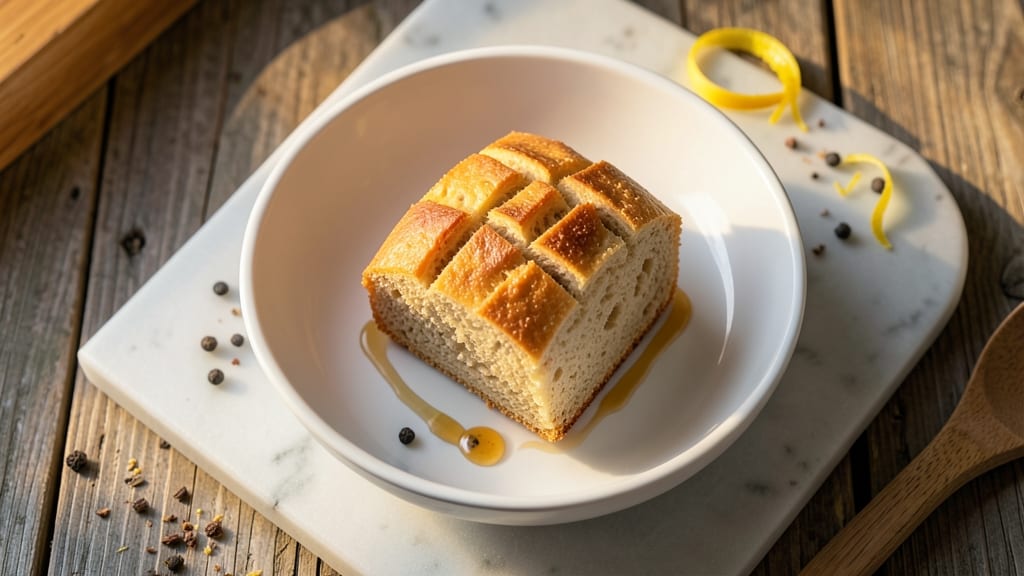
This 50-calorie bread recipe delivers crispy crust and airy texture without the guilt—perfect for health-conscious bakers who refuse to compromise on taste. The secret lies in almond flour and egg whites, creating a light yet sturdy loaf that surprises with every bite.
I developed this after years of experimenting with low-carb alternatives, and it finally checks all boxes: crisp edges, tender crumb, and just 50 calories per slice.
The magic happens with a simple mix of almond flour, egg whites, and a pinch of baking powder—no heavy grains or refined flours here. The egg whites provide structure while keeping calories in check, while almond flour adds natural nuttiness without overpowering the bread’s delicate texture.
Baking at high heat ensures that crispy crust you crave, while the interior stays light and fluffy.
What you’ll end up with is a loaf that’s impossible to resist—golden, crispy on the outside, and soft on the inside, with a subtle almond flavor that pairs beautifully with soups, salads, or even butter (yes, you can use it!).
Each slice delivers that satisfying crunch without derailing your dietary goals, making it ideal for anyone watching calories but not flavor.
Best of all, this recipe scales effortlessly—whether you’re making a single loaf or doubling the batch for meal prep. The ingredients are simple, the method foolproof, and the results consistently impressive. Ready to bake bread that’s both indulgent and guilt-free?
Ingredients for 50 calorie bread
Eight simple ingredients transform into guilt-free bread with crispy crust and light interior.
| Ingredient | Amount | Notes |
|---|---|---|
| Almond Flour 🌰 | 2 cups | Finely ground, unsweetened |
| Large Egg Whites 🥚 | 6 whole | Room temperature, pasteurized |
| Baking Powder 🍞 | 1 tbsp | Aluminum-free for best rise |
| Salt 🧂 | ½ tsp | Fine sea salt preferred |
| Vanilla Extract 🌿 | ½ tsp | Pure vanilla for flavor |
| Xanthan Gum 🧪 | ¼ tsp | For gluten-free structure |
| Cold Water 💧 | ½ cup | Room temp for mixing |
| Olive Oil 🫒 | 1 tbsp | Light, for crispiness |
Almond flour is the star here—Bob’s Red Mill or Anthony’s Goods brands work best for consistent texture. Grab the finest grind possible, because coarser flour can make your bread dense. The egg whites? Pasteurized is a must—no one wants to risk salmonella with this light-as-air loaf. I always buy mine in cartons at Whole Foods or the baking aisle of Walmart. Pro tip: Let them sit out for 30 minutes before whipping so they’re room temperature—whips up fluffier that way. The baking powder needs to be fresh; if it’s over a year old, toss it. Test by mixing with water—should bubble immediately.
No almond flour? Coconut flour works but requires extra egg whites—double the amount and add 2 extra whites. Short on egg whites? Aquafaba (chickpea brine) at 3 tbsp per egg white gets you close, though texture won’t be identical. The xanthan gum is non-negotiable for gluten-free structure—no substitute works the same. For the vanilla, imitation is a crime here; pure Madagascar bourbon vanilla adds depth. Olive oil can be swapped for avocado oil, but stick with light varieties. The salt? Diamond Crystal kosher dissolves perfectly—no grainy surprises. And yes, you can use salted butter if you’re adding it later, but unsalted gives you better control.
Mix the dry ingredients first, then fold in the wet—this keeps the almond flour from turning gummy. The dough will look sad and shaggy, but that’s normal. For the crispy crust you crave, brush the top with extra olive oil before baking. This loaf keeps for 4 days in an airtight container, but honestly, it’s best the first day. Freeze slices for up to 3 months—toast straight from frozen for crispy results. Leftovers? Toast them again the next morning—they reheat beautifully with a sprinkle of cinnamon or everything bagel seasoning for extra flavor.
Why You'll Love This Recipe
- I’ll be real: almond flour isn’t cheap, but egg whites stretch it far. A single batch makes enough for four portions, and the cost per serving is a fraction of store-bought low-cal bread. Plus, it’s way more satisfying—no sad, crumbly texture here.
- No-Fuss Mixing: I swear by this recipe because it’s basically stir and bake—just fold those egg whites into almond flour, add a pinch of salt and vanilla, and you’re done. No kneading, no waiting for dough to rise, just 10 minutes of hands-on time.
- Almond Butter Smooth: Honestly, I wasn’t expecting much from almond flour, but this bread has a buttery richness without a single gram of dairy. The vanilla adds this subtle warmth that makes it taste like something from a bakery, not a 50-calorie hack.
- Meal Prep MVP: Between us, this is my go-to for breakfast wraps or sandwiches—it stays fresh for days in the fridge. Toss a couple in your lunchbox, and you’ve got a protein-packed base for anything from avocado toast to a quick charcuterie bite.
Step-by-step instructions for lightweight almond flour bread
Here's how to bake a crispy, guilt-free loaf that delivers satisfying texture without the calories.
Whisk Dry Ingredients for Perfect Texture
In a large mixing bowl, combine the 2 cups almond flour, 1 tablespoon baking powder, 0.5 teaspoon salt, 0.5 teaspoon vanilla extract, and 0.25 teaspoon xanthan gum. Use a whisk to break up any lumps in the almond flour—this ensures your bread rises evenly and has that perfect airy crumb. I like to press the mixture through a fine-mesh sieve first to eliminate any grit that could make the texture uneven.
This dry blend is your foundation. The xanthan gum mimics gluten's structure, while the baking powder creates lift. Don't skip sifting—those little lumps can turn into dense pockets in your final loaf. Set this mixture aside while you prepare the wet ingredients.
Blend Wet Ingredients for Smooth Batter
In a separate bowl, whisk together the 6 whole large egg whites until they form soft peaks. This step is crucial—whipping the egg whites incorporates air, which helps create that light, airy texture we want in this low-calorie bread. Add the 0.5 cup cold water and 1 tablespoon olive oil, then whisk until fully combined. The olive oil adds moisture and helps create that crispy crust you're after.
I find it helps to use a hand mixer for this step—it's faster and creates more volume than whisking by hand. The batter should be smooth and slightly frothy, with no visible streaks of egg white. If you notice any lumps, strain the mixture through a fine-mesh sieve to ensure a perfectly smooth batter.
Combine Wet and Dry for Perfect Consistency
Gradually pour the wet mixture into the dry ingredients while whisking continuously. Start slowly to avoid creating a floury mess, and keep whisking until you have a smooth, thick batter that clings to the back of your spoon. The consistency should be similar to pancake batter—thick enough to hold its shape when dropped from a spoon but still pourable.
This is where the magic happens. The egg whites provide structure, the almond flour adds richness, and the xanthan gum binds it all together. If your batter seems too thick, add 1-2 teaspoons of cold water to loosen it. Too thin? Stir in 1 tablespoon of almond flour. The goal is that perfect pancake-batter consistency.
Bake for Crispy Crust and Light Interior
Preheat your oven to 350°F and line a standard loaf pan (about 8.5x4.5 inches) with parchment paper, letting it extend slightly over the edges for easy removal. Pour the batter into the prepared pan and smooth the top with a spatula. Bake for 35-40 minutes until the top is golden brown and a toothpick inserted in the center comes out clean.
Here's the thing about almond flour bread—it doesn't brown as dramatically as wheat flour bread, so focus on that internal doneness rather than color. The crust will crisp up as it cools, so don't overbake. When you remove it from the oven, let it cool in the pan for 10 minutes before carefully transferring to a wire rack to cool completely. This resting period helps the bread firm up and develop that satisfying crispiness.
Slice and Serve for Maximum Enjoyment
Once completely cooled, carefully remove the bread from the pan by lifting it out with the parchment paper. Use a serrated knife to slice into 8 equal portions—about ½-inch thick each. The bread should have a crisp exterior with a tender, slightly chewy interior. If you want extra crispiness, brush the slices with a tiny bit of olive oil and toast them in a toaster or oven for 2-3 minutes before serving.
This bread is perfect for toast, sandwiches, or even French toast. Each slice contains just 50 calories while delivering that satisfying bread experience you crave. Store any leftovers in an airtight container at room temperature for up to 3 days, or freeze for up to 1 month to maintain freshness.
Pro Tips For Making 50 Calorie Bread
- WHISK EGGS VIGOROUSLY: I learned this the hard way—whipping egg whites to stiff peaks is non-negotiable for this bread. Use a stand mixer with the whisk attachment (not a hand mixer) and go until the meringue holds its shape when you flip the bowl. Overmixed? You’ll end up with a dense, gummy loaf.
- SIFT ALMOND FLOUR FIRST: Almond flour packs like crazy, and clumps ruin the texture. Sift it directly into your mixing bowl before adding anything else—this guarantees even distribution of baking powder and prevents dense pockets. (Yes, even if you’re impatient like me, take the 30 seconds.)
- CHILL THE DOUGH: This isn’t a rush job. After mixing, pop the batter in the fridge for 15 minutes. It relaxes the gluten (yes, almond flour has a little) and helps the bread rise more evenly. I skipped this once and got a sad, flat loaf that tasted like almond paste.
- BAKE UNTIL 190°F: Your oven lies. This bread needs to hit 190°F internally to set properly—almond flour stays moist longer than wheat flour. Use an instant-read thermometer, and resist the urge to pull it early. A toothpick coming out clean is a lie here.
Flavor customization for this dish
Citrus Zest Brightener
Add 1 teaspoon of lemon or orange zest to the batter for a refreshing twist that cuts through the nuttiness of almond flour. I like to mix it with the vanilla extract before adding to the dry ingredients—this way, the citrus oils distribute evenly.
The zest adds a subtle brightness that pairs perfectly with savory dishes like tomato soup or grilled chicken. 💛
Herb Infusion
Fold in 1 tablespoon of finely chopped fresh rosemary or thyme for an aromatic boost that elevates the bread’s flavor without adding calories. I recommend using dried herbs in half the amount if fresh isn’t available.
The herbs work especially well with Mediterranean-inspired meals or as a base for garlic butter toast. For extra flavor, sprinkle a pinch of herbes de Provence over the top before baking.
Spiced Variations
Add ½ teaspoon of cinnamon or pumpkin pie spice for a warm, cozy flavor that’s perfect for breakfast or dessert. I often use this variation for French toast—just brush the slices with a tiny bit of sugar-free syrup and warm them in a pan.
For a savory twist, try ½ teaspoon of smoked paprika or onion powder—it adds depth to sandwiches without altering the bread’s light texture.
Cheesy Twist
Stir in ¼ cup of shredded Parmesan cheese (about 1 ounce) for a salty, umami-rich flavor that enhances the bread’s nuttiness. The cheese adds minimal calories—just 10 calories per slice—while giving it a satisfying cheesy bite.
I like to sprinkle extra cheese on top before baking for a crispy, golden crust. This variation is perfect for hearty soups or as a base for grilled cheese sandwiches.
Sweet Enhancement
Mix in 1 tablespoon of erythritol or monk fruit sweetener for a lightly sweetened loaf that’s ideal for toast or French toast. I recommend Lakanto Golden Sweetener for its neutral taste and low glycemic impact.
For a fruity note, fold in ½ cup of mashed raspberries or blueberries—just be sure to reduce the water by 2 tablespoons to maintain the right consistency.
Savory Umami Boost
Add 1 teaspoon of nutritional yeast for a cheesy, umami flavor that’s perfect for sandwiches or toast. I also like to sprinkle ½ teaspoon of garlic powder or onion powder into the batter for extra depth.
This variation is a game-changer for savory dishes—try it with avocado toast or as a base for open-faced sandwiches. The nutritional yeast adds only 5 calories per slice while boosting flavor significantly.
Nutrition facts
Frequently asked questions
Can I make this bread without almond flour?
Yes, but you'll need to adjust the recipe. Coconut flour works best—use 1.5 cups and add 2 extra egg whites to compensate for its absorbency. For a grain-free option, try sunflower seed flour (1:1 ratio) though texture may be denser. The egg whites remain essential for that light, airy structure.
Why does my bread turn out gummy instead of crispy?
This usually happens from overmixing or underbaking. Whisk just until combined—don't overbeat the egg whites beyond soft peaks. Also ensure your oven reaches 350°F and bake until a toothpick comes out clean. For extra crispiness, brush slices with olive oil after baking and toast briefly.
How do I prevent the bread from sticking to the pan?
Line your loaf pan with parchment paper, extending it slightly over the edges. Lightly grease the paper with olive oil before pouring in the batter. For extra insurance, dust the pan with 1 teaspoon of almond flour before adding the batter. This creates a non-stick barrier that makes removal effortless.
Can I make this bread in a different pan shape?
Yes! This recipe works well in round cake pans (8-inch) or even a mini loaf pan (4x4 inches). For a round loaf, bake at 350°F for 25-30 minutes until golden. For mini loaves, reduce baking time to 20-25 minutes. The key is maintaining the same batter thickness—about 1-inch deep in any pan.
Is this bread suitable for keto or low-carb diets?
With just 3g net carbs per slice, this bread fits perfectly into keto and low-carb meal plans. The almond flour provides healthy fats while the egg whites keep carbs minimal. Pair it with your favorite keto-friendly toppings like sugar-free butter or avocado for a satisfying, guilt-free sandwich.