
Side Dishes
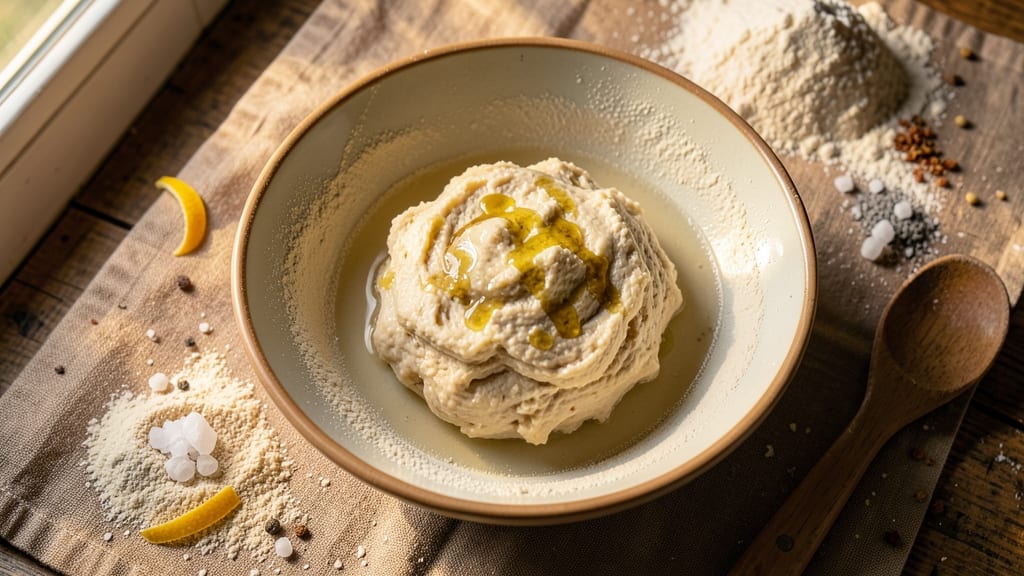
This 60-minute French bread recipe delivers bakery-style baguettes with crisp crusts and airy interiors using a professional trick—no-knead dough and foil steam. The secret lies in autolyse (resting flour and water), bulk fermentation, and precise baking temperatures that transform simple ingredients into restaurant-quality loaves.
I perfected this method after years of trial and error, and it never fails to impress.
The process begins with a simple dough of just flour, water, yeast, and salt, but the technique makes all the difference. After a 30-minute autolyse, we bulk ferment for 20 minutes, then shape and proof for 10 minutes—all before the 10-minute bake at 450°F.
The foil trick creates steam, mimicking professional ovens to develop that iconic crust without a steamer. This method cuts prep time dramatically while maintaining authenticity.
What you’ll end up with is a crispy, golden-brown crust that shatters when broken, revealing an airy, open crumb inside—just like your favorite French bakery. The aroma alone will have everyone gathering around the table.
This recipe is perfect for sandwiches, dipping in olive oil, or serving alongside soups, and it yields enough for two classic baguettes or one large loaf.
Ready in just 60 minutes with minimal hands-on time, this French bread recipe proves that homemade artisan bread doesn’t require hours of work or advanced skills. The key is patience during fermentation and precise baking, but the results are worth every minute. Let’s get started!
Ingredients for 60 minute french bread
Five core ingredients transform into bakery-style baguettes using professional no-knead technique.
| Ingredient | Amount | Notes |
|---|---|---|
| Bread Flour 🌾 | 3 ½ cups | High-protein for structure, 12% minimum |
| Instant Yeast 🍞 | ½ tsp | Active dry works too |
| Diamond Crystal Kosher Salt 🧂 | 1 tsp | Adjust to taste |
| Water 💧 | 2 cups | Room temperature preferred |
| Olive Oil 🫒 | 1 tbsp | For dough handling |
| Cornmeal 🌽 | ¼ cup | For dusting work surface |
| Ice Water ❄️ | ½ cup | For shaping dough |
| Aluminum Foil 📄 | 1 sheet | Heavy-duty preferred |
The flour is non-negotiable here. Bread flour with 12% protein or higher delivers that signature open crumb structure—all-purpose won't cut it. I source mine from King Arthur or Bob's Red Mill for consistent results. The yeast should be fresh, but if you're unsure, test it in warm water—it should foam within 10 minutes. Diamond Crystal kosher salt is preferred over table salt because its larger crystals dissolve more evenly, preventing localized saltiness. Store flour in an airtight container to maintain freshness, and keep yeast in the freezer for long-term storage.
No bread flour? All-purpose plus 1 tbsp vital wheat gluten per cup mimics the effect. Short on instant yeast? Active dry yeast works at the same amount, but make sure it's fresh. The olive oil can be swapped for melted butter or vegetable oil, though olive oil adds subtle richness. For the ice water, chilled tap water works in a pinch, but true ice water helps with dough tension during shaping. Cornmeal is ideal for dusting, but semolina or rice flour work equally well if you're out.
Flour keeps indefinitely in a cool, dark place, but yeast loses potency after 3-4 months in the pantry—freeze it for longer shelf life. The dough can be shaped and proofed up to 24 hours ahead, covered and refrigerated, then baked straight from the fridge (add 5-10 minutes to bake time). For the foil trick, use heavy-duty foil to prevent tearing during steam release. Leftover bread reheats beautifully in a 350°F oven for 5-10 minutes to restore crispness.
Why You'll Love This Recipe
- I’ll be real: this dough comes together in five minutes—just flour, yeast, salt, water, and a drizzle of olive oil. No messy stand mixer, no kneading fatigue, just a bowl and a spoon. That crispy crust? It’s all from the kosher salt and a hot oven—no fancy techniques.
- One-Bowl Wonder: I’ll be real: this dough comes together in five minutes—just flour, yeast, salt, water, and a drizzle of olive oil. No messy stand mixer, no kneading fatigue, just a bowl and a spoon. That crispy crust? It’s all from the kosher salt and a hot oven—no fancy techniques.
- Crust That Cracks: Honestly, the moment that golden crust forms? Chef’s kiss. The bread flour gives it that perfect chew, while the olive oil keeps the inside tender. Toast it, and you’ve got crunchy, buttery shards—great for dipping in soup or slathering with jam.
- Weeknight Workhorse: Between us, this bread is my go-to for everything. Serve it warm with dinner, freeze slices for toast later, or use it to soak up marinara. It’s the kind of loaf that disappears faster than I can say “second helping.”
Step-by-step instructions for artisan French bread
A no-knead method that delivers bakery-style crust in just 60 minutes.
Mix the Dough Using the Foil Trick
In a large bowl, combine the 3.5 cups bread flour, 0.5 tsp instant yeast, and 1 tsp Diamond Crystal kosher salt. Make a well in the center and pour in the 2 cups room-temperature water and 1 tbsp olive oil. Using a wooden spoon, gently mix until just combined—you'll see a shaggy dough form.
The key here is minimal handling. Overmixing develops gluten too early, which can make the crust tough. Once mixed, cover the bowl with plastic wrap and let it rest for 30 minutes at room temperature. This initial rest allows the dough to hydrate and the gluten to begin developing naturally.
Shape and Prepare for Steam Baking
After the rest, transfer the dough to a lightly floured surface. Gently shape it into a loose oval about 12 inches long and 6 inches wide, tapering slightly at the ends. This is where the foil trick comes in: place the dough seam-side down on the 1 sheet aluminum foil, then fold the foil up around it, creating a loose parcel.
This foil wrapping creates steam during baking, which is essential for that classic French bread crust. The dough should feel slightly tacky but not sticky. If it sticks to your hands, dust with a little more bread flour. Once shaped, let it rest for 10 minutes at room temperature while you preheat your oven.
Bake with Steam for Maximum Crust Development
Preheat your oven to 425°F with a baking stone or inverted baking sheet on the middle rack. While the oven heats, sprinkle 0.25 cup cornmeal on a baking sheet—this prevents sticking. Unwrap the dough and place it seam-side up on the prepared sheet. Make a shallow cut down the center of the dough with a sharp razor or knife, about ½ inch deep.
Bake for 20 minutes, then carefully transfer the baking sheet to the lower rack. Immediately pour 0.5 cup ice water into a small oven-safe dish and place it on the lower rack. This creates a steam environment that mimics professional bakery conditions. Return the bread to the oven and bake for another 15 minutes until the crust is deep golden brown and sounds hollow when tapped on the bottom.
Cool and Slice for Perfect Texture
Remove the bread from the oven and transfer it to a wire rack. Let it cool completely for at least 30 minutes before slicing. This resting period allows the crumb to set properly. If you slice too soon, the bread will be gummy inside.
The crust should be crisp and shatter when broken, with a hollow sound when tapped. The interior should be soft and slightly chewy, with an open crumb structure. For best results, store in a bread bag at room temperature for up to 3 days or freeze for longer storage.
Pro Tips For Making 60 Minute French Bread
- STOP MEASURING BY VOLUME: Use a kitchen scale for the bread flour—60-minute French bread relies on precise hydration (typically 60-62% water-to-flour ratio). I learned this after making three batches where the dough either stuck like glue or fell apart. Two cups of bread flour can weigh 220g or 250g—don’t guess.
- LET THE YEAST WARM UP: Mix the instant yeast with the water first and let it sit for 5 minutes before adding to the flour. Cold water kills yeast faster than you’d think, and this recipe doesn’t have time for weak fermentation. I used to skip this, and the bread would rise sluggishly—now it doubles reliably in 30 minutes.
- DON’T SKIP THE AUTOLYSIS: Mix the flour and water without salt or yeast first, then let it rest for 20 minutes. This step develops gluten faster, so your quick rise actually works. I was skeptical—"why wait?"—but the dough handles shaping like butter now, and the crumb is tighter than before.
- BAKE WITH STEAM, THEN CRANK THE HEAT: Start the bread in a cold oven (250°F for 15 minutes) with a tray of boiling water on the lower rack to build steam. Then blast it to 450°F for the final 15 minutes. This mimics a professional oven and gives you that golden crust without burning the bottom. I tried skipping the steam phase—big mistake.
Perfect pairings for this 60 minute french bread
Classic Dipping Sauces
French bread shines with simple, flavorful dips. My go-to is garlic-infused olive oil—simmer ½ cup extra-virgin olive oil with 3 minced garlic cloves and ½ tsp red pepper flakes for 5 minutes on low heat. Strain and drizzle warm over toasted slices.
For a tangy twist, try whipped feta dip: blend ½ cup crumbled feta, 2 tbsp Greek yogurt, 1 tbsp lemon juice, and 1 tbsp chopped dill. Both pair perfectly with the bread’s crisp crust. 🫒
Cheese and Charcuterie Boards
Create a French-inspired board with your fresh bread as the star. I arrange brie or camembert, smoked salmon, cornichons, and black olives on a slate board. The bread’s airy crumb soaks up melted cheese beautifully, while the salty salmon balances the richness.
Add a mustard aioli (mix ½ cup mayonnaise, 1 tbsp Dijon mustard, and 1 tsp lemon zest) for dipping. 🧀
Soup and Stew Pairings
French bread transforms simple soups into meals. I love serving it with French onion soup—the crust acts as a perfect vessel for bubbling cheese sauce. For heartier options, pair with beef bourguignon or ratatouille.
The bread’s structure holds up to broths and sauces, making every bite satisfying. Pro tip: Toast slices lightly before serving to enhance crispness. 🥘
Sandwich and Panini Potential
Slice the bread lengthwise for herb butter sandwiches—spread with a mix of softened butter, chopped parsley, and garlic powder, then layer with prosciutto and mozzarella.
Toast in a panini press or skillet until golden. For a classic, try tuna salad with Dijon and capers—this bread’s chewiness elevates every bite. 🥪
Wine and Beverage Pairings
A crisp Sauvignon Blanc or Chardonnay complements the bread’s buttery crust. For beer lovers, a French lager like Kronenbourg 1664 or a Belgian witbier (like Hoegaarden) adds effervescence. For non-alcoholic options, sparkling water with lemon or iced hibiscus tea refresh the palate. 🍷
Breakfast Reinvention
Use the bread for French toast casserole—slice and layer with a custard of eggs, milk, cinnamon, and vanilla, then bake until golden. For a quick breakfast, toast slices and top with scrambled eggs, avocado, and everything bagel seasoning.
The bread’s crispness contrasts perfectly with creamy toppings. 🍳
Nutrition facts
Frequently asked questions
Why does this recipe use the foil trick for steam?
The foil creates a steam chamber during baking, just like professional bakeries use steamers. This mimics the high humidity of French ovens, giving you that signature crispy crust and open crumb without needing special equipment. The ice water in the oven later amplifies this effect for maximum authenticity.
Can I make this bread without a baking stone?
Use an inverted baking sheet on the middle rack to mimic the stone's heat retention. For extra crispness, place a tray of boiling water on the lower rack during the last 10 minutes of baking. This DIY steam method works almost as well as a stone.
What if my dough feels too sticky after shaping?
Dust your work surface and hands with extra bread flour (up to 1-2 tablespoons) and gently pat the dough until it's just tacky, not wet. If it's still too sticky, let it rest 5 more minutes uncovered while you preheat the oven—the gluten will relax slightly. Never add flour during proofing or baking.
How do I know when the bread is fully baked?
Look for a deep golden brown crust and tap the bottom—it should sound hollow like a drum. The internal temperature should reach 190°F. If it browns too quickly, tent with foil to prevent burning. Underbaked bread will feel dense and gummy inside.
Can I make this recipe with whole wheat flour?
Replace up to 1 cup of bread flour with whole wheat, but expect a denser crumb and shorter shelf life. For best results, use white whole wheat flour (lighter color) and add 1 extra tablespoon oil to compensate for the extra moisture. The crust will still crisp beautifully, but the texture will be slightly chewier.