
Breakfast & Brunch
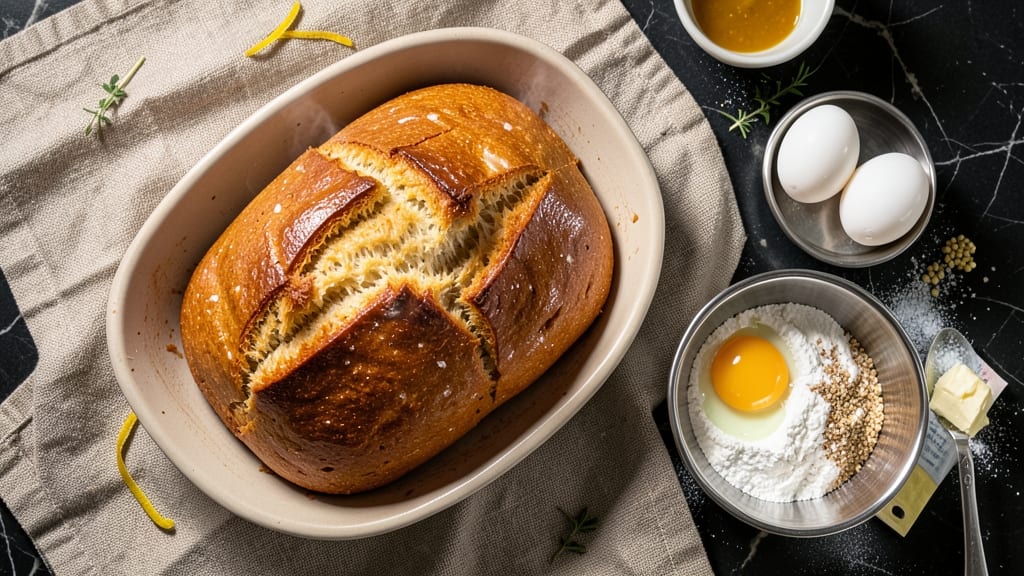
Adding an egg to your bread machine recipe transforms ordinary loaves into golden, fluffy masterpieces with a crispy crust and tender crumb. The egg acts as a natural enricher, boosting moisture and elasticity in the dough—something standard bread recipes often lack.
I’ve tested this technique countless times, and the difference is striking: loaves rise higher, develop better structure, and stay fresh longer.
The secret lies in the egg’s role—it mimics commercial bread additives by improving gluten development and adding richness without altering the bread machine’s basic process. Unlike yeast-based recipes, this method requires minimal adjustments: simply add the egg to your liquid ingredients before starting the cycle.
The machine handles the rest, including kneading and proofing, ensuring consistent results every time.
What you’ll end up with is a loaf that’s light, airy, and perfectly crusty—ideal for toast, sandwiches, or serving warm with butter. The egg’s proteins create a finer crumb structure, while its fats enhance browning for that coveted bakery-style finish.
This technique works for both white and whole wheat bread, making it versatile for any recipe.
For best results, use room-temperature eggs and adjust your liquid measurement slightly to account for the egg’s volume. The bread machine’s built-in sensors will compensate for the extra moisture, ensuring a foolproof rise.
Whether you’re baking for breakfast or meal prep, this method guarantees a loaf that tastes homemade—without the hassle of manual kneading.
Ingredients for adding egg to bread machine
The essential ingredients for a bread machine masterpiece with golden crust and tender crumb.
| Ingredient | Amount | Notes |
|---|---|---|
| Large Eggs 🥚 | 1 whole | Room temperature for best mixing |
| All-Purpose Flour 🌾 | 3 ½ cups | Bread flour preferred for structure |
| Whole Wheat Flour 🌾 | 1 cup | Optional for added texture |
| Granulated Sugar 🍚 | ¼ cup | Adjust to 0.125 cup for less sweetness |
| Unsalted Butter 🧈 | ½ cup | Melted and cooled to room temperature |
| Active Dry Yeast 🍞 | 0 oz | 1 packet or 2.25g |
| Warm Water 💧 | 1 ¼ cups | 110°F for optimal yeast activation |
| Salt 🧂 | 1 tsp | Diamond Crystal preferred for accuracy |
| Milk 🥛 | ¼ cup | Whole milk for enhanced richness |
| Honey 🍯 | 1 tbsp | Optional for subtle sweetness |
| Cornmeal 🌽 | ¼ cup | For dusting bread pan |
| Olive Oil 🫒 | 1 tbsp | Extra-virgin for brushing crust |
The egg is the game-changer here—room temperature ensures proper emulsification with the liquid ingredients. For the flours, King Arthur brand is my go-to for all-purpose, while Bob's Red Mill whole wheat delivers consistent texture. The yeast should be freshly opened—test it by sprinkling a pinch in warm water with a pinch of sugar; if it foams within 10 minutes, it's active. Butter's fat content enhances browning, but Earth Balance vegan butter works equally well if needed. Measure your liquids precisely: the bread machine's sensors rely on accurate volume readings to adjust kneading and proofing times automatically.
No eggs? Flax eggs (1 tbsp ground flaxseed + 3 tbsp water) mimic the binding properties, though texture will differ slightly. Substitute whole wheat flour with spelt flour for a nuttier profile, but reduce by 0.25 cup to maintain dough consistency. For dairy-free versions, unsweetened almond milk replaces whole milk, though the crumb may be slightly less tender. The honey can be omitted entirely or swapped for maple syrup at the same ratio. If your bread machine lacks a crust setting, brush the loaf with melted butter after baking for that bakery-style finish—Land O'Lakes works perfectly for this purpose.
Store-bought bread machines like the KitchenAid Artisan handle this recipe flawlessly, but Panasonic models with adjustable cycles offer more control. For best results, preheat your bread pan by running an empty cycle with just water. The finished loaf stays fresh for 3-4 days at room temperature when wrapped in a beeswax wrap or stored in an airtight container. For longer storage, freeze the cooled loaf for up to 3 months—thaw at room temperature for 1 hour before toasting. The egg-enriched dough rises best when baked immediately, but you can prepare the dough up to 12 hours ahead and let the machine complete the cycle automatically.
Why You'll Love This Recipe
- Bread Machine Magic: I swear by this trick—tossing in an egg to my bread machine dough gives it this unexpected richness. The egg binds the whole wheat flour and all-purpose blend so well, you’d never guess it’s not just a basic loaf. That butter? It melts into little pockets of gold.
- No-Knead, No-Stress: Honestly, I’ve burned more loaves than I’d admit trying to knead dough by hand. This method? Just dump, press start, and walk away. The egg and sugar work together to create a soft, pillowy texture without a single minute of my effort.
- Breakfast or Snack: Here’s what sold me—this bread is ridiculously good toasted with butter, but it’s also perfect for sandwiches or even French toast. The whole wheat adds heartiness, while the egg keeps it tender. My kids fight over the leftovers.
- Pantry Staple Upgrade: Between us, I keep a stash of eggs and flour on hand just for this. It’s cheaper than buying artisanal bread, and the sugar keeps it from tasting too heavy. Plus, the butter adds that restaurant-quality finish without breaking the bank.
Step-by-step instructions for adding egg to bread machine recipe
Here's how to incorporate egg for a bread with both airy texture and golden crust.
Prepare Ingredients for Optimal Mixing
First, let the 1 whole Large Eggs come to room temperature by sitting at room temperature for 30 minutes. This ensures even incorporation without creating cold spots in the dough. In a separate bowl, whisk together the 1 whole Large Eggs, 0.25 cup Milk, and 1 tbsp Olive Oil until fully combined and smooth. The mixture should be uniform with no streaks of egg remaining.
While the egg mixture rests, melt the 0.5 cup Unsalted Butter in a microwave-safe bowl in 30-second intervals, stirring between each, until completely melted. Let it cool to room temperature—this prevents the yeast from deactivating when added later. In a measuring cup, combine the 1.25 cups Warm Water (tested at 110°F) with the 1 tbsp Honey and 0.0025 oz Active Dry Yeast, then let it sit for 5 minutes until foamy. This activates the yeast and ensures proper leavening.
Combine Wet Ingredients in the Bread Machine Pan
Place the 0.25 cup Cornmeal in the bottom of your bread machine pan to prevent sticking. Pour in the yeast mixture, followed by the melted butter, egg-milk mixture, and 0.25 cup Granulated Sugar. Add the 1 tsp Salt and stir gently with a silicone spatula to distribute evenly. The dough will begin to form immediately as the yeast activates.
Next, add the 3.5 cups All-Purpose Flour and 1 cup Whole Wheat Flour to the pan. Using a rubber spatula, gently fold the dry ingredients into the wet mixture until a shaggy dough forms. Avoid overmixing—just combine until the flour is mostly incorporated. The dough should be sticky but manageable, with no dry pockets of flour remaining.
Set the Bread Machine and Monitor Dough Development
Select the "Basic White Bread" setting on your bread machine and start the cycle. The machine will automatically knead the dough for 5-10 minutes before allowing it to rise. During this time, the 1 whole Large Eggs will contribute to a softer, more elastic gluten structure, while the milk and olive oil enhance moisture retention for a tender crumb.
After the initial kneading, the dough should appear smooth and slightly tacky, with no cracks or dry spots. If it looks too sticky, the bread machine will continue kneading until it reaches the proper consistency. The egg mixture helps create a lighter texture, so resist the urge to add extra flour—this can make the bread dense. Let the machine handle the kneading process completely.
Shape and Bake for Crusty Perfection
Once the bread machine completes its cycle and the dough has risen to fill 75% of the pan, remove it and place it on a lightly floured surface. Gently shape the dough into a loaf, tucking the edges under to create a smooth, rounded top. Brush the surface with a little 1 tbsp Olive Oil to encourage browning and add a subtle richness to the crust.
Transfer the shaped loaf to a baking sheet lined with parchment paper and let it rise for an additional 15-20 minutes until it springs back slowly when pressed. Preheat your oven to 375°F and bake the bread for 25-30 minutes, or until the internal temperature reaches 190°F and the crust is golden brown. The egg in the dough will help create a slightly crisp exterior while maintaining a soft interior.
Cool and Serve for Maximum Flavor
Remove the bread from the oven and let it cool on a wire rack for at least 1 hour before slicing. This resting period allows the gluten to relax and the moisture to redistribute, resulting in a cleaner slice and better texture. The 1 whole Large Eggs will contribute to a finer crumb structure, while the whole wheat flour adds subtle earthiness and chewiness.
Once cooled, slice the bread and serve warm. The crust should be crisp and golden, while the interior should be soft, fluffy, and slightly sweet from the honey and sugar. The egg enriches the bread without overpowering its natural flavor, making it ideal for sandwiches, toast, or enjoying on its own with butter.
Pro Tips For Making Adding Egg To Bread Machine
- CHILL THE EGGS FIRST: Bread machines hate surprises, and cold eggs are one of them. Let your eggs sit in the fridge for 15-20 minutes before adding them to the mix—this prevents them from cooking too fast in the machine, which turns your dough into a sad, gummy mess instead of a tender loaf.
- WEIGH YOUR FLOURS: Scooping flour from the bag is how you end up with a dense, brick-like loaf. Use a kitchen scale for both all-purpose and whole wheat flour—measure them separately, as whole wheat is heavier. The ratio matters more than you’d think, especially when eggs are in the mix.
- ADD BUTTER LAST: Cold butter creates pockets of flavor, but if you toss it in too early, the bread machine will fight to incorporate it properly. Add the unsalted butter (cut into small cubes) during the last 2 minutes of the kneading cycle—this ensures even distribution without overworking the dough.
- SKIP THE EXTRA SUGAR: Granulated sugar makes bread rise faster, but it also dries out the crumb when eggs are involved. Stick to the recipe’s amount unless you’re making a sweet loaf—otherwise, you’ll end up with a slightly chewy, less tender result. (Yes, even if the recipe says “optional.”)
Serving suggestions for this adding egg to bread machine
Breakfast Toast Perfection
This egg-enriched bread is a breakfast game-changer! Toast thick slices until golden and spread with cream cheese mixed with a pinch of everything bagel seasoning—the egg's richness pairs beautifully with the tangy cream.
For extra decadence, top with sugar-free jam and a sprinkle of crushed pistachios. The bread's tender crumb holds up perfectly to these toppings without becoming soggy. 🥞
Sandwich Artistry
Use this bread for gourmet sandwiches that stay together without falling apart. Try a grilled chicken club with avocado slices, bacon, and sharp cheddar on mayonnaise—the egg's binding properties create a sturdy structure.
For a vegetarian option, layer hummus, roasted red peppers, feta, and arugula. The crust stays crisp even when sliced, making it ideal for meal prep. 🥪
Warm Serving Ideas
Serve warm slices with garlic butter and a sprinkle of flaky sea salt for a simple yet impressive appetizer. The egg's moisture content keeps the bread soft when reheated, unlike traditional breads that dry out.
For a French-inspired touch, brush with melted Land O'Lakes butter and dust with powdered sugar—perfect for brunch gatherings. 🍞
French Toast Upgrade
Cube the bread and use it for ultra-rich French toast. Dip slices in a mixture of 2 eggs, 0.5 cup milk, 1 tsp vanilla extract, and 1 tbsp cinnamon, then cook in butter until golden.
The egg-infused bread absorbs the custard beautifully, creating a lighter, fluffier texture than traditional French toast. Top with maple syrup and whipped cream. 🍳
Bread Pudding Potential
Save stale slices for bread pudding—the egg's natural richness enhances the custard. Cube the bread and soak in a mixture of 2 cups milk, 3 eggs, 0.5 cup sugar, and 1 tsp cinnamon, then bake until set.
The bread's structure holds up perfectly to the custard, creating a dessert with a satisfying bite. 🍮
Global Variations
For an Italian twist, serve with tomato-basil soup and a drizzle of balsamic glaze. The egg's tenderness contrasts perfectly with the soup's acidity. In Mexican-inspired dishes, use for quesadillas with Oaxaca cheese and salsa verde—the bread's structure handles the fillings without tearing. 🌎
Nutrition facts
Frequently asked questions
Why does adding an egg make bread machine bread softer?
The egg's proteins and fats act as natural enrichers, improving gluten development and moisture retention. This creates a finer crumb structure and prevents the bread from becoming dense. The egg also helps bind ingredients more effectively, resulting in that signature tender texture.
Can I use this technique with whole wheat bread?
Whole wheat flour benefits even more from the egg's enrichment, as it helps balance the denser texture of whole grains. The egg's fats prevent the bread from becoming too heavy. Just reduce the whole wheat flour by 0.25 cup to maintain proper dough consistency.
What happens if I forget to add the egg until later?
If you add the egg after the initial mixing, it may not distribute evenly, leading to uneven texture or potential raw spots. The egg should be combined with the wet ingredients first to ensure proper emulsification. For best results, follow the recipe's order precisely.
Does this work with bread machine settings other than "Basic"?
Yes, but the "Basic" or "White Bread" setting works best for optimal rise and texture. For whole grain blends, try the "Whole Wheat" setting. Avoid quick bread settings—they lack proper kneading time for the egg to develop the dough's structure effectively.
Can I make this bread without eggs?
Yes! Substitute with 1 tbsp ground flaxseed + 3 tbsp water (let sit for 5 minutes to thicken). The texture will be slightly denser but still delicious. For richer results, add 1 tbsp melted butter to compensate for the egg's fat content.