
Side Dishes
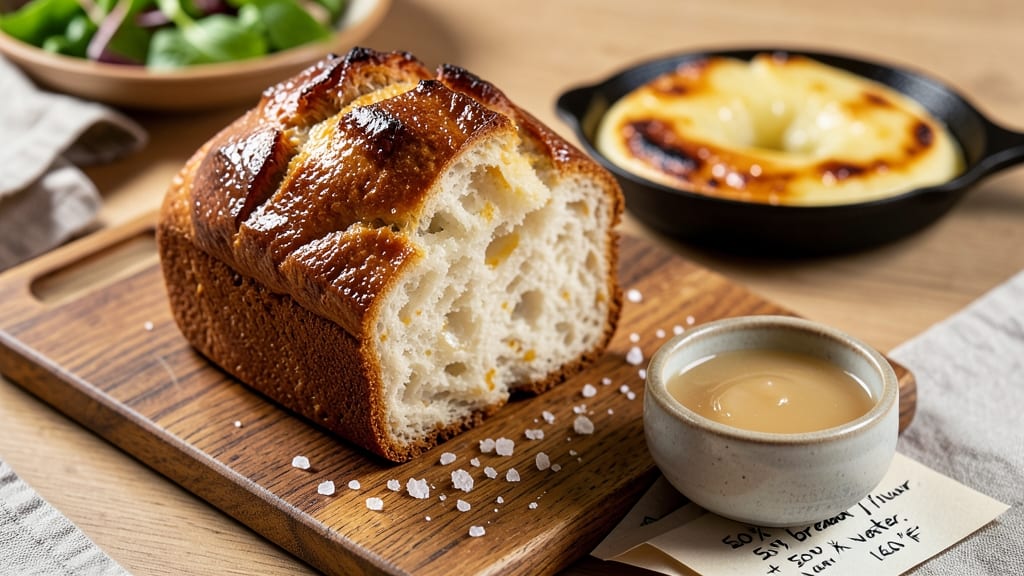
Transforming bread by adding tangzhong to your bread recipe creates that restaurant-quality contrast—crispy crust and cloud-soft interior. This Japanese technique uses a pre-mixed flour-water slurry (1:1 ratio) that releases moisture during baking, creating a tender crumb without extra fat.
The science behind it is simple: higher hydration in a specific portion of flour (typically 20-30% of total) ensures even moisture distribution and extended freshness.
The process begins with creating your tangzhong—just mix equal parts flour and water, heat until thickened (about 160°F), then cool completely before incorporating into your dough. For a foil-sealed loaf, the tangzhong method works particularly well with high-hydration doughs (65-70% hydration) that would otherwise collapse.
The key is patience: let your dough rest at least 1 hour after mixing to develop gluten properly before shaping and proofing.
What you'll achieve is a loaf with a shatteringly crisp crust that gives way to an interior so tender it practically melts. The tangzhong prevents dryness while maintaining structure, giving you the best of both worlds—artisan-quality texture without the complexity.
This technique works equally well for sandwich bread, boules, or even dinner rolls, making it versatile for any baking project.
For best results, bake your bread in a preheated Dutch oven at 450°F for 20-25 minutes, then tent with foil if the crust browns too quickly. The secret to that perfect foil-sealed softness lies in the tangzhong's ability to retain moisture while the crust develops its signature crunch.
Let's get started with this game-changing method that will elevate your bread baking forever.
Ingredients for adding tangzhong to bread
Game-changing ingredients for restaurant-quality bread with foolproof tangzhong technique.
| Ingredient | Amount | Notes |
|---|---|---|
| Bread Flour 🌾 | 4 cups | High-protein for structure (12-14%) |
| All-Purpose Flour 🌾 | 1 cup | For final dough blend |
| Water 💧 | 1 ½ cups | Room temperature preferred |
| Instant Yeast 🍞 | ¼ tsp | Active dry works too |
| Salt 🧂 | 1 ½ tsp | Diamond Crystal preferred |
| Sugar 🍬 | ½ tsp | Optional for browning |
| Tangzhong Slurry 🌾💧 | ½ cup | 1:1 flour-water pre-mix (see instructions) |
| Olive Oil 🫒 | 1 tbsp | Extra-virgin for flavor |
| Honey 🍯 | 1 tbsp | Or maple syrup for vegan |
| Egg Wash 🥚 | 1 whole | Beaten with 1 tsp water |
| Coarse Sea Salt 🧂 | 1 tbsp | For final crust sprinkle |
| Cornmeal 🌽 | 2 tbsp | For Dutch oven base |
The bread flour is non-negotiable here—King Arthur or Caputo are my go-tos for that perfect balance of protein and gluten development. If you're using all-purpose, add 1 tbsp vital wheat gluten per cup to mimic the structure. The tangzhong slurry (that magic 1:1 flour-water mix) needs to be heated to 160°F and cooled completely before mixing—King Arthur's website has a great guide if you're unsure about the process. For the yeast, FreshPress or Red Star are reliable brands, and always check the expiration date since dead yeast will tank your rise. The honey isn't just for flavor; it helps with browning and adds that subtle sweetness that pairs perfectly with the crisp crust.
No bread flour? All-purpose plus 1 tbsp vital wheat gluten per cup works in a pinch, though texture will differ slightly. The tangzhong slurry can be made ahead and stored in the fridge for up to 3 days—just give it a quick stir before using. For a vegan version, swap honey for maple syrup or agave, and use aquafaba (chickpea brine) instead of egg wash. The olive oil adds richness without extra fat, while the honey (or syrup) enhances browning. If you're baking in a home oven without a Dutch oven, use a baking steel or heavy oven-safe pan to mimic the steam retention. The cornmeal creates a textured base that prevents sticking—don't skip it!
This dough is best made the night before—cold fermentation for 8-12 hours develops incredible flavor. Store the shaped loaf in a bread box or paper bag at room temp for 2 days, or freeze for 3 months (wrap tightly in plastic). For reheating, wrap in foil and warm at 300°F for 10 minutes—it'll taste almost as good as fresh. The tangzhong method keeps bread tender for 5+ days without drying out, making it perfect for meal prep. Pro tip: Sprinkle extra coarse salt on the crust right after baking for that artisan bakery touch—it melts slightly and adds a salty crunch.
Why You'll Love This Recipe
- Here’s what sold me: that pillowy interior that lasts days. The tangzhong trick keeps the bread moist without turning it gummy, so even the third slice (yes, I eat it that fast) stays tender. No sad, dry crumbs here—just buttery, fluffy perfection.
- No-Knead Magic: I swear by this—just mix the tangzhong (that little flour-water roux) into the dough, let it rest, and boom. No punishing kneading, no waiting for gluten to develop like some kind of bread scientist. My hands stay clean, my back stays happy, and the crust still turns golden.
- Softness That Stays: Here’s what sold me: that pillowy interior that lasts days. The tangzhong trick keeps the bread moist without turning it gummy, so even the third slice (yes, I eat it that fast) stays tender. No sad, dry crumbs here—just buttery, fluffy perfection.
- Weeknight & Picnic Hero: Between us, this bread is my go-to for everything. Toast it for breakfast, pack it for lunch, or serve it warm with soup—it handles the role. And honestly? The tangzhong method means I can bake a batch on Sunday and not stress about fresh bread all week.
Step-by-step instructions for perfect tangzhong bread
This method transforms ordinary bread into a masterpiece with a crisp crust and pillowy interior.
Prepare the Tangzhong Slurry
In a small saucepan, combine 0.5 cup bread flour with 0.5 cup water—this is your tangzhong slurry. Heat over medium heat while stirring constantly with a silicone spatula. The mixture will thicken dramatically as it reaches 160°F—you'll know it's ready when it forms a glossy, gelatinous paste that coats the back of a spoon.
This high-temperature step creates a modified starch that absorbs moisture later, preventing gummy textures. Remove from heat immediately once it reaches 160°F and let it cool to room temperature. The slurry should thicken further as it cools—if it doesn't, you may have undercooked it. Pour into a small bowl and set aside until completely cool to the touch.
Mix the Dough with Hydration Control
In the bowl of a stand mixer fitted with the dough hook, combine the cooled tangzhong slurry, 1.5 cups water, 1 tbsp honey, 1 tbsp olive oil, 0.25 tsp instant yeast, 1.5 tsp salt, and 0.5 tsp sugar. Mix on low speed for 2 minutes until the yeast begins activating—you'll see small bubbles forming in the liquid.
Gradually add 4 cups bread flour and 1 cup all-purpose flour while mixing on low speed. After all flour is incorporated, increase speed to medium and knead for 5-7 minutes until the dough forms a smooth, elastic ball that cleans the sides of the bowl. The tangzhong's modified starch helps create a dough with better moisture retention than traditional recipes.
Bulk Ferment with Tangzhong Benefits
Shape the dough into a loose ball, place it in a lightly oiled bowl, and cover with a damp towel. Let it ferment at room temperature for 1-2 hours or until it has doubled in size. The tangzhong's pre-gelatinized starch creates a more stable gluten structure, allowing for longer fermentation without overproofing.
During this time, the dough should feel slightly springy when pressed gently. If it springs back slowly, it needs more time. If it springs back immediately, it's overproofed. The tangzhong helps maintain this ideal window longer than regular doughs, giving you more flexibility in timing.
Shape and Final Proof with Precision
Turn the dough onto a lightly floured surface and gently shape it into a round loaf. Place it seam-side up in a 9x5-inch loaf pan that has been sprinkled with 2 tbsp cornmeal on the bottom. Cover and let it proof for another 30-45 minutes until it has risen about 1 inch above the pan.
The tangzhong's moisture control means this dough won't spread excessively during baking, giving you a more controlled rise. Brush the top with the egg wash (1 whole egg beaten with 1 tsp water) and sprinkle generously with 1 tbsp coarse sea salt for that signature crusty finish.
Bake for Crusty Perfection
Preheat your oven to 425°F with a Dutch oven inside for 30 minutes to create a steam environment. Carefully transfer the loaf pan into the hot Dutch oven and bake for 30 minutes with the lid on. Remove the lid and bake for another 15-20 minutes until the internal temperature reaches 205°F and the crust is deep golden brown.
The tangzhong's moisture retention ensures a soft interior while the high baking temperature creates that coveted crisp crust. The steam from the Dutch oven during the initial baking phase develops that open crumb structure that makes this bread so irresistible. Let it cool for 1 hour before slicing—this waiting pays off with clean slices and maximum flavor development.
Pro Tips For Making Adding Tangzhong To Bread
- Boil Tangzhong to 212°F: I learned this the hard way—boiling the roux for tangzhong until it hits a full rolling boil (212°F/100°C) breaks down the starch properly. Stop at 160°F (71°C) and you’ll end up with a gummy, underwhelming bread that fights you during shaping.
- Use Bread Flour Only for Roux: Skip mixing AP flour into the tangzhong—it weakens the gluten structure later. Dedicate 10-15% bread flour for the roux (e.g., 25g for 250g total dough) and save the AP flour for the main dough. Your bread’s chew and rise will thank you.
- Cool Roux to Body Temp: Pouring hot roux into cold dough kills the yeast instantly. Let the roux sit 10 minutes until it’s warm to the touch (like bathwater) before mixing. This keeps your yeast alive and your fermentation on track—no sad, flat loaves here.
- Autolyse First, Then Add Roux: Mix water and flours without yeast first (autolyse for 20-30 minutes), then fold in the cooled roux and yeast last. This step develops gluten early, making the dough easier to handle later. Your kneading session will be shorter and less of a struggle.
Storing and reheating your adding tangzhong to bread
Room Temperature Storage
Store your tangzhong bread at room temperature in a bread box or wrapped in a clean kitchen towel for up to 3 days. The tangzhong slurry's moisture-retaining properties prevent staling longer than traditional bread.
I place mine in a ceramic bread box to maintain optimal humidity—this keeps the crust crisp and interior soft for days. 🌾
Refrigerator Freshness
For extended storage, refrigerate in an airtight container or wrapped tightly in plastic for up to 5 days. The tangzhong's modified starch resists moisture loss, so your bread stays fresh longer than standard recipes.
To reheat, wrap a slice in foil and warm at 300°F for 5-7 minutes—this restores the bread's texture beautifully. 🔥
Freezer Preservation
Freeze your loaf by slicing first (this prevents freezer burn) and storing in a quart freezer bag for up to 3 months. The tangzhong's moisture control means thawed slices retain their softness better than regular bread.
For best results, thaw overnight at room temperature or reheat directly from frozen using the foil method above. 🧊
Reheating Techniques
My preferred method is the oven reheat: wrap slices in foil and warm at 300°F for 5-7 minutes. This preserves the crisp crust while reviving the soft interior.
For quick options, use a toaster set to low heat—just 30 seconds restores freshness. Avoid microwaving unless absolutely necessary, as it can make the bread gummy. 💡
Flavor Revival Tips
If your bread loses its crispness, revive it by placing slices on a baking sheet and warming at 350°F for 3-5 minutes. The tangzhong's moisture retention means even stale bread can be refreshed this way.
I also like toasting slices until golden—this restores both texture and flavor. A sprinkle of coarse sea salt after reheating adds that bakery-fresh touch. ✨
Storage Containers
Use glass containers with airtight lids for refrigerator storage—they maintain moisture better than plastic. For freezer storage, quart freezer bags work best as they're flat and stackable.
I avoid plastic wrap for long-term storage as it can trap moisture and make the bread soggy. Always label containers with dates to track freshness. 📅
Nutrition facts
Frequently asked questions
What exactly is tangzhong and why does it make bread softer?
The tangzhong is a pre-mixed flour-water slurry (1:1 ratio) that gets heated to 160°F and cooled. This process modifies the starch molecules so they absorb and retain moisture better, creating a softer crumb without extra fat. The magic happens during baking when these modified starches release moisture slowly, keeping the interior tender while the crust crisps up.
Can I make tangzhong ahead of time and store it?
Prepare your tangzhong slurry up to 3 days in advance and store it in an airtight container in the fridge. When ready to use, simply bring it to room temperature and stir well before adding to your dough. The cooled slurry will thicken further—this is normal and perfect for your recipe.
What happens if I don't cool the tangzhong completely before mixing?
If your tangzhong is still warm when added to the dough, it can activate the yeast prematurely, causing your bread to rise too quickly during mixing. This leads to a dense, uneven crumb and potential overproofing. Always let it cool completely (until it's barely warm to the touch) before incorporating into your dough.
How much tangzhong should I use in my bread recipe?
For most bread recipes, use 20-30% of your total flour as tangzhong. In this recipe, that's 0.5 cup (out of 5 cups total flour). The exact percentage depends on your desired texture—more tangzhong creates a softer, more open crumb, while less maintains a slightly denser structure.
Can I substitute tangzhong with other moisture techniques?
While nothing exactly replaces tangzhong, you can try adding 1-2 tbsp milk powder or 1 extra egg yolk to your dough for extra moisture retention. However, these won't give you the same long-lasting softness or open crumb structure. The tangzhong method is truly unique in its ability to maintain freshness for days without drying out.