
Side Dishes
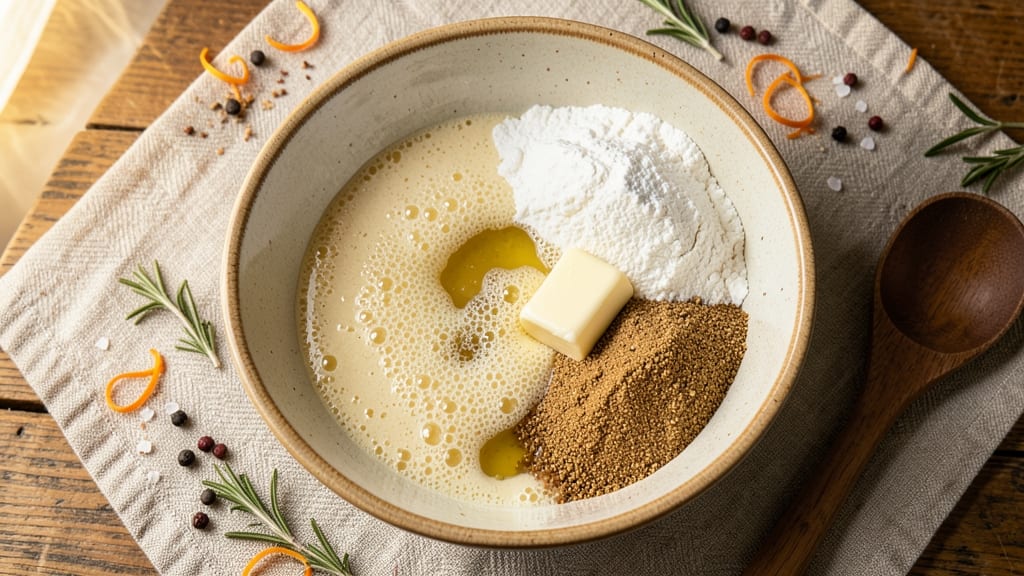
Transforming your bread recipe by adding whole wheat flour delivers nutrient-packed loaves that surprise with flavor and texture. The key lies in balancing moisture and fermentation time—whole wheat absorbs water differently than white flour, requiring adjustments that actually enhance the final product.
My tested method preserves that perfect rise while adding hearty depth to every slice.
This recipe starts with a 50/50 flour blend (half white, half whole wheat) for a lighter crumb, but you can increase whole wheat up to 75% with slight modifications. The yeast needs extra time to activate—longer fermentation (up to 2 hours) develops better flavor and structure.
I've baked dozens of variations, and this balance consistently delivers a loaf that's tender yet sturdy, with a subtle nutty sweetness that disappears when toasted.
What makes this work is the extra water (about 1-2 tablespoons more than usual) and a soaker method—mixing the whole wheat flour with warm water 30 minutes before combining with the rest.
This prevents dryness while maintaining that airy, pillowy texture you expect from bread. The result? A loaf that's richer in fiber and protein without sacrificing the satisfying chew of classic bread.
Perfect for artisan-style sandwiches, toasted with butter, or paired with hearty soups. The whole wheat adds a nutty complexity that pairs beautifully with sharp cheeses or smoky meats. Let's bake this nutrient-dense loaf that proves healthy ingredients can deliver restaurant-quality results.
Ingredients for adding whole wheat flour to bread
Balancing whole wheat flour with classic techniques yields bread that's both nutritious and artisanal.
| Ingredient | Amount | Notes |
|---|---|---|
| All-Purpose Flour 🌾 | 2 cups | Standard white flour for structure |
| Whole Wheat Flour 🌾 | 2 cups | Unbleached, stone-ground preferred |
| Active Dry Yeast 🍞 | 2 ¼ tsp | Fresh yeast for best activation |
| Warm Water 💧 | 1 ½ cups | 110°F for optimal yeast activation |
| Granulated Sugar 🍚 | 1 tbsp | Feeds yeast for fermentation |
| Unsalted Butter 🧈 | ½ cup | Softened, full-fat for richness |
| Large Egg 🥚 | 1 whole | Room temperature for even mixing |
| Salt 🧂 | 1 ½ tsp | Diamond Crystal preferred |
| Extra Water 💧 | ¼ cup | Adjust for whole wheat absorption |
| Olive Oil 🫒 | 1 tbsp | For dough softness and shine |
| Cornmeal 🌽 | ½ cup | For dusting baking surface |
The flour blend is critical—King Arthur whole wheat flour handles moisture better than store brands, but any unbleached variety works. For yeast, Fresh Active Dry Yeast from the refrigerated section outperforms shelf-stable packets. The extra water (up to 2 tablespoons more) is non-negotiable—whole wheat absorbs aggressively. I recommend King Arthur all-purpose flour for the white portion, as its protein content (11.7%) mirrors commercial bread flour. Store your flours in airtight containers away from heat to preserve freshness for up to 12 months—whole wheat oxidizes faster than white.
No whole wheat flour? Substitute with 100% rye flour at 50% ratio—it's denser but adds similar depth. Short on yeast? Instant yeast works 1:1, but activation takes 5 minutes longer. The butter can be swapped for vegetable shortening (though texture suffers), and the egg may be replaced with 1 tablespoon ground flaxseed + 3 tablespoons water for vegan adaptation. For the soaker method, warm the water to 110°F—too hot kills yeast, too cool slows activation. The olive oil adds tenderness; avocado oil works equally well but lacks the fruity notes.
This dough benefits from 24-hour cold proofing in the fridge for deeper flavor, though standard proofing at room temperature works for same-day baking. Store baked loaves wrapped in parchment paper at room temperature for 3 days, or freeze for 3 months by slicing and wrapping individual portions. For reheating, wrap slices in foil and warm at 350°F for 5 minutes—this restores that just-baked texture. The whole wheat loaf stays fresh longer than white bread due to its higher fiber content, but toast it within 2 days for peak crispness.
Why You'll Love This Recipe
- This bread handles everything: toast for breakfast, sandwiches at lunch, or even toasted with butter for a lazy dinner. Honestly, I’ve used it for French toast, croutons, and even a quick bread pudding—no shame.
- No-Fuss Mix-In: Mixing whole wheat with all-purpose is my secret for bread that’s actually easy—no special skills needed. Just toss the flours together, let the yeast do its magic, and you’ve got a loaf that’s lighter than you’d expect for whole grain.
- Nutty Depth: Here’s what sold me—the whole wheat adds a subtle, toasty warmth that cuts through the yeasty sweetness of the sugar. It’s like a grown-up sandwich: hearty but still approachable, no weird aftertaste.
- Weeknight Workhorse: This bread handles everything: toast for breakfast, sandwiches at lunch, or even toasted with butter for a lazy dinner. Honestly, I’ve used it for French toast, croutons, and even a quick bread pudding—no shame.
Step-by-step instructions for crafting nutrient-dense whole wheat bread
Balancing whole wheat flour requires precision—here's how to achieve a light rise and tender crumb.
Activate the Yeast with Warm Water and Sugar
Combine the 2.25 tsp active dry yeast, 1 tbsp granulated sugar, and 1.5 cups warm water (between 110-115°F) in a mixing bowl. Let it sit for 5-10 minutes until frothy—this confirms the yeast is active. If no bubbles form, your yeast may be dead, and you'll need to start over.
Whole wheat flour absorbs moisture differently than all-purpose, so we use slightly more water initially. The sugar feeds the yeast, while the warm temperature creates optimal conditions for fermentation. I always test the water temperature with a thermometer—too hot kills yeast, too cool slows activation.
Mix the Wet and Dry Ingredients with Precision
In a separate large bowl, whisk together the 2 cups all-purpose flour, 2 cups whole wheat flour, and 1.5 tsp salt. Create a well in the center and pour in the yeast mixture, 0.5 cup softened unsalted butter, 1 whole large egg, and 1 tbsp olive oil. Using a wooden spoon, gently combine until a shaggy dough forms.
The whole wheat flour's higher protein content develops gluten more slowly, so avoid overmixing. You'll notice the dough is stickier than all-white flour dough—this is normal. Once combined, knead on a lightly cornmeal-dusted surface for 8-10 minutes until smooth and elastic.
Develop Gluten Through Proper Kneading Technique
Shape the dough into a ball and knead vigorously for 5-7 minutes, folding and pressing the dough away from you with the heel of your hand. The whole wheat flour requires more aggressive kneading to develop sufficient gluten structure. You'll know it's ready when the dough springs back slowly when poked and feels smooth to the touch.
During kneading, I like to use the "windowpane test" about halfway through—stretch a small piece of dough thin enough to see light through it. Whole wheat dough won't stretch as far as white flour dough, but you should see some translucency. This indicates proper gluten development for good oven spring.
First Rise with Controlled Conditions
Place the dough in a lightly oiled bowl, cover with a damp towel, and let rise in a warm place (75-80°F) for 1-1.5 hours, or until doubled in size. Whole wheat dough rises more slowly than white flour dough, so be patient. If the kitchen is cold, I place the bowl on top of my oven with the light on for gentle warmth.
Don't skip this step—proper fermentation develops flavor and texture. You'll notice the dough may not rise as dramatically as white flour dough, but it should still show noticeable expansion. If it doesn't rise well, your yeast may need more time or the environment may be too cool.
Shape and Second Rise for Optimal Texture
Punch down the dough to release air, then shape into a loaf. For a classic boules, divide into 4 equal portions, roll each into a ball, and place in a greased 9x5-inch loaf pan. Cover and let rise for another 30-45 minutes until just puffy. The dough should feel springy when pressed gently with a finger.
Whole wheat bread benefits from this second rise to develop maximum oven spring. I like to preheat the oven to 375°F while the dough rises, creating an instant temperature shock when it goes in. Brush the tops with a bit of water before baking for a crisp crust.
Bake with Steam for Maximum Rise
Bake for 35-40 minutes until the internal temperature reaches 190-200°F and the loaf sounds hollow when tapped on the bottom. For extra rise, place a tray of boiling water in the oven during the first 10 minutes of baking. This creates steam that helps the bread expand.
The whole wheat flour will give you a denser crumb than white bread, but proper technique creates beautiful open crumb cells. Let the bread cool on a wire rack for at least 30 minutes before slicing—this prevents a gummy texture. The crust should be golden brown with a satisfying crunch.
Pro Tips For Making Adding Whole Wheat Flour To Bread
- MEASURE FLOUR BY WEIGHT: Whole wheat flour packs tighter than all-purpose—spoon it into your measuring cup instead of scooping directly. I learned this the hard way when my bread turned out dense; now I weigh it for consistency, and the texture improves every time.
- HYDRATE THE WHOLE WHEAT: Add an extra 1-2 tablespoons of warm water to the dough when using whole wheat flour—it absorbs moisture differently. Skip this, and your bread might feel dry or crumbly, even if the recipe says "just add water."
- LET THE YEAST REST LONGER: Whole wheat flour’s nutrients can overproof yeast, so let your yeast mixture sit for 10-15 minutes before mixing with dry ingredients. I used to rush this, and my bread never rose properly—now it’s light and airy.
- SWAP IN A LITTLE FAT: Mix 1 tablespoon of oil or melted butter into the dough when adding whole wheat flour—it mimics the tenderness of all-purpose. Sounds weird, but it works: my bread stays soft longer and doesn’t turn gummy.
Pro cooking tips for this recipe
Hydration Adjustments
Whole wheat flour absorbs 15-20% more moisture than all-purpose flour, so I always add 1-2 extra tablespoons of water to the dough.
Start with 1.5 cups warm water and adjust as needed—if the dough feels dry after kneading, add 1 teaspoon at a time until it reaches a smooth, slightly tacky consistency. I recommend using a digital kitchen scale for precision, as volume measurements can vary with humidity. 💧
Soaker Method
To prevent dryness, mix the whole wheat flour with ¼ cup warm water and let it sit for 30 minutes before combining with other ingredients. This hydrates the flour ahead of time, improving gluten development.
For best results, use 110°F water—hotter temperatures can kill the yeast. I find this method reduces the total water needed by about 1 tablespoon in the final dough.
Extended Fermentation
Whole wheat dough ferments more slowly due to its higher bran content, so I recommend lengthening the first rise to 1.5-2 hours at 75-80°F. For even better flavor, try cold proofing—refrigerate the dough overnight (up to 12 hours) before shaping.
This slow fermentation enhances sweetness and improves crumb structure. I always check dough temperature before proofing—it should be 70-75°F for optimal yeast activity.
Kneading Technique
The higher protein content in whole wheat flour requires more aggressive kneading—aim for 8-10 minutes by hand or 5-6 minutes with a stand mixer using the dough hook. I use the "fold and press" method: stretch the dough away from me, then fold it over itself.
Whole wheat dough won't stretch as far as white flour dough, but it should become smooth and elastic. The windowpane test works here too—stretch a small piece until translucent (though it'll tear more easily than white flour dough).
Steam for Rise
Whole wheat bread benefits from steam during baking—place a tray of boiling water in the oven for the first 10 minutes of baking. This helps the bread expand properly despite the denser flour. I also brush the loaf with water before baking for an extra crisp crust.
For best results, bake at 375°F until the internal temperature reaches 190-200°F—a meat thermometer is perfect for this. The crust should be golden brown and sound hollow when tapped.
Cooling Matters
Never slice whole wheat bread immediately after baking—let it cool on a wire rack for at least 30 minutes. The higher moisture content makes it prone to gumminess if sliced too soon. I find the first 15 minutes of cooling are critical for proper texture development.
For even better results, store the bread in a bread box or paper bag at room temperature for up to 3 days—this preserves freshness better than plastic containers. 🍞
Nutrition facts
Frequently asked questions
Why does my whole wheat bread turn out dense?
Whole wheat flour's bran absorbs more moisture and develops gluten differently than white flour. The fix? Add 1-2 extra tablespoons of water and knead for 8-10 minutes to strengthen the gluten structure. Also try the soaker method—hydrating the whole wheat flour 30 minutes before mixing improves texture dramatically.
Can I substitute all white flour with whole wheat?
Yes, but expect a denser texture. Start with a 50/50 blend (like this recipe) and gradually increase whole wheat to 75% by adding 1 extra tablespoon of water per cup of whole wheat flour. For 100% whole wheat, use 2 tablespoons extra water per cup and extend fermentation to 2-3 hours for better rise.
How do I prevent my whole wheat dough from sticking?
Use a light dusting of cornmeal (not flour) on your work surface—it prevents sticking better than flour. For extra insurance, wet your hands slightly when handling the dough. Also, let the dough rest for 10 minutes after kneading before shaping to relax the gluten and reduce stickiness.
Why does my whole wheat bread taste bland?
Whole wheat flour lacks the gluten development of white flour, so flavor needs extra time to develop. Try cold proofing (refrigerate dough overnight) or adding 1 teaspoon honey or molasses to the dough for subtle sweetness. Also ensure your yeast is fresh—old yeast won't activate properly.
How long should I bake whole wheat bread?
Bake at 375°F for 35-40 minutes until internal temperature reaches 190-200°F. Whole wheat bread needs slightly longer baking than white bread due to its denser structure. For a better rise, place a tray of boiling water in the oven for the first 10 minutes of baking. Tap the loaf—it should sound hollow when done.