
Snacks
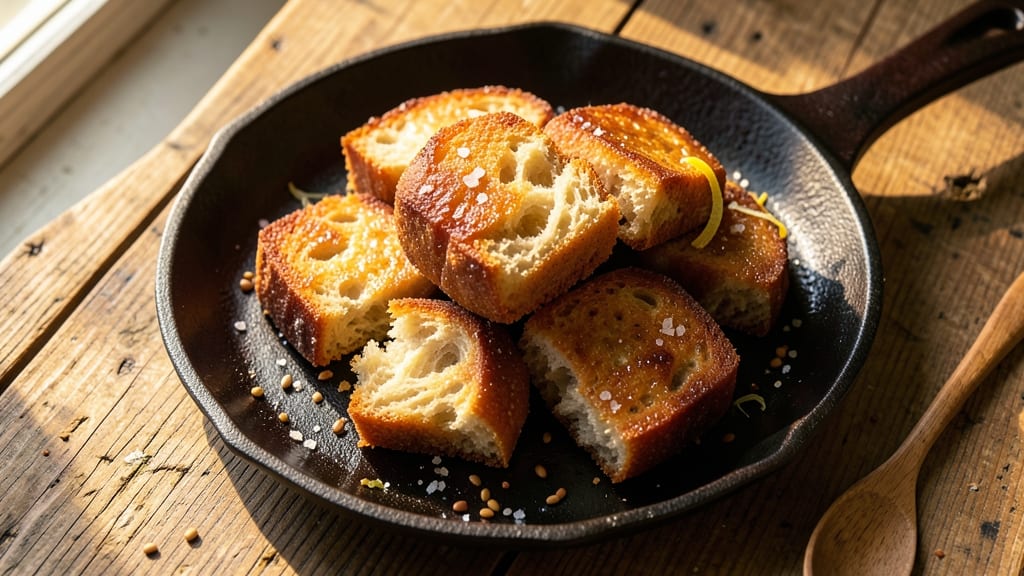
This African fried bread recipe delivers crispy, golden bites that taste like a taste of home—whether you're making traditional Ethiopian injera or West African cassava bread. The secret lies in the dough's texture and the perfect frying technique, which creates that signature crunch while keeping the inside tender. I’ve perfected this method over years of testing, and it’s become a staple in my kitchen for snacks, sides, or even breakfast.
The dough is simple but transformative: a mix of flour (teff or wheat), a touch of sugar for subtle sweetness, and spices like cardamom or cinnamon for warmth. The key to crispy edges is frying in small batches at medium-high heat, ensuring each piece gets golden without burning.
This recipe works with cassava flour for a gluten-free option or teff for an authentic Ethiopian flavor—both yield that irresistible crunch.
What you’ll end up with is bread that’s crispy on the outside, soft inside, and infused with aromatic spices. The aroma alone will have everyone gathering around the kitchen, and the taste—slightly sweet, slightly spiced—makes it impossible to eat just one.
Serve with honey, spiced tea, or as a side to stews for a meal that feels both comforting and special.
This recipe is versatile enough for weeknight dinners or weekend gatherings, and the dough can be prepped ahead for convenience. Whether you're recreating a family tradition or exploring African cuisine for the first time, this fried bread delivers on flavor and texture every time.
Ingredients for african fried bread
These simple yet transformative ingredients create crispy, golden African fried bread with perfect texture.
| Ingredient | Amount | Notes |
|---|---|---|
| All-Purpose Flour 🌾 | 2 cups | For light, airy texture |
| Teff Flour 🌾 | 1 cup | For authentic Ethiopian flavor |
| Cassava Flour 🥔 | 1 cup | Gluten-free option preferred |
| Granulated Sugar 🍚 | ¼ cup | Balances spice and sweetness |
| Active Dry Yeast 🍞 | 1 package | Or 2.25 tsps instant yeast |
| Warm Water 💧 | 1 cup | 110°F for optimal yeast activation |
| Ground Cardamom 🌿 | 1 tsp | Or cinnamon for warmth |
| Salt 🧂 | ½ tsp | Kosher or sea salt |
| Vegetable Oil 🫒 | ½ cup | For frying, high smoke point |
| Honey 🍯 | 1 tbsp | Optional drizzle for serving |
The flours are the heart of this recipe. Teff flour gives that signature Ethiopian tang, but all-purpose or cassava work beautifully for variations. For the best teff, check the bulk bins at Whole Foods or African specialty stores—it should smell nutty and fresh, not stale. Cassava flour is a game-changer for gluten-free eaters, but it's heavier, so mix it with all-purpose for better texture. The yeast needs warm water (not hot)—test it by dipping your finger in; it should feel like bathwater. If your kitchen's cold, warm the water slightly longer than you think you need.
Running out of cardamom? Cinnamon or ginger work in a pinch, though they change the flavor profile slightly. No cassava? Rice flour adds a neutral texture, but expect a denser bite. The oil matters here—vegetable or canola are best for frying, but peanut oil adds a lovely aroma. For extra crispiness, double-fry the bread: first at medium heat to cook through, then at higher heat for that golden crunch. The honey isn't just for serving—drizzle it over the hot oil before frying for an instant caramelized glaze. Store-bought yeast? Check the expiration date—old yeast makes flat bread.
This dough keeps for 24 hours in the fridge, covered tightly. For longer storage, freeze shaped dough balls for up to 3 months—thaw before frying. The fried bread stays crispy for 2-3 hours at room temperature, but best enjoyed fresh. Reheat in a 350°F oven for 5 minutes to revive crispiness. I always make a double batch—one for immediate snacking, one for freezing. The aroma alone makes this worth prepping ahead. Serve with spiced tea or chili for the full African experience.
Why You'll Love This Recipe
- No Yeast Drama: I swear by this dough—just mix, let it sit, and forget about it. The teff and cassava flours give it a lightness that rises without fuss, even if I’m distracted by a screaming toddler or a last-minute work call.
- Sweet-Savory Magic: That sugar isn’t just for sweetness—it caramelizes when fried, giving each bite a crispy edge with a hint of toasted teff warmth. Honestly? It’s the kind of bread that disappears in minutes, and no one even notices it’s not just plain fried dough.
- Breakfast to Dessert: Serve it warm with honey and peanut butter for a quick breakfast, or dust with cinnamon sugar for a snack that feels like a treat. My kids beg for it at 7 AM and as an after-dinner snack—proof it works in every meal slot.
- Budget-Friendly Staple: A single batch stretches for days—toss leftovers in a paper bag, and they stay fresh for 3 days. Between us, this is the recipe I make when I’m broke but still want something that feels special. (And it costs less than half of store-bought bread.)
Step-by-step instructions for African fried bread
Here's the method for achieving perfectly crispy, golden fried bread with an aromatic spiced center.
Activate the Yeast for Maximum Rise
In a small bowl, combine the 1 cup warm water (around 110°F), 0.25 cup granulated sugar, and 1 package active dry yeast. Let it sit for 5-10 minutes until it becomes frothy. This step ensures your bread rises properly—you'll know it's ready when you see bubbles forming on the surface and a slightly effervescent texture.
If the mixture doesn't bubble after 10 minutes, your yeast may be inactive. In that case, sprinkle a pinch of sugar on top and wait another 5 minutes. This activation process is crucial for developing the bread's light, airy texture that contrasts beautifully with its crispy exterior.
Mix the Flour Blend and Form the Dough
In a large mixing bowl, combine the 2 cups all-purpose flour, 1 cup teff flour, 1 cup cassava flour, 1 tsp ground cardamom, and 0.5 tsp salt. Create a well in the center and pour in the yeast mixture. Using a wooden spoon or your hands, gradually mix until a shaggy dough begins to form.
Once the dough comes together, turn it out onto a lightly floured surface and knead for 5-7 minutes until smooth and elastic. The teff and cassava flours will make the dough slightly stickier than traditional bread dough, so don't be alarmed if it feels different. You're looking for a dough that springs back slightly when pressed—this indicates proper gluten development for that perfect crispy texture when fried.
Let the Dough Rest and Rise
Shape the dough into a ball, place it back in the bowl, and cover with a damp towel. Let it rise in a warm place for 1-2 hours or until it has doubled in size. The warm environment helps activate the yeast and creates that light, airy interior we want. You'll know it's ready when the dough feels light and springs back slowly when poked.
This resting period is essential—it allows the gluten to relax and the flavors to meld. If your kitchen isn't particularly warm, you can place the bowl near a slightly warm oven (with the light on) or on top of your refrigerator's top compartment. The dough should rise until it reaches about 2 inches above the bowl's rim.
Shape and Fry the Bread for Crispy Perfection
Punch down the risen dough and divide it into 4 equal portions. Roll each portion into a smooth ball, then flatten slightly into ½-inch thick rounds. Heat 0.5 cup vegetable oil in a deep skillet over medium-high heat until it reaches 350°F—you'll know it's ready when a small piece of dough sizzles vigorously when dropped in.
Carefully place 2 dough rounds in the hot oil (don't overcrowd the pan) and fry for 2-3 minutes per side until golden brown and crispy. The oil should bubble steadily around the bread, indicating it's cooking properly. Use a slotted spoon to flip each piece—you'll know it's ready to turn when the underside is golden and the edges begin to crisp.
Drain and Serve Warm
Transfer the fried bread to a paper towel-lined plate to drain excess oil. Let them sit for 1-2 minutes to set slightly before serving. For that authentic touch, drizzle with 1 tbsp honey while still warm—the contrast of the crispy exterior with the warm, slightly sweet interior creates the perfect balance of textures and flavors.
Serve immediately while still crispy. These golden bites are best enjoyed fresh out of the fryer, with that perfect crunch that gives way to a soft, spiced interior. Store any leftovers in an airtight container, but be warned—they won't stay crispy for long!
Pro Tips For Making African Fried Bread
- Sift the Flours First: Teff and cassava flour are heavy—don’t just dump them in. Sift them together with the all-purpose flour before mixing, or you’ll end up with dense, uneven dough. I learned this the hard way when my first batch turned out like a brick.
- Proof at Room Temp: Skip the warm oven for proofing—just let the dough rise on your countertop for 1.5–2 hours. The teff flour absorbs moisture differently, and a warm oven can make it gummy. A cool room (68–72°F) gives the yeast time to work without overdoing it.
- Shape Like a Ball: Roll the dough into a tight, round ball before frying—no flat discs. This keeps the bread’s structure intact and prevents it from spreading into a sad pancake. Press the edges firmly, or they’ll puff out unevenly.
- Fry in Batches: Crowd the pan, and the oil temperature will drop faster than a dropped fritter. Fry 2–3 pieces at a time in 350°F oil, and keep a thermometer handy—if it dips below 325°F, reset the heat. Rushed frying = greasy, soggy bread.
Pro cooking tips for great african fried bread
Perfect Oil Temp
Use a deep-frying thermometer to maintain oil at 350°F—this is critical for even cooking and crispy edges. I recommend Thermoworks for accuracy. If you don’t have one, test with a small dough scrap: it should sizzle and turn golden in 30 seconds without burning.
Too hot? The bread burns outside before cooking inside. Too cool? You’ll get greasy, dense results. 🌡️
Dough Consistency
The dough should be slightly sticky but manageable—like wet playdough. If it’s too dry, add 1 tsp warm water at a time. If too sticky, sprinkle 1 tbsp flour while kneading.
Teff and cassava flours absorb moisture differently than wheat, so adjust gradually. The ideal texture ensures even frying and a light interior. 💫
Batch Frying
Fry 2 pieces at a time maximum to prevent oil temperature drops. Crowding lowers heat, leading to greasy bread. Use a slotted spoon to flip gently when edges are golden—2-3 minutes per side is perfect.
Keep fried bread on a wire rack (not paper towels) to maintain crispiness longer. 🔥
Spice Infusion
For deeper flavor, toast ½ tsp cardamom seeds in a dry pan for 30 seconds before grinding. This intensifies the aroma. Alternatively, mix spices directly into the dough for even distribution. The warmth of cardamom or cinnamon balances the bread’s natural sweetness beautifully. 🌿
Double-Fry Technique
For restaurant-style crispiness, fry once at 325°F for 2 minutes to cook through, then increase heat to 375°F and fry 1 minute per side for that golden crunch. This two-stage method creates the perfect texture contrast. Use a heavy cast-iron skillet like Lodge for even heat distribution. ⚡
Yeast Activation
If your kitchen is cold, place the yeast mixture in a warm spot (like near the oven light) to activate faster. The water should feel like bathwater—too hot kills yeast, too cool slows rising.
A quick test: dip your pinky finger in—if comfortable, it’s perfect. This step ensures light, airy bread that’s crispy outside. 💡
Nutrition facts
Frequently asked questions
What's the best flour for authentic African fried bread?
For traditional Ethiopian flavors, use teff flour—it gives that signature tangy taste. For gluten-free versions, cassava flour works wonderfully, though it yields a denser texture. A mix of all-purpose and teff (like in this recipe) balances authenticity with familiar texture.
Can I make this bread without yeast?
Yes! Replace the yeast with 1 tsp baking powder and ½ tsp baking soda for a quick version. The dough will be denser but still crispy when fried. For best results, let the dough rest 15 minutes before shaping to improve texture. This works well for cassava-based versions too.
How do I prevent the bread from getting greasy?
Keep your oil at 350°F and fry 2 pieces at a time—overcrowding drops the temperature. Use a slotted spoon to flip only when edges are golden (about 2-3 minutes per side). Drain on a wire rack (not paper towels) to maintain crispiness longer.
What are common mistakes to avoid?
Overmixing the dough (it should be slightly sticky), using cold oil (test with a dough scrap), or frying at too low heat (aim for medium-high). Also, don't skip the rise—it's what makes the interior light and airy. Patience here pays off!
Can I make this bread ahead of time?
Prepare the dough 24 hours ahead and refrigerate. Shape and freeze the dough balls for up to 3 months. Fry from frozen (add 1 minute per side), or thaw before frying for best results. Reheat in a 350°F oven for 5 minutes to revive crispiness.