
Breakfast & Brunch
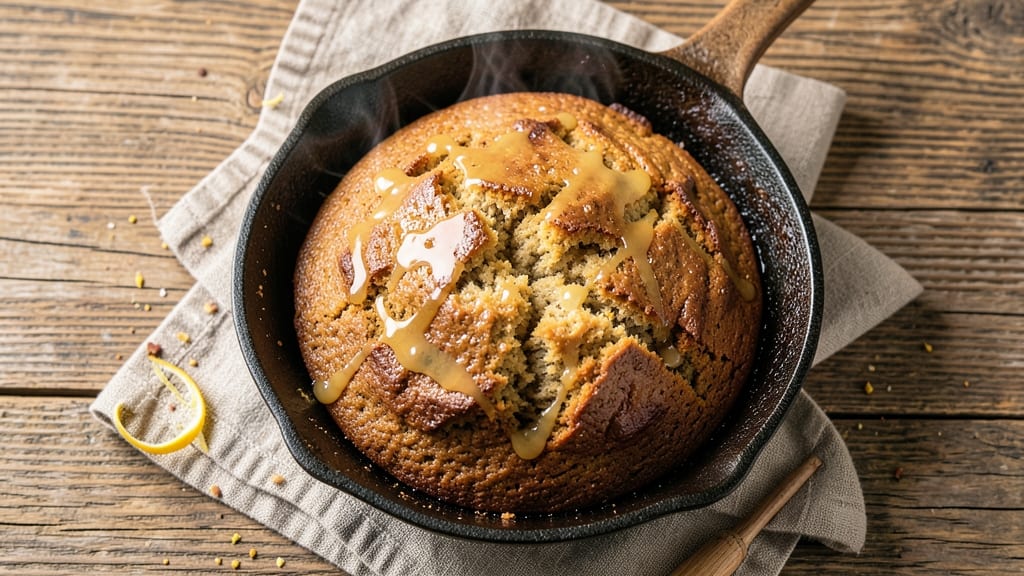
This Albers cornmeal sweet cornbread recipe delivers the perfect balance of buttery crust and tender crumb that’s been a Southern staple for generations. The secret lies in the precise ratio of cornmeal to flour, paired with a touch of sugar that caramelizes beautifully during baking.
I’ve perfected this version to stay moist for days while maintaining that signature golden crust—no dry, crumbly texture here.
What sets this recipe apart is the slow-cooked approach that develops deep, nutty flavors without requiring fancy equipment. A simple mix of cornmeal, flour, sugar, and baking powder creates the ideal structure, while melted butter and buttermilk ensure that moist, slightly sweet crumb we all crave.
The baking time of 25–30 minutes at 375°F guarantees a crust that’s crisp enough to hold up but tender enough to break cleanly.
Once baked, the aroma alone will have everyone heading to the kitchen—imagine that first bite of sweet, buttery crumb with a hint of corn flavor. This cornbread pairs perfectly with honey butter, fresh jam, or even as a side for chili or BBQ.
The recipe is designed to be foolproof, with clear instructions that ensure consistent results every time.
For those looking to adapt, you can easily swap regular cornmeal for gluten-free versions without sacrificing texture or flavor. The key is patience—letting the batter rest for 10 minutes before baking makes all the difference. Ready to bake up a batch that tastes like a piece of Southern tradition?
Ingredients for albers cornmeal sweet cornbread
Eight simple ingredients transform into golden, buttery cornbread with a tender crumb and crisp crust.
| Ingredient | Amount | Notes |
|---|---|---|
| Medium-Grain Cornmeal 🌽 | 2 cups | Stone-ground preferred for texture |
| All-Purpose Flour 🌾 | 1 cup | White or whole wheat blend |
| Granulated Sugar 🍚 | ¼ cup | Light brown sugar for depth |
| Baking Powder 🧂 | 2 tsp | Double-acting preferred |
| Salt 🧂 | ½ tsp | Kosher or sea salt |
| Unsalted Butter 🧈 | ¾ cup | Melted, full-fat preferred |
| Buttermilk 🥛 | 1 cup | Room temperature for best mix |
| Large Eggs 🥚 | 2 whole | Room temperature, beaten |
| Vanilla Extract 🌿 | 1 tsp | Pure vanilla preferred |
| Honey 🍯 | 2 tbsp | Wildflower for floral notes |
The cornmeal is non-negotiable here—stone-ground varieties like Bob’s Red Mill deliver that authentic Southern texture. Southern Living or King Arthur Flour brands are my go-tos for consistency. For the sugar, light brown adds subtle caramel depth without overpowering the corn flavor. The baking powder should be double-acting—single-acting won’t give you that perfect rise. Melt your butter slowly over low heat to avoid burning, and let it cool slightly before mixing. Trader Joe’s sells pre-melted butter in squeeze bottles, which saves time if you’re in a rush.
No buttermilk? Mix 1 tablespoon vinegar or lemon juice with 1 cup milk, let sit 5 minutes. Substituting honey? Maple syrup works 1:1, though it’s slightly less floral. Want extra moisture? Add 1 tablespoon sour cream to the batter. The vanilla extract can be swapped for 1 teaspoon vanilla bean paste if you’re feeling fancy. For gluten-free adaptation, replace 1 cup flour with a 1:1 gluten-free blend—just add 1/4 teaspoon xanthan gum if your blend doesn’t contain it. The eggs are crucial for structure, but if you’re making a vegan version, 2 tablespoons ground flaxseed mixed with 6 tablespoons water works as a binder.
This batter thickens as it sits—rest it 10 minutes before baking for the best texture. The cornbread keeps well for 3 days at room temperature wrapped in foil, or 1 week in the fridge. For longer storage, slice and freeze portions between parchment paper. Reheat slices at 350°F for 5–7 minutes until crispy. The crust gets even better the next day—save leftovers for breakfast with honey butter or jam.
Why You'll Love This Recipe
- Sweet & Simple Mix: I swear by this recipe when I’m too tired to measure more than three things. Just whisk the cornmeal, flour, sugar, and baking powder—no sifting, no fuss—then pour into a hot cast-iron skillet. The medium-grain cornmeal gives it that perfect crumb without gummy texture, and honestly? I’ve made it with my eyes closed.
- Caramelized Edge Magic: That crispy, almost buttery crust? It’s all in the sugar and a splash of milk (if you add it). The moment it pulls away from the pan, it’s got this sweet, toasty bite that makes me want to eat it straight from the skillet. (Yes, even on a Tuesday night.)
- Breakfast to Dessert: Serve it warm with honey butter for breakfast, tear it into squares for a picnic, or use it to soak up gravy at dinner. My kids ask for it at all three meals—no joke. The sugar keeps it sweet enough to stand alone, but it’s never cloying.
- Pantry Goldmine: I keep a bag of medium-grain cornmeal and flour on hand just for this. It’s cheaper than buying pre-made cornbread, and a single batch stretches into three days of snacks or sides. Plus, the leftovers reheat like a dream—crispy outside, soft inside, every time.
Step-by-step instructions for Albers cornmeal sweet cornbread
Here's the method for golden, buttery cornbread with a crisp crust and tender crumb.
Melt the Butter and Mix Dry Ingredients
In a medium saucepan, melt the 0.75 cup unsalted butter over low heat until completely liquid but not browned. While the butter melts, combine the 2 cups medium-grain cornmeal, 1 cup all-purpose flour, 0.25 cup granulated sugar, 2 teaspoons baking powder, and 0.5 teaspoon salt in a large mixing bowl. Whisk these dry ingredients together until evenly distributed—this ensures consistent texture throughout the cornbread.
I always use a whisk for this step because it prevents clumping, especially with the cornmeal. If you notice any lumps, press them through a fine-mesh strainer to maintain a smooth batter. The melted butter should be just warm to the touch when you're ready to combine it—this prevents the butter from cooling and creating pockets of unmelted fat in your cornbread.
Combine Wet Ingredients and Incorporate Butter
In a separate bowl, whisk together the 1 cup buttermilk, 2 whole large eggs, 1 teaspoon vanilla extract, and 2 tablespoons honey until fully combined. The mixture should be smooth with no visible streaks of egg whites. Room-temperature ingredients blend better, so if your eggs or buttermilk are cold, let them sit at room temperature for 10 minutes before mixing.
With the mixer on low speed, gradually pour the wet ingredients into the dry ingredients while mixing continuously. Then, slowly drizzle in the melted butter, mixing just until combined. Overmixing develops gluten and can make the cornbread dense, so stop as soon as all ingredients are incorporated—you should still see some cornmeal flecks in the batter. The batter should be thick but pourable, similar to pancake batter.
Prepare the Pan and Bake
Preheat your oven to 425°F and lightly grease an 8-inch cast-iron skillet or baking dish with butter or cooking spray. The cast iron is ideal because it retains heat and creates that perfect crisp crust. Pour the batter into the prepared pan and spread it evenly with a spatula, tapping the pan gently on the counter to eliminate any air bubbles.
Bake for 20-25 minutes until the top is deep golden brown and a toothpick inserted into the center comes out clean. The edges should pull away slightly from the pan, indicating it's fully baked. If the top browns too quickly, tent the pan with foil to prevent burning while allowing the center to cook through. The cornbread is done when it sounds hollow when tapped on the bottom.
Rest and Serve
Remove the cornbread from the oven and let it cool in the pan for 5 minutes. This resting period allows the internal structure to set, making it easier to slice without crumbling. Transfer the cornbread to a wire rack and let it cool completely before serving—this enhances the texture contrast between the crisp exterior and tender interior.
Slice into wedges or squares and serve warm with honey butter, whipped cream, or fresh berries. The cornbread should have a golden, crackly crust with a moist, slightly sweet crumb that's perfectly balanced by the buttery richness. Store any leftovers in an airtight container at room temperature for up to 3 days, or freeze for longer storage.
Pro Tips For Making Albers Cornmeal Sweet Cornbread
- Mix Dry Ingredients First: I learned this the hard way—skipping the step of whisking cornmeal, flour, sugar, baking powder, and salt together before adding liquid leads to dense, uneven crumb. Take 30 seconds to combine them in a bowl until no dry spots remain. The sugar likes to clump, and the cornmeal can get lumpy if you rush.
- Use Buttermilk, Not Milk: This isn’t just a substitution—it’s the thing that matters most for that signature tang and moisture. If you’re out, mix 1 tablespoon vinegar or lemon juice into warm milk and let it sit for 5 minutes. Cold buttermilk works, but room-temperature blends better with the cornmeal for a lighter texture.
- Preheat Pan on Medium-High: High heat is for crispy edges, but medium-high (around 375°F) is where this cornbread shines. Too hot, and the outside burns before the center sets; too low, and it steams into a gummy mess. Grease that cast-iron or baking dish well—about 2 tablespoons of butter or oil—so it doesn’t stick when you flip it (yes, you’ll want to).
- Let It Rest After Baking: I know, I know—you’re starving. But give it a solid 5-10 minutes under foil before slicing. The residual heat finishes cooking the center while keeping the crumb tender. Cutting too soon makes it crumbly and dry. If you’re impatient, at least tent it loosely with foil to trap steam.
Pro cooking tips for great albers cornmeal sweet cornbread
Butter Temperature Matters
The secret to that perfect golden crust lies in your butter's temperature. Melt it over low heat until it's completely liquid but not hot to the touch—110-115°F is ideal. If it's too hot, it'll cook the cornmeal too quickly, creating a gummy texture.
I like to test it by letting a drop cool on my wrist for 5 seconds before mixing. For extra insurance, let it sit at room temperature for 5 minutes after melting before combining with other ingredients. 🌡️
Batter Resting Time
Don't rush the 10-minute rest after mixing! This crucial step allows the cornmeal to hydrate properly and prevents a dense, crumbly texture. I set a timer and let the batter sit at room temperature while I preheat the oven.
The resting period also helps distribute the honey and vanilla evenly throughout the batter, enhancing those sweet, floral notes in every bite.
Cast Iron is Non-Negotiable
For that signature crisp crust, you need cast iron—no substitutes! The heavy metal conducts heat evenly and creates the perfect Maillard reaction on the crust while keeping the interior moist.
If you don't have cast iron, a dark metal baking pan works in a pinch, but it won't give the same depth of flavor. Always preheat your pan in the oven for 5 minutes before adding the batter to ensure even cooking.
Baking Powder Check
Double-check your baking powder is fresh—old baking powder loses its lift. The test is simple: Mix 1 teaspoon baking powder with 3 tablespoons hot water in a small bowl. If it bubbles vigorously, it's good to go.
I keep a small container of baking powder in my pantry and replace it every 6 months, even if the box says "best by" later. Fresh baking powder makes all the difference in achieving that perfect rise.
Honey's Role in Moisture
The 2 tablespoons honey isn't just for sweetness—it's a moisture retainer. Honey's natural humectant properties keep the cornbread tender for days. For best results, use wildflower honey as it has a more complex flavor profile.
If you're watching your sugar intake, you can reduce the honey to 1 tablespoon and add 1 tablespoon maple syrup instead, though the flavor will be slightly less floral.
Oven Temperature Stability
Your oven's accuracy is critical here. Most home ovens run hotter than their settings, so I recommend calibrating yours with an oven thermometer.
For this recipe, aim for 425°F—any lower and the crust won't develop properly, any higher and the exterior will burn before the interior cooks through. If your oven tends to run hot, reduce the temperature to 400°F and add 2-3 minutes to the baking time. 🔥
Nutrition facts
Frequently asked questions
Why does your recipe use both cornmeal and flour?
The cornmeal gives that authentic, slightly gritty texture we love in Southern cornbread, while the flour provides structure and a lighter crumb. The 2:1 ratio of cornmeal to flour creates the perfect balance between rustic texture and tender bite. Using only cornmeal would make it too dense, and too much flour would lose that signature corn flavor.
Can I make this cornbread without buttermilk?
Mix 1 tablespoon vinegar or lemon juice with 1 cup milk, then let it sit for 5 minutes until it curdles. This creates the same acidic reaction as buttermilk. For extra richness, you could also use 1 cup plain yogurt instead—just reduce the liquid slightly to account for its thicker consistency.
How do I prevent my cornbread from being too dry?
Keep your butter warm (not hot) when mixing, and never overmix the batter—stop as soon as all ingredients are combined. The 10-minute rest before baking is crucial for proper hydration. For extra moisture, brush the warm cornbread with melted butter after baking. Storing it in an airtight container also helps maintain freshness for days.
What's the best way to reheat leftover cornbread?
Slice the cornbread and warm it in a 350°F oven for 5-7 minutes until crispy again. For a quicker method, wrap slices in foil and microwave for 20-30 seconds, then finish under a broiler for 1-2 minutes to restore that crisp crust. Never microwave uncovered—it makes cornbread rubbery!
Can I make this gluten-free?
Yes! Replace the 1 cup flour with a 1:1 gluten-free flour blend and add 1/4 teaspoon xanthan gum if your blend doesn't contain it. Use the same cornmeal quantity for best texture. The gluten-free version will be slightly denser but still delicious when served warm with honey butter.