
Side Dishes
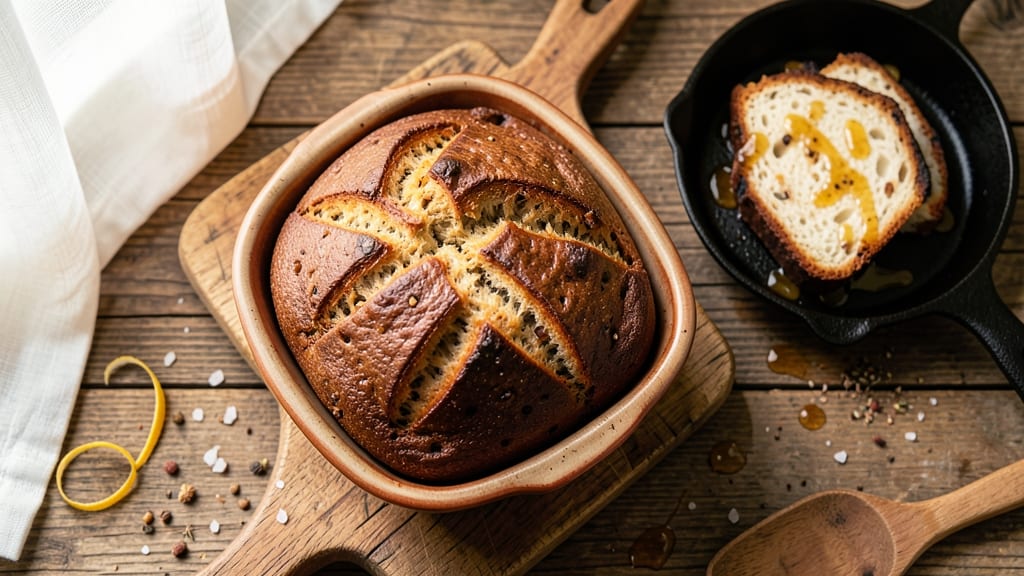
This ale bread recipe transforms simple flour and yeast into a loaf bursting with malty sweetness and subtle hop aroma—perfect for pairing with hearty stews or savoring with butter.
The key lies in using ale instead of water, which infuses the dough with depth and creates a tender, slightly chewy crumb. I’ve perfected this method over years of baking, ensuring every slice delivers that perfect balance of rustic texture and rich flavor.
The process begins with mixing warm ale into your dough, which not only enhances flavor but also activates the yeast for a lighter rise. Kneading develops gluten for structure, while proofing allows the dough to develop its signature aroma.
Shaping and baking complete the transformation, yielding a golden-brown loaf with a crisp crust and moist interior. This bread is ideal for toasting or serving alongside soups, where its malty notes complement rich dishes beautifully.
What sets this ale bread apart is its versatility—you can adapt it with whole-grain flour or even a sourdough starter for added complexity. The ale’s natural sweetness and bitterness create a harmonious flavor profile that’s both comforting and sophisticated.
Whether you’re baking for a cozy dinner or prepping for a gathering, this recipe delivers a loaf that feels like a hug in every bite.
Ready in about 3 hours (including proofing), this bread is a rewarding project that yields impressive results. The secret to success? Patience during proofing and baking at the right temperature to achieve that perfect crust.
Once you taste the difference ale makes, you’ll never go back to plain water dough again.
Ingredients for ale bread
Four cups flour kickstarts this malty masterpiece—ale and butter transform it into golden, hop-scented perfection.
| Ingredient | Amount | Notes |
|---|---|---|
| All-Purpose Flour 🌾 | 4 cups | Plus 2 tbsp for dusting |
| Active Dry Yeast 🍞 | ¼ oz | Or 2 1/4 tsp |
| Dark Brown Sugar 🍚 | ¼ cup | Enhances malty flavor |
| Unsalted Butter 🧈 | ½ cup | Cold, cubed for texture |
| Ale (Dark or Amber) 🍺 | 1 ½ cups | Warm to 100°F |
| Large Eggs 🥚 | 1 whole | Room temperature |
| Salt 🧂 | 1 ½ tsp | Diamond Crystal preferred |
| Honey 🍯 | 1 tbsp | For yeast activation |
| Cornmeal 🌽 | ¼ cup | For dusting bread pan |
The ale is non-negotiable here—dark or amber styles work best, like Guinness or Sierra Nevada Pale Ale. Warm it gently (microwave 45 seconds, stir) to activate the yeast without killing it. If you can't find ale, strong black tea with a splash of molasses mimics the depth. For the yeast, check expiration dates—old yeast equals weak rise. I always buy mine from King Arthur Flour or Whole Foods bulk bins where it stays fresh. The butter? European-style has more flavor, but any unsalted works—just don't use salted or your bread will taste flat.
No ale? Substitute with warm water plus 1 tbsp malt syrup for a hint of sweetness. Ran out of brown sugar? Maple syrup at half the amount gives similar caramel notes. The honey can be swapped for agave nectar, but it won't add that same floral depth. For a gluten-free version, substitute 1:1 gluten-free flour blend—just know the texture will be denser. And if you're feeling adventurous, add 1 tsp dried rosemary to the dough for an herbal twist. The cornmeal is optional but creates that perfect crust—skip it if you're baking in a well-seasoned pan.
This dough is a patient's game—proof it until it's doubled in size (about 1-2 hours), then bake at 375°F for 30-35 minutes until golden. Store wrapped at room temp for 2 days or freeze slices for 3 months. Pro tip: Toast directly from the freezer—it crisps up like a dream. Leftovers? Toss in the toaster with butter for breakfast or crumble over soups. The flavor actually improves the next day as the hops mellow out—trust the process!
Why You'll Love This Recipe
- No-Knead Magic: I swear by this—just mix the dough, let it rise while I sip my morning coffee, and boom. The ale’s deep maltiness does all the work for you, while the brown sugar caramelizes into something almost too good to share.
- Rich, Toasty Depth: That dark brown sugar and ale combo? It’s like a hug in bread form—sweet, smoky, and just a little boozy. The butter makes it tender, but the crust? Crisp enough to hold your morning jam without crumbling.
- Game for Any Meal: I keep a loaf in the freezer for lazy mornings (toast it straight from frozen) or pack slices for sandwiches all week. It’s the star of my charcuterie board too—no one guesses it’s just flour, yeast, and a splash of ale.
- Budget-Friendly Luxury: A single bottle of ale stretches into two loaves, and the dough’s forgiving. Overproofed? Underproofed? The brown sugar masks a lot. Plus, it’s cheaper than buying artisanal bread—and way more satisfying.
Step-by-step instructions for ale bread recipe
Let's create a rich, malty loaf that captures the essence of ale in every bite.
Activate the Yeast with Honey and Warm Ale
In a small bowl, combine the 1.5 cups ale (dark or amber) with the 1 tbsp honey and stir until the honey dissolves completely. Warm the mixture in a microwave-safe bowl for 30-45 seconds until it reaches 100°F—it should feel warm to the touch but not hot. Sprinkle the 0.25 oz active dry yeast over the liquid and let it sit for 5-10 minutes until foamy.
This step is crucial because the yeast needs the right temperature to activate properly. If it doesn't foam, your bread won't rise. I always check the temperature with a thermometer—too hot and you'll kill the yeast; too cold and it won't wake up. The honey not only feeds the yeast but also enhances the malty flavor of the ale.
Mix the Dough with Butter and Sugar
In the bowl of a stand mixer fitted with the dough hook, combine the 4 cups all-purpose flour and 1.5 tsp salt. Add the yeast mixture and mix on low speed for 1 minute until combined. Then add the 0.25 cup dark brown sugar and the 1 whole large egg, mixing until the dough begins to come together.
Next, cut the 0.5 cup unsalted butter into small cubes and add them to the dough. Mix on medium speed for 3-4 minutes until the dough pulls away from the sides of the bowl and forms a smooth, elastic ball. If the dough feels sticky, add 1-2 tbsp more flour, but don't overdo it—you want a slightly tacky dough for that perfect texture.
Knead Until Smooth and Elastic
Continue kneading the dough on medium speed for an additional 5-7 minutes until it's smooth, elastic, and springs back when poked. You'll know it's ready when it passes the "windowpane test"—stretch a small piece of dough thin enough to see light through it without tearing.
I always knead by hand if I'm feeling nostalgic, but the mixer makes this step effortless. The butter needs to be fully incorporated to create that tender, flaky crumb. If the dough feels too warm after kneading, let it rest for 5 minutes before proceeding—this prevents overproofing later.
First Rise and Shape the Loaf
Lightly grease a large bowl with a bit of olive oil (not listed, but trust me—it helps) and place the dough inside. Cover the bowl with a damp towel and let it rise in a warm place for 1-1.5 hours or until it has doubled in size. The dough should feel light and airy, with just a slight resistance when pressed gently.
Once doubled, punch down the dough to release any air bubbles. Turn it out onto a lightly floured surface and shape it into a loaf. I like to roll it gently into a log shape, tucking the ends under to seal it. Place the shaped loaf seam-side down in a greased 9x5-inch loaf pan (not listed, but essential). Sprinkle the 0.25 cup cornmeal over the bottom of the pan first to prevent sticking.
Final Rise and Bake to Golden Perfection
Cover the loaf pan with the damp towel again and let it rise for another 30-45 minutes until it's just about to overflow the pan. Preheat your oven to 375°F while the bread rises. When ready, bake the loaf for 35-40 minutes until it's deep golden brown and sounds hollow when tapped on the bottom.
For that perfect crust, I brush the top with a little more ale or water right before baking. The steam helps create a beautiful, crackly crust. Let the bread cool in the pan for 10 minutes before transferring it to a wire rack. Slice it warm for the best texture—you'll love how the malty sweetness of the ale shines through in every bite!
Pro Tips For Making Ale Bread
- Warm the Ale First: Pour your ale into a measuring cup and let it sit at room temperature for at least 10 minutes before mixing. Cold ale slows yeast activation—this small step guarantees a faster, more reliable rise. (I used to skip it and wonder why my dough took forever.)
- Whisk the Yeast Dry: Sprinkle the active dry yeast directly into the flour before adding ale—it absorbs moisture faster this way. No need to pre-dissolve it; just let the liquid from the ale do the work. (Yes, even if you’re impatient like me.)
- Don’t Overmix the Dough: Mix just until the flour is hydrated—about 2 minutes by hand or 3-4 with a dough hook. Overworking develops gluten too much, making the bread dense instead of tender. (I learned this after kneading for 10 minutes and getting a brick.)
- Use a Digital Thermometer: Check your oven’s internal temp before baking—aim for 375°F (190°C). Many ovens run hot or cold, and ale bread’s crust relies on even heat. (I was skeptical until I tried it—now I never bake without one.)
Troubleshooting perfect results
Dense Dough Troubles
If your ale bread turns out dense instead of light, it’s likely due to over-kneading or yeast issues. I’ve found that kneading for more than 8-10 minutes total can break down the gluten too much, making the crumb tight.
To fix this, reduce kneading time to 5-7 minutes and focus on creating a smooth, elastic dough without overworking it. Also, double-check your yeast—if it’s old or stored improperly, it won’t activate properly, leading to a flat loaf. 💡
Poor Rise Problems
A dough that doesn’t rise enough often stems from temperature issues or yeast failure. The ale should be warm (100°F) but not hot—if it’s too hot, it kills the yeast. Use a kitchen thermometer to confirm.
If your dough rises slowly or not at all, try replacing the yeast with 1 packet (2¼ tsp) rapid-rise yeast or proof it in a slightly warmer spot, like near the oven with the light on.
For extra insurance, add ½ tsp sugar to the yeast mixture to give it a quick energy boost.
Crust Too Pale
A pale crust usually means the bread didn’t bake long enough or the oven wasn’t hot enough. Preheat your oven for at least 30 minutes before baking, and use an oven thermometer to confirm it’s at 375°F.
If your oven runs hot or cold, adjust the temperature by 25°F. For a deeper color, brush the loaf with egg wash or a little more ale before baking. I also recommend baking on the middle rack—this ensures even heat distribution and a golden crust. 🔥
Sticky Dough Nightmare
Sticky dough is normal with ale bread, but if it’s unbearable, you’re likely adding too much flour. The ale’s moisture content means the dough should be slightly tacky but not gluey.
To fix this, reduce flour additions to 1 tbsp at a time and focus on kneading the dough longer to develop gluten naturally. If it’s still too sticky, chill the dough for 30 minutes before shaping—this firms it up and makes handling easier.
Avoid over-flouring the surface when shaping, as this can create a dry crust.
Bread Tastes Flat
Flat flavor often happens when the ale isn’t warm enough to activate the yeast properly or if the bread is sliced too soon. Always warm the ale to 100°F and let it sit with yeast until foamy.
For extra depth, add 1 tsp malt powder or ½ tsp smoked paprika to the dough. If the bread tastes bland after baking, let it cool completely before slicing—this allows the flavors to meld.
For a richer taste, brush warm slices with melted butter and a sprinkle of flaky sea salt right before serving. ✨
Overproofed Dough
Overproofing happens when the dough rises too long, causing a collapsed loaf with poor texture. To prevent this, keep an eye on the dough—it should double in size within 1-1.5 hours. If it’s taking longer, your kitchen might be too cold.
Place the dough in a warm spot, like a turned-off oven with the light on, to speed up proofing. If you accidentally overproof, punch down the dough gently and let it rest for 10-15 minutes before shaping.
This gives the gluten time to relax and helps the loaf rise properly in the pan.
Nutrition facts
Frequently asked questions
Can I substitute ale with another liquid?
Yes! If you can't find ale, use warm water plus 1 tbsp malt syrup for similar sweetness, or strong black tea with 1 tbsp molasses for depth. For a lighter flavor, warm milk works too—but the malty character will be milder. The key is balancing liquid and sweetness to keep the yeast active.
How do I know when the dough is fully proofed?
The dough is ready when it's doubled in size and springs back slowly when gently pressed. For ale bread, this usually takes 1-1.5 hours in a warm spot. If it rises too fast, your kitchen is too warm—cover it with a damp towel to slow the process. Overproofing leads to a dense loaf, so keep an eye on it!
Why does my ale bread taste bitter?
Excessive bitterness usually comes from using a very hop-forward ale (like IPA) or overbaking. For balanced flavor, choose amber or dark ale (like Guinness or Sierra Nevada Pale Ale). If the bitterness lingers, reduce baking time by 5 minutes—the crust should be golden, not dark brown. A pinch of sugar in the dough can also mellow harsh notes.
Can I make this bread without a loaf pan?
Shape the dough into a free-form loaf or boule, place it on a parchment-lined baking sheet, and bake at 375°F for 30-35 minutes. For extra crust color, brush with ale or egg wash before baking. Just note the texture will be slightly denser without the pan's containment. A Dutch oven yields the best results for an even crust.
How long does ale bread stay fresh?
Wrapped at room temperature, it stays fresh for 2-3 days. For longer storage, slice and freeze individual portions for up to 3 months. Toast directly from frozen—it crisps beautifully! The flavor actually improves slightly after the first day as the ale's aromas develop. Store in an airtight container to maintain moisture.