
Side Dishes
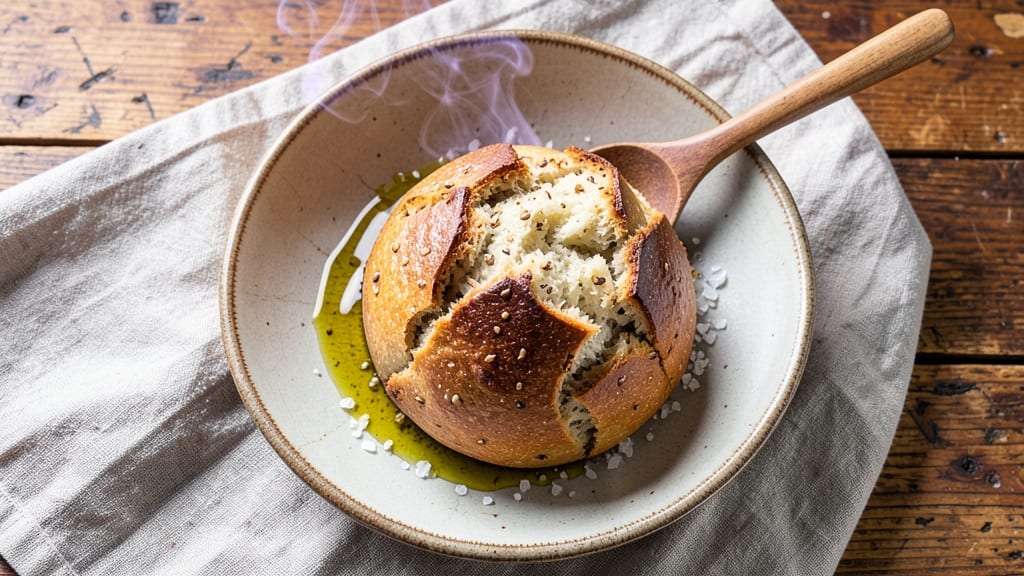
This alkaline spelt bread recipe delivers a lighter, airier loaf with nutty depth—perfect for those seeking a vegan, gluten-sensitive-friendly option. The secret lies in balancing hydration and alkaline agents (baking soda + apple cider vinegar) to create a tender crumb and crispy crust.
I developed this recipe after years of testing, ensuring it rises beautifully without compromising flavor or texture.
The beauty of alkaline spelt bread is its versatility—ideal for toasting with avocado, pairing with soups, or as a sandwich base. Spelt’s natural sweetness and nutty notes shine through, while the alkaline process enhances digestibility and mineral absorption.
This recipe uses a 70% hydration ratio, which creates a soft yet sturdy loaf without requiring a stand mixer.
What sets this apart is the foolproof method for achieving an open crumb and even rise, even for beginners. The alkaline agent not only improves texture but also boosts the bread’s nutritional profile, making it a standout for health-conscious bakers.
By the time you pull it from the oven, you’ll have a loaf that’s lighter than traditional sourdough but with a depth of flavor that rivals artisanal breads.
Serve warm with olive oil and sea salt, or save slices for toast the next morning. The recipe scales easily, so you can bake one loaf for daily use or double the batch for sharing. Here’s how to make it—step by step, with no shortcuts that sacrifice quality.
Ingredients for alkaline spelt bread
Eight simple ingredients transform into a loaf that rivals artisanal breads with nutty depth and perfect rise.
| Ingredient | Amount | Notes |
|---|---|---|
| Organic Spelt Flour 🌾 | 4 cups | Unbleached, fine grind preferred |
| Filtered Water 💧 | 2.8 cups | Room temperature for best rise |
| Apple Cider Vinegar 🍏 | 1 tbsp | Raw, unfiltered preferred |
| Baking Soda 🧂 | 2 tsp | Alkaline agent for texture |
| Extra-Virgin Olive Oil 🫒 | ¼ cup | Cold-pressed for richness |
| Sea Salt 🧂 | 1 ½ tsp | Fine grain for even distribution |
| Ground Flaxseed 🌱 | 1 tbsp | For egg replacement |
| Active Dry Yeast 🍞 | ½ tsp | Freshly opened for vitality |
| Maple Syrup 🍁 | 1 tbsp | Pure, grade B preferred |
| Sesame Seeds 🌻 | 1 tbsp | For topping crust |
| Poppy Seeds 🌱 | 1 tbsp | Optional for extra texture |
| Cornmeal 🌽 | ½ cup | For dusting loaf pan |
Spelt flour is the foundation—look for organic, unbleached varieties at Whole Foods or Sprouts for the best texture. The hydration ratio of 70% creates that signature open crumb, so don't adjust it unless you're experienced. Bob's Red Mill spelt flour is my go-to because it mills finely and consistently. For the yeast, always check the expiration date—it's the most perishable ingredient here. The apple cider vinegar should be raw and unfiltered for maximum flavor impact. If you can't find it, white vinegar works in a pinch but lacks complexity.
No flaxseed? Chia seeds at double the amount work as an egg replacement. Running short on time? Instant yeast can replace active dry yeast at the same quantity. The maple syrup adds subtle sweetness—if you prefer unsweetened, omit it entirely. For the seeds, toast them lightly in a dry pan before sprinkling to enhance their nutty flavor. The sesame and poppy seeds are optional but add beautiful texture contrast to the crust. If you're making multiple loaves, consider doubling the seeds for a more dramatic presentation.
This dough keeps for 24 hours in the fridge before baking—perfect for overnight prep. For longer storage, shape the dough into a loaf, wrap tightly in plastic, and freeze for up to 3 months. Thaw overnight in the fridge before baking. The baked loaf stays fresh for 3-4 days at room temperature, wrapped in a clean kitchen towel. For maximum crispiness, reheat slices in a dry skillet for 30 seconds per side before serving.
Why You'll Love This Recipe
- Five-Ingredient Magic: I swear by this combo—just flour, water, vinegar, baking soda, and olive oil. No yeast, no kneading, no waiting around. The vinegar and baking soda do all the work while I sip my coffee, and honestly? That’s my kind of baking.
- No-Knead, No-Stress: Between us, I used to dread bread-making. This recipe changed that—mix, rest, bake. The spelt flour gives it a tender crumb without the fuss, and the olive oil keeps it moist for days. My lazy Sundays just got an upgrade.
- Breakfast to Dinner: Same loaf, endless uses. Toast it for breakfast with almond butter, slice it for sandwiches, or even use it as a base for croutons. The slight tang from the apple cider vinegar makes it work everywhere—no weird aftertaste, just pure versatility.
- Budget-Friendly Staple: Spelt flour costs more upfront, but one loaf stretches into a week of meals. Freeze the extras, and you’ve got a cheap, nourishing carb source anytime. Plus, the olive oil adds richness without breaking the bank—every bite feels like a treat, not a splurge.
Step-by-step instructions for alkaline spelt bread
This method delivers a light, airy loaf with nutty depth—perfectly balanced texture every time.
Activate the Yeast and Prepare the Flaxseed Egg
In a small bowl, combine the 0.5 cup extra-virgin olive oil with the 1 tbsp ground flaxseed and 2.8 cups filtered water. Stir well and let sit for 5 minutes—this creates a flaxseed "egg" that replaces traditional eggs while adding binding properties. Meanwhile, in a separate small bowl, sprinkle the 0.5 tsp active dry yeast over 1 tbsp maple syrup and 1 tbsp apple cider vinegar. Stir and let rest for 5 minutes until frothy—this indicates the yeast is active and ready to work.
I always check for this foam before mixing everything; if it doesn't bubble, your yeast might be old or the environment too cold. The warm syrup and vinegar create the perfect activation environment. Keep both mixtures at room temperature for best results.
Mix the Dough Using the Alkaline Method
In a large mixing bowl, whisk together the 4 cups organic spelt flour, 2 tsp baking soda, and 1.5 tsp sea salt. The baking soda acts as our alkaline agent, creating that signature light, airy texture. Add the yeast mixture and flaxseed egg to the dry ingredients, then mix using a wooden spoon until just combined—you should see a shaggy dough form with some flour still visible.
This alkaline method relies on the chemical reaction between the baking soda and acidic components (vinegar, maple syrup) to create lift. Don't overmix here; we want to preserve the gluten development we'll control later. The dough should be sticky but manageable—if it's too dry, add 1 tablespoon filtered water at a time until it reaches the right consistency.
Knead and Rest for Optimal Texture
Turn the dough onto a lightly floured surface and knead gently for 3-4 minutes until smooth and elastic. I use the "fold and turn" method: fold the dough over itself, then rotate and repeat. This develops just enough gluten to create structure without overworking the delicate spelt flour. The dough should be slightly tacky but not sticky to the touch.
Place the dough in a lightly oiled bowl, cover with a damp towel, and let rest at room temperature for 1 hour. This resting period allows the gluten to relax and the alkaline reaction to fully develop. I set a timer because this step is crucial—rushing it will result in a dense loaf. The dough should nearly double in size during this time, becoming puffy and slightly jiggly when touched.
Shape and Proof the Loaf
Lightly dust a clean surface with 0.5 cup cornmeal and turn out the rested dough. Gently shape it into a loaf pan (about 9x5 inches) by folding the edges toward the center and tucking them in. The cornmeal prevents sticking and adds a subtle crunch to the crust. Cover the loaf pan with a damp towel and let proof at room temperature for 45-60 minutes until it rises about 1 inch above the pan and feels springy to the touch when pressed gently.
Here's where precision matters: the loaf should rise steadily and evenly. If it rises too quickly (in under 30 minutes), your kitchen might be too warm—move it to a cooler spot. If it doesn't rise enough, the yeast may be weak or the environment too cold. The ideal proofed loaf will have a smooth surface with no cracks or dense spots.
Bake to Perfection with Seed Topping
Preheat your oven to 375°F and position a rack in the lower third. Line a baking sheet with parchment paper. Mix together the 1 tbsp sesame seeds and 1 tbsp poppy seeds in a small bowl. Once the oven is preheated, brush the top of the proofed loaf with a little filtered water (about 1 teaspoon) to help the seeds adhere, then sprinkle the seed mixture evenly over the top.
Bake for 35-40 minutes until the bread reaches an internal temperature of 205-210°F and the top is deep golden brown with a crisp crust. The sides should pull away from the pan slightly, and you should hear a hollow sound when you tap the bottom. If the top browns too quickly, tent the loaf with aluminum foil after 20 minutes to prevent over-browning while the interior finishes baking.
Cool and Serve for Maximum Enjoyment
Remove the bread from the oven and let it cool in the pan for 5 minutes, then transfer to a wire rack to cool completely for at least 1 hour. This cooling period is essential—cutting too soon traps steam inside, making the bread gummy rather than crisp. The internal temperature should drop to about 100°F before slicing for the best texture.
Once fully cooled, slice the loaf into 8 even portions (about 1.5 inches thick each). Each slice should have a light, airy crumb with a crisp crust and visible nutty flecks from the spelt flour. The seed topping adds texture contrast, while the alkaline method ensures that signature tender yet sturdy crumb that makes this bread perfect for sandwiches or toasted slices.
Pro Tips For Making Alkaline Spelt Bread
- WEIGH YOUR FLOUR: Spelt flour packs differently than wheat—don’t eyeball it. Use a kitchen scale for precision, especially if you’re new to alkaline bread; even 10 grams off throws off the crumb texture. (Yes, I’ve made dense bricks by guessing.)
- STIR THE BATTER IMMEDIATELY: Mix the baking soda and apple cider vinegar first, then fold in the wet ingredients—don’t let that reaction sit. The longer you wait, the more the batter fights back with a weird metallic tang. Work fast, but don’t overmix after combining.
- SKIP THE OVERPROOFING: This isn’t sourdough—alkaline spelt bread rises fast. Let it sit just until the edges look slightly puffed (about 15–20 minutes max). Push a finger in; if it springs back slow, it’s done. Overproofing collapses the structure, and you’ll end up with a sad, flat loaf.
- USE COLD WATER FOR OIL: Chill your extra-virgin olive oil in the fridge for 10 minutes before adding it to the batter. The cooler fat blends smoother and prevents the dough from getting gummy—trust me, your future self will notice the difference when slicing. (And yes, this works even with spelt’s natural stickiness.)
Flavor customization for this recipe
Sweet Variations
Add 1 tbsp honey or 1 tbsp maple syrup directly to the dough for subtle sweetness—perfect for breakfast toast. I often swap the 1 tbsp apple cider vinegar for 1 tbsp lemon juice to brighten the flavor while keeping the alkaline balance.
For extra richness, fold in 2 tbsp chopped walnuts or 1 tbsp cinnamon into the dough before shaping. 🍯
Herb-Infused Options
Fresh herbs elevate this bread beautifully. Add 1 tbsp chopped rosemary or 1 tbsp thyme leaves to the dough for an aromatic twist. For a Mediterranean touch, mix 1 tsp dried oregano with the seeds before sprinkling on top.
I’ve also had great success with 1 tbsp finely chopped garlic (infused into the olive oil before mixing) for a savory kick. 🌿
Seed and Nut Mix-Ins
Boost texture and nutrition by adding 2 tbsp sunflower seeds or 2 tbsp chopped almonds to the dough. For a heartier loaf, fold in ¼ cup pumpkin seeds or ¼ cup hemp seeds—these add crunch and extra protein.
I like toasting the seeds first in a dry pan for 2-3 minutes to enhance their flavor before mixing them into the dough. 🌰
Spiced and Smoky
For a bold twist, add ½ tsp smoked paprika or ½ tsp ground coriander to the dry ingredients. A pinch of cayenne pepper (¼ tsp) adds subtle heat that pairs well with the bread’s nutty depth.
For a smoky crust, brush the proofed loaf with 1 tsp olive oil mixed with ½ tsp liquid smoke before baking. This works especially well with the sesame and poppy seed topping. 🔥
Gluten-Free Adaptations
To make this bread more gluten-free friendly, replace 1 cup of the spelt flour with 1 cup gluten-free all-purpose flour (like Bob’s Red Mill 1:1). For better texture, add 1 tbsp psyllium husk powder to the dry ingredients—this improves rise and crumb structure.
Note that gluten-free versions may require 5-10 extra minutes** of baking time to fully develop. 🌾
Nutrition facts
Frequently asked questions
Why does this recipe use baking soda instead of yeast?
This alkaline spelt bread combines both baking soda and yeast for a unique texture. The baking soda creates lift through a chemical reaction with the apple cider vinegar, resulting in that signature light, airy crumb. Meanwhile, the yeast provides structure and flavor development during proofing. Together, they create a bread that's lighter than traditional yeast breads but with better rise than quick breads. The alkaline process also enhances digestibility and mineral absorption.
Can I substitute white flour for spelt flour?
While you can technically substitute, the flavor and texture will change significantly. Spelt flour provides a nutty depth and slightly sweeter profile that's hard to replicate. If you must substitute, use a 1:1 ratio of whole wheat or whole grain flour, but expect a denser crumb. For best results, stick with spelt—its higher protein content creates better gluten structure in this alkaline method.
How do I know when the dough is properly proofed?
The dough is ready when it rises about 1 inch above the loaf pan and feels springy to the touch when gently pressed. It should also leave a slight indentation that slowly springs back. If it rises too quickly (under 30 minutes), your kitchen may be too warm—move it to a cooler spot. If it doesn't rise enough, check your yeast vitality or try proofing in a slightly warmer environment (like near a turned-off oven with the light on).
Why does my bread turn out dense instead of light and airy? Dense bread usually results from overworking the dough, insufficient proofing, or incorrect hydration. This recipe uses a 70% hydration ratio—don't adjust it unless experienced.
Can I make this bread without a loaf pan?
Yes! Shape the dough into a round boule or batard instead. For a boule, create a ball and place it seam-side up on a parchment-lined baking sheet. For a batard, shape into an oval log. Proof until doubled, then bake at 400°F for 25-30 minutes, rotating halfway. Brush with water and sprinkle seeds after 15 minutes for best results. The crust will be slightly different but still delicious.