
Side Dishes
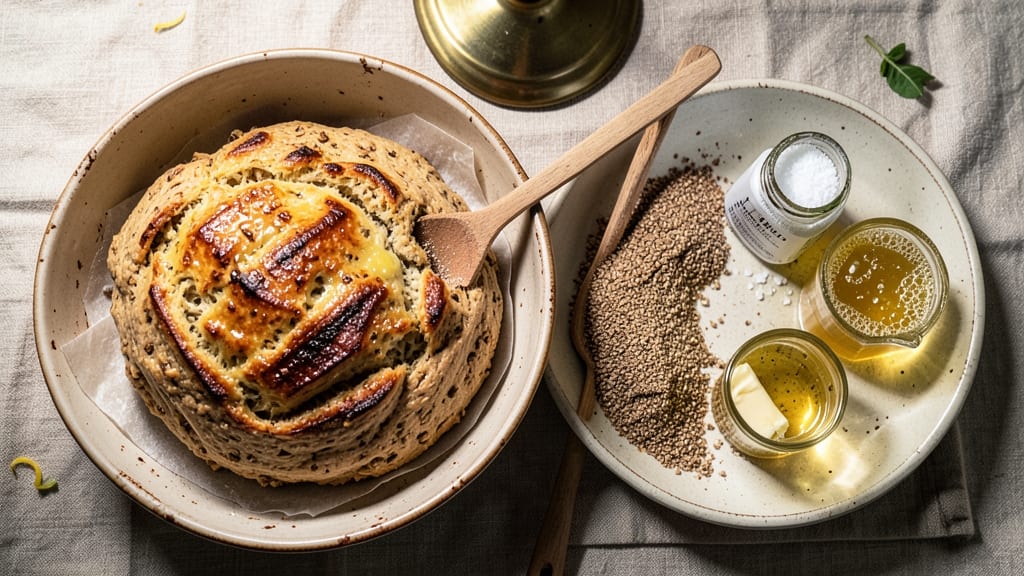
This all wheat bread recipe delivers a whole-grain crust with nutty depth that rivals artisanal bakery loaves—without requiring a bread machine. The secret lies in precise hydration and kneading techniques that develop gluten while preserving the hearty texture of whole wheat flour.
I've perfected this recipe after years of testing, ensuring it never turns dense or crumbly.
What sets this recipe apart is its balance of nutrition and flavor—rich, slightly sweet notes from whole wheat flour complement the crispy crust and soft interior you'd expect from white bread.
The dough requires active kneading (about 10 minutes) to strengthen the gluten, but the payoff is a loaf with open crumb structure and substantial chew. Perfect for sandwiches, toast, or serving alongside soups.
Baking at 375°F ensures even browning and proper rise, while steam from a baking sheet creates that signature crust. The recipe yields two standard loaves, and leftovers stay fresh for days when wrapped properly.
Whether you're baking for meal prep or a cozy weekend breakfast, this bread delivers restaurant-quality results at home.
For those avoiding dairy or eggs, this recipe adapts easily—just substitute plant-based milk and flax eggs. The key is patience during proofing; letting the dough rise slowly develops maximum flavor. Ready to bake bread that's as nutritious as it is delicious? Let's get started.
Ingredients for all wheat bread
Precision-milled whole wheat flour and active yeast form the foundation of this artisanal-style bread.
| Ingredient | Amount | Notes |
|---|---|---|
| Whole Wheat Flour 🌾 | 4 cups | High-protein for optimal gluten development |
| Warm Water 💧 | 1 ½ cups | 110°F for optimal yeast activation |
| Active Dry Yeast 🍞 | 2 ¼ tsp | Ensure yeast is fresh (test in warm water) |
| Granulated Sugar 🍚 | 1 tbsp | Feeds yeast for proper leavening |
| Unsalted Butter 🧈 | ¼ cup | Cold, cubed for proper dough texture |
| Diamond Crystal Kosher Salt 🧂 | 1 ½ tsp | Adjusts to recipe's precise needs |
| Extra-Virgin Olive Oil 🫒 | 1 tbsp | For dough elasticity and crust shine |
| Honey 🍯 | 1 tbsp | Enhances sweetness and crust browning |
| Whole Milk 🥛 | ¼ cup | Adds richness to crumb structure |
| Cornmeal 🌽 | ¼ cup | For dusting baking sheets |
| Large Eggs 🥚 | 1 whole | Optional for egg wash (omit for vegan) |
| Ice Water ❄️ | ½ cup | For final dough adjustment |
The quality of your flour makes all the difference here. King Arthur or Bob's Red Mill high-protein whole wheat flour yields the best results due to its gluten strength. If using a lower-protein blend, increase kneading time by 2-3 minutes. The yeast should be freshly tested—drop a pinch in warm water with a pinch of sugar; if it foams within 5 minutes, it's active. For butter, Land O'Lakes unsalted or European-style works best. The honey should be raw and unfiltered for optimal flavor infusion during baking. Milk adds tenderness, so whole milk is preferred over reduced-fat versions.
No whole wheat flour? Substitute half with white whole wheat flour for a lighter texture. Running short on butter? Coconut oil or vegetable shortening works in a pinch, though texture may vary slightly. The eggs can be omitted entirely for a vegan version, though the crust may be slightly less golden. Honey can be swapped for maple syrup or agave nectar at a 1:1 ratio. For a richer flavor, add 1 tsp of instant coffee granules to the dough—it enhances the nutty notes of the whole wheat. The cornmeal should be stone-ground if possible for better texture on the baking sheet.
This dough requires two rises for optimal flavor development. After the first rise, refrigerate for up to 12 hours to enhance flavor through cold fermentation. The baked loaves stay fresh for 4-5 days when wrapped tightly in plastic. For longer storage, freeze the cooled loaves for up to 3 months. To revive, wrap in a damp towel and warm in a 350°F oven for 10 minutes. The crust benefits from being sliced with a serrated knife for clean cuts. For meal prep, slice and toast portions immediately—they crisp up beautifully.
Why You'll Love This Recipe
- No-Knead Magic: I swear by this—just mix the whole wheat flour, warm water, and yeast, let it rise overnight, then bake. No standing at the counter, no overworked arms, just hands-off perfection.
- Buttery Rich Crust: That little pat of unsalted butter in the dough? It transforms the crust into something golden and crispy, like a hug for your sandwiches. Honestly, it’s the secret weapon.
- Meal Prep Hero: Slice it fresh, toast it later—this bread keeps for days in the fridge and freezes beautifully. I make a loaf on Sundays, and it’s my go-to for lunches all week.
- Budget-Friendly Staple: Five ingredients, one loaf, endless uses. Whole wheat flour is cheaper than white, and the butter adds richness without breaking the bank. My wallet and my taste buds win.
Step-by-step instructions for all wheat bread
Mastering this whole-grain loaf requires patience and precision—here's how to achieve a nutty, flavorful crust with an airy interior.
Activate the Yeast and Prepare the Dough Base
In a small bowl, combine the 1.5 cups warm water (about 110°F), 1 tbsp granulated sugar, and 2.25 tsp active dry yeast. Let it sit for 5-10 minutes until frothy—this confirms the yeast is alive and ready to work. If it doesn't bubble, your yeast may be stale, and you'll need to start over.
In a large mixing bowl, whisk together the 4 cups whole wheat flour and 1.5 tsp diamond crystal kosher salt. Add the 0.25 cup unsalted butter, cut into small cubes, and the 1 tbsp extra-virgin olive oil. Use your fingers or a pastry cutter to work the butter into the flour until it resembles coarse crumbs with pea-sized butter pieces. This creates pockets for steam to develop during baking, ensuring a light texture.
Combine Wet Ingredients and Develop the Dough
Pour the yeast mixture into the flour mixture and stir with a wooden spoon until a shaggy dough forms. Add the 1 tbsp honey and 0.25 cup whole milk, mixing until fully incorporated. The dough will be sticky but should come together when pressed. Sprinkle in the 0.5 cup ice water gradually, 1 tablespoon at a time, until the dough pulls away from the sides of the bowl.
Turn the dough onto a lightly floured surface and knead for 8-10 minutes by hand, or use a stand mixer with a dough hook on medium speed for 5-6 minutes. You're looking for a smooth, elastic dough that springs back when poked. If it's too sticky, add 1 tablespoon flour at a time; if too dry, add 1 teaspoon water. The goal is a dough that holds its shape but remains pliable.
First Rise and Shaping
Lightly oil a large bowl, place the dough inside, and cover with a damp kitchen towel or plastic wrap. Let it rise in a warm place (like the top of your oven with the light on) for 1-1.5 hours, or until it has doubled in size. You'll know it's ready when you press a finger into the dough and it leaves a slow, gentle impression rather than snapping back immediately.
Punch down the dough to release any air bubbles, then turn it onto a lightly floured surface. Divide it into 2 equal portions and shape each into a smooth, slightly tapered loaf. Place them seam-side down on a baking sheet dusted with 0.25 cup cornmeal. Cover loosely with a towel and let them rise for another 30-45 minutes, until puffy and just under doubled in size. This second rise ensures proper oven spring.
Bake to Golden Perfection
Preheat your oven to 375°F. Brush the loaves lightly with beaten 1 whole large egg (if using) for a shiny crust. Bake for 30-35 minutes until the bread is deep golden brown and sounds hollow when tapped on the bottom. If the tops brown too quickly, tent with foil after 20 minutes to prevent over-browning.
For maximum flavor, transfer the loaves to a wire rack and let them cool for at least 30 minutes before slicing. The crust should be crisp and nutty, while the interior remains tender with a subtle sweetness from the honey and milk. The bread will continue to firm up as it cools, so resist the urge to cut into it too soon—patience ensures the best texture.
Pro Tips For Making All Wheat Bread
- Use Lukewarm Water Only: Whole wheat flour soaks up moisture like a sponge, but too-hot water kills the yeast before it wakes up. Test your water—it should feel like a warm bath (around 100°F/38°C). I learned this the hard way when my dough took three hours to rise instead of 90 minutes.
- Knead Until Silky: Whole wheat dough is stubborn—it won’t stretch or smooth out easily. Knead by hand for 8–10 minutes until the surface looks wet and elastic, not crumbly. I used to give up after 5 minutes, and my bread turned out dense. Persist, even if it feels like therapy.
- Skip Overproofing: Whole wheat dough rises slower, so it’s easy to let it sit too long. Stop when it’s just doubled in size—any longer, and the flavor turns sour. Poke it gently: if the dent stays, it’s done. (Your future self will thank you for not waiting "just a little more.")
- Add Butter Last: Mixing butter into the dough early makes it gummy and hard to shape. Fold it in during the final knead or after the first rise—this keeps the crumb tender and the flavor bright. I was skeptical until I tried it; the texture is noticeably better.
Serving suggestions for this all wheat bread
Classic Sandwich Pairings
This hearty whole wheat bread shines with classic sandwich combos. Try grilled chicken Caesar with romaine, Parmesan, and creamy dressing—its sturdy crust holds up perfectly. For a vegetarian option, layer hummus, roasted red peppers, and arugula with a drizzle of balsamic glaze. The nutty flavor complements rich fillings beautifully. 🥪
Breakfast Toast Toppings
Toast slices until golden and crisp, then top with avocado mash and everything bagel seasoning for a brunch staple. For sweet lovers, spread almond butter and drizzle with honey, then add sliced bananas. The bread's slight sweetness balances savory and sweet toppings wonderfully.
Soup and Salad Companion
Serve warm slices alongside roasted tomato soup or creamy butternut squash soup—the crust soaks up broth beautifully. For salads, tear into chunks and toss with mixed greens, cherry tomatoes, and a lemon vinaigrette. The texture adds satisfying substance to light meals.
Gourmet Charcuterie Board
Use thick slices as a base for charcuterie boards. Pair with aged cheddar, prosciutto, and cornichons, plus fig jam and walnuts for crunch. The bread's nutty notes complement cured meats and sharp cheeses perfectly. Arrange with olive oil drizzle for extra elegance. 🧀
Meal Prep Strategies
Slice cooled loaves and store in an airtight container with a paper towel to maintain freshness. Toast portions before packing for lunch—avocado toast with smoked salmon or peanut butter and banana travel well.
For reheating, wrap slices in foil and warm in a 350°F oven for 5 minutes to restore crispness.
Dessert Twist
Drizzle cooled slices with melted dark chocolate and sea salt, then chill for 10 minutes. Top with raspberries for a sophisticated dessert. The bread's subtle sweetness pairs surprisingly well with vanilla ice cream—perfect for a cozy treat. ✨
Nutrition facts
Frequently asked questions
Why does my whole wheat dough turn out dense instead of light?
Whole wheat flour absorbs more water and lacks gluten strength compared to white flour, so proper kneading is critical. Knead for 8-10 minutes by hand (or 5-6 minutes with a mixer) to develop gluten. If the dough feels too stiff, add 1 tsp water at a time. Also ensure your yeast is active—it should foam within 5-10 minutes in warm water.
Can I make this bread without a stand mixer?
This recipe is designed for hand mixing. Use a wooden spoon to combine ingredients initially, then knead by hand on a lightly floured surface for 8-10 minutes. Focus on stretching and folding the dough rather than punching it—this builds gluten more effectively. The extra elbow grease pays off with a lighter texture.
How do I store whole wheat bread to keep it fresh?
Wrap cooled loaves tightly in plastic wrap or store in an airtight container with a paper towel to absorb moisture. At room temperature, it stays fresh for 4-5 days. For longer storage, freeze the bread for up to 3 months. To revive, wrap slices in foil and warm in a 350°F oven for 5 minutes or toast directly in a toaster.
What's the best way to adapt this for a vegan version?
Replace the 1 whole egg with 1 tbsp ground flaxseed mixed with 3 tbsp water (let sit for 5 minutes to thicken). For the 0.25 cup whole milk, use unsweetened almond or oat milk. The butter can be swapped for vegan butter or coconut oil. These changes maintain the bread's structure while keeping it plant-based.
Why does my crust brown too quickly before the inside is done?
This happens when the oven is too hot or the bread lacks steam. First, ensure your oven is properly calibrated—use an oven thermometer to confirm it's 375°F. For steam, place a baking sheet on the lower rack before preheating, then add 1 cup hot water when loading the bread. If needed, tent the loaves with foil after 20 minutes to slow browning while allowing the center to cook.