
Side Dishes
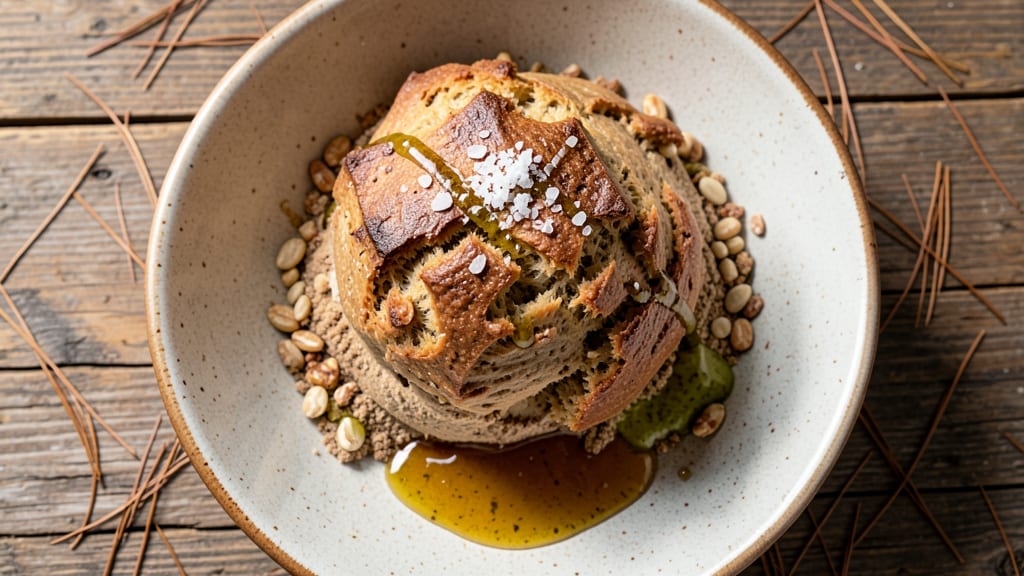
Mastering an all whole wheat bread recipe with a nutty, hearty crust doesn't require hours of kneading or baking expertise. This no-knead recipe transforms simple pantry staples—whole wheat flour, yeast, and warm water—into a loaf with a satisfying crunch and tender crumb.
The secret lies in proper hydration and a slow fermentation, which develops deep flavor without dense texture. Perfect for sandwiches, toast, or serving alongside soups, this bread delivers restaurant-quality results with minimal effort.
What sets this recipe apart is its balance of simplicity and professional technique. You'll start with a straightforward dough that requires no kneading, just mixing and resting.
The key to achieving that coveted hearty crust and open crumb is scoring the dough before baking and using steam during the first few minutes in the oven. This method ensures even browning and prevents a heavy, compact loaf—common pitfalls with whole wheat bread.
The result is a loaf with a crisp, golden-brown exterior and a soft, airy interior, where every bite reveals the nutty richness of whole wheat. The aroma alone will transform your kitchen into a bakery, and the flavor profile—earthy yet approachable—makes it a staple for any pantry.
Whether you're a beginner or an experienced baker, this recipe builds confidence without compromising on quality.
Ready to bake? This method scales easily for one loaf or a batch of dinner rolls, and optional additions like seeds, honey, or olive oil let you customize the flavor. Let's get started with a bread that's as nutritious as it is delicious.
Ingredients for all whole wheat bread
Pantry staples meet professional technique for restaurant-quality whole wheat bread with minimal effort.
| Ingredient | Amount | Notes |
|---|---|---|
| Whole Wheat Flour 🌾 | 4 cups | High-protein for better structure |
| Active Dry Yeast 🍞 | 1 package | 2.25 tsp per package (7g) |
| Warm Water 💧 | 1 ½ cups | 105-110°F for optimal yeast activation |
| Honey 🍯 | 1 tbsp | Feeds yeast for faster fermentation |
| Salt 🧂 | 1 ½ tsp | Diamond Crystal kosher preferred |
| Olive Oil 🫒 | 1 tbsp | Extra-virgin for flavor complexity |
| Cornmeal 🌽 | ¼ cup | For dusting baking sheet |
| Sesame Seeds (optional) 🌱 | 1 tbsp | For decorative crust topping |
| Ice Water ❄️ | ½ cup | For final dough hydration adjustment |
The whole wheat flour is the foundation—opt for high-protein varieties like King Arthur or Bob's Red Mill for better gluten structure. Whole Foods or natural grocery stores carry excellent brands, or check the baking aisle at Walmart for budget-friendly options. Yeast quality matters too: store your package in the freezer to preserve freshness, and always check the expiration date. The honey should be raw and unfiltered for optimal yeast activation, though regular supermarket honey works in a pinch. For the olive oil, California extra-virgin brands like Corto or Lucini elevate the flavor without overpowering the dough's nutty profile.
No honey? Maple syrup at half the amount works similarly. Running low on yeast? Instant yeast can be used directly—just reduce to 1.75 tsp. The sesame seeds are optional but add beautiful texture; sunflower seeds or flaxseeds make great alternatives. For the water temperature, use a thermometer—too hot kills yeast, too cold slows fermentation. If your kitchen is humid, reduce water slightly to prevent a gummy dough. The cornmeal is crucial for preventing sticking; semolina works too if you prefer a more rustic texture.
Store-bought yeast packages last 4 months in the fridge, 6 months frozen. Whole wheat flour keeps 3 months at room temperature, 6 months refrigerated. The finished dough can be shaped and refrigerated overnight for deeper flavor development. For best results, bake within 8 hours of mixing. Leftovers? Toast within 2 days for maximum freshness—whole wheat bread dries out faster than white. Freeze slices wrapped in parchment for 3 months to preserve moisture.
Why You'll Love This Recipe
- No-Fuss Mixing: I swear, this dough comes together in one bowl—no stand mixer, no fancy tools. Just toss the whole wheat flour, yeast, warm water, and honey until it’s sticky but smooth. Honestly, my lazy Sunday mornings just got a whole lot easier.
- Honey’s Sweet Secret: That little drizzle of honey isn’t just for flavor—it keeps the bread moist and adds a subtle caramel note that makes every slice taste like a bakery loaf. (Yes, even when it’s still warm from the oven.)
- Weeknight Workhorse: This bread is my go-to for sandwiches, toast, or even garlic bread—no one ever guesses it’s 100% whole wheat. Between us, it’s the only bread I bake that actually gets eaten before it goes stale.
- Pantry Staple Magic: Five ingredients, zero waste—this recipe uses what you already have, and the leftovers? They freeze like a dream. I make a double batch on Sundays and don’t think about bread until Wednesday. Budget win.
Step-by-step instructions for all whole wheat bread
This no-knead method transforms dense whole wheat dough into a loaf with a crisp crust and tender crumb.
Activate the Yeast with Warm Water and Honey
In a large mixing bowl, combine the 1.5 cups warm water (between 105-110°F) with the 1 tbsp honey and 1 package active dry yeast. Let this mixture sit for 5-10 minutes until it becomes frothy and bubbly. This indicates the yeast is active and ready to leaven the dough.
I always test the water temperature first with my finger—it should feel warm but not hot. If the mixture doesn't bubble after 10 minutes, your yeast may be dead, and you'll need to start over. The honey here serves a dual purpose: it feeds the yeast for faster fermentation while adding subtle sweetness to balance the earthy whole wheat flavor.
Mix the Dough with Whole Wheat Flour and Olive Oil
Add the 4 cups whole wheat flour and 1.5 tsp salt to the yeast mixture. Stir with a wooden spoon until a shaggy dough forms, then drizzle in the 1 tbsp olive oil. Mix until fully incorporated, scraping down the sides of the bowl as needed. The dough will be sticky but should come together when pressed.
This is where the high-protein whole wheat flour makes a difference—it develops gluten more slowly than white flour, so we don't need to knead. The olive oil not only adds flavor but also helps create a tender crumb. If the dough seems too dry after mixing, add 1-2 tablespoons of ice water to bring it together. The dough should hold its shape when pressed but still feel slightly tacky.
Let the Dough Rest for Bulk Fermentation
Cover the bowl with a damp kitchen towel or plastic wrap and let the dough rest at room temperature for 1-2 hours, or until it has nearly doubled in size. You'll know it's ready when the dough springs back slowly when poked with a finger and leaves a faint indentation.
This resting period allows the gluten to relax and the yeast to work its magic. I like to place the bowl in a warm spot—like near the oven with the light on—to encourage fermentation without overproofing. Avoid placing it in direct sunlight or near a heat source, as this can cause the dough to rise too quickly and lose structure.
Shape and Final Proof the Dough
Lightly dust a clean surface with ¼ cup cornmeal and turn out the dough. Gently shape it into a round loaf by folding the edges toward the center and tucking them under. Place the shaped dough seam-side up in a greased 9x5-inch loaf pan or a round cake pan for a freeform loaf.
Cover the dough again and let it proof for an additional 30-60 minutes, or until it has risen about 1 inch above the rim of the pan. The dough should feel slightly firm to the touch but still jiggly. If using sesame seeds, sprinkle them evenly over the top now for added texture and flavor. This final proofing step ensures a light, airy crumb and a crisp crust.
Bake Until Golden Brown and Hollow-Sounding
Preheat your oven to 375°F. Bake the loaf for 45-55 minutes, until the top is deep golden brown and the internal temperature reaches 190-200°F. Tap the bottom of the loaf with your knuckle—it should sound hollow, indicating it's fully baked.
If the top browns too quickly, tent the loaf with aluminum foil to prevent over-browning while ensuring it cooks through. The crust should be crisp and nutty, while the interior should be tender with an open crumb. Let the bread cool in the pan for 10 minutes, then transfer to a wire rack to cool completely before slicing. This resting period allows the crumb to set and prevents a gummy texture.
Pro Tips For Making All Whole Wheat Bread
- Mix the Dough Slowly: Whole wheat flour absorbs water like a sponge—don’t dump it all in at once. Sprinkle it in gradually while stirring, or you’ll end up with a gummy, unworkable mess. Trust me, I’ve made that mistake.
- Bloom the Yeast First: Skip the guesswork by activating the yeast in warm water with a pinch of honey before adding it to the dry ingredients. If it doesn’t foam within 5-10 minutes, your bread won’t rise. (Yes, even if you’re impatient like me.)
- Knead Until Silky: Whole wheat dough is stubborn—don’t stop kneading when it looks "done." Keep going until it’s smooth and slightly tacky, about 8-10 minutes by hand. The extra effort pays off with a lighter loaf.
- Let It Rise Twice: The first rise sets the stage, but the second rise after shaping is where flavor and texture really develop. Give it 1-2 hours until it nearly doubles—rushing this step leads to dense bread. (Your future self will thank you.)
Serving suggestions for this recipe
Toast Perfection
Whole wheat bread shines when toasted to golden perfection—use a toaster oven set to 375°F for 3-4 minutes per side. For a crispier crust, brush slices with melted butter or olive oil before toasting.
I love adding 1 tsp cinnamon and a sprinkle of brown sugar for a sweet twist. 🔥
Soup Companion
Serve warm slices alongside hearty soups like minestrone or lentil soup to soak up every last drop. The bread's nutty flavor pairs beautifully with creamy soups too—try roasted tomato basil or butternut squash. For extra flair, drizzle soup with balsamic glaze and place bread on the rim. ✨
Sandwich Game-Changer
This bread holds up perfectly for sandwiches—try turkey and avocado with a smear of garlic aioli or grilled chicken with roasted red peppers. For a gourmet touch, layer with provolone cheese and honey-mustard before toasting. The dense yet slightly chewy texture prevents sogginess better than white bread. 💛
Dinner Rolls Upgrade
Shape the dough into mini loaves or pull-apart rolls for a rustic dinner table centerpiece. Brush with garlic butter and sprinkle with flaky sea salt before baking. These make incredible companions for braised short ribs or mushroom risotto. Double the recipe for a crowd—everyone will ask for seconds. 🍽️
Breakfast Boost
Elevate your morning routine with French toast or avocado toast. Dip slices in a mixture of 2 eggs, ¼ cup milk, and 1 tsp vanilla extract, then pan-fry in butter until golden. Top with sliced bananas and pecans for a protein-packed breakfast. 💫
Cheese Board Star
Slice into thick rounds and arrange on a cheese board with aged cheddar, brie, and cured meats. The bread's hearty texture contrasts perfectly with creamy cheeses. Add fig jam, walnuts, and dried apricots for a sophisticated spread. This presentation makes any gathering feel special. 🧀
Nutrition facts
Frequently asked questions about whole wheat bread
Why does my whole wheat bread turn out dense?
Whole wheat flour absorbs more moisture than white flour, so overhydrating the dough is a common mistake. Stick to the 1.5 cups water measurement and avoid adding extra liquid. Also, ensure your yeast is fresh—dead yeast can't properly leaven the dough. For extra tenderness, add 1 tbsp olive oil to the recipe.
Can I substitute whole wheat flour with white flour?
You can replace up to 50% of the whole wheat flour with all-purpose flour for a lighter texture, but the flavor will be less nutty. For best results, use the full 4 cups whole wheat flour as written—this recipe is designed specifically for its hearty, wholesome taste. The no-knead method works best with whole wheat's natural density.
How do I store whole wheat bread to keep it fresh?
Store in an airtight container at room temperature for 2-3 days or freeze slices wrapped in parchment for up to 3 months. Whole wheat bread dries out faster than white bread, so avoid plastic bags that trap moisture. For extra freshness, lightly toast slices before storing. The crust stays crisp while the interior remains soft.
What's the best way to test if my dough is ready to bake?
Perform the "poke test": gently press your finger into the dough. If it springs back slowly, leaving a faint indentation, it's ready. For the final proof, the dough should rise 1 inch above the pan rim. Tap the bottom of the loaf after baking—it should sound hollow when fully done. This method ensures perfect doneness every time.
Can I make this bread without a loaf pan?
Shape the dough into a round or oval on a baking sheet lined with parchment paper. Score the top with a sharp knife before baking to control expansion. For extra crustiness, bake on a preheated stone or cast-iron skillet. This freeform method creates rustic, artisanal-style bread with beautiful texture.