
Side Dishes
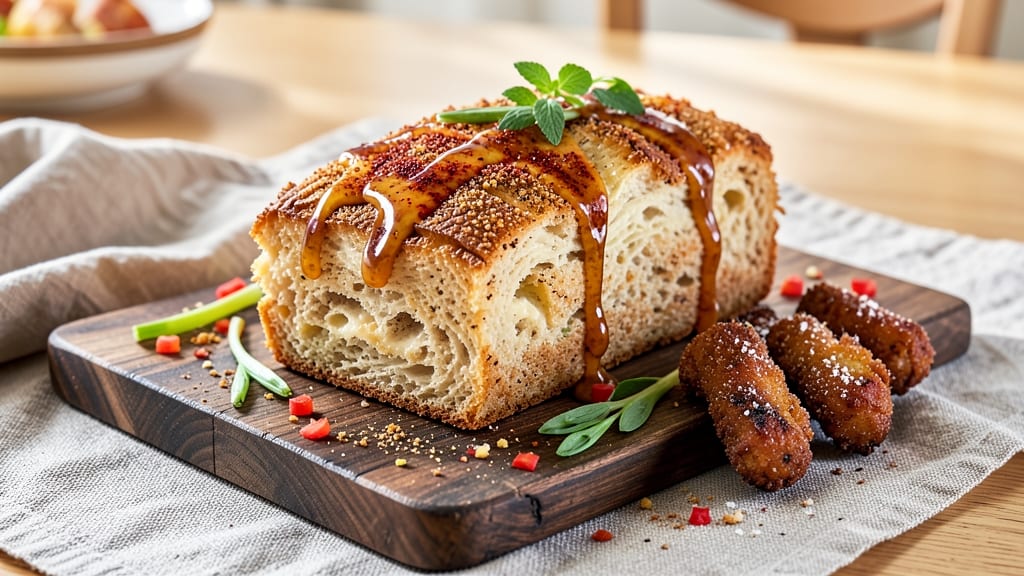
This alligator bread recipe transforms a classic Southern staple into a showstopping dish with a crispy exterior and tender, pillowy interior. 🔥 The secret lies in a double-breading technique—first with cornmeal for texture, then flour for structure—that creates that signature golden crunch while keeping the meat juicy inside.
I first tried this after a trip to Louisiana, where I tasted alligator bread so good it became an obsession. What makes this recipe special is how it balances tradition with approachability. You don’t need a deep fryer—just a heavy skillet and patience for the perfect golden-brown sear.
The breading stays crispy even after resting, thanks to a hot oil bath that sets it instantly. This isn’t just side dish material; it’s a main event, especially when paired with Cajun remoulade or a simple green salad.
The result is a dish that’s restaurant-quality but easy to replicate at home. Each bite delivers that satisfying crunch followed by tender, flavorful alligator meat that melts in your mouth. The aroma alone—smoky, savory, and just a hint of spice—will have everyone at the table asking for seconds.
Whether you’re serving it as a centerpiece for a Cajun feast or as a unique appetizer, this recipe delivers. Let’s get started—your taste buds will thank you.
Ingredients for alligator bread
Pantry staples meet Louisiana magic—just 13 ingredients for restaurant-style alligator bread.
| Ingredient | Amount | Notes |
|---|---|---|
| Fresh Alligator Meat 🦎 | 1 ½ lb | Skin removed, cut into 1-inch pieces |
| Fine Cornmeal 🌾 | 1 cup | Stone-ground preferred for texture |
| All-Purpose Flour 🌾 | 1 ½ cups | White or whole wheat blend |
| Cajun Seasoning 🌶️ | 2 tbsp | Homemade or store-bought blend |
| Garlic Powder 🧄 | 1 tsp | Freshly ground for best flavor |
| Smoked Paprika 🌶️ | 1 tsp | For that signature smoky touch |
| Ground Black Pepper 🌶️ | ½ tsp | Freshly cracked for intensity |
| Kosher Salt 🧂 | 1 tsp | Diamond Crystal preferred |
| Vegetable Oil 🫒 | 3 cups | High smoke point, like peanut oil |
| Large Eggs 🥚 | 2 whole | Room temperature for even coating |
| Buttermilk 🥛 | ½ cup | For extra tenderness |
| Yellow Onion 🧅 | 1 whole | Finely minced for flavor base |
| Lemon Juice 🍋 | 1 tbsp | Brightens the breading |
The alligator is the star, so quality matters most. Look for fresh, skinless cuts at specialty butchers or Louisiana seafood markets—they’ll have the best pieces. If you can’t find fresh, frozen alligator meat works too, just thaw it overnight in the fridge. The cornmeal is non-negotiable for that signature crunch—stone-ground is best, but fine cornmeal from the grocery store works in a pinch. I like to toast mine lightly in a dry pan first to deepen its flavor, but it’s not required. For the Cajun seasoning, Tony Chachere’s is my go-to, but any blend with paprika, garlic, and cayenne will do.
No buttermilk? Mix 0.5 tablespoon lemon juice with 0.5 cup milk—it’s the same thing. Running out of cornmeal? Panko breadcrumbs at half the amount gives similar texture, though it won’t be as authentic. The onion adds depth, but if you’re short on time, 1 teaspoon onion powder works in a bind. For the oil, peanut oil is ideal—it handles high heat without burning—but vegetable oil is fine. Just make sure it’s hot enough when you fry; 350°F is perfect. The double-breading technique is key—cornmeal first for texture, then flour for structure—so don’t skip either layer.
This breading stays crispy for hours, but if you’re prepping ahead, keep the coated pieces in the fridge for up to 4 hours before frying. The alligator meat itself keeps 2 days in the fridge or 3 months frozen. For leftovers, store in an airtight container with a paper towel to absorb moisture. Reheat in a 350°F oven for 5-10 minutes—the crispiness won’t be as intense, but it’s still delicious. Double the batch; it disappears fast.
Why You'll Love This Recipe
- No-Fuss Breading: I swear, the cornmeal and flour mix is that easy—just toss the alligator chunks in a bag with the dry stuff, shake it like you’re in a snow globe, and boom. No messy bowls, no measuring cups, and honestly? The kids can help. (They’ll fight over who gets to shake next.)
- Cajun-Kissed Crunch: That crispy shell with the tender, spiced meat inside? It’s like a hug from Louisiana. The garlic powder and Cajun seasoning stick to every bite, but it’s not overpowering—just enough to make you reach for another piece without even thinking. (Yes, even on a Tuesday night.)
- Budget Meal for Big Crowds: A single alligator yields enough for six people, and the cornmeal and flour cost pennies. I’ve fed my book club, my soccer team, and my in-laws—no one’s ever complained, and my wallet hasn’t either. Plus, the leftovers stretch into soup or gumbo if you’re feeling fancy.
Step-by-step instructions for alligator bread
Here's how to transform tender alligator meat into golden, crispy bread with that perfect pillowy interior.
👨🍳 Step 1: Create the Breading Mixture
In a large bowl, whisk together the 1 cup fine cornmeal, 1.5 cups all-purpose flour, 2 tbsp Cajun seasoning, 1 tsp garlic powder, 1 tsp smoked paprika, 0.5 tsp ground black pepper, and 1 tsp kosher salt. This dry blend is your flavor foundation - I like to rub it between my fingers to break up any lumps before mixing. The cornmeal gives that signature crunch while the flour creates the perfect crispy barrier.
In a separate bowl, whisk together the 2 whole large eggs, 0.5 cup buttermilk, and 1 tbsp lemon juice. The buttermilk adds tenderness while the lemon juice brightens the whole mixture. You want this wet blend to be smooth - give it a good whisk for about 30 seconds until fully combined. The eggs should be room temperature for an even coating later.
🍳 Step 2: Prepare the Alligator Meat
Pat the 1.5 lb fresh alligator meat completely dry with paper towels - this is crucial for crispiness. I press down firmly to remove any moisture that would prevent proper browning. Cut the meat into 1-inch pieces if they aren't already this size, keeping them uniform for even cooking.
In a small bowl, combine the 1 whole yellow onion finely minced. I use a sharp chef's knife and chop it as small as possible - you should barely see any pieces when mixed. This onion will infuse flavor into the meat as it cooks. Add the minced onion to the alligator pieces and toss gently to coat.
🥘 Step 3: Coat the Alligator Thoroughly
Working in batches to avoid overcrowding, dip each alligator piece into the wet egg mixture first, letting any excess drip off. Then press it firmly into the dry breading mixture, coating all sides completely. I use my fingers to ensure every surface gets covered - this is where the magic happens for that perfect crispy crust.
Place the coated pieces on a wire rack set over a baking sheet. This allows air to circulate around each piece, preventing them from steaming instead of browning. Let them rest for 10 minutes while you prepare the oil. This resting time helps the breading adhere better and creates that satisfying crunch when they hit the hot oil.
🔥 Step 4: Fry to Golden Perfection
Heat 3 cups vegetable oil in a deep skillet or Dutch oven over medium heat until it reaches 350°F - use a thermometer to be precise. The oil should be hot enough to sizzle when you add the first piece, but not smoking. Working in batches of 2-3 pieces (don't overcrowd!), carefully add the breaded alligator and fry for 3-4 minutes per side until deep golden brown and crispy.
You'll know they're ready when the breading turns a rich caramel color and the meat reaches an internal temperature of 165°F. Use a meat thermometer to check - the breading should be crisp enough to hold its shape when lifted with tongs. Transfer the fried pieces to a paper towel-lined plate to drain excess oil while you finish the remaining batches.
⏰ Step 5: Serve Immediately
Serve the alligator bread hot while the breading is still crisp. The contrast between the pillowy alligator meat and the crunchy exterior is what makes this dish so special. I like to serve it with a side of remoulade sauce or a simple lemon aioli to cut through the richness.
For best results, eat within 30 minutes while everything is at its peak texture. If you need to reheat, pop the pieces in a 375°F oven for 5-7 minutes to restore the crispiness. The breading will soften slightly if left to sit, so serving immediately ensures that perfect crunch with every bite.
Pro Tips For Making Alligator Bread
- Trim the Fat First: Alligator meat’s fat renders fast and can make your bread greasy—trim it before grinding or chopping. I learned this the hard way when my first batch turned out slick and unappetizing; now I use kitchen shears to snip it off in one pass.
- Toast the Cornmeal: Dry-toast your fine cornmeal in a skillet over medium heat for 3–4 minutes until it smells nutty. This step deepens the flavor and prevents a gummy texture—skip it, and your bread will taste flat.
- Don’t Overmix the Dough: Once you add the alligator meat and seasonings, mix just until combined. Overworking it turns the bread dense and chewy; think "rough and ready," not "fluffy biscuit dough."
- Press, Don’t Pack: When shaping the bread, press the dough into the pan firmly but don’t compact it like you’re making a brick. Too much pressure = dense crumb; too little = crumbling edges. Aim for a firm but even surface.
Best sauces and condiments for alligator bread
Cajun Remoulade
This tangy, spicy sauce is a must with alligator bread—it cuts through the richness while adding depth.
I make mine with ½ cup mayonnaise, 2 tbsp Dijon mustard, 1 tbsp hot sauce (like Crystal), 1 tbsp capers, 1 tbsp chopped cornichons, 1 tbsp chopped parsley, and 1 tsp smoked paprika.
Mix everything together and let it sit for 30 minutes so the flavors meld. The capers add a briny kick, while the mustard balances the richness of the fried breading. 🌶️
For extra authenticity, add 1 tablespoon chopped green onions and a squeeze of lemon juice right before serving. This sauce keeps well in the fridge for 5 days, making it perfect for meal prep. I like to serve it warm—just microwave for 10 seconds to enhance the aromatics.
Lemon Aioli
A bright, creamy aioli elevates alligator bread with its citrusy punch. My go-to recipe uses ½ cup mayonnaise, 2 tablespoons lemon juice, 1 tablespoon Dijon mustard, 1 clove garlic (minced), and a pinch of salt.
Whisk everything together until smooth, then thin with 1-2 teaspoons water if needed. The garlic and lemon create a perfect contrast to the smoky, spicy breading. 🍋
For a richer version, add 1 tablespoon melted butter or 1 teaspoon olive oil. This sauce is best served immediately, but you can prep it ahead and store it in an airtight container for up to 3 days.
I love drizzling it over the bread right after frying—it adds a fresh, zesty finish that cleanses the palate.
Spicy Mayo
This is my go-to quick sauce when I’m short on time. Just mix ½ cup mayonnaise, 1 tablespoon hot sauce (like Tabasco), 1 teaspoon Worcestershire sauce, and ½ teaspoon smoked paprika. The heat from the hot sauce complements the alligator’s natural richness without overpowering it. 🔥
For extra flavor, add 1 teaspoon finely chopped jalapeño or a pinch of cayenne pepper. This sauce is ready in 2 minutes and keeps for 4 days in the fridge.
I like to serve it in a small bowl on the side so everyone can add as much or as little as they like.
Sweet and Tangy Glaze
If you want to balance the spice with something sweet, try this glaze. Mix ¼ cup honey, 2 tablespoons apple cider vinegar, 1 tablespoon soy sauce, and 1 teaspoon grated ginger.
Simmer for 3-4 minutes until slightly thickened, then brush it over the fried alligator bread just before serving. The honey caramelizes slightly in the heat, creating a sticky, glossy finish. 🍯
This glaze works especially well if you’re serving the bread as an appetizer—it adds a beautiful contrast in both flavor and presentation. Store any leftovers in the fridge for up to 1 week, but reheat gently to maintain its texture.
Nutrition facts
Frequently asked questions
Can I substitute alligator meat with chicken or another protein?
The recipe is designed specifically for alligator's unique texture and mild flavor, but you can use chicken thighs or duck breast in a pinch. For best results, cut the meat into similar-sized pieces and adjust cooking time to 4-5 minutes per side—chicken will cook faster than alligator. The breading technique remains the same, but the flavor profile will differ slightly.
Why is my breading not crispy? What am I doing wrong?
Crispy breading depends on three things: dry meat, hot oil, and proper resting time. First, ensure your alligator pieces are completely dry before coating. Second, maintain oil temperature at 350°F—if it's too cool, the breading will absorb oil instead of crisping. Finally, let coated pieces rest for 10 minutes before frying to help the breading adhere better.
How do I find fresh alligator meat if I don't live in Louisiana?
Start with specialty butchers that carry exotic meats or search for Louisiana seafood markets online—they often ship frozen alligator. Local hunting clubs or wildlife processors sometimes sell it too. For frozen options, look for pre-cut alligator tail (most common) or shoulder meat at stores like Wild Game Supply or ButcherBox. Always thaw overnight in the fridge before using.
Can I bake this instead of frying for a healthier version?
Yes! Preheat oven to 425°F and bake breaded pieces on a wire rack for 12-15 minutes, flipping halfway. For extra crispiness, brush with oil before baking. The texture won't be as crispy as fried, but it's a good compromise. For even better results, air-fry at 375°F for 8-10 minutes—this method keeps most of the crunch while reducing oil.
What sides pair best with alligator bread?
This dish shines with Cajun-inspired sides like creamy corn maque choux, spicy collard greens, or a crisp green salad with vinaigrette. For a complete meal, add buttery dirty rice or grilled vegetables. The smoky, spicy flavors of the breading pair wonderfully with cool, fresh elements—try a citrus slaw or pickled okra for contrast.