
Side Dishes
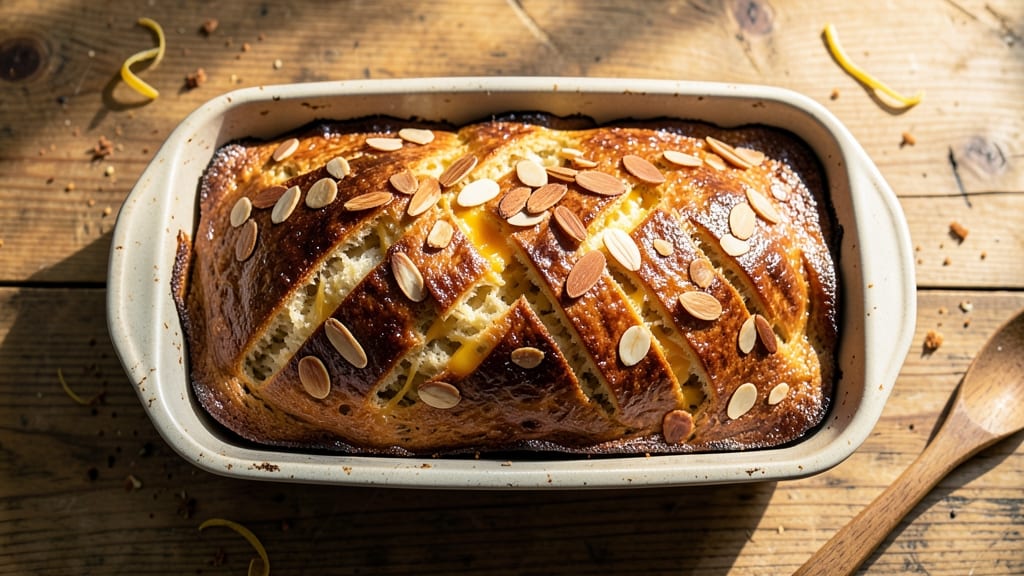
This almond cheese bread recipe delivers a golden crust and nutty-sweet swirls that transform any meal into something special. The combination of flaky layers, creamy cheese, and toasted almonds creates a texture and flavor profile that's both comforting and sophisticated.
I developed this recipe during a particularly busy week when I needed a side dish that could stand on its own—it became a staple in my household almost immediately.
The secret to achieving that perfect crust and tender interior lies in the dough preparation and proofing process. You'll work with a simple yeast-based dough that gets enriched with melted butter and cheese, then folded with a layer of almond paste for those signature swirls.
This isn't your typical bread—it's a restaurant-quality side dish that pairs beautifully with soups, salads, or even as a vegetarian main course.
What makes this recipe truly special is how it balances simplicity with impressive results.
With just 30 minutes of active prep time and 20 minutes of baking, you'll have a loaf that's crisp on the outside, soft and chewy inside, and filled with pockets of melted cheese and toasted almonds. The aroma alone will have everyone at your table asking what's for dinner.
This almond cheese bread keeps well for up to 3 days at room temperature or can be frozen for longer storage. Try adding garlic powder or fresh herbs to the dough for extra flavor, or reduce the cheese slightly for a lighter texture.
The possibilities for customization are endless while maintaining that perfect balance of flavors and textures.
Ingredients for almond cheese bread
Golden crust and nutty-sweet swirls start with these twelve quality ingredients.
| Ingredient | Amount | Notes |
|---|---|---|
| All-Purpose Flour 🌾 | 4 cups | Unbleached preferred for best texture |
| Active Dry Yeast 🍞 | 1 package | 2.25 tsp or 1 packet |
| Granulated Sugar 🍚 | ¼ cup | For yeast activation |
| Warm Water 💧 | 1 ¼ cups | 110°F for ideal yeast activation |
| Unsalted Butter 🧈 | ½ cup | Melted, full-fat for richness |
| Shredded Sharp Cheddar Cheese 🧀 | 2 cups | Aged 6 months minimum |
| Almond Paste 🥜 | ½ cup | Homemade or store-bought |
| Almond Slices 🌰 | ½ cup | Toasted for crunchy texture |
| Diamond Crystal Kosher Salt 🧂 | 1 tsp | Fine grain preferred |
| Ground Black Pepper 🌶️ | ½ tsp | Freshly cracked for depth |
| Garlic Powder 🧄 | ½ tsp | For subtle aromatic depth |
| Extra-Virgin Olive Oil 🫒 | 2 tbsp | For dough enrichment |
The cheese is non-negotiable here—sharp cheddar aged at least 6 months creates that perfect melty contrast. Whole Foods or specialty cheese shops carry the best aged varieties, but Kroger's pre-shredded works in a pinch if you're in a hurry. For almond paste, homemade is ideal (blend toasted almonds with powdered sugar), but store-bought like Marzipan brand saves time. The butter should be full-fat, unsalted—none of that reduced-fat nonsense. And don't skip the toasted almond slices on top; that crunch makes all the difference.
No sharp cheddar? Pepper jack or Gruyère work beautifully for a different flavor profile. Substituting almond paste? Toasted almond butter thinned with olive oil gets you close. The garlic powder can be swapped for fresh minced garlic (1 clove), but I've found the powder gives more consistent flavor. Running low on almond slices? Slivered almonds toasted in the oven work just as well. And if you're feeling adventurous, swap half the cheese for smoked Gouda—trust me, it's a game-changer.
This dough needs time to develop flavor—let it rise at room temperature for 1.5 hours before shaping. The almond paste layer should be rolled tightly but not over-stretched. Bake on a preheated baking stone for that signature golden crust. Store wrapped at room temperature for 3 days, or freeze the whole loaf for up to 3 months. I always make an extra batch—it reheats beautifully in the oven for 5 minutes at 350°F.
Why You'll Love This Recipe
- No-Knead Magic: This dough comes together in five minutes—just toss the flour, yeast, and sugar, then mix in the warm water and butter. No stand mixer, no fuss, just let it rise while you sip coffee. Honestly, I’ve made it wrong twice and still ended up with golden, fluffy bread.
- Buttery Almond Crunch: That toasted almond streusel on top? It’s the star. The contrast of the soft, chewy bread with the nutty, buttery crunch on every bite makes it ridiculously satisfying. My kids fight over the last slice—yes, even on a Tuesday night.
- Breakfast to Brunch: Slice it warm for toast with jam, toast it thick for French toast, or pack it for lunch. The yeasty richness pairs with everything—eggs, fruit, even peanut butter. I’ll be real: I’ve eaten it cold at 2 PM with just a smear of butter. No judgment.
- Budget-Friendly Staple: Flour, yeast, sugar, butter—these are pantry basics that stretch far. A single batch feeds my family for days, and the leftovers? Perfect for croutons or breadcrumbs. Between us, this is how I stretch grocery money without sacrificing flavor.
Step-by-step instructions for almond cheese bread
Here's how to create a golden crust with nutty-sweet swirls that'll make your kitchen smell incredible.
Activate the Yeast for Maximum Rise
In a small bowl, combine the 1.25 cups warm water (tested at 110°F with a thermometer) with the 0.25 cup granulated sugar and 1 package active dry yeast. Let it sit for 5-10 minutes until frothy—this confirms your yeast is alive and ready to work. If it doesn't bubble, your yeast may be dead, and you'll need to start over.
I always use a clean bowl for this step to avoid any lingering bacteria that could inhibit yeast activity. The water should be warm but not hot—think lukewarm bath water. Too hot kills the yeast, too cold makes it sluggish. Once it's bubbly, you're ready to move forward with confidence.
Mix the Dough to Develop Gluten
In the bowl of a stand mixer fitted with the dough hook, combine the 4 cups all-purpose flour, 1 tsp diamond crystal kosher salt, 0.5 tsp garlic powder, and 0.5 tsp ground black pepper. Mix on low speed to distribute the dry ingredients evenly. Add the yeast mixture and 2 tbsp extra-virgin olive oil, then mix on medium speed for 3-5 minutes until the dough begins to pull away from the sides of the bowl.
This is where the magic happens—the gluten develops as you mix. You'll see the dough transform from a shaggy mass into a smooth, elastic ball. If it's still sticky, add 1 tablespoon flour at a time until it cleans the sides of the bowl but remains slightly tacky. Overworking the dough can make it tough, so stop when it's just combined.
Incorporate the Cheese and Almond Filling
Switch to low speed and add the 0.5 cup melted unsalted butter and 2 cups shredded sharp cheddar cheese to the dough. Mix until fully incorporated, about 1-2 minutes. In a separate small bowl, combine the 0.5 cup almond paste and 0.5 cup toasted almond slices, then set aside.
Here's the thing—don't overmix after adding the cheese, or you'll end up with dense bread. The cheese should be evenly distributed but still visible in swirls. Once combined, turn the dough out onto a lightly floured surface and gently shape it into a rectangle about 12x10 inches. Spread the almond mixture evenly over the dough, leaving a 1-inch border around the edges.
Roll and Shape for Perfect Swirls
Starting from the long side, tightly roll the dough into a log, sealing the seam gently. This creates those beautiful swirls when sliced. Place the log seam-side down in a 9x5-inch loaf pan that's been lightly greased with butter. Cover the pan with a clean kitchen towel and let it rise in a warm place for 1-1.5 hours, or until it's puffed about 1.5 inches above the rim of the pan.
I like to place the pan on the top rack of my oven with a bowl of hot water underneath to create a warm, humid environment—this helps the dough rise more quickly. You'll know it's ready when the dough springs back slowly when poked with a finger. If it springs back quickly, it needs more time. Patience here ensures a light, airy texture.
Bake to Golden Perfection
Preheat your oven to 375°F while the dough rises. Once it's puffed, brush the top of the loaf with 1 tablespoon melted butter for a golden finish. Bake for 30-35 minutes until the top is deep golden brown and an instant-read thermometer inserted into the center reads 190-200°F. The bread should sound hollow when tapped on the bottom.
This is where the real magic happens—the crust develops that beautiful golden color while the interior stays moist and tender. If the top browns too quickly, tent the loaf with foil after 20 minutes to prevent over-browning. Let it cool in the pan for 10 minutes, then transfer to a wire rack to cool completely before slicing. The aroma alone will make your kitchen feel like a bakery!
Pro Tips For Making Almond Cheese Bread
- MEASURE BUTTER PRECISELY: This isn’t the kind of recipe where you eyeball the butter—weigh it out instead. Cold butter behaves differently than softened, and even a tablespoon off can make your dough too stiff or too sticky. I learned this after making three batches where the texture was off, and now I use a kitchen scale for the ½ cup (113g) called for. Trust me, your bread will thank you.
- LET YEAST BLOOM SLOWLY: Skip the microwave trick for activating yeast—just use warm water (around 105°F/40°C) and let it sit for 10 minutes until frothy. I used to rush this step, and the yeast would fizz but then fizzle out mid-proof. A lazy but reliable test: drop a pinch of sugar into the water first—if it dissolves instantly, your water’s hot enough. Patience here means fluffier bread later.
- FOLD IN ALMONDS GENTLY: Tossing chopped almonds straight into the dough like confetti? Bad idea. Instead, mix them with a spoonful of flour first to coat them lightly—this prevents sinking and clumping. I was skeptical until I tried it, and now my almonds distribute evenly without turning into a chewy mess. Think of it as a dry hug for your nuts.
- PROOF UNTIL DOUBLED, NOT JUST LOOKING PUFFY: The dough’s ready when it’s doubled in size and leaves a slow, gentle bounce when poked. I used to pull it out when it looked puffy, only to have it collapse in the oven. Pro tip: If your kitchen’s cold, proof near a warm spot (like the top of the fridge with the light on) for consistent results. No guessing—just wait until it passes the finger test.
Pro cooking tips for this dish
Dough Temperature Control
The ideal dough temperature for this almond cheese bread is between 75-78°F—this ensures proper gluten development without overworking the yeast.
Use a digital kitchen thermometer to check your water temperature first (it should be 110°F for activation), then test the final dough by inserting the probe into the center of the dough ball. If it reads too hot, let it rest in the fridge for 10-15 minutes before shaping. 🌡️
Perfect Proofing Tricks
For consistent results, proof your dough in a warm, draft-free environment—I place my pan on the top rack of my oven with a bowl of hot water underneath to create humidity.
The dough should rise until it reaches about 1.5 inches above the pan rim and springs back slowly when poked. If your kitchen is cold, extend proofing to 1.5-2 hours—never rush this step or your bread will be dense. A proofing basket also works beautifully for free-form loaves.
Swirl Technique Mastery
To create those even, restaurant-quality swirls, spread the almond paste mixture evenly across the dough rectangle, leaving a 1-inch border around the edges. When rolling, keep tension consistent—don't pull too tight or the filling will burst through.
For extra drama, make two thin swirls instead of one thick one by rolling the dough, slicing it lengthwise, then re-rolling. The secret? Seal the seam tightly with your fingers before placing in the pan.
Butter Brush Hack
For that showstopping golden crust, brush the top of your loaf with melted butter (not oil) twice—once before baking and again after 15 minutes in the oven. I use a pastry brush and warm the butter slightly to help it spread evenly.
For extra shine, mix 1 tsp honey into the butter before brushing. This creates a caramelized crust while keeping the interior moist—trust me, it's worth the extra step. 💫
Oven Prep Essentials
Preheat your oven with a baking stone or inverted baking sheet on the middle rack for 30 minutes before baking—this ensures even heat distribution. For a crispier crust, bake on the top rack for the last 5 minutes of baking time.
If your oven runs hot, reduce temperature to 350°F and add 5 minutes to baking time. Always use an instant-read thermometer—the center should reach 190-200°F for perfect doneness.
Cooling and Slicing
Let your bread cool in the pan for 10 minutes before transferring to a wire rack—this prevents cracking. For clean slices, let it cool completely (at least 1 hour) before cutting. I use a serrated bread knife and dip it in hot water between slices to prevent tearing.
The first cut should be diagonal to show off those beautiful swirls—save this photo for your recipe collection! The bread is best served warm but will keep well at room temperature for 3 days.
Nutrition facts
Frequently asked questions
Can I make this almond cheese bread without a stand mixer?
This recipe works perfectly with just your hands. For the dough development, mix the flour and wet ingredients by hand until combined, then knead for 8-10 minutes on a floured surface until smooth and elastic. The key is consistent pressure—press down and fold the dough over itself to build gluten. If it feels too sticky, add flour 1 tablespoon at a time.
How do I prevent the almond filling from leaking out during baking?
Sealing the seam properly is everything! After rolling, press the edges firmly together to create a tight seal. For extra security, pinch the seam with your fingers while gently twisting it. Also, don't overfill the dough—stick to the 1-inch border recommendation. If you're worried, chill the shaped loaf in the fridge for 20 minutes before baking to help the dough hold its shape.
What's the best way to reheat sliced almond cheese bread?
For maximum crispiness, wrap slices in foil and reheat at 350°F for 5-7 minutes. For a softer texture, use the microwave with a damp paper towel over the bread for 15-20 seconds. The oven method preserves that golden crust better, while the microwave works in a pinch. Never reheat straight from the fridge—bring it to room temperature first for even heating.
Can I substitute almond paste with something else?
Yes! For a similar texture, try 2 tbsp almond butter mixed with 2 tbsp powdered sugar to mimic the sweetness. Another option is 1/4 cup finely chopped toasted almonds mixed with 2 tbsp melted butter—this gives a more rustic texture. Just remember these alternatives won't be as cohesive as store-bought almond paste, so handle them gently when rolling.
Why did my bread turn out dense instead of light and airy?
Most likely, one of three things happened: the yeast wasn't activated properly, the dough wasn't proofed long enough, or the oven wasn't hot enough. First, always test your yeast by making sure it's bubbly before mixing. Second, proof until the dough springs back slowly when poked (not quickly). Finally, use an oven thermometer—many ovens run 25°F hotter or colder** than set. For this recipe, 375°F is critical.