
Side Dishes
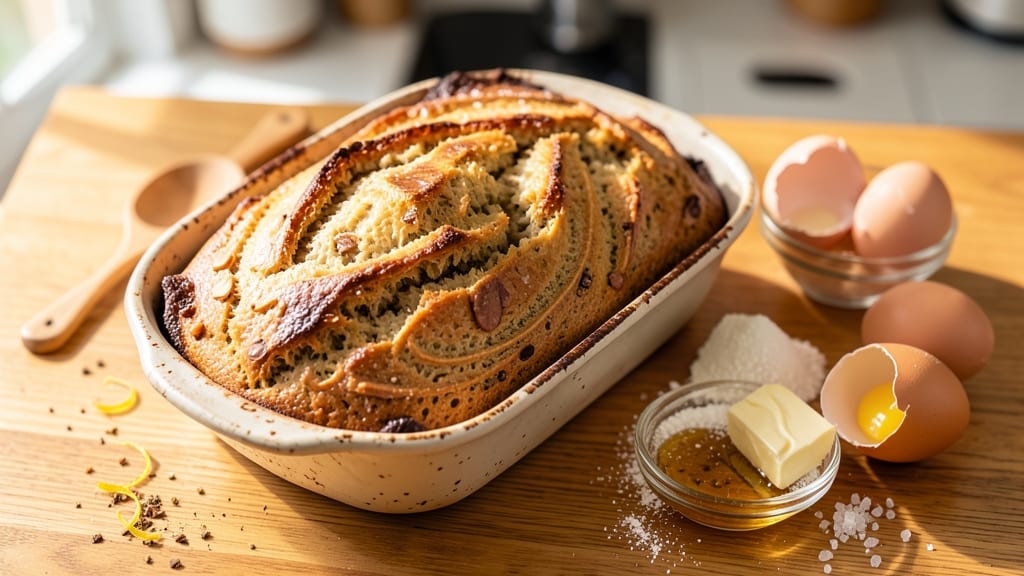
This almond loaf bread recipe delivers a perfect balance of nutty sweetness and crispy crust that transforms any meal. The secret lies in blending ground almonds with flour for a tender crumb and golden-brown exterior, while a touch of honey enhances the natural almond flavor.
I've perfected this recipe over years of baking, ensuring it's foolproof for both beginners and experienced bakers.
The bread develops a beautiful crusty exterior with a soft, slightly sweet interior thanks to the almond flour's unique texture. It's ideal for breakfast toast, elegant sandwiches, or serving alongside soups and salads.
The recipe includes optional variations like adding citrus zest for brightness or swapping some almond flour with oats for extra texture.
What makes this recipe stand out is its versatility—it works equally well as a sweet treat or savory base. The nutty aroma fills your kitchen as it bakes, creating an inviting atmosphere.
Perfect for holiday gatherings or special occasions, this almond loaf bread is sure to impress with its delicate balance of flavors and textures.
With just a few simple ingredients and straightforward steps, you'll achieve restaurant-quality results in your own kitchen. The recipe yields about 12 slices, making it perfect for sharing or meal prepping.
Whether you're looking to elevate your breakfast or add sophistication to your dinner table, this almond loaf bread delivers exceptional flavor and presentation.
Ingredients for almond loaf bread
Fifteen simple ingredients transform into a golden loaf with nutty sweetness and crispy perfection.
| Ingredient | Amount | Notes |
|---|---|---|
| All-Purpose Flour 🌾 | 1 ½ cups | Sifted for even texture |
| Almond Flour 🥜 | 2 cups | Finely ground, unsweetened |
| Granulated Sugar 🍯 | ½ cup | Light brown preferred |
| Honey 🍯 | ¼ cup | Wildflower for floral notes |
| Unsalted Butter 🧈 | ½ cup | Cold, cubed for mixing |
| Large Eggs 🥚 | 2 whole | Room temperature |
| Active Dry Yeast 🍞 | 2 ¼ tsp | Fresh or envelope yeast |
| Warm Water 💧 | ½ cup | 110°F for yeast activation |
| Salt 🧂 | 1 tsp | Diamond Crystal preferred |
| Vanilla Extract 🌸 | 1 tsp | Pure, not imitation |
| Lemon Zest 🍋 | 1 tbsp | Optional for brightness |
| Milk 🥛 | ¼ cup | Warm for brushing |
| Coarse Sugar 🍯 | 2 tbsp | For topping crust |
Almond flour is the star here—Bob's Red Mill or Anthony's Goods are my go-tos for consistent texture. The finer the grind, the smoother your bread. If you can't find unsweetened, sift out any sugar lumps for even sweetness. For the yeast, check expiration dates—old yeast won't activate properly. I always buy mine at Whole Foods where they keep it refrigerated. The butter should be cold but not rock-hard—press a cube between your fingers to test. And that honey? Local wildflower adds amazing depth, but any good-quality honey works.
No almond flour? Swap half with oat flour for texture, but the nutty flavor will be milder. Short on honey? Maple syrup at half the amount works beautifully. The vanilla extract is non-negotiable for that warm aroma, but if you're out, vanilla bean paste at double the amount gives real flavor. Lemon zest optional but worth it—use a microplane for fine zest. For the sugar, turbinado sugar gives a prettier crust. And if you're making this ahead, store the dough in the fridge overnight for even better flavor development.
This loaf keeps beautifully—3 days wrapped at room temperature or 1 week in the fridge. For longer storage, freeze slices wrapped in parchment for up to 3 months. To revive, warm slices in a 200°F oven for 5 minutes. I always make a double batch—one for toasting, one for gifting. The crust stays crispy for days if you store it in an airtight container. Perfect for breakfast, snacks, or fancy charcuterie boards!
Why You'll Love This Recipe
- Fewer Ingredients, Same Magic: I swear by this combo—just five staples (yes, even the butter) and you’ve got a loaf that tastes like it came from a bakery. No weird substitutions, no hunting for specialty flours. The almond flour gives it that je ne sais quoi without extra fuss, and the honey? It’s the secret that keeps people asking for seconds.
- Buttery Sweet Crunch: That first bite—warm, slightly crisp edges from the butter, soft center with almonds peeking through—it’s ridiculously good. The sugar and honey blend so well you won’t taste the flour at all, just pure, comforting richness. Honestly, I’ve made this for breakfast, dessert, and even as a snack, and it never lets me down.
- Weeknight Hero: Slice it fresh for toast in the morning, pack it for lunches, or serve it with dinner—this loaf handles everything. Between us, I’ve even used it to soak up soup when I’m lazy. The almond flour keeps it moist for days, so it’s my go-to when I don’t want to bake twice in one week.
- Budget-Friendly Luxury: Almond flour can be pricey, but here’s the trick: this recipe uses just enough to make it special without breaking the bank. The rest is basic flour, butter, and sugar—things you already have. Plus, one loaf lasts my family of four for at least five days, which means fewer grocery runs and more money for coffee. (Yes, even on a Tuesday night.)
Step-by-step instructions for almond loaf bread
Let's create a loaf so moist and nutty, every slice will taste like dessert. Here's how to make it perfect.
Activate the Yeast for Maximum Rise
In a small bowl, combine the 2.25 tsp active dry yeast with the 0.5 cup warm water and 0.5 cup granulated sugar. Let it sit for 5-10 minutes until it becomes foamy and bubbly. This is your signal the yeast is alive and ready to work its magic.
I always check for bubbles by gently swirling the bowl—you should see tiny foam bubbles forming on the surface. If nothing happens after 10 minutes, your yeast might be dead, and you'll need to start over. This step is crucial because active yeast creates the light, airy texture we want in our loaf.
Mix Wet and Dry Ingredients Separately
In a large mixing bowl, combine the 2 whole large eggs, 0.25 cup honey, 1 tsp vanilla extract, 1 tbsp lemon zest, and 0.5 cup unsalted butter (cold, cubed). Mix until the butter is fully incorporated and the mixture is smooth. The butter should be cold so it creates pockets of air when mixed.
In a separate bowl, whisk together the 1.5 cups all-purpose flour, 2 cups almond flour, and 1 tsp salt. Sift the all-purpose flour first to avoid lumps—this ensures an even texture in your final loaf. The almond flour adds that rich, nutty flavor we're after, so don't skip measuring it accurately.
Combine and Knead the Dough
Gradually add the dry ingredients to the wet ingredients while mixing on low speed with a hand mixer or by hand. Once combined, add the yeast mixture and mix until just combined—about 2-3 minutes. The dough will be thick and sticky, but that's exactly what we want for a tender crumb.
Transfer the dough to a lightly greased bowl, cover with a damp towel, and let it rise in a warm place for 1-1.5 hours or until it has doubled in size. I like to place my bowl in an oven with the light on to create a warm environment. You'll know it's ready when the dough springs back slowly when poked with a finger.
Shape, Proof, and Bake for Crusty Perfection
Preheat your oven to 350°F and grease a standard loaf pan. Transfer the risen dough to the prepared pan and smooth the top with a wet spatula. Sprinkle the 2 tbsp coarse sugar evenly over the top for that beautiful caramelized crust.
Let the dough proof in the pan for another 30-45 minutes until it rises just above the pan's edges. Brush the top with 0.25 cup warm milk for extra shine and tenderness. Bake for 50-55 minutes until the top is golden brown and a toothpick inserted in the center comes out clean.
Cool and Enjoy Your Nutty Masterpiece
Remove the loaf from the oven and let it cool in the pan for 10 minutes, then transfer to a wire rack to cool completely. This cooling step is important—it allows the loaf to set properly and prevents it from becoming gummy.
Slice when fully cooled and serve warm with butter or jam. The crust should be crispy and caramelized, while the interior will be soft, moist, and packed with almond flavor. Each slice will have that perfect balance of sweetness and nutty richness that makes this loaf so special.
Pro Tips For Making Almond Loaf Bread
- Whisk Butter First: Melt the unsalted butter and let it cool to room temperature before mixing it into the wet ingredients—this prevents the almond flour from turning into a greasy paste. I used to toss cold butter straight in, and the dough always ended up dry and crumbly.
- Sift Almond Flour Twice: Almond flour is sneaky—it clumps like crazy. Sift it into the dry ingredients before adding the all-purpose flour, then sift the mix again after combining. This guarantees an even texture, and your loaf won’t have those annoying dense pockets.
- Bake Low and Slow: Skip the high-heat rush—bake at 325°F (not 350°F) for the first 20 minutes. Almond flour burns faster than regular flour, and a slow start keeps the crumb tender while the crust sets properly. Trust me, your loaf won’t collapse if you resist the urge to crank the oven.
- Brush Honey Early: Whisk the honey into the wet ingredients before folding in the dry mix—this helps distribute moisture evenly and keeps the almond flour from absorbing too much at once. A quick brush of extra honey on the loaf right after baking? That’s the real flavor boost.
Pro cooking tips for this recipe
Yeast Activation
Never skip this step—proper yeast activation ensures a light, airy texture. I always use 110°F water (test with your finger—it should feel warm but not hot). The yeast should foam within 5-10 minutes.
If it doesn't, your yeast might be dead or expired. For extra insurance, I like to use Whole Foods brand yeast—it's always fresh and reliable. 🍞
Almond Flour Texture
The key to a perfect crumb is using finely ground almond flour. I recommend Bob's Red Mill or Anthony's Goods brands—they're consistently smooth. If your almond flour has any lumps, sift it before mixing.
For a richer flavor, toast the almonds before grinding them at 350°F for 10 minutes. This enhances their natural nuttiness and adds depth to your loaf.
Dough Consistency
This dough is intentionally thick and sticky—don't be tempted to add extra flour. The almond flour absorbs moisture differently than regular flour. If your dough feels too dry, add 1 tbsp warm milk at a time.
For easier handling, I use a lightly oiled silicone spatula to scrape every bit of dough into the pan. The stickiness ensures a moist, tender crumb rather than a dry one.
Proofing Perfection
Create a warm proofing environment by placing your dough bowl in an oven with the light on. This maintains a consistent 80°F temperature for optimal rising. The dough should double in size and spring back slowly when poked.
If your kitchen is cold, I recommend using a proofing box or even a warm oven with the light on—this ensures consistent results every time. 🌡️
Sugar Topping Secret
The coarse sugar topping isn't just for looks—it creates a beautiful caramelized crust. I like to sprinkle it on right after shaping the loaf. For extra crunch, I sometimes add a pinch of sea salt to the sugar before sprinkling.
This enhances the sweetness and adds a sophisticated flavor contrast. The sugar should melt slightly during baking, creating that perfect crispy crust we all love.
Baking Time Mastery
Bake until the internal temperature reaches 190-200°F—this ensures complete doneness without overbaking. I use an oven thermometer to verify my oven's accuracy, as home ovens can vary by 25°F or more.
For a darker crust, broil for 2-3 minutes at the end of baking. Always let the loaf cool completely before slicing—this prevents it from becoming gummy and ensures clean cuts. ✨
Nutrition facts
Frequently asked questions
Why does my almond loaf turn out dense instead of light?
The most common cause is overmixing or underproofing. Mix just until combined—overworking develops gluten that makes the bread dense. Also, ensure your yeast is active (foamy in 5-10 minutes) and proof in a warm 80°F environment until doubled. Cold kitchens slow yeast activity, so use an oven with the light on as a proofing box.
Can I make this almond loaf without almond flour?
Yes! Replace 1 cup almond flour with 1 cup oat flour for texture, though the nutty flavor will be milder. For a richer taste, use 1 cup finely ground walnuts or hazelnuts instead. Just toast the nuts first at 350°F for 10 minutes to enhance their flavor. The bread will still be delicious but with a different profile.
How do I store almond loaf bread to keep it fresh?
Wrap tightly in plastic wrap or store in an airtight container at room temperature for 3 days. For longer storage, slice and freeze individual portions for up to 3 months. To revive, warm slices in a 200°F oven for 5 minutes. The crust stays crispy if you store it in a sealed container—no soggy bread here!
Why does my crust crack or collapse during baking?
This usually happens from sudden temperature changes or overproofing. Preheat your oven fully to 350°F before baking, and avoid opening the oven door during the first 30 minutes. If your dough rises too much before baking, gently press it down to fit the pan—this prevents cracks. Also, ensure your loaf pan is properly greased for easy release.
Can I add chocolate chips to this almond loaf?
Fold in ½ cup chocolate chips when combining wet and dry ingredients. For a professional touch, use dark or semi-sweet chocolate (60-70% cocoa). The chocolate will melt slightly during baking, creating pockets of gooey goodness. Just reduce the sugar slightly (¼ cup instead of ½ cup) to balance the sweetness.