
Side Dishes
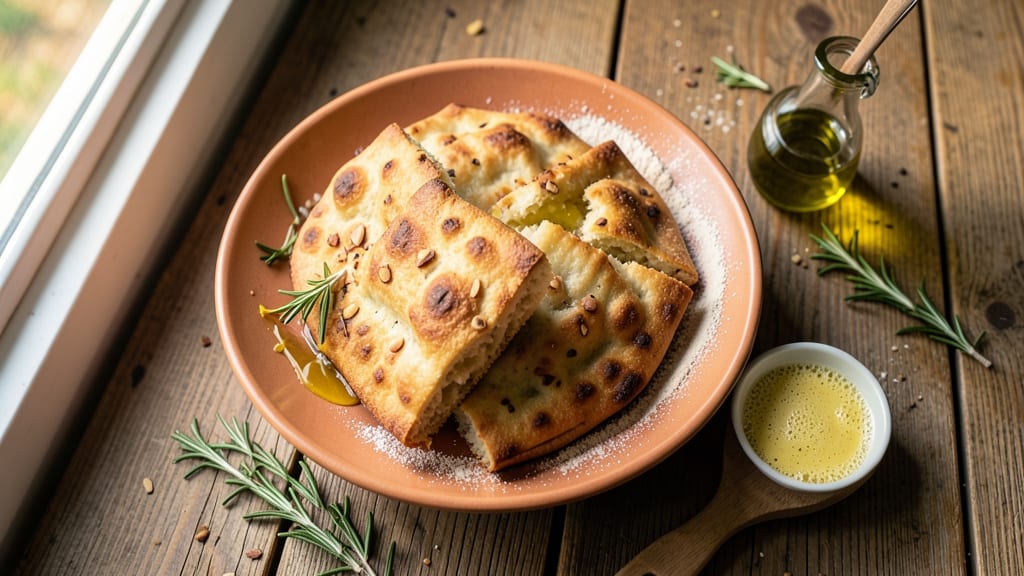
This almond pita bread recipe delivers crispy pocket perfection with a nutty twist that transforms ordinary meals into something extraordinary. The secret lies in blending traditional pita dough with almond flour, creating a delicate balance between soft, pillowy centers and crispy, golden edges that crack open beautifully.
I've perfected this recipe over countless batches, ensuring every bite delivers that satisfying contrast of textures while infusing a subtle almond richness that elevates any dish.
What sets this recipe apart is the foolproof technique for achieving restaurant-quality results at home. The dough comes together with simple ingredients—flour, yeast, almond flour, water, and a pinch of salt—while optional additions like oil or eggs can be adjusted based on dietary preferences.
The shaping process is straightforward, and with just a few minutes of resting time before baking, you'll have perfectly formed pita pockets ready to be filled with your favorite ingredients.
The key to that signature crispiness lies in the baking method, which ensures every pita develops those coveted crackly edges while maintaining a soft, airy interior.
Once baked, these almond pitas are versatile enough for any meal—use them as wraps for sandwiches, stuff them with grilled vegetables and hummus, or serve them alongside soups and dips for a satisfying crunch.
The nutty flavor pairs beautifully with both sweet and savory fillings, making them a standout addition to any table. Whether you're hosting a gathering or simply craving a homemade treat, this recipe delivers results that will impress even the most discerning eaters.
For those following dietary restrictions, this recipe can easily be adapted to vegan standards by substituting aquafaba for eggs and using plant-based oil. The dough remains just as pliable and yields pitas that are just as crispy and flavorful.
With just a few simple adjustments, you can enjoy this nutty delight without compromising on taste or texture. Let's get started on creating your perfect batch of almond pita bread!
Ingredients for almond pita bread
Simple ingredients blending almond flour and classic dough for crispy, nutty pita pockets.
| Ingredient | Amount | Notes |
|---|---|---|
| All-Purpose Flour 🌾 | 2 cups | High protein for structure |
| Almond Flour 🥜 | 1 ½ cups | Finely ground, unsweetened |
| Active Dry Yeast 🍞 | 1 tsp | Ensure freshness, not expired |
| Granulated Sugar 🍚 | 1 tbsp | Feeds yeast for activation |
| Warm Water 💧 | 1 ¼ cups | 105-110°F for yeast activation |
| Olive Oil 🫒 | 1 tbsp | Extra-virgin for richness |
| Salt 🧂 | ½ tsp | Kosher or sea salt |
| Large Eggs 🥚 | 1 whole | Optional for binding |
| Cornmeal 🌽 | ¼ cup | For dusting work surface |
| Semolina Flour 🌾 | ¼ cup | For crispy crust |
The almond flour is the star here—Bob's Red Mill or Anthony's Goods are my go-tos for consistency. Look for finely ground, unsweetened versions to avoid gritty texture. If you're feeling adventurous, toast the almond flour first (350°F for 5 minutes) for deeper flavor—just don't overdo it or it'll turn bitter. The yeast needs to be fresh, so if your packet's been sitting around for months, grab a new one. King Arthur flour works beautifully for the all-purpose base, but any high-protein flour will do. The warm water should feel like bathwater—too hot and you'll kill the yeast, too cool and it won't activate properly.
No almond flour? Blended almonds work in a pinch—just pulse them until ultra-fine, but expect slightly less crispiness. Skipping the egg? Add 1 tbsp extra olive oil for binding. The cornmeal and semolina are non-negotiable for that signature crisp—Trader Joe's sells them in bulk at great prices. For a vegan version, replace the egg with 3 tbsp aquafaba (chickpea brine) or 1 tbsp ground flaxseed mixed with 3 tbsp water. The dough should be slightly sticky but not wet—add a bit more flour if needed, but don't overdo it or the pitas will be dense.
Store the dough in an airtight container for up to 24 hours in the fridge. For best results, bake fresh, but you can shape ahead and refrigerate shaped pitas for 4 hours before baking. Leftovers keep for 3 days at room temperature in a sealed container, but they're best enjoyed fresh. To reheat, wrap in foil and warm in a 350°F oven for 5 minutes. Freezing isn't ideal for pita bread as it loses crispiness, but you can freeze shaped dough balls for 1 month—just let them come to room temp before baking.
Why You'll Love This Recipe
- No-Knead Magic: I swear by this—just mix the dough with almond flour and yeast, let it rise while you make dinner, and boom. No stand mixer, no fuss, just hands-on simplicity that actually works.
- Nutty Crispy Wonder: That almond flour gives it a serious texture—crispy outside, pillowy inside, with a subtle sweetness from the sugar that pairs perfectly with anything from hummus to grilled meats. Honestly, my kids fight over the leftovers.
- Meal Prep MVP: Make a batch on Sunday, freeze the extras, and pull them out anytime. Toast straight from frozen? Yes. Stuff with falafel for lunch? Done. It’s my go-to for busy weeks—no sad, dry bread here.
- Budget-Friendly Luxe: Almond flour might sound fancy, but a little goes a long way, and the yeast keeps costs low. Plus, it stretches farther than regular pita—perfect for feeding a crowd without breaking the bank. (Yes, even on a Tuesday night.)
Step-by-step instructions for almond pita bread
Here's how to achieve that signature crispy pocket with a nutty, tender interior every time.
Activate the Yeast for Maximum Rise
In a small bowl, combine the 1.25 cups warm water (between 105-110°F), 1 tbsp granulated sugar, and 1 tsp active dry yeast. Let it sit for 5-10 minutes until frothy—this confirms the yeast is alive and ready to work. The mixture should bubble vigorously and smell slightly sweet.
If the yeast doesn't activate within 10 minutes, it's likely expired. Replace it immediately—dead yeast means flat, dense pita. Once activated, proceed quickly, as yeast works best when fresh. I like to keep this bowl in a warm spot while I prepare the dough to maintain ideal temperature.
Mix the Dough with Perfect Texture
In a large mixing bowl, whisk together the 2 cups all-purpose flour, 1.5 cups almond flour, 0.5 tsp salt, and 1 tbsp olive oil. Create a well in the center and pour in the yeast mixture along with the 1 whole large egg. Using a wooden spoon, stir until a shaggy dough forms.
Transfer the dough to a lightly floured surface and knead gently for 5-7 minutes until smooth and elastic. The almond flour makes this dough slightly stickier than regular pita, so don't overwork it—just until it comes together. If too dry, add 1 tsp warm water; if too sticky, add 1 tbsp all-purpose flour. The dough should be soft but not tacky.
Let the Dough Rise Until Doubled
Shape the dough into a ball, place it in a lightly oiled bowl, and cover with a damp towel. Let it rise in a warm place for 1-1.5 hours or until doubled in size. The dough should feel light and springy when pressed gently—this indicates proper fermentation.
I place my bowl near the oven with the light on (the heat helps speed up rising) or use a proofing box. Avoid cold drafts, which slow yeast activity. If the kitchen is chilly, extend rising time to 2 hours. Overproofing leads to collapsed pita, so watch closely in the final 30 minutes—it should rise noticeably during this time.
Divide and Shape for Crispy Pockets
Punch down the dough to release air, then divide it into 4 equal portions (about 6 oz each). On a floured surface, roll each portion into a 6-inch circle—keep the edges slightly thicker than the center. Dust with semolina flour to prevent sticking.
Here's the pro tip: Use a rolling pin to press down firmly in the center first, then roll outward to create that classic pita pocket shape. The thicker edges ensure a crispy crust while the thinner center gives that soft, pillowy texture. If the dough resists shaping, let it rest 10 minutes—it'll be more pliable.
Bake for Perfect Crispy Pockets
Preheat your oven to 450°F with a baking sheet inside. Place the shaped pitas on the hot sheet and bake for 8-10 minutes until puffed and golden brown on top. The key is high heat—this creates steam inside the pockets while browning the crust.
For extra crispiness, I like to transfer the baked pitas to a wire rack for 5 minutes before serving. This prevents soggy bottoms. If the pockets don't puff enough, your oven may not be hot enough—try increasing heat to 475°F next time. The finished pita should have a crisp exterior that gives way to soft, airy interior with that signature almond flavor.
Pro Tips For Making Almond Pita Bread
- STIR THE ALMOND FLOUR: Mix the almond flour into the wet ingredients last—after the yeast and sugar have had their initial 5-minute bloom. I learned this the hard way: adding it early can mute the yeast’s kick, leaving your dough sluggish and flat. Stir it in just before kneading, and the texture stays light and airy.
- WEIGH THE ALMOND FLOUR: Skip the scoop-and-hope method—almond flour packs differently than all-purpose. Use a kitchen scale for accuracy (about 1 cup = 100g). My first batch turned out dense because I eyeballed it, and the ratio of almond flour to all-purpose matters more than you’d think.
- PUNCH DOWN GENTLY: After the first rise, resist the urge to fold or stretch the dough aggressively. A few light punches with your knuckles (not fists) redistribute the air without deflating it. Overworking it here turns your pita into a sad, chewy brick—trust me, I’ve made that mistake.
- SKIP THE SECOND RISE: This isn’t sourdough—your pita dough doesn’t need a second rise. Shape the balls, let them rest covered for 10 minutes while you preheat the skillet, then cook immediately. Waiting for another rise adds almond flour grittiness and makes the bread tough. Speed is your friend here.
Health benefits of this dish
Heart-Healthy Nutty Boost
Almond flour is the star here, packed with heart-healthy monounsaturated fats that support cholesterol levels. Just 1.5 cups of almond flour provides 14 grams of heart-healthy fat—about 20% of your daily needs.
These fats help reduce LDL ("bad" cholesterol) while maintaining HDL ("good" cholesterol), making this pita a smart choice for cardiovascular health. 💪
Protein-Packed Pockets
Each serving delivers 8 grams of complete protein, thanks to the almond flour and all-purpose flour combination. This makes it an excellent option for plant-based diets or anyone looking to boost protein intake without heavy meats.
The egg adds an extra 6 grams of protein, perfect for muscle repair and satiety.
Fiber for Digestive Wellness
The almond flour contributes 6 grams of dietary fiber per serving, which supports digestive health and helps regulate blood sugar levels. Fiber keeps you full longer, preventing those mid-afternoon energy crashes. I've noticed my digestion improves when I include almond flour in my baking—it's a game-changer for gut health.
Low Glycemic Advantage
With a low glycemic index, this almond pita won't spike your blood sugar like traditional white flour breads. The almond flour's natural sugars are released slowly, making it ideal for diabetics or anyone monitoring blood sugar levels.
Pair it with hummus or veggies for a balanced meal that won't leave you crashing later.
Vitamin E Powerhouse
Almond flour is one of the richest plant sources of vitamin E, an antioxidant that protects cells from damage. A single serving provides 15% of your daily vitamin E needs, supporting skin health and immune function.
I always keep almond flour on hand now for its nutritional benefits beyond just flavor.
Gluten-Friendly Option
While not completely gluten-free (due to all-purpose flour), this recipe can be adapted for gluten sensitivity by using a 1:1 gluten-free flour blend like Bob's Red Mill. The almond flour provides natural gluten-free structure, making it a great alternative to traditional pita for those with mild gluten issues.
Always check your flour blend's protein content—higher protein blends yield better texture.
Nutrition facts
Frequently asked questions
Can I make this almond pita bread without eggs?
For a vegan version, replace the 1 egg with 3 tbsp aquafaba (chickpea brine) or 1 tbsp ground flaxseed mixed with 3 tbsp water. Let the flax mixture sit for 5 minutes to thicken before using. The texture will be slightly different but still delicious and crispy.
Why did my pita pockets not puff up during baking?
The most common reasons are yeast issues or oven temperature. First, check if your yeast activated properly—if not, it won't rise. Second, ensure your oven is at 450°F (use an oven thermometer to confirm). If your kitchen is cold, try placing the baking sheet on the middle rack for better heat circulation. Also, don't overwork the dough during shaping.
How long can I store the dough before baking?
The shaped dough can be refrigerated for up to 4 hours before baking, but it's best to bake fresh for maximum crispiness. For longer storage, divide the dough into balls and freeze them for 1 month. Thaw overnight in the fridge before shaping and baking. The almond flour helps preserve freshness longer than regular pita dough.
What's the best way to reheat leftover almond pitas?
Wrap them in foil and warm at 350°F for 5 minutes to restore crispiness. For a quick fix, place in a toaster oven at 375°F for 3-4 minutes. Avoid microwaving—it makes them soggy. The almond flavor actually intensifies slightly when reheated, making it perfect for sandwiches the next day!
Can I use this dough for other baked goods?
While this recipe is optimized for pita, you can experiment with other shapes! Try making flatbreads or mini almond focaccia by shaping the dough into small rounds. For cookies, reduce the almond flour to 1 cup and add 1/2 cup sugar. The nutty flavor works beautifully in both sweet and savory applications.