
Side Dishes
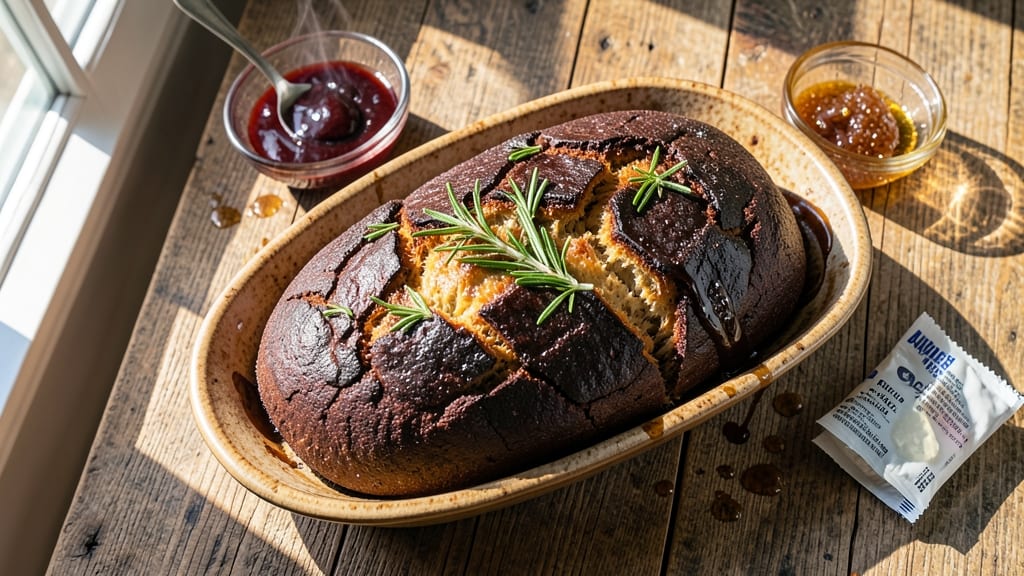
This American rye bread recipe delivers the perfect balance of dense, chewy texture and rich molasses flavor that defines classic rye. The secret lies in combining dark rye flour with just enough honey to create that signature caramelized crust while keeping the interior nutty and moist.
I've baked this exact recipe for years—it's the one my grandmother swore by, and it never fails to impress.
The process is straightforward but requires patience: a long fermentation develops deep flavor, while precise shaping ensures that signature crackly crust. You'll work with a sturdy dough that resists overproofing, making it beginner-friendly once you master the kneading technique.
The result? A loaf with a dark, molasses-kissed exterior and a tender, slightly tangy crumb that holds up beautifully for days.
What makes this recipe stand out is the versatility—slice it fresh for sandwiches, toast it for breakfast, or serve it warm with butter. The caraway seeds (optional) add a subtle anise-like warmth that pairs perfectly with the molasses. Every bite delivers that authentic rye experience without requiring specialty equipment.
Ready in about 3 hours (including proofing), this bread transforms ordinary meals into something special. The key steps—proper hydration, controlled fermentation, and precise baking—are all explained in detail to ensure success. Let's get started on your first loaf!
Ingredients for american rye bread
Dark rye flour, molasses, and honey create the signature flavor profile of this authentic American rye.
| Ingredient | Amount | Notes |
|---|---|---|
| Dark Rye Flour 🌾 | 3 cups | High-protein for chewy texture |
| All-Purpose Flour 🌾 | 1 cup | For structural balance |
| Active Dry Yeast 🍞 | ¼ oz | Or 2.25 tsp, fresh preferred |
| Granulated Honey 🍯 | ½ cup | Dark amber for molasses depth |
| Molasses 🍯 | ¼ cup | Unsulphured for authentic flavor |
| Warm Water 💧 | 1 ½ cups | 110°F for optimal yeast activation |
| Salt 🧂 | 1 ½ tsp | Diamond Crystal preferred |
| Caraway Seeds 🌿 | 1 tsp | Optional, toasted for aroma |
| Unsalted Butter 🧈 | ¼ cup | Cold, cubed for dough enrichment |
| Cornmeal 🌽 | ½ cup | For dusting and crust texture |
For the dark rye flour, King Arthur or Bob's Red Mill are excellent choices—both deliver that deep, nutty flavor essential for authentic rye. The molasses should be unsulphured to preserve its rich, caramelized notes, and I always reach for Goya brand for consistency. Caraway seeds, if using, should be toasted lightly in a dry pan to enhance their anise-like aroma before adding to the dough. The yeast is critical: ensure it's fresh, as old yeast can produce weak fermentation. For the butter, Plugrá or Land O'Lakes work well, but avoid salted varieties to maintain precise flavor balance.
No dark rye flour? Substitute with a mix of whole wheat and pumpernickel flour—though the texture will differ slightly. Short on molasses? Maple syrup at half the amount provides sweetness but lacks the deep caramel notes. Caraway seeds unavailable? Fennel seeds or anise offer similar warmth. The honey can be swapped for brown sugar dissolved in water, though honey's moisture content aids fermentation. For yeast activation, ensure your water is 110°F—too hot kills yeast, too cool slows fermentation. If your kitchen runs cold, warm the water slightly before mixing.
This dough requires patience—ferment for 1.5 to 2 hours until nearly doubled in size. Store any unused rye flour in an airtight container in a cool, dark place for up to 6 months. The molasses and honey can be refrigerated for 1 year unopened. For the final loaf, wrap tightly in plastic wrap or a clean kitchen towel to retain moisture. The bread stays fresh for 5-7 days at room temperature, though it's best enjoyed within the first 2 days for optimal texture. Freeze any extras by slicing and wrapping tightly—reheat in a 350°F oven for 5-10 minutes to restore freshness.
Why You'll Love This Recipe
- No-Knead Nightmare Solved: I swear by this dough—just mix, rest, bake. That dark rye flour does all the heavy lifting while you scroll through your phone or sip coffee. The yeast handles the rising, so you’re not stuck punching dough for hours.
- Sweet-Savory Magic: That molasses and honey combo? It’s like a secret handshake between flavors—deep, caramelized warmth with just enough tang to keep it interesting. Honestly, the first slice out of the oven makes me pause mid-sentence.
- Sandwich Superstar: Between us, this bread turns any meal into a showstopper. Grilled cheese? Heaven. Reuben? Legendary. Even plain butter becomes a moment. I keep a loaf in the freezer just for lazy mornings when toast is the only thing holding me together.
- Budget-Friendly Staple: A single batch feeds my whole family for days—think toast, sandwiches, or even croutons. The rye flour might cost a little more upfront, but it stretches further than white bread, and the honey/molasses add richness without breaking the bank. My wallet thanks me every time.
Step-by-step instructions for American rye bread with molasses crust
Mastering this recipe delivers a signature dark crust and dense, nutty interior every time.
Activate the Yeast and Mix the Dough
In a large mixing bowl, combine the 1.5 cups warm water with the 0.5 cup granulated honey and 0.25 cup molasses, stirring until fully dissolved. Sprinkle the 0.25 oz active dry yeast over the surface and let sit for 5-10 minutes until frothy—this confirms the yeast is active and ready to work. If it doesn't bubble, your yeast may be dead, and you'll need to start over.
Add the 3 cups dark rye flour, 1 cup all-purpose flour, 1.5 tsp salt, and 1 tsp caraway seeds to the bowl. Using a wooden spoon or dough whisk, mix until a shaggy dough forms. The rye flour will absorb moisture slowly, so don't rush this stage. Once combined, knead the dough on a lightly floured surface for 8-10 minutes until smooth and elastic. The dough should feel slightly tacky but not sticky—add a little more rye flour if needed.
Incorporate the Butter and Begin the First Rise
Cut the 0.25 cup unsalted butter into small cubes and work them into the dough one at a time, kneading well after each addition. The butter should be cold to prevent over-softening the dough. Once fully incorporated, shape the dough into a round loaf and place it in a lightly greased bowl. Cover with a damp kitchen towel and let rise in a warm place for 1.5-2 hours, or until doubled in size. The dough should feel light and springy when pressed gently.
Here's the thing—rye dough rises slower than wheat-based doughs. Don't be tempted to rush this step. The extended fermentation develops the deep, complex flavors we're after. If your kitchen isn't warm enough, place the bowl near a turned-off oven with the light on to create a consistent environment.
Shape and Prepare for the Second Rise
Punch down the risen dough to release air, then shape it into a round loaf again. Place it seam-side up in a 9x5-inch loaf pan that's been lightly coated with cornmeal. This creates that signature crispy crust we want. Cover the pan with the damp towel and let rise for another 30-45 minutes until the dough has expanded noticeably above the pan's rim. The second rise should be quicker than the first due to the dough's initial fermentation.
Preheat your oven to 375°F while the dough rises. This temperature is crucial—too low and the crust won't develop properly; too high and the interior may bake unevenly. Place a small baking sheet on the lower oven rack to catch any potential drips from the molasses-rich dough.
Bake to Develop the Signature Crust
Bake the loaf for 45-50 minutes until the top is deep golden brown with a crackly crust. The internal temperature should reach 190-200°F when measured with an instant-read thermometer. If the crust browns too quickly, tent the loaf with aluminum foil to prevent over-browning while allowing the interior to finish baking.
The molasses and honey will caramelize beautifully during baking, creating that signature dark, glossy crust. You'll know it's done when the loaf sounds hollow when tapped on the bottom. Remove from the oven and let cool in the pan for 10 minutes, then transfer to a wire rack to cool completely. This resting period is essential—it allows the bread to set properly and prevents a gummy texture.
Serve and Store for Maximum Freshness
Once completely cooled, slice the loaf with a serrated knife for clean cuts through the dense interior. The bread should have a crispy, almost crackly crust that gives way to a moist, chewy interior with a subtle sweetness from the molasses and honey. Each slice should reveal a beautiful contrast between the dark exterior and the lighter, nutty interior.
For best results, store wrapped in plastic at room temperature for up to 3 days, or freeze for up to 3 months. When reheating, wrap slices in foil and warm in a 350°F oven for 5-7 minutes to restore that fresh-baked texture. This bread makes excellent toast or pairs beautifully with smoked meats and sharp cheeses.
Pro Tips For Making American Rye Bread
- Use Warm Water for Yeast: I learned this the hard way—yeast in cold water just sits there sulking. Mix the yeast with warm (not hot) water and honey first, then let it foam for 5-10 minutes before adding other ingredients. That little wait guarantees your dough will rise properly, especially with rye’s heavy density.
- Mix Molasses Last: Molasses is sneaky—it can kill yeast if added too early. Save it for the final mix, right before shaping. This keeps your dough active while letting the molasses blend smoothly into the dark rye’s earthy bite.
- Don’t Over-Knead the Dough: Rye is stubborn. Once it holds together (usually after 8-10 minutes by hand), stop. Overworking it makes gluten tough, and your bread will turn out dense instead of chewy. Feel for resistance, not perfection.
- Steam the First 15 Minutes: This isn’t just for looks—it builds that crackly crust and keeps the crumb soft. Place a metal bowl of boiling water in your oven, then slide in the loaf. The steam fights rye’s dryness and gives you that classic American rye shine. (Yes, even if you’re impatient like me.)
Perfect pairings for these flavors
Classic Pairings
American rye bread shines with hearty breakfast plates—try it with scrambled eggs and crispy bacon for a satisfying morning meal. The bread's dense texture holds up perfectly to creamy avocado toast or smoked salmon and herbed cream cheese.
For lunch, pair it with turkey and Swiss cheese or pastrami and mustard for that classic deli sandwich experience. 🥓
Cheese Boards
Create a stunning cheese board by pairing rye slices with aged cheddar, Gouda, and blue cheese—the bread's tangy notes complement sharp cheeses beautifully. Add dried apricots, walnuts, and honey drizzle for a balanced contrast.
I love adding a prosciutto wrap around the edges for extra flair. The molasses crust also pairs wonderfully with brie and fig jam.
Soup Companions
This bread is ideal with creamy potato leek soup or roasted tomato basil soup—its chewy texture soaks up broth beautifully. For a heartier option, try it with beef barley soup or lentil stew.
The caraway seeds in the bread add a subtle warmth that enhances earthy soups. For a lighter option, pair with gazpacho and a dollop of sour cream.
Dessert Twists
Don't stop at savory pairings! Toast slices and top with mascarpone cheese and blackberry jam for a dessert bread. The molasses crust adds a caramelized depth that works surprisingly well with dark chocolate spread or peanut butter.
For a festive touch, drizzle with warm caramel sauce and sprinkle with sea salt.
Beverage Pairings
Complement the bread's rich flavors with a robust black coffee or espresso—the bitterness balances the sweetness perfectly. For a non-coffee option, try sparkling apple cider or a dry Riesling wine to cleanse the palate.
A stout beer like Guinness also pairs wonderfully with the molasses notes. For tea lovers, Earl Grey enhances the caraway flavors beautifully. 🍷
Global Variations
Take inspiration from other cultures: In Germany, rye bread is often paired with sausage and sauerkraut for a hearty meal. In Sweden, it's served with smoked herring and dill cream sauce.
For a modern twist, try it with charcuterie and olive tapenade. The bread's versatility makes it a perfect canvas for global flavors. 🗺️
Nutrition facts
Frequently asked questions
Why does my rye bread turn out too dense or heavy?
Rye flour absorbs more water than wheat flour, so proper hydration is key. Use 1.5 cups warm water (not hot) and knead just until the dough comes together—overworking makes it tough. The secret is patience: let it ferment 1.5-2 hours until nearly doubled. If your kitchen is cold, place the bowl near a warm oven with the light on to help the yeast work efficiently.
Can I make this without a loaf pan?
Shape the dough into a round boule or batard and bake on a parchment-lined sheet. Brush with water every 10 minutes for 45-50 minutes at 375°F to create steam and a crispy crust. For extra crunch, sprinkle cornmeal on the parchment before baking. The texture will be slightly different but still delicious—more rustic and open-crumbed.
What's the best way to store leftover rye bread?
Wrap tightly in plastic wrap or an airtight container to lock in moisture. At room temperature, it stays fresh for 5-7 days, though the crust loses crispness after 2 days. For longer storage, slice and freeze—reheat wrapped in foil at 350°F for 5-7 minutes. To revive stale bread, sprinkle with water and toast in the oven at 350°F for 5 minutes.
How do I know when the yeast is active?
The yeast is ready when the mixture with warm water and honey/molasses becomes bubbly and frothy within 5-10 minutes. If nothing happens after 10 minutes, your yeast may be dead—try fresh yeast or check your water temperature (110°F is ideal). Never use hot water, as it kills yeast instantly. A simple test: drop a pinch of sugar into the mixture—active yeast will foam vigorously.
Can I substitute whole wheat flour for dark rye flour?
While possible, the results won't be the same. Dark rye flour gives that signature tangy, nutty flavor and dense texture. If substituting, use 1.5 cups whole wheat flour + 1.5 cups pumpernickel flour for a closer match. The dough will be stickier, so add 1-2 extra tablespoons of water if needed. Expect a slightly less dense crumb and milder flavor compared to authentic rye.