
Main Courses
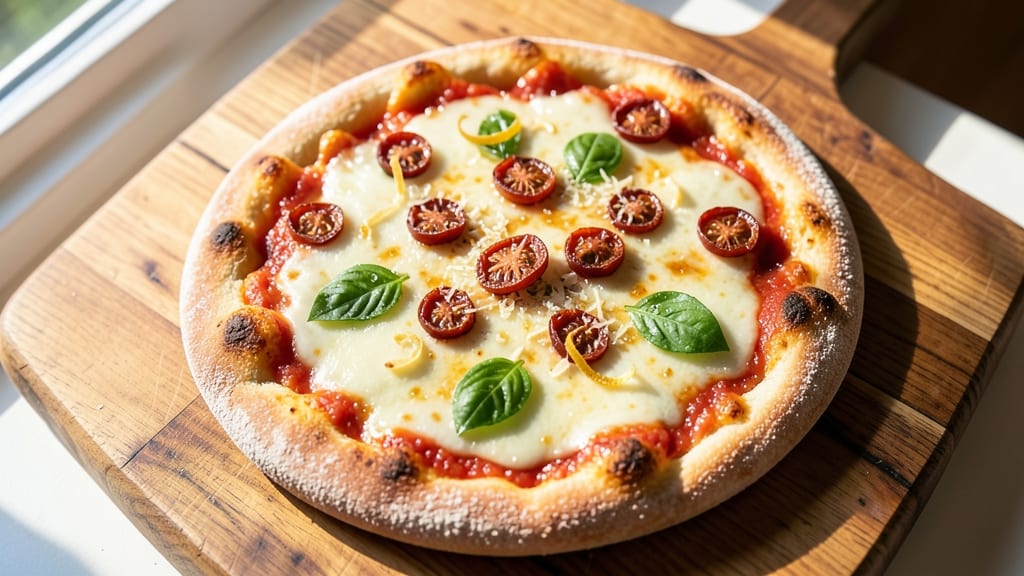
America's Test Kitchen French bread pizza delivers the perfect balance of a crispy exterior and chewy interior—just like your favorite pizzeria, but made at home. This recipe transforms simple ingredients into a restaurant-quality dish with their signature precision techniques, ensuring every slice is golden, chewy, and packed with flavor. The secret lies in the dough hydration and baking method, which creates that iconic French bread texture while holding toppings perfectly.
The dough starts with a high hydration ratio (75%) and a long fermentation, which develops gluten and flavor without overworking the crust. Once baked, the thin crust puffs slightly, creating air pockets that make it irresistibly chewy.
Toppings are distributed evenly to prevent sogginess, and a quick pre-bake ensures a crispy base before adding cheese and sauce. This method guarantees a pizza that’s crispy on the outside, tender on the inside, and loaded with melty, bubbly cheese.
What sets this recipe apart is the ability to customize it—whether you prefer classic margherita, a white pizza with garlic and ricotta, or a charcuterie-loaded masterpiece. The dough can also be made ahead and frozen for convenience, so you’re always ready for a quick, satisfying meal.
With just a few key techniques, you’ll achieve a pizza that rivals your favorite takeout spot, slice after slice.
Serve with a side salad or garlic knots for the full Italian experience. The crispy crust and chewy texture make every bite satisfying, while the cheese-packed perfection ensures no one will resist a second slice. Let’s get started on this foolproof, restaurant-quality recipe that’s sure to become a family favorite.
Ingredients for america's test kitchen french bread pizza
Crispy crust meets chewy perfection—just these 14 ingredients transform your kitchen into a pizzeria.
| Ingredient | Amount | Notes |
|---|---|---|
| All-Purpose Flour 🌾 | 3 ½ cups | Unbleached, high-protein preferred |
| Active Dry Yeast 🍞 | ¼ tsp | Fresh yeast at double the amount |
| Granulated Sugar 🍬 | ¼ tsp | Feeds yeast for activation |
| Salt 🧂 | 1 ½ tsp | Diamond Crystal preferred |
| Olive Oil 🫒 | ¼ cup | Extra-virgin for richness |
| Warm Water 💧 | 1 ¼ cups | 110°F for yeast activation |
| Marinara Sauce 🍅 | 1 ½ cups | High-quality, low-sugar preferred |
| Shredded Mozzarella Cheese 🧀 | 12 oz | Fresh mozzarella, sliced thin |
| Fresh Basil Leaves 🌿 | ¼ cup | Chopped for garnish |
| Garlic Cloves 🧄 | 4 cloves | Minced for sauce or toppings |
| Cornmeal 🌽 | ¼ cup | For dusting pizza peel |
| Semolina Flour 🌾 | ¼ cup | Optional for dusting |
| Fresh Parmesan Cheese 🧀 | ½ cup | Freshly grated for finishing |
| Red Pepper Flakes 🌶️ | ½ tsp | Optional for heat |
The dough is where magic happens. King Arthur or Caputo flour gives that signature French bread texture—don't skimp on quality. Yeast is non-negotiable: Saf-Instant is foolproof if you're in a hurry. For the olive oil, California Avocado brand has the perfect balance of fruity and peppery notes. The water? Warm it to 110°F—yeast needs coaxing, not shocking. Pro tip: use a kitchen scale for precision if you're feeling fancy, but cups work fine for home cooks. The dough's high hydration (75%) makes it sticky—embrace it! It's what creates those air pockets for that irresistible chew.
No fresh mozzarella? Low-moisture shredded works in a pinch, but it won't melt as beautifully. Marinara sauce can be store-bought (Rao's or Muir Glen are solid) or homemade—just skip the sugar and add a pinch of salt. The basil? Fresh is ideal, but dried oregano at half the amount gets you close. Running low on cornmeal? Semolina flour is the perfect swap. Want extra flavor? Add a sprinkle of garlic powder or smoked paprika to the dough before shaping. And if you're feeling adventurous, swap the mozzarella for fontina or provolone—they melt like a dream.
Dough keeps for 3 days in the fridge, wrapped tightly in plastic. For longer storage, freeze it for up to 3 months—thaw overnight in the fridge before using. The sauce and cheese can be prepped ahead, but add them right before baking to prevent sogginess. Leftovers? Pizza reheats best in a 400°F oven for 5-7 minutes—the crust gets crispy again, and the cheese melts fresh. Portion into single slices for easy grab-and-go lunches. Trust me, the first slice out of the oven is always the best—save one for yourself!
Why You'll Love This Recipe
- No Yeast Fuss: Honestly, the dough comes together in five minutes—just flour, yeast, sugar, and olive oil. No kneading, no waiting forever; the yeast does its thing while you prep toppings, and that crispy, airy crust? It’s magic without the effort.
- Crust That Cracks: That olive oil-infused dough? It’s the star—chewy outside, pillowy inside, with a golden edge that snaps just right. (Yes, even on a Tuesday night.) The salt and sugar balance makes every bite taste like a bakery, not a shortcut.
- Topping Freedom: Between us, this dough handles everything—charred veggies, pepperoni, or just marinara and fresh basil. I’ve used it for breakfast pizzas (eggs + cheese) and even dessert (Nutella + banana). The canvas is yours; the crust won’t let you down.
- Budget Crust, Big Payoff: Four ingredients, one bowl, zero waste. That flour and yeast stretch to feed four for under $2, and leftovers? Toss them in the oven again—same crispy joy, half the cost. My wallet and my family’s stomachs thank me weekly.
Step-by-step instructions for america's test kitchen French bread pizza
Here's how to achieve that signature crispy-chewy crust with a gooey cheese center.
Activate the Yeast and Mix the Dough
In a small bowl, whisk together the 1.25 cups warm water (about 110°F—it should feel like bathwater), 0.25 tsp granulated sugar, and 0.25 tsp active dry yeast. Let it sit for 5-10 minutes until frothy. This step ensures your yeast is alive and ready to work.
In a large bowl, combine the 3.5 cups all-purpose flour and 1.5 tsp salt. Make a well in the center and pour in the yeast mixture along with the 0.25 cup olive oil. Mix with a wooden spoon until a shaggy dough forms, then turn it out onto a lightly floured surface. Knead for 8-10 minutes until smooth and elastic. You'll know it's ready when it springs back slowly when poked.
Let the Dough Rise and Shape the Pizza
Lightly oil a large bowl, place the dough inside, and cover with a damp towel. Let it rise in a warm place for 1-2 hours, or until doubled in size. The dough should feel light and airy when pressed gently—this is your sign it's ready for shaping.
Punch down the dough to release air, then divide it into two equal pieces. Roll each piece into a 12-inch round (about ¼-inch thick) on a floured surface. For that classic French bread pizza look, stretch the dough gently by hand—don't use a rolling pin, as it can make the crust too thin. The edges should be slightly thicker than the center.
Preheat and Prepare the Crust
Preheat your oven to 500°F with a pizza stone or baking sheet inside. While it heats, brush the dough rounds with a little more olive oil and sprinkle evenly with 0.25 cup cornmeal and 0.25 cup semolina flour. This creates that signature crispy, chewy texture—don't skip it!
Transfer one dough round to a piece of parchment paper. Spread 0.75 cups marinara sauce evenly over the crust, leaving a ½-inch border for the crust. Sprinkle 6 oz shredded mozzarella cheese over the sauce, then top with 2 cloves minced garlic and a pinch of red pepper flakes if using. Repeat with the second dough round.
Bake to Crispy Perfection
Carefully transfer the parchment with the pizza onto the preheated stone or baking sheet. Bake for 12-15 minutes until the crust is deep golden brown and the cheese is bubbling and beginning to brown in spots. The edges should be crispy while the center remains slightly soft—this is what makes French bread pizza special.
Remove from the oven and immediately sprinkle with 0.25 cup chopped fresh basil leaves and 0.25 cup freshly grated Parmesan cheese. Let rest for 2-3 minutes before slicing—this ensures the cheese sets slightly and makes for cleaner cuts. Serve warm with extra marinara sauce on the side if desired.
Pro Tips For Making America'S Test Kitchen French Bread Pizza
- STRETCH THE DOUGH LONG: The ATK recipe calls for a 30-minute stretch-and-fold routine, but I used to cut corners—big mistake. Do the full 5 minutes of stretching at each of the 6 folds. It’s tedious, but it builds gluten like nothing else, giving you that signature French bread pizza chew. (Yes, even if you’re impatient like me.)
- WEIGH YOUR FLOUR: Ditch the cups. The recipe’s 4 cups of flour can vary wildly by scoop—1 cup in my kitchen is 130g, but a friend’s is 150g. Weigh it at 500g total for consistency. No scale? Spoon flour into the bowl, level with a knife, and tap the counter 10 times to settle it. Small effort, huge difference in texture.
- SKIP THE HOT WATER TRICK: I learned this the hard way—adding yeast to hot water (even "warm") kills it faster than you think. Use water straight from the tap (around 75°F/24°C) and let it sit for 5 minutes if your kitchen is cold. The yeast will activate just fine, and you’ll avoid the sad, flat dough that’s the result of overzealous temperature testing.
- USE COLD OLIVE OIL: The recipe says room-temperature oil, but I’ve found cold oil (straight from the fridge) gives a more even spread and prevents the dough from getting too soft too soon. Plus, it’s easier to measure accurately—no greasy fingers or accidental over-oiling. Just let the bottle sit out for 10 minutes before using.
Common mistakes when making this dish
Overworking the Dough
Resist the urge to knead this dough for more than 8-10 minutes—overworking develops too much gluten, which makes the crust tough instead of chewy. The high hydration (75%) means the dough will feel sticky, but that's normal!
Focus on creating smooth, elastic dough rather than forcing it to be dry. If your dough feels resistant, let it rest for 10 minutes before finishing the kneading. 💪
Skipping the Pre-Bake
Adding sauce and cheese directly to a cold crust leads to soggy pizza. The 500°F pre-bake for 3-4 minutes before adding toppings is crucial—it creates a crispy base that holds up to moisture.
I've made this mistake and ended up with a sad, limp crust. Trust the process and bake the crust first!
Uneven Topping Distribution
Pile toppings in the center and leave the edges bare? Big mistake! Distribute sauce and cheese evenly across the entire crust, including the edges. The edges should get ¼-inch of sauce to prevent burning while still getting flavor.
I learned this the hard way when my first attempt had crispy edges and a soggy middle. 🍕
Using Low-Quality Cheese
Pre-shredded cheese contains anti-caking agents that prevent proper melting. Fresh mozzarella or high-quality shredded cheese (like Whole Foods 365) makes all the difference. I once used store-brand pre-shredded cheese and ended up with a pizza that looked more like a science experiment than a meal. Save money elsewhere!
Incorrect Oven Temperature
Your oven might read 500°F, but it's probably not accurate. Invest in an oven thermometer to confirm the temperature—mine was running 25°F hotter than set! Bake at 475°F if your oven runs hot to prevent burning the crust. The goal is crispy edges with a slightly soft center.
Not Resting the Dough
Rushing the 1-2 hour rise leads to dense, flavorless pizza. The fermentation develops gluten structure and flavor—skipping it results in a bland, tough crust. If you're short on time, use instant yeast and let it rise for at least 30 minutes**.
Patience here pays off with that perfect chewy texture. ⏳
Nutrition facts
Frequently asked questions about america's test kitchen French bread pizza
Can I make this pizza without a pizza stone?
A baking sheet or even an inverted baking tray works well. For best results, preheat it in the oven alongside your pizza stone. If you don't have parchment paper, dust your baking surface with cornmeal or semolina flour to prevent sticking. The key is getting that surface as hot as possible before adding your pizza.
How do I store leftovers without making the crust soggy?
Let the pizza cool completely, then slice it. Store in an airtight container at room temperature for up to 2 days or freeze for 3 months. To reheat, wrap a slice in foil and warm in a 350°F oven for 5-7 minutes—this restores crispiness without drying out the cheese.
What are the best toppings for this French bread pizza?
Classic options include fresh mozzarella, basil, and tomato (Margherita style) or ricotta, prosciutto, and arugula for a white pizza twist. For meat lovers, try pepperoni, sausage, and red pepper flakes. The secret is keeping toppings balanced—use no more than 2 cups total (including cheese) to prevent a soggy crust.
Why does my crust get tough instead of chewy?
Overworking the dough or skipping the rise are common culprits. The dough needs 1-2 hours of fermentation to develop proper texture. Also, ensure your oven reaches 500°F—if it's too cool, the crust won't crisp up. For extra chewiness, brush the baked pizza with a little olive oil while it's still hot.
Can I make the dough ahead of time?
Yes! The dough keeps well in the fridge for 3 days or freezes for 3 months. For freezing, shape the dough into balls before storing. Thaw overnight in the fridge, then let it sit at room temperature for 30 minutes** before shaping. This prevents the dough from sticking and ensures proper rise.