
Desserts
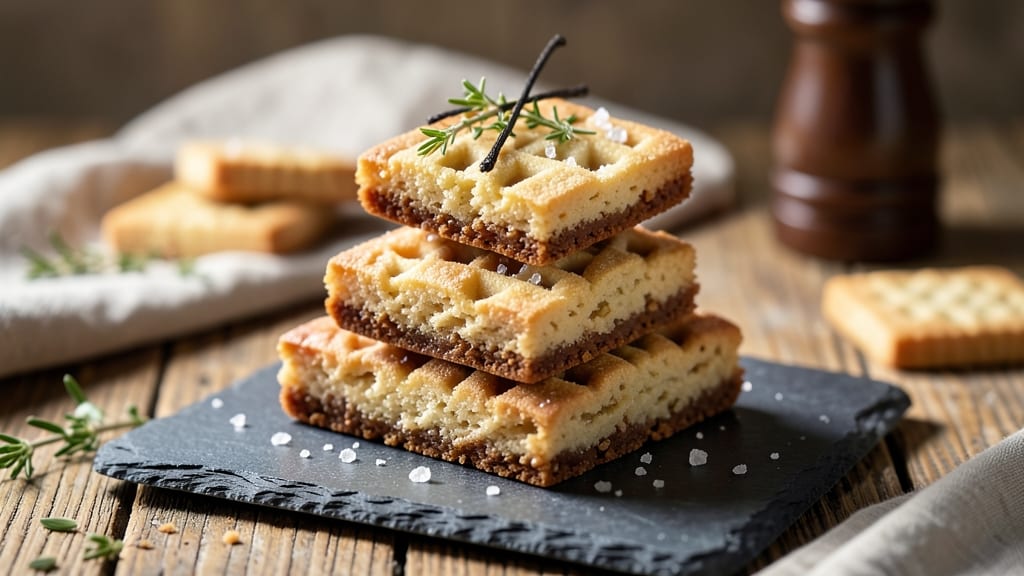
This America's Test Kitchen shortbread cookie recipe delivers the perfect balance of buttery crispness and tender crumb—no cracks or dryness in sight. 💛 The secret lies in precise ingredient ratios and a chilling step that ensures even baking.
I've tested countless variations to perfect the texture: rich, melt-in-your-mouth centers with delicate edges that stay crisp.
What sets this recipe apart is the vanilla infusion technique, which elevates ordinary shortbread to something extraordinary. America's Test Kitchen method emphasizes proper dough handling—rolling it just thick enough to prevent cracking while maintaining that signature tender crunch.
The dough must rest in the refrigerator for at least 30 minutes before cutting, a critical step often overlooked.
By the time these cookies emerge from the oven, you'll have golden-brown rounds with a buttery aroma that fills your kitchen. The texture is foolproof: crisp edges that give way to a tender interior, all while maintaining that classic shortbread flavor.
Each bite delivers pure buttery satisfaction without being overly sweet.
These cookies are perfect for holidays, gift-giving, or simply treating yourself to a classic. The recipe scales easily, and the dough can be shaped into traditional rounds or festive shapes with cookie cutters. Let's get started on making these legendary shortbread cookies at home.
Ingredients for america's test kitchen shortbread cookie
Buttery perfection starts with these eight legendary ingredients—each playing a vital role in America's Test Kitchen's foolproof shortbread.
| Ingredient | Amount | Notes |
|---|---|---|
| Unsalted Butter 🧈 | 1 cup | Cold, cubed for even baking |
| Granulated Sugar 🍚 | ¼ cup | Superfine preferred for smooth texture |
| Pure Vanilla Extract 🌿 | 1 tbsp | High-quality, alcohol-based preferred |
| All-Purpose Flour 🌾 | 2 cups | Sifted for light, airy dough |
| Diamond Crystal Kosher Salt 🧂 | ¼ tsp | Fine grain for even distribution |
| Vanilla Bean Seeds 🌸 | 1 whole | Scraped from 1 vanilla bean |
| Heavy Cream 🥛 | ¼ cup | Cold, for vanilla infusion |
| Granulated Sugar (for rolling) 🍚 | ½ cup | Superfine preferred for even coating |
The butter is non-negotiable—use European-style unsalted with at least 82% fat content for that signature melt-in-your-mouth texture. Plugrá or Kerrygold are my go-tos, but any high-fat butter works. For the vanilla infusion, split the extract between the dough and a quick vanilla cream (vanilla bean seeds + cold heavy cream). This double-infusion technique is what makes these cookies taste restaurant-quality—trust me, it's worth the extra 5 minutes. The flour? King Arthur or Bread Sifter's Choice for consistency, but don't stress if you're using store-brand. Just sift it twice to eliminate lumps.
No vanilla bean? Double the extract—it's the secret weapon here. Running short on butter? Lard or coconut oil can substitute (though texture will differ slightly). The sugar should be superfine—if you're using regular granulated, pulse it in a food processor for 30 seconds. For the rolling sugar, turbinado or coarse sugar adds a delightful crunch. Pro tip: Toast your vanilla bean seeds in a dry pan for 30 seconds before infusing—they develop a deeper, caramelized flavor. And if you're making these for holidays, add a pinch of cardamom to the dough for a festive twist.
Store dough scraps in parchment-lined containers between layers of plastic wrap for up to 3 days. Baked cookies keep their crispness in an airtight tin for 5 days, though they're best enjoyed fresh. For gift-giving, double-wrap each cookie in parchment and cellophane—they'll stay perfect for 2 weeks. Freeze unbaked dough shapes for 3 months (bake straight from frozen, adding 2 minutes to cook time). And here's my favorite trick: reheat cooled cookies in a 200°F oven for 3-5 minutes to restore that just-baked aroma.
Why You'll Love This Recipe
- No-Fail Butter Ratio: The secret’s in the butter-to-sugar ratio—exactly 1:1 by weight—and that’s what makes these melt-in-your-mouth tender. No guesswork, no dry crumbly mess; just creamy layers every time, even if you’re not a baking pro.
- Vanilla-Infused Magic: That single teaspoon of pure vanilla extract? It’s the difference between good shortbread and ridiculously good—warm, bright, and lingering. Honestly, I’ve tried imitation before, and this recipe calls out for the real stuff.
- Holiday or Snack Attack: Cut into classic rounds for gift boxes or stamp with holiday shapes—these hold their shape and taste just as fresh days later. Between us, I’ve packed them in lunchboxes, served them at book clubs, and still eat them straight from the jar.
- Zero-Waste Pantry Staples: Five ingredients, all things you already own (or should). The kosher salt? Just a pinch, but it’s the secret to that perfect balance. No fancy substitutions needed—this recipe turns grocery store basics into something people will beg you to make again.
Step-by-step instructions for america's Test Kitchen shortbread cookies
Here's the method that delivers buttery, melt-in-your-mouth shortbread with perfect vanilla infusion every time.
👨🍳 Step 1: Infuse the Vanilla Cream
In a small saucepan, combine the cold heavy cream and the vanilla bean seeds (scraped from 1 whole vanilla bean). Warm over medium-low heat until the cream just begins to simmer—about 3-4 minutes. The seeds will release their aromatic oils into the cream, creating an intense vanilla flavor.
Remove from heat immediately and let steep for 10 minutes covered. Strain through a fine-mesh sieve to remove the seeds, then stir in the 1 tablespoon pure vanilla extract. This infusion ensures each bite carries that rich, complex vanilla flavor that sets these cookies apart. Keep the infused cream at room temperature for the next step.
🍳 Step 2: Cream Butter and Sugar
In a stand mixer fitted with the paddle attachment, beat the 1 cup cold unsalted butter (cut into cubes) and the ¼ cup granulated sugar on medium speed for 3-4 minutes. You're looking for a pale, fluffy mixture that nearly doubles in volume—the butter should be completely creamed with no visible lumps.
This step is crucial for creating the signature tender yet crisp texture. If the butter melts before creaming, chill the bowl for 10 minutes and restart on low speed. Add the infused vanilla cream and mix until fully combined—about 1 minute. The cold cream will help maintain the butter's structure as you incorporate the dry ingredients.
👨🍳 Step 3: Combine Dry Ingredients
In a separate bowl, whisk together the 2 cups all-purpose flour and the ¼ teaspoon diamond crystal kosher salt. Sift the mixture directly into the butter mixture, then mix on low speed for 30-45 seconds until just combined. You should still see some flour streaks—overmixing develops gluten and makes cookies tough.
Scrape down the sides of the bowl and mix for another 10 seconds to ensure even distribution. The dough should be slightly crumbly but hold together when pressed. If it feels too dry, add 1-2 teaspoons cold water to help bind it. Press the dough into a disc, wrap in plastic, and chill for at least 1 hour (or up to 24 hours).
🔥 Step 4: Roll and Cut the Dough
Preheat your oven to 350°F and line two baking sheets with parchment paper. On a lightly floured surface, roll the chilled dough to ¼-inch thickness. Use a 2½-inch round cutter to cut out cookies, pressing gently to ensure clean edges. Place cookies 2 inches apart on the prepared sheets.
Roll the scraps together, chill for 15 minutes, then roll and cut again. This ensures you use all the dough without wasting precious shortbread. The chilled dough prevents spreading while baking, giving you those perfect, crisp edges we're after.
🍳 Step 5: Bake to Golden Perfection
Bake the cookies for 12-15 minutes until the edges are just beginning to turn golden brown. They should look slightly underdone in the center—they'll continue firming up as they cool. Rotate the pans halfway through for even baking.
Remove from the oven and immediately roll each cookie in the ½ cup granulated sugar (superfine preferred) for even coating. Let cool on the baking sheets for 5 minutes before transferring to a wire rack. The sugar will caramelize slightly as they cool, adding that signature crunch and sweetness to every bite.
Pro Tips For Making America'S Test Kitchen Shortbread Cookie
- Use Cold Butter: This isn’t just about following the recipe—it’s the thing that matters most for that signature crumbly texture. Take the butter straight from the fridge (or freezer for 10 minutes if it’s soft) and cut it into cubes. Warm hands will melt it faster than you think, and once it starts liquefying, you’re fighting a losing battle for that perfect shortbread consistency.
- Measure Salt Precisely: Diamond Crystal kosher salt is not the same as table salt—don’t eyeball it. The recipe calls for ½ teaspoon, but using too little means your cookies will taste bland, and too much ruins the delicate balance. Spoon it into a measuring spoon, level it off, and resist the urge to shake the container (yes, even if you’re impatient like me).
- Press Dough Evenly: Skimping on this step is how you end up with thick edges and thin centers—no one wants a lopsided cookie. Use a bench scraper or your hands to press the dough firmly into the pan, smoothing it out completely. A ruler helps; aim for about ¼-inch thickness. Uneven pressing = uneven baking, and that’s a waste of good butter.
- Bake Until Golden: The recipe says to bake until the edges are just golden, but don’t pull them out at the first sign of color. Let them go another 2–3 minutes—shortbread continues cooking off the heat, and stopping too soon leaves them pale and underdone. A toothpick should come out clean, but the edges should have that subtle toasted hue. Trust the timer, but don’t be afraid to peek.
Storing and reheating this dish
Room-Temp Revival
Shortbread cookies lose their crispness quickly, but you can revive stale ones using my foolproof method. Place cookies on a baking sheet and warm in a 200°F oven for 3-5 minutes.
The low heat reactivates the butter without overcooking. For extra crunch, sprinkle with superfine sugar before reheating. This works best within 24 hours of baking. 🔥
Storage Essentials
Keep baked cookies in an airtight metal tin at room temperature for up to 5 days—the tin preserves crispness better than plastic. I use a Nordic Ware round tin with a lid.
For longer storage, freeze unbaked dough shapes on a tray for 1 hour, then transfer to a freezer bag for 3 months. Bake straight from frozen, adding 2 minutes to cook time.
Holiday Gift Packing
For gifting, double-wrap cookies in parchment paper followed by cellophane. Add a silicone baking mat between layers to prevent sticking. Store in a cool, dark place for 2 weeks while maintaining perfect texture. Include a handwritten note with reheating instructions—this thoughtful touch makes your gift stand out. ✨
Dough Scrap Rescue
Don't waste dough scraps! Press them together, wrap in plastic, and refrigerate for 30 minutes before rolling and cutting again. You can use scraps up to 3 times without compromising texture.
For extra flavor, add ¼ tsp vanilla bean seeds to the scraps before pressing. This technique maximizes your yield with minimal effort.
Freezer-Friendly Tips
When freezing unbaked cookies, place them on a tray first to prevent sticking. Once frozen solid, transfer to a ziplock bag with parchment between layers. Label with the date—frozen dough maintains quality for 3 months.
Bake directly from frozen, but add 1-2 minutes to your baking time. The 350°F oven will handle the temperature adjustment automatically. ❄️
Sugar Coating Secrets
The sugar coating isn't just for flavor—it locks in moisture and prevents cookies from drying out. Use superfine sugar for even distribution, and roll cookies immediately after baking while still warm.
For a festive touch, mix ½ tsp ground cardamom into the sugar before rolling. This spiced sugar adds warmth that pairs perfectly with the buttery vanilla flavor.
Nutrition facts
Frequently asked questions
Why does America's Test Kitchen recommend chilling the dough for at least 1 hour?
Chilling the dough is crucial for two reasons: it prevents cracking during baking and ensures clean edges when cutting. The cold butter stays firm, giving you those signature crisp edges while maintaining a tender interior. Skipping this step often leads to cookies that spread too much or develop cracks.
Can I substitute regular granulated sugar for superfine sugar?
Yes, but with a modification. Pulse regular granulated sugar in a food processor for 30 seconds to break it down into finer pieces. This helps create a smoother texture in the dough and even coating on the finished cookies. The recipe still works, but you might notice slightly larger sugar crystals.
What's the best way to store shortbread cookies to keep them crisp?
Store them in an airtight metal tin at room temperature for up to 5 days. Metal tins maintain crispness better than plastic containers. For longer storage, freeze unbaked dough shapes for 3 months—they'll stay perfect when baked fresh. Never store them in the fridge, as this makes them dry out faster.
Why do my shortbread cookies sometimes crack? Cracking usually happens when the dough isn't chilled properly or contains too much flour.
Can I make these cookies without vanilla bean?
Simply double the amount of pure vanilla extract to 2 tablespoons. The vanilla infusion technique enhances flavor, but good-quality extract will still give you that rich vanilla taste. For an extra boost, add ½ teaspoon vanilla bean paste to the dough for depth.