
Side Dishes
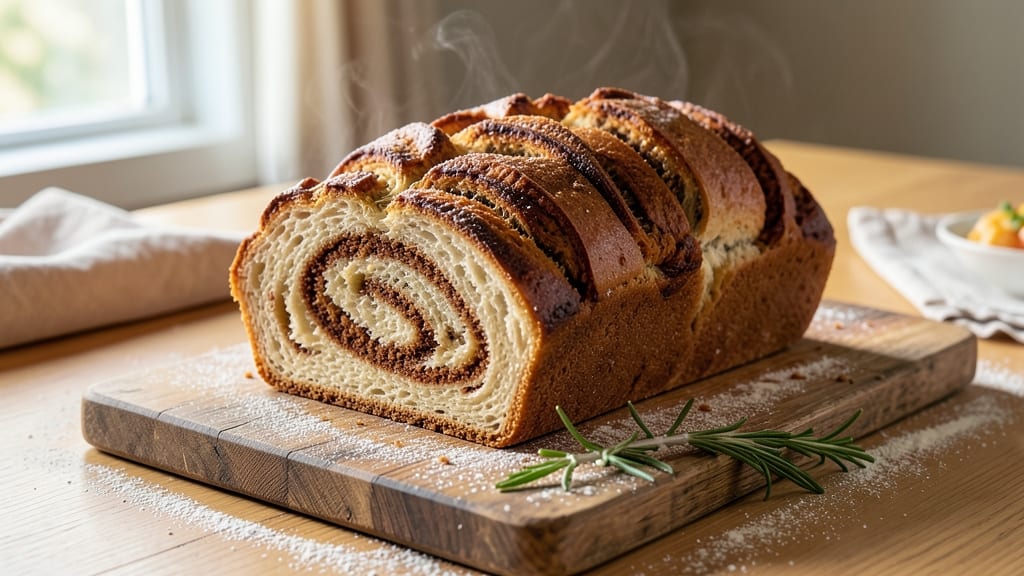
This Amish cinnamon friendship bread recipe delivers the cozy, pull-apart magic of a traditional loaf—without needing a starter. 🌟 The secret lies in yeast activation, where warm milk and sugar create the perfect environment for yeast to bloom, ensuring a tender, fluffy crumb.
What makes this recipe special is the foil-sealed baking method, which traps steam for a soft, even rise while those cinnamon-sugar swirls and walnuts caramelize into golden perfection.
Unlike traditional recipes that rely on sourdough starters, this version uses a simple yeast activation technique that’s foolproof for home bakers. The dough comes together in just 15 minutes of mixing, then rests while you prepare the signature cinnamon-sugar filling—walnuts, brown sugar, and cinnamon baked right into the loaf.
The result? A loaf that’s as easy to make as it is to share, with that iconic Amish touch of warmth and spice.
What sets this bread apart is its communal spirit—just like in Amish gatherings, this loaf is meant to be broken and shared. The foil-sealed method guarantees a soft, pull-apart texture, while the cinnamon-sugar swirls add a sweet, aromatic contrast to every bite.
Whether you’re baking for a family gathering or a quiet weekend treat, this recipe captures the heart of Amish hospitality in one delicious loaf.
Perfect for holiday tables, potlucks, or as a centerpiece for your dinner spread, this bread requires no special equipment beyond a standard loaf pan and foil. The yeast activation step ensures a reliable rise, and the foil-sealing technique simplifies baking for consistent results.
Let’s get started on a loaf that’s as welcoming as it is delicious.
Ingredients for amish cinnamon friendship bread recipe without starter
Warm milk, yeast, and flour create the tender base for this iconic Amish loaf.
| Ingredient | Amount | Notes |
|---|---|---|
| Active Dry Yeast 🍞 | 2 ¼ tsp | Ensure yeast is fresh and blooms properly |
| Warm Whole Milk 🥛 | 1 cup | 110°F for optimal yeast activation |
| Granulated Sugar 🍚 | ¼ cup | For yeast activation and sweetness |
| Unsalted Butter 🧈 | ½ cup | Softened, full-fat for richness |
| All-Purpose Flour 🌾 | 4 cups | Bread flour preferred for structure |
| Diamond Crystal Kosher Salt 🧂 | 1 tsp | Adjust to taste after mixing |
| Large Eggs 🥚 | 2 whole | Room temperature for even mixing |
| Light Brown Sugar 🍯 | 1 cup | Packed, for cinnamon filling |
| Ground Cinnamon 🌿 | 2 tbsp | Ceylon preferred for authentic flavor |
| Chopped Walnuts 🥜 | 1 ½ cups | Toasted for enhanced aroma |
| Aluminum Foil 📄 | 1 sheet | Heavy-duty for proper sealing |
| Vegetable Oil 🫒 | 1 tbsp | For greasing loaf pan |
The yeast is non-negotiable here—Bob's Red Mill active dry yeast is my go-to, but any brand works if it's fresh. Warm the milk to 110°F (just warm to the touch) to activate the yeast properly; too hot kills it, too cold makes it sluggish. For the flour, King Arthur Bread Flour delivers that signature soft crumb, but all-purpose flour in a pinch works fine. The butter should be soft but not melted—room temperature is key. If your kitchen runs warm, chill the butter for 15 minutes before measuring. The cinnamon matters too: Ceylon cinnamon has a sweeter, more complex profile than the typical cassia variety, but either works for this recipe.
No Ceylon cinnamon? Regular ground cinnamon will do, though the flavor profile shifts slightly. Walnuts can be swapped for pecans if you prefer, but toast them first—350°F for 8-10 minutes—to deepen their flavor. Short on brown sugar? A 1:1 mix of white sugar and molasses mimics the moisture and caramel notes. The yeast activation step is critical: if your yeast doesn't foam within 5-10 minutes, it's dead—start over with fresh yeast. For the foil sealing, double-layer it for extra steam retention, especially if your oven runs hot. The loaf pan should be 9x5 inches for proper proportions, though an 8x4-inch pan works if that's what you have.
This dough keeps well for up to 2 days in the fridge, wrapped tightly in plastic. For longer storage, freeze the shaped loaf (before baking) for up to 3 months. Thaw overnight in the fridge before baking. The baked loaf stays fresh for 3 days at room temperature, wrapped in a clean kitchen towel. To reheat, wrap slices in foil and warm in a 350°F oven for 5-7 minutes—the foil traps moisture, keeping the pull-apart texture intact. Leftovers? Toast them for breakfast—they're even better the second day, with those cinnamon-sugar swirls turning crisp.
Why You'll Love This Recipe
- You’re using pantry basics: flour, sugar, butter, and yeast. A single batch stretches to feed four for breakfast or turns into six servings for a picnic. And yes, even on a Tuesday night.
- No-Starter Hassle: I finally ditched the fuss of waiting for a sourdough starter—this version uses just a packet of yeast and warm milk, rising in one overnight session. The dough comes together in 10 minutes of mixing, then does all the work while I sleep.
- Cinnamon Butter Magic: That swirl of cinnamon-sugar and soft butter pockets? It’s the kind of flavor that makes people pause mid-bite. Honestly, I’ve seen grown adults steal slices from my plate before the table’s even cleared.
- Breakfast to Dessert: Serve it warm with jam for breakfast, toast it with butter for a snack, or freeze the leftovers for quick toast later. My kids even sneak bites straight from the pan—no judgment here.
Step-by-step instructions for Amish cinnamon friendship bread without starter
Follow this foolproof method for a tender, swirled loaf with perfect texture and flavor.
👨🍳 Step 1: Activate the Yeast and Mix the Dough
In a large mixing bowl, combine the 1 cup warm whole milk (110°F) with 2.25 tsp active dry yeast and 0.25 cup granulated sugar. Let sit for 5-10 minutes until frothy—this confirms your yeast is alive and ready to work. If it doesn't bubble, your yeast may be inactive.
In a separate bowl, whisk together 4 cups all-purpose flour and 1 tsp diamond crystal kosher salt. Add the yeast mixture along with 0.5 cup softened unsalted butter and 2 whole large eggs (room temperature). Mix with a dough hook attachment on medium speed for 3-4 minutes until a shaggy dough forms. The dough should be slightly sticky but pull away from the bowl sides.
🍳 Step 2: Knead and Shape the Dough
Continue mixing on medium speed for 5-7 minutes until the dough becomes smooth and elastic. It should pass the "windowpane test"—when stretched thin, it should be translucent without tearing. If the dough feels too sticky, add 1 tablespoon flour at a time until it reaches the right consistency.
Transfer the dough to a lightly floured surface and knead gently for 2-3 minutes to smooth out any rough spots. Shape into a rough rectangle about 12x8 inches—this will become your bread's base layer. Cover with a damp towel and let rest for 15 minutes at room temperature.
🥘 Step 3: Prepare the Cinnamon Filling
In a small bowl, mix together 1 cup packed light brown sugar, 2 tbsp ground cinnamon, and 1.5 cups chopped walnuts. The walnuts should be toasted (toast them in a dry pan for 3-4 minutes until fragrant) for maximum flavor. Set aside until ready to use.
After the dough rests, roll it out again to an even 12x8-inch rectangle on a floured surface. Sprinkle the cinnamon-walnut mixture evenly over the dough, leaving a ½-inch border around the edges. Gently roll the dough up tightly from the long side, pinching the seam to seal.
🔥 Step 4: First Rise and Foil-Seal Preparation
Place the sealed loaf seam-side down in a greased 9x5-inch loaf pan. Brush the top with 1 tbsp vegetable oil for a golden finish. Cover with a damp towel and let rise in a warm place for 45-60 minutes until puffy—it should expand to about 1½ times its original size.
Preheat your oven to 350°F. Cut a 12x12-inch square from the aluminum foil sheet and place it on a baking sheet. Carefully transfer the risen loaf onto the foil, then tightly wrap the foil around the loaf, sealing all edges completely. This creates a steam environment for even baking.
⏰ Step 5: Bake to Golden Perfection
Bake the foil-wrapped loaf for 45-50 minutes until the top is golden brown and a toothpick inserted comes out clean. The internal temperature should reach 190°F. Remove from the oven and carefully unwrap the foil, then return to the oven for 5-10 minutes to develop a crisp top.
Let the bread cool in the pan for 10 minutes before transferring to a wire rack. Slice while still warm for clean, even swirls. The interior should be tender with a moist crumb, while the exterior remains crisp. Serve warm with butter or coffee for the ultimate Amish-style experience.
Pro Tips For Making Amish Cinnamon Friendship Bread Recipe Without Starter
- Bloom the Yeast First: Skip the guesswork—dissolve the yeast in the warm milk with a pinch of sugar (about 1 teaspoon) and let it foam for 5-10 minutes. If nothing happens after 10 minutes, your yeast is dead, and you’ll save yourself a sad, flat loaf.
- Use Room-Temp Butter: Softened butter (not melted) mixes better into the dough and creates those signature flaky layers. Stick it in the microwave for 10-15 seconds if it’s straight from the fridge—just don’t let it turn into soup.
- Knead Until Silky: This dough should feel like wet satin, not dry or sticky. If it’s tough to handle, add 1 tablespoon of warm milk at a time until it smooths out. Overworking it? You’ll end up with a dense, chewy loaf instead of tender layers.
- Shape Tightly, Proof Slowly: Roll the dough into a log and pinch the seams shut—no gaps, or the filling will leak out like a bad piñata. Let it rise in a cool spot (like the fridge overnight) for even better flavor and rise. Patience here makes all the difference.
Essential equipment for this dish
Mixing Bowl Essentials
The right mixing bowl makes all the difference for this dough. I use a large stainless steel bowl (at least 5-quart capacity) from OXO Good Grips—it’s deep enough to handle the sticky dough and has a non-slip base for safety.
The smooth sides prevent dough from sticking, so I don’t need extra flour. For yeast activation, a smaller bowl (like a 2-cup glass mixing bowl) works perfectly to trap heat and encourage bubbling. 🥛
Dough Hook Attachment
Your stand mixer’s dough hook attachment is non-negotiable here. I recommend the KitchenAid Classic 6-quart mixer with the dough hook—it handles the sticky dough effortlessly.
If you don’t have a mixer, a wooden spoon works for mixing, but you’ll need to knead by hand for 8-10 minutes to achieve the same elasticity. The dough hook’s curved blade mimics hand-kneading while saving your arms from fatigue. 💪
Foil-Sealing Tools
The foil-sealing technique requires heavy-duty aluminum foil (like Reynolds Wrap Heavy Duty) to create a perfect steam lock. I cut a 12x12-inch square using scissors for clean edges—this ensures the loaf doesn’t leak steam during baking.
A baking sheet (preferably half-sheet size) provides stability when transferring the wrapped loaf into the oven. Pro tip: Use parchment paper under the foil for easy cleanup. ✨
Loaf Pan Must-Haves
A 9x5-inch loaf pan is the gold standard for this recipe. I swear by Wilton’s Non-Stick Loaf Pan—it releases the bread effortlessly and prevents sticking. Grease it lightly with vegetable oil or butter before adding the dough, but avoid over-greasing or the bread may not brown properly.
If you’re short on pans, a standard 8x4-inch loaf pan works, but the loaf will be wider and shorter. 🧈
Optional Pro Upgrades
For extra precision, a digital kitchen scale (like the OXO Good Grips) ensures accurate measurements, especially for yeast and salt. A thermometer (such as the Thermoworks Thermapen) helps monitor milk temperature—110°F is critical for yeast activation.
If you love texture, a bench scraper (like JamieGeller) makes rolling and shaping the dough a breeze without tearing. 🔥
Nutrition facts
Frequently asked questions
Why does this recipe use yeast instead of a sourdough starter?
This version eliminates the need for a starter by using active dry yeast activated in warm milk. The yeast creates the same rise and airy texture as a traditional starter but with more predictable results—no waiting for fermentation or worrying about maintaining a culture. Plus, it’s perfect for beginners!
Can I make this bread without a stand mixer?
Mix the dough by hand with a wooden spoon, then knead on a floured surface for 8-10 minutes until smooth and elastic. The key is patience—keep stretching and folding the dough until it passes the windowpane test. A little extra effort ensures that pull-apart texture.
What’s the secret to getting clean cinnamon-sugar swirls?
Roll the dough out evenly to 12x8 inches and sprinkle the filling in a thin, even layer, leaving that ½-inch border. Roll tightly from the long side, sealing the seam well. If the filling leaks during baking, your loaf will still taste amazing—just slice through the leaks for extra flavor bursts!
How do I store leftovers to keep them soft?
Wrap cooled slices in plastic wrap or foil, then store at room temperature for 2 days. For longer storage, freeze slices in a sealed bag for up to 3 months. To reheat, wrap slices in foil and warm in a 350°F oven for 5-7 minutes—the foil keeps them moist and pull-apart tender.
Can I substitute walnuts or cinnamon?
Swap walnuts for pecans or chopped dates (toasted for extra flavor), and use Ceylon or regular cinnamon. For a spicier kick, add ½ tsp nutmeg to the filling. Just keep the total volume the same—1.5 cups of chopped nuts/fruit—to maintain the loaf’s structure.