
Side Dishes
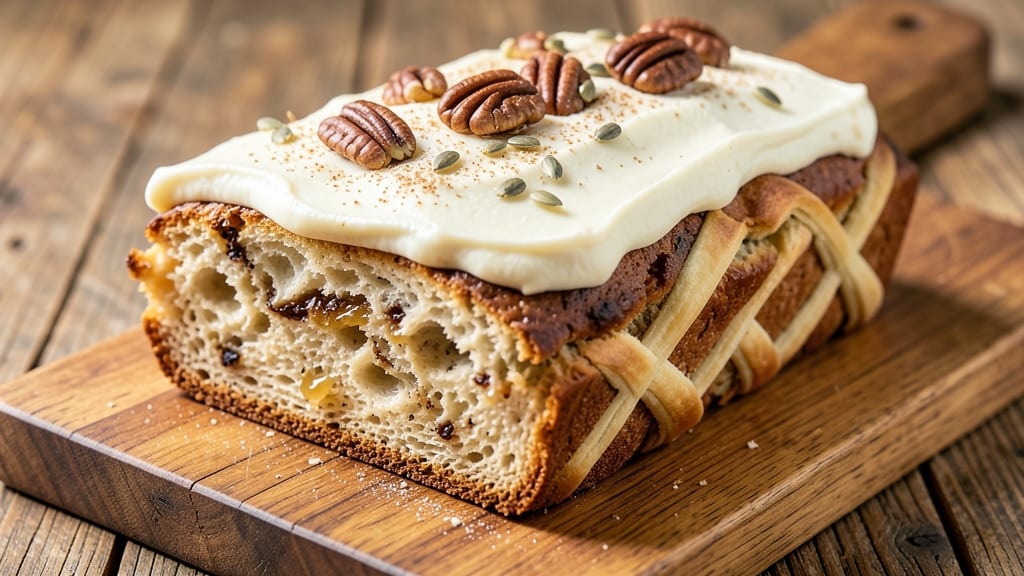
This Amish friendship bread sourdough starter recipe brings the heart of Pennsylvania farm kitchens to your home, where every swirl of dough carries generations of tradition. 💛 What makes this recipe special is its reliance on natural fermentation—no commercial yeast, just flour, water, and patience—creating that signature tangy depth that defines Amish baking.
The process begins with cultivating your own sourdough starter, a living culture that develops over days, requiring only flour and time. Once established, the dough undergoes a slow fermentation—typically 12 to 24 hours—allowing flavors to meld and rise naturally.
This method not only enhances the bread’s texture but also its nutritional value, making it a wholesome choice for any meal.
What you’ll end up with is a loaf of golden, crusty bread with a tender crumb and a subtle tang, perfect for sandwiches, toast, or serving alongside soups.
The beauty of this recipe lies in its versatility—add cinnamon, nuts, or seeds for extra flavor, or keep it classic for a timeless taste.
Whether you're a beginner or an experienced baker, this foolproof method ensures success with clear instructions and troubleshooting tips. Let’s get started on creating a loaf that’s as satisfying to make as it is to eat.
Ingredients for amish friendship bread sourdough starter
Flour, water, and patience form the foundation of this traditional Amish sourdough starter recipe.
| Ingredient | Amount | Notes |
|---|---|---|
| Unbleached All-Purpose Flour 🌾 | 2 cups | White or whole wheat blend preferred |
| Filtered Water 💧 | 1 ½ cups | Room temperature preferred |
| Organic Whole Wheat Flour 🌾 | ½ cup | For added nutrition and depth |
| Raw Honey 🍯 | 1 tbsp | Local preferred for flavor |
| Sea Salt 🧂 | ½ tsp | Diamond Crystal preferred |
| Active Sourdough Starter 🍞 | ½ cup | From previous batch or store-bought |
| Cinnamon Sticks 🌿 | 2 whole | For infusion during fermentation |
| Raw Walnuts 🥜 | ½ cup | Chopped for texture and flavor |
| Unsweetened Applesauce 🍎 | ¼ cup | For moisture and binding |
| Pure Vanilla Extract 🌸 | ½ tsp | For subtle sweetness |
| Ground Nutmeg 🌶️ | ¼ tsp | Freshly grated preferred |
| Cornmeal 🌽 | ¼ cup | For dusting baking sheets |
| Coarse Sugar 🍚 | ¼ cup | For sprinkling on top |
| Heavy Cream 🥛 | ¼ cup | For brushing finished loaves |
The flour selection is critical for authentic Amish bread. King Arthur or Bob's Red Mill unbleached all-purpose flour delivers consistent results, while adding organic whole wheat flour enhances the bread's rustic character and nutritional profile. For the water, filtered is ideal, but tap water works if left out overnight to dechlorinate. The raw honey should be local if possible—its floral notes complement the sourdough's tang. Sea salt? Diamond Crystal dissolves more gently than table salt, preserving the bread's delicate crumb structure. If you're starting from scratch with a new sourdough starter, store-bought active starter from a trusted source like Breads Bakery can jumpstart your process by 2-3 days.
No honey? Maple syrup at half the amount works beautifully, though the flavor profile shifts slightly. Running low on walnuts? Pecans or almonds provide similar texture, though walnuts' earthiness best mirrors traditional Amish recipes. The cinnamon sticks should be whole and aromatic—McCormick's organic sticks are a reliable choice. For the applesauce, unsweetened is non-negotiable; sweetened versions add unwanted sugar. If you're avoiding gluten, this recipe isn't suitable, but for those with nut allergies, sunflower seeds can replace walnuts while maintaining texture. The vanilla extract should be pure—Nike or McCormick brands offer consistent quality without artificial additives.
Store your active sourdough starter in a clean glass jar with a loose lid at room temperature, feeding it daily with equal parts flour and water. The finished loaves keep well for 3-4 days at room temperature wrapped in a cotton towel, or 1 week in the fridge. For longer storage, freeze portions of the starter in ice cube trays—thaw overnight in the fridge before use. The cornmeal dusting creates that signature Amish bread crust, while the coarse sugar caramelizes beautifully during baking. Brush the finished loaves with heavy cream while still warm for a golden sheen that's pure comfort food.
Why You'll Love This Recipe
- No-Fuss Starter: I swear by this—just flour, water, and a pinch of patience. No fancy equipment, no measuring cups you’ll lose, just a jar and a schedule you can actually stick to. The whole wheat adds depth, but it’s still foolproof if you forget to feed it.
- Honey-Sweet Magic: That raw honey isn’t just for flavor—it’s the secret to a tangy, slightly sweet loaf that feels like a hug. The salt cuts through the sweetness just enough to make every bite ridiculously satisfying, even on its own.
- Weeknight Wonder: Toss a chunk into dinner rolls, use it for sandwiches, or bake a loaf for company—this starter does it all. Honestly, I’ve made it for breakfast toast, holiday gifts, and lazy Sundays, and it never lets me down.
- Pantry Hero: A jar lasts weeks in the fridge, and you only need a spoonful to bake a whole loaf. Between us, this is the most budget-friendly way to bake bread—no store-bought starter needed, just flour you already have.
Step-by-step instructions for Amish friendship bread
Here's the method for crafting this iconic sourdough bread with its signature swirls and nutty depth.
👨🍳 Step 1: Prepare the Dough Base
In a large mixing bowl, combine the 2 cups unbleached all-purpose flour, 0.5 cup organic whole wheat flour, and 0.5 tsp sea salt. Create a well in the center and add the 0.5 cup active sourdough starter, 1.5 cups filtered water, and 1 tbsp raw honey. Mix with a wooden spoon until just combined—you'll see a shaggy dough form.
This initial mixture should be sticky but manageable. Cover the bowl with a damp kitchen towel and let it rest for 30 minutes at room temperature. The dough will begin hydrating and developing gluten structure. Here's where the magic starts—the sourdough starter introduces beneficial bacteria that will create that distinctive tangy flavor.
🍳 Step 2: Develop the Dough with Cinnamon Infusion
After the initial rest, add the 2 whole cinnamon sticks to the dough mixture. Using your hands, gently knead the dough on a lightly floured surface for 5-7 minutes until smooth and elastic. The cinnamon sticks will infuse their aromatic oils throughout the dough during the fermentation process.
Transfer the dough back to the bowl, cover again, and let it ferment at room temperature for 4-6 hours or until it has roughly doubled in size. You'll know it's ready when you poke the dough and it springs back slowly rather than immediately. This fermentation step is crucial—it develops the bread's complex flavor and light texture. I like to place my bowl in a slightly warm spot to encourage even fermentation.
🥘 Step 3: Add Wet Ingredients and Create the Swirl
In a separate small bowl, whisk together the 0.25 cup unsweetened applesauce, 0.5 tsp pure vanilla extract, and 0.25 tsp ground nutmeg. This mixture will add moisture, subtle sweetness, and that characteristic Amish warmth. Pour this into the fermented dough and gently fold it in with a spatula.
Next, chop the 0.5 cup raw walnuts coarsely and fold them into the dough along with the 0.25 cup heavy cream. Divide the dough into two equal portions. On a lightly floured surface, roll each portion into a 12-inch rectangle about ½-inch thick. Spread the remaining 0.25 cup heavy cream evenly over one rectangle, then carefully roll up the dough to create a tight log. Repeat with the second portion.
🔪 Step 4: Shape and Prepare for Baking
Using a sharp serrated knife, make a ½-inch deep cut every 1 inch along the length of each log, being careful not to cut all the way through. This creates those signature swirls when baked. Place the logs on a parchment-lined baking sheet dusted with 0.25 cup cornmeal, spacing them about 2 inches apart. Cover loosely with plastic wrap and let them rise for 1-2 hours until puffy.
While the dough rises, preheat your oven to 375°F. Brush the tops of the loaves with additional heavy cream and sprinkle generously with 0.25 cup coarse sugar. This creates that beautiful caramelized crust and adds just the right amount of sweetness. The sugar will melt slightly during baking, creating those coveted crunchy sugar crystals on top.
🔥 Step 5: Bake to Golden Perfection
Bake the friendship bread in the preheated oven for 35-40 minutes until the crust is deep golden brown and the internal temperature reaches 190-200°F. You'll know it's done when you tap the bottom and hear a hollow sound. The bread should have a beautiful caramelized crust with those distinctive swirls.
Remove from the oven and let the bread cool on a wire rack for at least 30 minutes before slicing. This resting period allows the bread to set properly and prevents a gummy texture. The aroma filling your kitchen at this point is worth the wait—warm, nutty, with that perfect balance of sweet and tangy. Serve warm with butter or jam for the ultimate Amish hospitality experience.
Pro Tips For Making Amish Friendship Bread Sourdough Starter
- Weigh Your Flours: Ditch the cups—use a kitchen scale for both the all-purpose and whole wheat flours. The ratio of 2:1 (all-purpose to whole wheat) is critical here, and volume measurements can throw off the starter’s balance. I learned this the hard way when my starter took three days to bubble properly because I eyeballed it.
- Feed at Room Temp: Keep your starter and feeding ingredients (flour, water, honey) at room temperature—70–75°F is ideal. Cold ingredients slow fermentation, while warm ones can overproof it. If your kitchen runs chilly, move the jar to a sunny windowsill or pre-warm the water slightly (not hot—just lukewarm).
- Honey in Small Doses: Add the raw honey gradually—start with ½ teaspoon per feeding, not the full amount at once. Too much sugar too soon can inhibit yeast activity or create a gummy starter. My first batch turned into a sticky mess because I dumped it all in; now I adjust based on how active the starter looks.
- Discard Daily, Even If Lazy: Don’t skip daily discards—keep it to 50% of the starter’s volume before feeding. Skipping this step leads to a sluggish, overfed starter that smells sour and refuses to rise. Yes, it’s extra work, but a healthy discard is the secret to a reliable starter. (Your future loaves will thank you.)
Serving suggestions for amish friendship bread sourdough starter
Classic Serving Scenes
This bread shines at traditional Amish gatherings, where it's served warm with homemade apple butter or sliced fresh strawberries during summer picnics. I remember my first time making it for a family breakfast—everyone reached for seconds.
The swirled pattern makes it visually appealing when sliced and arranged on a wooden board with sharp cheddar wedges and honeycomb pieces. 🍓
Breakfast Pairings
For morning meals, pair with scrambled eggs and crispy bacon (or turkey bacon for a lighter option). The bread's subtle sweetness balances savory breakfast meats perfectly. I like toasting slices until golden and spreading with whipped cream cheese and a sprinkle of everything bagel seasoning.
For a vegetarian option, top with avocado slices and a drizzle of chili oil.
Lunch and Dinner Uses
Create hearty sandwiches with turkey and cranberry sauce or roast beef with horseradish cream. The dense texture holds up better than most breads to thick fillings. I also use it for open-faced soups—layer with French onion soup and broil until bubbly.
For dinner, serve alongside roasted chicken thighs with maple-glazed carrots for a complete meal.
Dessert Adaptations
This bread becomes a dessert star when brushed with melted butter> and sprinkled with cinnamon sugar while warm. Add a scoop of vanilla ice cream and a drizzle of caramel sauce for a no-bake treat.
For a festive touch, make mini versions and fill with chocolate ganache and peanut butter for bite-sized desserts.
Gift-Worthy Presentation
Wrap cooled loaves in brown kraft paper tied with twine and a sprig of fresh rosemary for a rustic gift. I've given these to neighbors during holidays, and they're always met with smiles.
For extra elegance, dust with powdered sugar and add a handwritten recipe card tucked inside the package. The presentation makes it feel like a special treat.
Make-Ahead Serving Tips
Bake an extra loaf and freeze it for up to 3 months. To serve later, thaw overnight at room temperature, then reheat in a 350°F oven for 10 minutes** wrapped in foil.
For breakfast prep, slice and freeze individual portions—just toast directly from frozen for quick morning meals. The bread actually tastes better the next day as flavors meld further. 💫
Nutrition facts
Frequently asked questions
Can I use store-bought sourdough starter instead of making my own?
Yes, absolutely! Store-bought active starter works perfectly and saves you 5-7 days of waiting. Just look for one labeled "100% wild sourdough" with no additives. For best results, feed it with equal parts flour and water for 24 hours before using to ensure it's strong and bubbly.
Why does my dough smell like alcohol?
That's completely normal! The yeast in your sourdough starter produces alcohol during fermentation, which gives the bread its signature tangy flavor. The smell should mellow as baking progresses. If it smells overly harsh or vinegary, your starter may need refreshing with fresh flour and water.
How do I fix dense or gummy friendship bread?
Underfermentation is usually the culprit. Next time, extend your fermentation time by 2-4 hours or place the dough in a slightly warmer spot (75-80°F). For gummy texture, ensure you're using enough flour (this recipe's hydration is moderate at 70%). Also, let the bread cool completely before slicing to prevent a sticky crumb.
Can I make this bread without walnuts?
Swap walnuts for pecans, almonds, or even sunflower seeds for texture. For a nut-free version, try chopped dried fruit like apricots or raisins. The key is maintaining 0.5 cup total volume of add-ins to keep the bread's structure intact.
What's the best way to revive a neglected sourdough starter?
Discard half of your starter and feed it with equal parts flour and water (1:1:1 ratio). Stir well and let sit at room temperature for 12 hours. Repeat this process 2-3 times. If it still smells off, try a 1:2:2 ratio** (starter:flour:water) to dilute any bad bacteria. With patience, your starter will bounce back!