
Breakfast & Brunch
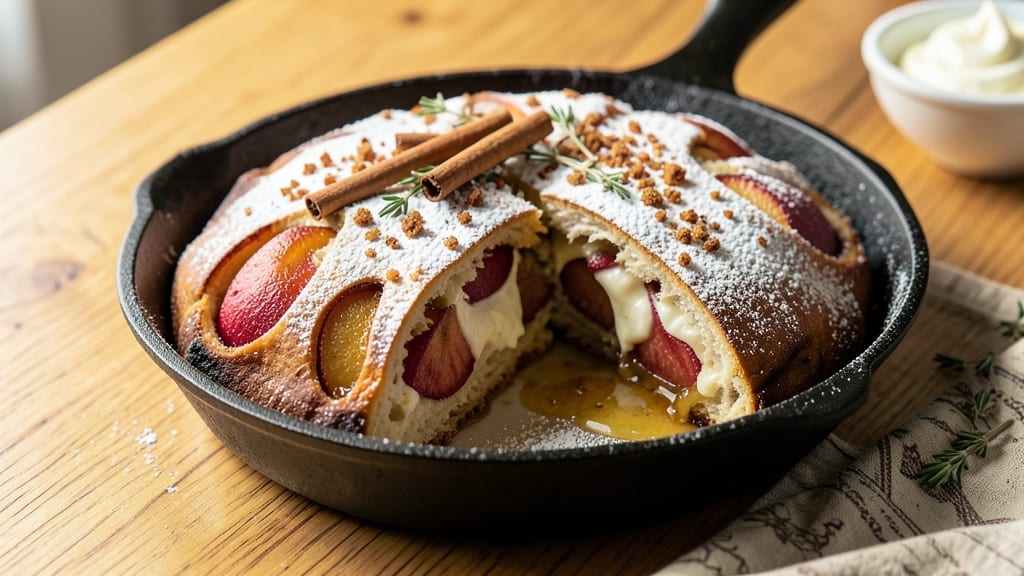
This Amish homemade apple fritter bread brings old-world charm to your breakfast table with its golden, spice-infused swirls and tender crumb. 🌟 The recipe reflects traditional Amish baking wisdom—simple, wholesome ingredients transformed through patience and care.
What sets this apart is the perfect balance between crispy edges and soft, buttery layers, all infused with warm cinnamon and nutmeg. The magic happens in the dough preparation, where hand-kneaded flour meets brown sugar and melted butter for that signature Amish texture.
Apple slices are layered strategically, ensuring each bite delivers tender fruit and flaky crust. No shortcuts here—just the kind of homemade baking that makes Sunday mornings feel special.
By the time it emerges from the oven, you’ll have a loaf that smells like autumn in a bakery, with caramelized apples peeking through golden-brown swirls. The aroma alone will have everyone gathering around the table, and the first bite delivers that perfect harmony of sweet, spiced, and buttery.
Perfect for brunch gatherings, holiday breakfasts, or a cozy weekend treat, this recipe captures the essence of Amish hospitality—warm, inviting, and deeply satisfying. Let’s get started on creating something truly special.
Ingredients for amish homemade apple fritter bread by homemade
Golden swirls, spiced apples, and buttery layers—this is the heart of Amish baking tradition.
| Ingredient | Amount | Notes |
|---|---|---|
| All-Purpose Flour 🌾 | 4 cups | Sifted for light texture |
| Granulated Sugar 🍚 | 1 cup | White or light brown |
| Packed Brown Sugar 🍚 | 1 cup | Dark brown for depth |
| Unsalted Butter 🧈 | 1 cup | Cold, cubed for cutting |
| Large Eggs 🥚 | 2 whole | Room temperature |
| Milk 🥛 | 1 cup | Whole milk preferred |
| Active Dry Yeast 🍞 | 2 ¼ tsp | Or 1 packet |
| Ground Cinnamon 🌿 | 2 tsp | Freshly ground preferred |
| Ground Nutmeg 🌿 | ½ tsp | Freshly grated preferred |
| Apples 🍎 | 2 medium | Firm, tart variety |
| Salt 🧂 | 1 tsp | Kosher or sea salt |
| Vanilla Extract 🥛 | 1 tsp | Pure vanilla preferred |
The flour is your foundation—King Arthur or White Lily if you can find it, but any all-purpose works. Brown sugar adds that signature Amish molasses depth, so don't skimp. Butter should be cold when you cut it into the flour—Land O'Lakes or Plugrá brands work perfectly. Apples are non-negotiable for texture—Granny Smith or Honeycrisp hold their shape best. I always buy extra and keep them in the fridge until ready to slice. The yeast? Check the expiration date—old yeast is the #1 reason baked goods fail. Fleischmann's is my go-to, but any reliable brand will do.
No vanilla extract? Vanilla bean paste at half the amount gives you those little specks. Short on apples? Substitute 1 cup dried apple pieces (soaked in warm water first), but fresh is ideal. The cinnamon should be freshly ground—Penzeys or McCormick are my favorites. Nutmeg is tricky—if yours tastes like sawdust, toss it. For the dough, I always use a stand mixer with the paddle attachment to cut the butter perfectly—KitchenAid makes this effortless. No mixer? Use two forks and some elbow grease. The milk should be room temperature, not cold, to help activate the yeast properly.
Make the dough the night before and let it rest in the fridge—this is key. The apples can be pre-sliced and tossed with a pinch of cinnamon to prevent browning. The bread keeps beautifully for 3-4 days in an airtight container, but it's best enjoyed fresh. For leftovers, I slice it and toast it—the crispy edges are even better the second day. Freezes well too, just wrap it tightly in plastic wrap and foil. Reheat in a 350°F oven for 10-15 minutes to restore that bakery-fresh aroma.
Why You'll Love This Recipe
- No-Fuss Dough: I swear by this recipe because the dough comes together in minutes—just mix the flour, sugars, and butter until it’s crumbly, then add eggs and water until it holds. No rolling, no fuss, no waiting for the dough to chill.
- Caramelized Apple Magic: That perfect balance of brown sugar and granulated sugar? It turns the apples into a sticky, buttery dream when baked. Honestly, the first bite makes me forget I’m not at a farmhouse kitchen in Pennsylvania.
- Breakfast or Dessert: Serve it warm with butter for breakfast—my kids beg for it—or dust with powdered sugar for an after-dinner treat. It’s that kind of recipe that works anytime, no excuses.
- Budget-Friendly Staples: Flour, sugar, butter, eggs—these are ingredients I already have on hand. Not to mention, a single batch stretches for days, whether I reheat slices or turn leftovers into French toast. (Yes, even on a Tuesday night.)
Step-by-step instructions for Amish homemade apple fritter bread
Here's the method that delivers those warm, spice-kissed swirls—perfectly golden and packed with apple goodness.
👨🍳 Step 1: Activate the Yeast and Prepare the Dough
In a small bowl, combine the 1 cup warm milk (about 110°F) with 2.25 tsp active dry yeast and let it sit for 5-10 minutes until foamy. This foaming action tells you the yeast is alive and ready to work its magic—if it doesn't bubble, start over with fresh yeast.
In a large mixing bowl, whisk together the 4 cups all-purpose flour, 1 cup granulated sugar, 1 cup packed brown sugar, 2 tsp ground cinnamon, 0.5 tsp ground nutmeg, and 1 tsp salt. I like to use a whisk for this step to evenly distribute the spices throughout the flour. This dry mix is the flavor foundation of your bread.
Cut the 1 cup cold unsalted butter into small cubes and add them to the dry ingredients. Use a pastry cutter or your fingers to work the butter into the flour until the mixture resembles coarse crumbs with pea-sized butter pieces. This texture is key—it ensures tender layers when baked.
Make a well in the center and pour in the yeast mixture along with the 2 whole large eggs and 1 tsp vanilla extract. Mix gently with a wooden spoon until just combined, then turn the dough out onto a lightly floured surface. Knead for 5-7 minutes until smooth and elastic. The dough should be slightly tacky but not sticky—add a bit more flour if needed.
🍳 Step 2: Prepare the Apple Filling and Shape the Loaves
While the dough rests, peel, core, and finely grate the 2 medium apples (I like to use a box grater for even texture). Transfer the grated apples to a bowl and toss with 1 tablespoon of the flour mixture to prevent browning. Set aside—this filling will keep until you're ready to use it.
Divide the dough into 8 equal pieces (about 6 ounces each) and roll each into a 12-inch rope. Here's the thing—don't stress about perfect ropes. Just keep them roughly the same size so they bake evenly. Flatten each rope slightly and place about 1 tablespoon of the apple filling in the center.
Fold the dough over the filling to create a 3-inch wide log, sealing the edges gently. Roll each log seam-side down on a parchment-lined baking sheet, leaving about 1 inch of space between them. Cover loosely with a kitchen towel and let rise in a warm place for 30-45 minutes until puffy. You'll see them nearly double in size—that's your cue they're ready.
🔥 Step 3: Bake to Golden Perfection
Preheat your oven to 375°F. This temperature gives you that beautiful caramelized crust while keeping the interior tender. Brush the risen loaves with a bit of milk mixed with water (about 1 tablespoon milk + 1 teaspoon water) for a golden finish. I like to do this just before baking so the bread gets that gorgeous sheen.
Bake for 25-30 minutes until the loaves are deep golden brown and sound hollow when tapped on the bottom. The edges should pull away slightly from the baking sheet, and you should smell that wonderful cinnamon-apple aroma filling your kitchen. If they brown too quickly, tent loosely with foil to prevent over-browning.
For that classic Amish touch, I like to make a quick glaze by mixing ½ cup powdered sugar with 1-2 tablespoons milk until smooth. Drizzle this over the warm loaves while they're still in the pan. The heat will make the glaze melt slightly, creating those beautiful drips that make everything look extra special.
⏰ Step 4: Cool and Serve Warm
Let the loaves cool on the baking sheet for 5 minutes before transferring to a wire rack. This brief cooling period prevents them from falling apart when you move them. Serve warm for the ultimate experience—each bite should deliver tender, flaky layers with bursts of spiced apple filling.
Here's a pro tip: If you're not serving them immediately, store in an airtight container at room temperature for up to 2 days. For best results, reheat in a 350°F oven for 5-10 minutes to restore that warm, gooey goodness. These loaves freeze beautifully too—just wrap individually and reheat from frozen for 15-20 minutes.
Pro Tips For Making Amish Homemade Apple Fritter Bread By Homemade
- Cut Butter Cold: Take your unsalted butter straight from the fridge—no thawing, no softening. The cold chunks distribute better in the dough, creating those signature flaky layers without turning into a greasy mess. I learned this the hard way after mixing butter that melted too fast and ended up with dense, heavy bread.
- Brown That Sugar: Don’t skip caramelizing the packed brown sugar with the butter at the start. That step adds depth—almost like a subtle molasses note—that turns good fritter bread into great fritter bread. Use a heavy pan and keep it at medium heat; you want it golden, not burnt.
- Handle Dough Gently: Overworking the dough after adding the apples is the fastest way to ruin the texture. Mix just until combined—lumps and all—then fold in the fruit. The less you handle it, the lighter and fluffier the final bread will be. I used to knead like I was making pie dough, and the results were always tough.
- Test Doneness Early: The bread’s done when the center reads 190°F and springs back when pressed—but don’t wait for that second. Pull it at 185°F and tent with foil for 10 minutes. Overbaking dries out the apples and turns the crust rubbery. Trust your instincts; the sugar caramelizes fast once it hits that temp.
Wine and beer pairings for this recipe
Spiced Apple Harmony
The warm cinnamon and nutmeg in this bread pair beautifully with dry Riesling from Germany—its crisp acidity cuts through the richness while complementing the apple's natural sweetness. I love a Mosel Riesling like Dr. Loosen Blue Slate for its mineral notes that echo the bread's spice profile.
The slight tartness helps balance the caramelized apples, making each bite feel refreshingly complete. 🍷
Creamy Cheese Pairing
For a non-alcoholic option, try aged Gouda or sharp cheddar alongside your fritter bread. The salty, nutty depth of Jarlsberg cheese creates a perfect contrast to the sweet-spiced bread. I like to serve slices at room temperature with a dollop of whipped cream for an Amish-style brunch spread.
The cheese's richness adds a satisfying balance to the bread's tenderness.
Autumnal Beer Options
In fall, a Belgian-style witbier like Stella Artois or Hoegaarden works wonderfully—its citrusy notes and effervescence cleanse the palate between bites. For something heartier, try an amber ale with caramel and biscuit flavors, like New Belgium Fat Tire.
The malt sweetness mirrors the bread's brown sugar, while the hops add a subtle bitterness that rounds out the meal. 🍺
Coffee Contrast
If you prefer coffee, a medium-roast dark roast with chocolate undertones enhances the apple and spice flavors. I recommend Peet's Major Dickason's Blend—its deep, toasty notes complement the bread's caramelized edges. Serve with a splash of heavy cream for a luxurious brunch experience that feels both comforting and sophisticated.
Seasonal Adaptations
In winter, swap the Riesling for a Spätlese Riesling with higher residual sugar to match the bread's warmth. For summer, try a dry sparkling wine** like La Crema Cuvee—its bubbles and acidity refresh the palate against the bread's richness.
The key is always balancing the sweetness with something bright and crisp.
Nutrition facts
Frequently asked questions
Can I make this recipe without yeast?
Yes, but the texture will differ significantly. For a yeast-free version, substitute with 1 teaspoon baking powder and 1 teaspoon baking soda in the dry ingredients. The bread will be denser and less fluffy, but still delicious. You'll want to bake it immediately after shaping since it won't rise. The apples will still caramelize beautifully with the spices!
How do I store leftovers to keep them fresh?
Store in an airtight container at room temperature for up to 2 days. For longer storage, wrap individual loaves tightly in plastic wrap followed by foil, then freeze. Thaw overnight in the fridge or reheat from frozen at 350°F for 15-20 minutes until warmed through. The texture stays best when reheated gently.
What's the secret to getting those beautiful swirls?
The key is in the dough preparation! Keep your butter cold when cutting it into the flour to maintain those tender layers. When rolling the ropes, don't overwork the dough - just enough to seal the apple filling. The gentle folding creates natural swirls as it bakes. For extra drama, brush with milk before baking and drizzle with the powdered sugar glaze while still warm.
Can I use dried apples instead of fresh?
For 1 cup dried apples, soak them in warm water for 10-15 minutes until pliable, then drain well. Chop them finely and toss with 1 tablespoon flour to absorb moisture. The texture will be slightly drier than fresh apples, but the flavor remains rich. This works especially well if you're making the bread ahead of time.
Why did my bread turn out dense instead of fluffy?
This usually happens when the yeast isn't activated properly or the dough didn't rise enough. First, check your yeast - it should foam within 5-10 minutes in warm milk. If not, start fresh. Also ensure your kitchen is warm enough (at least 75°F) for rising. For next time, try placing the dough bowl on top of your oven with the light on for consistent warmth. Patience is key!