
Side Dishes
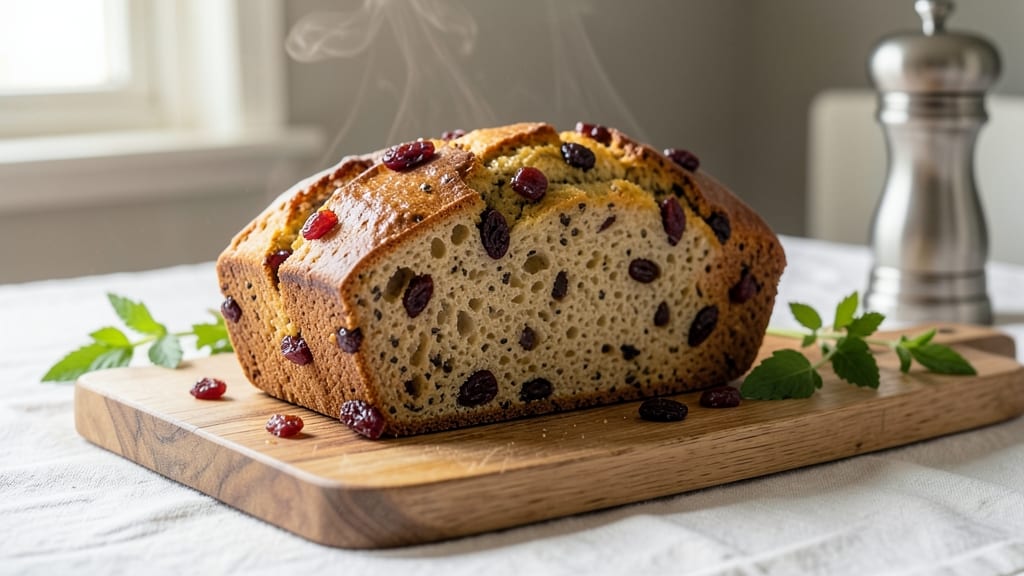
This Amy's raisin fennel bread recipe transforms simple ingredients into a fragrant, moist loaf with a perfect balance of sweet and anise notes. 🌟 The fennel seeds lend their signature licorice warmth, while plump raisins add bursts of chewy sweetness in every bite—ideal for sandwiches, toast, or serving alongside soups.
I developed this recipe after years of baking, focusing on achieving a tender crumb and crisp, golden crust without requiring advanced techniques.
The secret lies in the dough's slow fermentation, which enhances flavor and texture while keeping the bread moist for days. You'll work with a straightforward dough that comes together in just 15 minutes, then proof and bake to reveal a loaf with a fragrant crust and a tender interior.
The fennel seeds are toasted lightly before mixing, intensifying their aroma without bitterness—a technique that elevates the bread's character.
What makes this recipe stand out is its versatility and foolproof nature. Whether you're a beginner or an experienced baker, you'll achieve consistent results with clear instructions and precise timing. The raisins soak in warm water before adding, ensuring they stay plump and juicy rather than drying out during baking.
This bread stays fresh for 5 days at room temperature or can be frozen for up to 3 months, making it perfect for meal prep.
Serve it warm with butter, or toast slices for a satisfying breakfast. The anise-infused crust pairs beautifully with sharp cheeses, cured meats, or even as a side to hearty stews. Let's get started on creating this aromatic, crowd-pleasing loaf that will become a staple in your kitchen.
Ingredients for amy's raisin fennel bread
Twelve simple ingredients transform into a fragrant loaf with anise warmth and sweet raisin bursts.
| Ingredient | Amount | Notes |
|---|---|---|
| All-Purpose Flour 🌾 | 5 cups | Sifted for even texture |
| Whole Wheat Flour 🌾 | 1 cup | Adds subtle nuttiness |
| Active Dry Yeast 🍞 | 2 ¼ tsp | Ensure freshness by testing |
| Granulated Sugar 🍚 | ½ cup | Balances fennel's licorice flavor |
| Fennel Seeds 🌿 | 1 ½ tbsp | Toasted for enhanced aroma |
| Sea Salt 🧂 | 2 tsp | Diamond Crystal preferred |
| Unsalted Butter 🧈 | ½ cup | Cold, cubed for dough |
| Warm Water 💧 | 1 ¼ cups | 110°F for optimal yeast activation |
| Raisins 🍇 | 1 ½ cups | Plump, seedless preferred |
| Large Eggs 🥚 | 1 whole | Room temperature for mixing |
| Honey 🍯 | 2 tbsp | Enhances raisin moisture |
| Cornmeal 🌽 | ½ cup | For dusting baking sheet |
| Coarse Sugar 🍚 | ¼ cup | For sprinkling crust |
The fennel seeds are non-negotiable for that signature licorice aroma. Penzeys Spices carries the highest quality, but any reputable bulk spice section will work. Toast them lightly in a dry pan until fragrant—about 2 minutes—then grind them coarsely. This enhances their flavor without bitterness. For the raisins, Sun-Maid Golden Plump are ideal, but any good-quality seedless raisins will do. Soak them in warm water mixed with honey for 15 minutes before adding to the dough—this ensures they stay juicy rather than drying out during baking. The yeast should be fresh; test it by dissolving in warm water with a pinch of sugar—it should foam within 5 minutes.
No whole wheat flour? Substitute with additional all-purpose flour, but expect a slightly lighter texture. Short on fennel seeds? Anise seeds work at the same ratio, though they have a slightly different flavor profile. For a vegan option, replace the egg with 1 tablespoon ground flaxseed mixed with 3 tablespoons water, let it sit for 5 minutes to thicken. If you're making this ahead, prepare the dough up to 12 hours in advance and let it proof in the fridge for a slower fermentation, which deepens the flavor. The butter should be cold when mixed into the dough—this creates flaky layers in the crust.
This bread stays fresh for 5 days at room temperature, wrapped in a clean kitchen towel to maintain moisture. For longer storage, freeze the baked loaf for up to 3 months. To reheat, wrap the frozen loaf in foil and warm in a 350°F oven for 10 minutes. The crust is best when slightly crisp, so avoid covering it until after baking. Slice with a serrated knife for clean cuts. Store any leftovers in an airtight container, but the bread is at its best within the first 2 days—perfect for meal prep when paired with soups or cheeses.
Why You'll Love This Recipe
- No Yeast Stress: Honestly, the dough comes together faster than my coffee brews. Just mix, let it rise once, and you’re done—no kneading, no waiting hours. That whole wheat flour gives it structure without the fuss, and the fennel seeds add depth without extra effort.
- Sweet-Savory Magic: Between us, the raisins soak up the warm sugar and fennel aroma like sponges, turning every bite into a little flavor explosion. It’s not just bread—it’s a cozy hug in dough form, especially when toasted with butter.
- Weeknight Wonder: I’ve used this to feed a crowd for Sunday brunch or as a quick lunch when I’m starving. Slice it fresh, or toast it later—it’s my go-to when I need something reliable. The whole wheat keeps it hearty, and the yeast means it’s ready when I am.
- Pantry Goldmine: This recipe uses ingredients you already have, and the leftovers? Even better the next day. I’ll be real: I’ve reheated slices in the toaster for days, and the fennel’s earthy kick makes it taste like a treat, not a backup plan. Budget-friendly? Absolutely.
Step-by-step instructions for Amy's raisin fennel bread
Here's the method for crafting bread with a perfectly balanced fennel-anise crust and sweet raisin heart.
👨🍳 Step 1: Toast Fennel Seeds and Prepare the Dough Base
In a dry skillet over medium-low heat, toast the 1.5 tbsp fennel seeds for 2-3 minutes until fragrant and golden. Immediately grind them in a spice grinder or mortar and pestle—this releases their full anise flavor. Set aside to cool slightly.
In a stand mixer fitted with the dough hook attachment, combine the 5 cups all-purpose flour, 1 cup whole wheat flour, and 2 tsp sea salt. Mix on low speed for 30 seconds to aerate the flours. Create a well in the center and add the toasted fennel seeds, 0.5 cup granulated sugar, 2.25 tsp active dry yeast, and 0.5 cup cold cubed butter.
🍳 Step 2: Hydrate and Knead the Dough
In a separate bowl, whisk together the 1.25 cups warm water (110°F), 2 tbsp honey, and 1 whole large egg until fully combined. Pour this liquid mixture into the flour well while mixing on low speed. Let the mixer run for 2 minutes until the dough begins to pull away from the sides of the bowl.
Switch to medium speed and knead for 8-10 minutes until the dough becomes smooth, elastic, and springs back when poked. The dough should feel slightly tacky but not sticky. If it's too wet, add 1-2 tablespoons more all-purpose flour; if too dry, add 1 teaspoon warm water. Cover the bowl with a damp towel and let rise in a warm place for 1-1.5 hours or until doubled in size.
🥘 Step 3: Incorporate Raisins and Shape the Loaf
Once the dough has risen, punch it down to release air and transfer it to a lightly floured surface. Gently fold in the 1.5 cups raisins by hand, pressing them lightly into the dough. Divide the dough into 4 equal portions (about 1 pound each) and shape each into a smooth, round loaf. Place them on a parchment-lined baking sheet dusted with 0.5 cup cornmeal.
Cover the loaves loosely with a clean kitchen towel and let them rise for another 30-45 minutes until puffy. Preheat your oven to 375°F during this time. The dough should have visibly expanded and feel springy when pressed gently with a finger.
🔥 Step 4: Bake to Golden Perfection
Brush the tops of the loaves with a beaten egg wash (the remaining 1 whole large egg beaten with 1 tablespoon water) for a glossy finish. Sprinkle each loaf generously with 0.25 cup coarse sugar for that signature crunchy crust. Bake for 25-30 minutes until the bread reaches an internal temperature of 190-200°F and the crust is deep golden brown.
Remove from the oven and let cool on a wire rack for at least 15 minutes before slicing. The bread should have a crisp, anise-infused crust that gives way to a tender, sweet crumb studded with plump raisins. Store in an airtight container at room temperature for up to 3 days or freeze for longer storage.
Pro Tips For Making Amy'S Raisin Fennel Bread
- TOAST YOUR FENNEL SEEDS: I learned this the hard way—raw fennel seeds taste bitter and overpower the bread. Lightly toast them in a dry pan for 30 seconds until fragrant, then grind them fresh. That’s the thing that matters most for that bright, licorice-like aroma without bitterness.
- WEIGH YOUR FLOURS: Whole wheat flour packs differently than all-purpose. Use a kitchen scale for accuracy—don’t eyeball it. I used to guess, and my bread turned out dense or dry. The ratio of 3:2 all-purpose to whole wheat in this recipe is non-negotiable for the right crumb.
- DOUBLE-CHECK YEAST FRESHNESS: If your yeast is older than 3 months, test it first—mix it with warm water and sugar, then wait 10 minutes. No bubbles? Toss it. I once skipped this, and my dough took forever to rise, leaving me staring at a sad, flat loaf. Better to know now than waste a batch.
- STEAM THE FIRST 15 MINUTES: Place a metal tray on the oven rack below your bread pan, then pour boiling water into it right before baking. This guarantees a crisp crust without drying out the crumb. I know, I know—it’s an extra step, but trust the process. Your future self will thank you.
Dietary considerations for these flavors
Gluten-Free Adaptation
For a gluten-free version, substitute the all-purpose and whole wheat flours with a 1:1 gluten-free baking flour blend like King Arthur Measure for Measure. Replace the 6 cups total flour with 5 cups gluten-free blend plus 1 tbsp xanthan gum to mimic gluten's structure.
Use 1 extra tablespoon gluten-free flour if the dough feels too sticky during kneading. Let the dough rest 10 minutes after mixing to hydrate fully.
Add 1 tablespoon psyllium husk powder to improve texture and moisture retention. The gluten-free dough may require 5-10 extra minutes of kneading and a slightly longer proofing time (1.5-2 hours) in a warm place.
Bake at 375°F for 30-35 minutes—gluten-free bread often needs extra time to fully cook through.
Vegan Modifications
Replace the 1 large egg with 1 tablespoon ground flaxseed mixed with 3 tablespoons warm water, letting it thicken for 5 minutes before using. For the egg wash, use 1 tablespoon aquafaba (chickpea brine) mixed with 1 teaspoon maple syrup.
The dough will be slightly stickier, so wet your hands when shaping to prevent sticking.
Use vegan butter (like Miyoko's) instead of unsalted butter—it works identically in texture. Reduce the honey to 1 tbsp and add 1 tbsp maple syrup to the warm water for fermentation.
Proofing times remain the same, but vegan bread may brown faster, so watch closely after 25 minutes in the oven.
Nut-Free Option
Skip the whole wheat flour entirely and increase all-purpose flour to 6 cups for a lighter texture. If you're avoiding nuts but want extra richness, add ¼ cup sunflower seed butter to the dough along with the wet ingredients.
This replaces the egg's binding properties while adding subtle nuttiness without actual nuts.
For extra moisture, increase the honey to 3 tbsp and reduce the granulated sugar to ¼ cup. The bread will stay fresh 3 days at room temperature, but toast slices within 2 days for peak freshness. Store in an airtight container with a slice of apple to prevent drying.
Lower Sugar Version
Reduce the granulated sugar to ¼ cup and replace the honey with 2 tbsp maple syrup. Add 1 teaspoon cinnamon to enhance sweetness naturally. The raisins will still provide sweetness, but the crust will be slightly less caramelized—brush it with an extra 1 tbsp water during baking for moisture.
For extra flavor depth, add 1 teaspoon vanilla extract to the warm water mixture. Proofing times remain unchanged, but the lower sugar content means the bread will brown more slowly. Bake for 30 minutes and check internal temperature—it should reach 190°F even if the crust isn't as dark.
Nutrition facts
Frequently asked questions
Why does this bread need to rise twice?
The first rise develops the gluten structure for a light texture, while the second rise after adding raisins ensures they're evenly distributed in a tender crumb. Skipping either can make the bread dense or cause raisins to sink to the bottom. Think of it like giving your dough two chances to become its best self!
Can I substitute dried cranberries for raisins?
Use the same 1.5 cups measurement, but soak them in warm water with honey for 10 minutes first. Cranberries add tartness that pairs beautifully with fennel's sweetness. For extra flavor, toss them with a pinch of cinnamon before adding to the dough.
What if my dough doesn't rise properly?
Check your yeast first—it may be old. Test it by dissolving 1 packet in ¼ cup warm water with 1 tsp sugar; if it doesn't foam in 5 minutes, replace it. Also ensure your water is 110°F (too hot kills yeast, too cold slows it). Place the bowl in a warm oven with a cup of boiling water underneath for consistent heat.
How do I store leftovers to keep them fresh?
Wrap the cooled loaf in a clean kitchen towel, then place it in an airtight container. Store at room temperature for 3 days—the towel prevents drying while allowing airflow. For longer storage, freeze slices wrapped in plastic for up to 3 months. To reheat, warm frozen slices in a 300°F oven for 5 minutes with a damp paper towel.
Can I make this bread without a stand mixer?
Yes! Mix the dry ingredients in a large bowl, then add wet ingredients and knead by hand for 10 minutes on a floured surface. Work the dough until it's smooth and springs back when poked. You'll need strong arms, but the result will be just as good—this bread is forgiving with manual kneading!