
Side Dishes
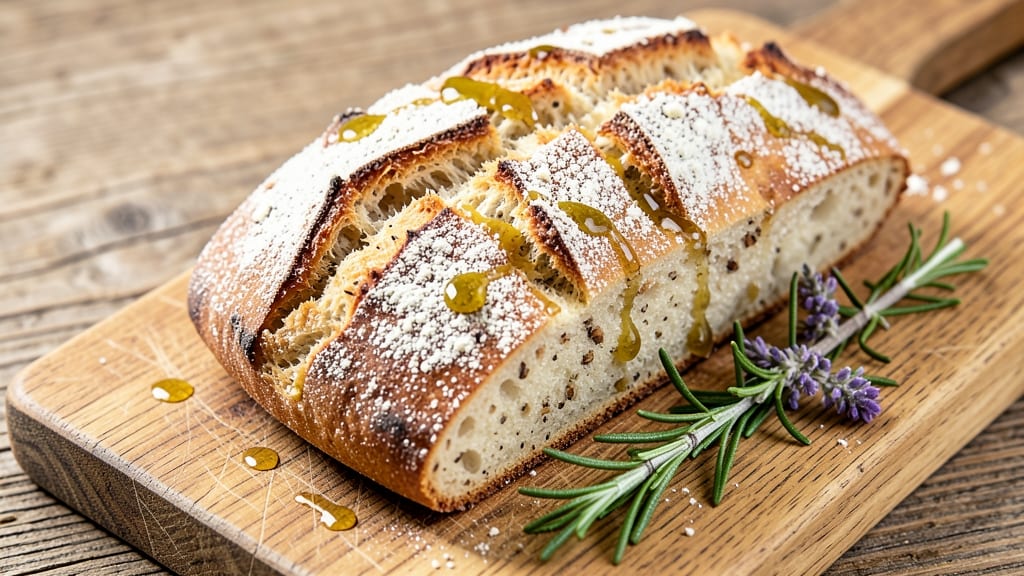
Ana's fasting bread recipe delivers the comforting essence of traditional bread without grains, eggs, or dairy—perfect for spiritual observances or health-conscious diets. ✨ This recipe honors centuries-old traditions while adapting to modern dietary needs, creating a light, flavorful loaf that satisfies without compromising fasting principles.
The secret lies in a blend of chickpea flour and almond flour, which mimics the texture of wheat while delivering plant-based protein and nutty depth. Unlike traditional bread, this version relies on baking soda for lift rather than yeast, ensuring a quick rise and crispy edges.
The result is a bread that's surprisingly substantial yet gentle on digestion.
What makes this recipe special is its versatility—it works as a side for stews, a base for sandwiches (with nut butters or avocado), or simply toasted with olive oil.
The aroma alone fills your kitchen with warmth, while the crumb stays tender and flavorful even after cooling. Perfect for those seeking nourishment without breaking fasting guidelines.
With just 10 minutes of prep and 30 minutes in the oven, this bread proves that fasting-friendly doesn't mean flavorless. The recipe adapts easily to gluten-free needs by substituting the chickpea flour with certified gluten-free flour blends. Let's create this timeless staple with modern simplicity.
Ingredients for ana's fasting bread
These plant-based staples blend tradition with modern simplicity for a fasting-friendly loaf.
| Ingredient | Amount | Notes |
|---|---|---|
| Chickpea Flour 🌾 | 1 ½ cups | Gluten-free certified preferred |
| Almond Flour 🥜 | 1 cup | Finely ground for texture |
| Baking Soda 🧂 | 2 tsp | Freshly opened for lift |
| Apple Cider Vinegar 🍎 | 1 tbsp | Activates baking soda |
| Extra-Virgin Olive Oil 🫒 | ½ cup | High-quality for richness |
| Water 💧 | 1 cup | Room temperature preferred |
| Salt 🧂 | 1 tsp | Diamond Crystal kosher |
| Ground Flaxseed 🌱 | 1 tbsp | Mixed with water for binding |
| Garlic Powder 🧄 | 1 tsp | Freshly ground preferred |
| Onion Powder 🧅 | 1 tsp | For subtle depth |
| Dried Rosemary 🌿 | ½ tsp | Crushed for aroma |
| Sesame Seeds 🌰 | 1 tbsp | Optional for crunch |
The foundation begins with chickpea flour—opt for Bob's Red Mill brand for consistent texture, available at most grocery stores or online. Almond flour should be freshly ground if possible, as pre-ground varieties lose their delicate texture. For the baking soda, ensure it's fresh; older batches lose their leavening power. Extra-virgin olive oil from California or Spain adds depth, while Diamond Crystal kosher salt dissolves more evenly than table salt. Ground flaxseed acts as a binder, replacing eggs entirely—just mix it with water to form a gel-like consistency before adding to the batter.
No chickpea flour? Certified gluten-free all-purpose flour works in a pinch, though texture may vary slightly. Substitute almond flour with sunflower seed flour for a nut-free option. Apple cider vinegar can be swapped for lemon juice at the same ratio, though flavor will differ subtly. For the herbs, fresh rosemary can replace dried at a 1:3 ratio, but dried is more convenient for storage. Sesame seeds can be omitted entirely if avoiding seeds, though they add delightful crunch. The garlic and onion powders are non-negotiable for authentic flavor—don't skip them even if you're short on time.
Store the bread in an airtight container at room temperature for up to 3 days, though it's best enjoyed fresh. For longer storage, wrap tightly in parchment paper and freeze for up to 3 months. To revive, simply toast in a 350°F oven for 5-10 minutes. This bread reheats beautifully—perfect for quick breakfasts or last-minute fasting meals. Portion into individual slices before freezing for grab-and-go convenience.
Why You'll Love This Recipe
- Five-Ingredient Magic: I swear, this bread comes together with just chickpea flour, almond flour, a splash of apple cider vinegar, and a drizzle of olive oil. No yeast, no kneading, no waiting around—just mix, pour, and bake. The almond flour gives it that buttery richness without dairy, while the vinegar keeps it light.
- Nutty-Crisp Perfection: That first bite? The outside has this addictive crunch from the almond flour, while the inside stays soft and slightly chewy—like a cross between focaccia and a cracker. Honestly, I’ve caught myself eating slices straight from the pan, warm and glistening with olive oil.
- Meal Prep MVP: Slice it up and store it in the fridge for days—it stays fresh longer than most breads. Toss it in salads, pair it with hummus, or use it to mop up sauces. Between us, I’ve even used it as a low-carb base for bruschetta when company drops by. (Yes, even on a Tuesday night.)
- Budget-Friendly Staple: Almond flour can be pricey, but a little goes a long way here, and chickpea flour is a pantry game-changer. No fancy ingredients, just smart swaps that make this bread cheaper than store-bought—and way better. Plus, the leftovers? They disappear faster than my willpower on a Sunday morning.
Step-by-step instructions for ana's fasting bread
This gluten-free bread comes together quickly with minimal effort—perfect for busy mornings.
👨🍳 Step 1: Prepare the Flaxseed Egg
In a small bowl, combine the 1 tablespoon ground flaxseed with the 1 cup water. Stir vigorously and let it sit for 5 minutes until it thickens into a gel-like consistency—this acts as our egg substitute. The mixture should resemble raw egg whites in texture, forming a smooth, slightly translucent gel.
Here's the thing—this step is non-negotiable for binding. If you skip letting it thicken, your bread will crumble apart. Test readiness by lifting the bowl slightly; if the mixture holds its shape for a few seconds, it's ready to use. Keep it nearby as we'll need it in the next step.
👨🍳 Step 2: Mix Dry Ingredients Thoroughly
In a large mixing bowl, whisk together the 1.5 cups chickpea flour, 1 cup almond flour, 2 teaspoons baking soda, 1 teaspoon salt, 1 teaspoon garlic powder, 1 teaspoon onion powder, and 0.5 teaspoon dried rosemary. Sift the mixture through a fine-mesh sieve to break up any lumps and ensure even distribution of the baking soda—this prevents dense pockets in your bread.
I crush the rosemary between my palms first to release its aromatic oils. The combination of chickpea and almond flours gives this bread its light yet sturdy texture, while the baking soda provides lift without gluten. Mix until completely homogeneous—you should see no visible flour streaks when you lift the bowl.
🥘 Step 3: Combine Wet Ingredients
To the dry mixture, add the 0.5 cup extra-virgin olive oil, 1 tablespoon apple cider vinegar, and the thickened flaxseed gel. Using a sturdy wooden spoon or silicone spatula, mix until just combined—overmixing develops gluten-like properties that make the bread dense. The batter should be thick but pourable, similar to pancake batter in consistency.
Here's where it gets interesting: the apple cider vinegar reacts with the baking soda to create tiny air pockets, which is what gives this bread its lightness despite being grain-free. If your batter looks too dry, add 1-2 tablespoons water until it reaches the ideal consistency. The batter should cling slightly to the spoon but still flow smoothly.
🔥 Step 4: Bake for Perfect Texture
Preheat your oven to 350°F and line an 8x4-inch loaf pan with parchment paper, leaving an overhang on both sides for easy removal. Pour the batter into the prepared pan and smooth the top with a wet spatula. Sprinkle the 1 tablespoon sesame seeds evenly over the top for texture and visual appeal.
Bake for 35-40 minutes until a toothpick inserted in the center comes out clean and the top springs back when gently pressed. The bread should have a golden-brown hue with a slightly crisp exterior. I've found that opening the oven door early to check causes the bread to sink, so resist the temptation until you reach the 35-minute mark.
⏰ Step 5: Cool and Slice for Maximum Freshness
Remove the bread from the oven and let it cool in the pan for 10 minutes before transferring to a wire rack. This cooling period is crucial—it allows the internal structure to set properly. If you cut it too soon, you'll get crumbly slices. The bread will continue to firm up as it cools, developing that perfect balance between tender crumb and slight chewiness.
For best results, slice the bread while still slightly warm. Each slice should reveal a fine, even crumb with subtle pockets from the baking soda reaction. Store any leftovers wrapped in a clean kitchen towel to maintain freshness for up to 3 days at room temperature, or freeze for up to 1 month for quick toast.
Pro Tips For Making Ana'S Fasting Bread
- STIR THE BATTER WELL: I learned this the hard way—skipping a thorough mix means you’ll end up with dense pockets instead of that light, airy texture. Whisk the chickpea flour and almond flour together for at least 30 seconds after adding the vinegar and oil, until no dry bits remain. The baking soda needs to fully dissolve, or your bread will taste flat and underleavened.
- LET THE BATTER REST: This isn’t just waiting—it’s letting the almond flour soften and the vinegar mellow out. After mixing, let the batter sit for 10 minutes before pouring into the pan. I used to rush this, and the bread turned out gummy. Give it time, even if you’re impatient like me.
- USE A LIGHT HAND WITH BAKING SODA: Too much baking soda makes this bread taste bitter and metallic. Stick to the recipe’s amount—about ½ teaspoon—and don’t substitute with baking powder unless you’re adjusting the acidity (like adding lemon juice). I’ve ruined batches by eyeballing it, and the flavor suffers.
- COOK LOW AND SLOW: This bread isn’t like regular quick bread—it needs gentle heat to rise properly. Preheat your oven to 325°F (not 350°F or higher), and bake for the full time specified. I was skeptical until I tried it: higher heat makes the outside burn before the center sets, leaving you with a sad, uneven loaf.
Health benefits of ana's fasting bread
Digestive Ease
This fasting bread is designed with gentle digestion in mind, making it perfect for those observing fasting periods or sensitive stomachs. The chickpea and almond flours provide plant-based fiber that supports gut health without the heaviness of traditional wheat.
Unlike refined flour breads, this version won't spike blood sugar—ideal for maintaining energy levels during fasting. 🌱
Plant-Based Protein
Each slice delivers 5-7 grams of protein thanks to the chickpea flour and almond flour combination, making it a complete protein source when paired with legumes. This is especially valuable during fasting when protein intake is often reduced.
The ground flaxseed adds an extra 2 grams of protein per tablespoon, boosting nutritional value without animal products.
Blood Sugar Balance
The low glycemic index of almond flour and chickpea flour helps stabilize blood sugar levels, preventing energy crashes. Unlike white bread, this fasting bread won't trigger insulin spikes—perfect for maintaining steady energy during extended fasting periods. The olive oil adds healthy fats that further slow digestion, keeping you satisfied longer.
Nutrient-Dense Foundation
This bread packs essential minerals like magnesium (from almond flour) and iron (from chickpea flour) without grains. The sesame seeds add calcium and zinc, while rosemary provides antioxidants. Together, these ingredients create a nutrient-dense loaf that supports overall health while adhering to fasting guidelines. ✨
Gluten-Free Friendly
Certified gluten-free chickpea flour and almond flour make this bread safe for those with celiac disease or gluten sensitivity. The baking soda provides lift without gluten development, ensuring a light texture. For extra safety, use gluten-free oats if toasting—just ensure they're certified to avoid cross-contamination.
Anti-Inflammatory Benefits
The extra-virgin olive oil and ground flaxseed contain omega-3 fatty acids, which reduce inflammation in the body. Combined with the anti-inflammatory properties of rosemary, this bread supports joint health and reduces oxidative stress. Perfect for those seeking both fasting-compliant and health-boosting options. 💪
Nutrition facts
Frequently asked questions
Can I make this fasting bread without almond flour?
Yes! Replace the 1 cup almond flour with 1 cup sunflower seed flour for a nut-free version, or use 1 cup oat flour (certified gluten-free if needed). The texture will be slightly denser but still delicious. For extra moisture, add 1 extra tablespoon olive oil to compensate for the absence of almond flour's natural fats.
Why does my bread turn out dense instead of light?
Dense bread usually means one of two things: either the flaxseed egg didn't thicken properly (it needs 5 minutes to gel), or you overmixed the batter. The key is mixing just until combined—stop when you see a few dry spots remaining. Also, ensure your baking soda is fresh and your oven is fully preheated to 350°F.
How can I make this bread more savory?
Boost the flavor by adding 1 teaspoon smoked paprika or ½ teaspoon dried thyme to the dry ingredients. For umami depth, stir in 1 tablespoon nutritional yeast (a vegan cheese substitute) when mixing wet ingredients. A sprinkle of everything bagel seasoning on top before baking also adds a delicious crunch!
Is this bread safe for people with nut allergies?
Only if you substitute the almond flour with a nut-free alternative like sunflower seed flour or oat flour. Always check labels for cross-contamination warnings, especially with oat flour. The chickpea flour base is naturally nut-free, but the almond flour is the only potential allergen in this recipe.
Can I bake this in a different pan shape?
Yes! For a round loaf, use a 9-inch cake pan and bake for 30-35 minutes. For individual portions, divide the batter into greased mini loaf pans (about 1.5 cups per pan) and bake for 20-25 minutes. The baking time will vary slightly based on pan size, so check with a toothpick when in doubt.