
Side Dishes
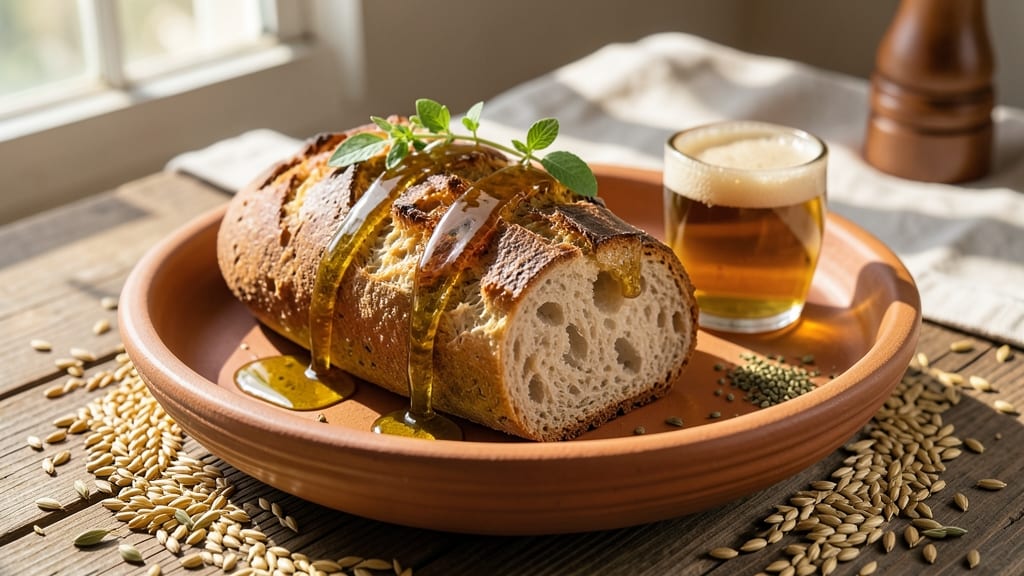
This ancient Egypt bread recipe transports you to the Nile Valley with its honey-sweetened flatbread, crispy edges, and subtle coriander notes—just as Egyptians baked it over 3,000 years ago. 🌟 The secret lies in emmer wheat flour and a touch of beer as a natural leavening agent, creating a texture both rustic and satisfying.
Unlike modern breads, this version relies on traditional techniques without salt, embracing the flavors of a civilization where bread was sacred currency.
The recipe adapts ancient methods for modern kitchens: knead the dough by hand (or use a stand mixer) until smooth, then bake in a hot skillet or clay oven substitute for those signature crispy edges. Honey adds natural sweetness, while coriander seeds lend a faint bitterness that mirrors historical recipes.
The result is a flatbread that’s hearty enough to stand alone or pair with stews, much like it did in pharaonic kitchens.
What makes this bread truly authentic is its simplicity—no yeast, no salt, just flour, water, and a splash of beer to activate fermentation. The dough rises slowly, developing a tangy depth, while baking creates a golden crust that contrasts with a soft, pillowy interior.
Every bite echoes the past, yet the process is accessible for today’s home cooks.
Perfect for historical reenactments, cultural explorations, or simply trying something different, this bread offers a taste of ancient Egypt without sacrificing modern convenience. Let’s bring this recipe to life—step by step, just as it was made millennia ago.
Ingredients for ancient egypt bread
Emmer wheat flour, honey, and beer create this ancient Egyptian flatbread with crispy edges and subtle coriander notes.
| Ingredient | Amount | Notes |
|---|---|---|
| Emmer Wheat Flour 🌾 | 3 cups | Stone-ground for authentic texture |
| Unfiltered Honey 🍯 | ¼ cup | Raw or wildflower preferred |
| Whole Grain Beer 🍺 | ½ cup | Non-alcoholic or light ale works |
| Ground Coriander Seeds 🌿 | 1 tbsp | Toasted for enhanced aroma |
| Warm Water 💧 | 1 ½ cups | Filtered or spring water preferred |
| Olive Oil 🫒 | 2 tbsp | Extra-virgin for baking |
| Sesame Seeds 🌰 | 1 tbsp | Toasted for garnish |
| Sea Salt 🧂 | ¼ tsp | Diamond Crystal preferred |
| Cumin Seeds 🌿 | ½ tsp | Lightly toasted |
| Anise Seeds 🌿 | ½ tsp | Optional for ancient flavor |
| Sesame Oil 🫒 | 1 tbsp | For finishing |
Emmer wheat flour is the cornerstone of this recipe—Bob's Red Mill or King Arthur brands offer the finest stone-ground versions. Look for vibrant, golden flour with minimal processing to preserve the authentic rustic flavor. The beer acts as a natural leavening agent, so opt for a whole grain ale or non-alcoholic stout to maintain the traditional tang. Honey should be raw or wildflower for its unprocessed sweetness, while coriander seeds should be toasted in a dry skillet for 30 seconds to release their aromatic oils. For an extra layer of authenticity, source spices from Penzeys Spices or specialty Middle Eastern markets.
No emmer wheat flour? Substitute with whole wheat pastry flour at the same ratio, though texture will differ slightly. Running short on beer? Warm water with 1 tsp apple cider vinegar mimics the acidity. Coriander seeds unavailable? Ground cumin at half the amount provides a similar earthy depth. The sesame seeds and oil can be swapped for poppy seeds and sunflower oil if preferred. For a more pronounced ancient flavor, toast the cumin and anise seeds together—this combination was commonly used in pharaonic baking. If you're feeling adventurous, try adding a pinch of ground fenugreek for a truly historical touch.
This dough requires patience—allow it to rest for at least 2 hours at room temperature before shaping. For optimal crispiness, bake in a preheated cast-iron skillet over medium-high heat. Store wrapped in a clean kitchen towel for 2 days to maintain freshness, or freeze shaped dough balls for up to 3 months. Reheat in a dry skillet for 1-2 minutes per side to restore crispness. The bread's flavor actually improves after 24 hours as the honey and spices meld together—perfect for making ahead for historical reenactments or cultural gatherings.
Why You'll Love This Recipe
- No-Knead Magic: This bread takes zero effort—just mix emmer flour, warm water, and a splash of beer, then let it rise while you sip tea. Honestly, my dough has never been this forgiving.
- Honey-Beer Crunch: That unfiltered honey caramelizes into a sticky, golden crust while the beer adds a subtle malt sweetness. Between us, it’s the kind of bread you’ll eat straight from the oven—no judgment here.
- Party-Ready Staple: Tear it for charcuterie boards, toast it for breakfast, or pack it in lunches—it holds up everywhere. I’ve even used it to soak up stew juices like a pro.
- Pantry Goldmine: Emmer flour and coriander seeds are cheap staples, and the beer? Whatever’s in your fridge. Leftovers? Toast them the next day—crispy edges every time. Budget win.
Step-by-step instructions for honey-sweetened ancient Egyptian flatbread
Recreate authentic ancient Egyptian bread with crispy edges and a subtle honey sweetness.
👨🍳 Step 1: Prepare the Fermented Dough Base
In a large mixing bowl, combine the 3 cups Emmer Wheat Flour, 1 tbsp Ground Coriander Seeds, 0.5 tsp Cumin Seeds, 0.5 tsp Anise Seeds, and 0.25 tsp Sea Salt. Mix thoroughly to distribute the spices evenly throughout the flour. This creates a fragrant foundation that mimics ancient Egyptian baking techniques.
In a separate small bowl, whisk together the 0.5 cup Whole Grain Beer, 1.5 cups Warm Water, and 0.25 cup Unfiltered Honey. The beer adds subtle malt sweetness while the warm water activates the flour's gluten. Pour this liquid mixture into the dry ingredients and stir with a wooden spoon until a shaggy dough forms. Let it rest for 5 minutes—this allows the flour to fully absorb the liquid.
🍳 Step 2: Knead and Rest for Optimal Texture
Add 2 tbsp Olive Oil to the dough and knead by hand for 8-10 minutes until smooth and elastic. The dough should feel slightly tacky but not sticky. If it feels too dry, add 1 teaspoon Warm Water at a time. Ancient Egyptians often used minimal kneading, so don't overwork it—just enough to develop structure without toughening the bread.
Shape the dough into a round ball, place it in a lightly oiled bowl, cover with a damp towel, and let it rest at room temperature for 1 hour. This resting period allows the gluten to relax and the flavors to meld. Here's where the magic happens—the beer and honey will begin developing subtle fermented notes that give this bread its authentic character.
🔥 Step 3: Shape and Cook the Flatbreads
Preheat your oven to 400°F with a baking sheet inside. Divide the rested dough into 4 equal portions (about 8 ounces each) and roll each portion between your palms to form smooth balls. Then, using a rolling pin, flatten each ball into ¼-inch thick circles about 6 inches in diameter. The thinner the better—this ensures crispy edges while keeping the center tender.
Place the rolled flatbreads on the preheated baking sheet. Brush each with 1 teaspoon Sesame Oil and sprinkle with ¼ teaspoon Sesame Seeds. Bake for 8-10 minutes until the edges are deep golden brown and the centers are still slightly soft. The contrast between crispy edges and tender centers is what makes this bread so special—don't overbake or they'll become dry.
🍽️ Step 4: Serve Warm with Authentic Pairings
Remove the flatbreads from the oven and let them rest for 2 minutes before serving. The residual heat will finish cooking them slightly. For an authentic Egyptian touch, serve warm with a drizzle of unfiltered honey or a small bowl of olive oil for dipping. The crispy edges contrast beautifully with the slightly chewy interior, creating the perfect balance of textures.
This bread pairs exceptionally well with spiced lamb stews or simple vegetable dishes. The subtle sweetness from the honey and beer complements savory flavors beautifully. Store any leftovers wrapped in a clean towel at room temperature for up to 2 days—they'll keep their crispy texture if properly protected from moisture.
Pro Tips For Making Ancient Egypt Bread
- Toast the Coriander: Lightly dry-toast the ground coriander seeds in a dry pan for 30 seconds before mixing—just until you smell that citrusy warmth. I learned this the hard way: skipping it makes the bread taste flat and one-note, like someone forgot the spice entirely. The beer’s bitterness needs that bright contrast to shine.
- Mix Beer Last: Add the whole grain beer after you’ve combined flour, honey, and water—otherwise, the dough gets gummy and sticky. I used to dump everything in at once, and my batches turned out dense as a brick. Wait until the dough holds together when pressed, then fold in the beer gently.
- Knead Like a River: Work the dough just until it smooths out—over-kneading turns emmer wheat into glue. Aim for 5-6 minutes by hand or 3-4 on low speed in a stand mixer. My first attempt was a disaster: I kept going until my arms gave out, and the bread ended up tough as papyrus.
- Shape Flat, Not Round: Press the dough into a thick, flat disc (about 1.5 inches tall) instead of rolling it tight. Ancient Egyptians baked these as open-topped loaves—round shapes bake unevenly and burn before the center cooks. Think "pancake-thick," not "ball-shaped."
Dietary considerations for ancient egypt bread
Gluten-Free Adaptations
Ancient Egyptian bread was traditionally made with emmer wheat, which contains gluten. For a gluten-free version, replace the emmer wheat flour with a 1:1 gluten-free flour blend like Bob's Red Mill GF 1-to-1 or King Arthur Measure for Measure.
Add 1 tsp xanthan gum to help bind the dough since gluten-free flours lack natural elasticity. Keep the beer and honey ratios the same, but expect a slightly denser texture.
Toast the coriander seeds extra long (up to 1 minute) to enhance flavor since gluten-free doughs absorb spices differently. 🌾
Dairy-Free Considerations
This recipe is naturally dairy-free, but watch for hidden dairy in beer or honey substitutes. Use non-alcoholic whole grain beer (like O'Doul's or Heineken 0.0) to avoid any dairy-based additives. For honey, opt for agave nectar or maple syrup if you prefer vegan options—both work well in the dough.
The sesame oil and seeds remain dairy-free, so no adjustments are needed there. The bread’s texture stays authentic while accommodating dietary restrictions. 🍯
Low-Sugar Options
To reduce sugar content, replace half the honey with unsweetened applesauce (about 2 tbsp). This maintains moisture without overpowering the dough’s natural flavors. Alternatively, use date paste (about 2 tbsp) for a caramel-like depth. Reduce the beer to 0.375 cup to balance the liquid-to-flour ratio.
The bread will still develop crispy edges but with a subtler sweetness. Test small batches first—the dough may need an extra 5 minutes of kneading to compensate for the applesauce’s moisture. 🍎
Nut-Free Substitutions
Sesame seeds and oil are the only nut-based ingredients here, but they’re optional. Swap sesame oil for avocado oil and omit the seeds entirely. For garnish, use poppy seeds or toasted sunflower seeds instead. These alternatives keep the bread’s texture and flavor profile intact while avoiding nuts.
If you’re also avoiding seeds, simply skip the topping—it won’t affect the bread’s authenticity. The focus remains on the emmer wheat and spices, which carry the ancient Egyptian essence. 🌻
Historical Accuracy Notes
True to ancient Egyptian practices, this bread contains no salt (as salt was scarce in early civilizations) and relies on beer as a leavening agent instead of yeast. For the most authentic experience, use stone-ground emmer wheat flour and raw honey—both were staples in pharaonic kitchens.
Avoid modern shortcuts like instant yeast or salted beer. The dough’s slow fermentation (even without yeast) mimics traditional methods, where bread was often baked in clay ovens (or modern equivalents like cast iron). This approach honors the recipe’s 3,000-year-old roots. ⏳
Nutrition facts
Frequently asked questions about ancient Egyptian bread
Why did ancient Egyptians use beer instead of yeast for bread?
Beer served a dual purpose in ancient Egypt—it was both a fermented drink and a natural leavening agent for bread! The yeast in beer creates bubbles that make the dough rise, while the malted barley adds subtle sweetness. This method was practical because beer was widely available and preserved in clay jars, making it easier to store than yeast cultures.
Can I make this bread without emmer wheat flour?
Yes, but the texture will differ slightly. Use whole wheat pastry flour or a 1:1 gluten-free flour blend with 1 tsp xanthan gum for binding. For authenticity, toast the coriander seeds longer (up to 1 minute) since gluten-free dough absorbs flavors differently. The bread will still taste delicious but won't have the exact historical texture.
How did ancient Egyptians bake their bread without ovens?
They used clay ovens heated by wood or charcoal, similar to modern tandoors. For a home kitchen, a cast-iron skillet or preheated baking sheet works well. The key is high, even heat—place the dough directly on hot surfaces (no need for parchment) to achieve those signature crispy edges. Rotate the bread halfway for even browning.
Is this bread still edible after 3,000 years?
No, but archaeological bread found in tombs (like the 5,000-year-old loaves from Hierakonpolis) reveals how well-preserved it can be! Modern bread won't last that long, but storing it in an airtight container keeps it fresh for 2-3 days. For longer storage, freeze shaped dough balls for up to 3 months—they'll crisp up perfectly when reheated.
What did ancient Egyptians eat with their bread?
This bread was typically served with stews, dairy products (like cheese or yogurt), or dates. For a historical meal, pair it with spiced lamb, lentil soup, or fresh figs. The honey-sweetened edges also made it a perfect snack on its own—just as it was enjoyed along the Nile's banks thousands of years ago.