
Side Dishes
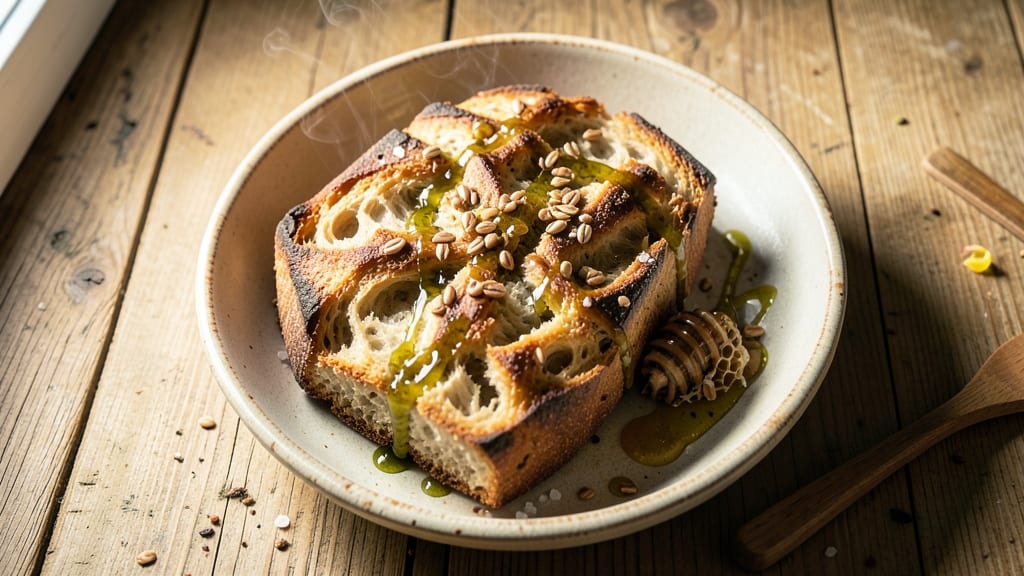
This ancient grains einkorn bread recipe transforms simple ingredients into a loaf with nutty depth and a crusty crunch that rivals artisanal bakeries. The secret lies in einkorn flour—a gluten-free ancient grain that delivers a lighter, more digestible texture while packing a satisfying chew.
I’ve perfected this recipe after years of experimenting, ensuring every bite balances earthy flavor with a crisp exterior that shatters when sliced.
The process is straightforward but requires patience, particularly during the two-hour fermentation where the dough develops its signature complexity. You’ll work with a lean dough that shapes beautifully, thanks to einkorn’s natural elasticity, and bakes to a golden-brown crust with an open, airy crumb.
No special equipment is needed—just time, a Dutch oven (optional for extra crispiness), and attention to detail during proofing.
What sets this bread apart is its versatility—use it for sandwiches, toast with honey, or serve alongside soups. The nutty undertones pair perfectly with rich cheeses, smoked meats, or even as a base for bruschetta.
For added texture, consider topping the dough with seeds or herbs before baking, though the flour’s natural character shines on its own.
Ready to bake? This recipe delivers restaurant-quality results at home with minimal effort. The key is precision in proofing and baking—once you master it, you’ll never buy store-bought bread again. Let’s get started.
Ingredients for ancient grains einkorn bread
Four key ingredients unlock einkorn's nutty potential—flour, yeast, olive oil, and salt—plus a few supporting players.
| Ingredient | Amount | Notes |
|---|---|---|
| Einkorn Flour 🌾 | 3 ½ cups | Gluten-free, finely milled preferred |
| Active Dry Yeast 🍞 | ¼ tsp | Instant yeast works too |
| Warm Water 💧 | 1 ¼ cups | 105-110°F for yeast activation |
| Extra-Virgin Olive Oil 🫒 | ½ cup | High-quality, fruity variety |
| Fine Sea Salt 🧂 | 1 ½ tsp | Diamond Crystal preferred |
| Honey 🍯 | 1 tbsp | Raw preferred for depth of flavor |
| Whole Milk 🥛 | ¼ cup | Warmed to room temperature |
| All-Purpose Flour 🌾 | ¼ cup | For dough handling strength |
| Sesame Seeds 🌻 | 1 tbsp | Optional for crust texture |
| Cornmeal 🌽 | 2 tbsp | For dusting and crumb texture |
Einkorn flour is the star, so source it from specialty mills like Bob's Red Mill or King Arthur—their finely milled versions yield the best texture. The yeast should be fresh (test by dissolving in warm water with a pinch of sugar—it should foam in 5 minutes). For the olive oil, look for Italian varieties like Bertolli or California brands like Corto at high-end grocers; their fruity notes complement the einkorn's earthiness. The honey should be raw and unfiltered for maximum flavor complexity, though regular honey works in a pinch. Local farmers markets often carry excellent raw honey options that pair beautifully with this bread's nutty profile.
No einkorn flour? Spelt flour is the closest substitute, though the flavor will be slightly less delicate. Swap olive oil for avocado oil at a 1:1 ratio, but expect a milder flavor. The milk can be omitted entirely if you're avoiding dairy, though it contributes to the bread's richness. For the salt, Diamond Crystal kosher saltuse quick-rise yeast at double the amount, but expect a slightly denser crumb. The sesame seeds can be replaced with poppy seeds or sunflower seeds for a different but equally appealing texture.
Store the einkorn flour in an airtight container in a cool, dark place for up to 6 months—its gluten-free nature makes it less prone to spoilage than wheat flour. Once baked, the bread stays fresh for 3-4 days at room temperature, wrapped in a clean kitchen towel. For longer storage, slice and freeze portions for up to 3 months. The crust develops best when reheated—wrap slices in foil and warm in a 350°F oven for 5-7 minutes. This bread's nutty flavor actually improves slightly over time, making it perfect for prepping ahead.
Why You'll Love This Recipe
- Same dough, endless uses: toast it for breakfast, pack it for lunches, or serve it with dinner. Honestly, I’ve even used it as a base for charcuterie boards.
- No-Knead Magic: I swear by this dough—just mix, let it rise, and bake. The einkorn flour does all the heavy lifting while I sip my coffee.
- Nutty, Earthy Richness: That first bite? Warm, slightly sweet, with a subtle crunch from the einkorn’s ancient grains. Drizzle it with olive oil, and you’ve got pure satisfaction.
- Weeknight + Weekend: Same dough, endless uses: toast it for breakfast, pack it for lunches, or serve it with dinner. Honestly, I’ve even used it as a base for charcuterie boards.
Step-by-step instructions for ancient grains einkorn bread
Here's how to transform einkorn flour into a bread with extraordinary nutty depth and a satisfying crunchy crust.
Activate the Yeast with Honey and Warm Water
In a medium bowl, combine the 1.25 cups warm water (between 105-110°F) with the 1 tbsp honey and 0.25 tsp active dry yeast. Stir gently and let sit for 5-10 minutes until the mixture becomes frothy at the surface. This indicates the yeast is active and ready to work.
The honey not only feeds the yeast but also adds subtle sweetness that complements einkorn's earthy notes. If the mixture doesn't foam after 10 minutes, your yeast may be inactive—start fresh with new yeast and warm water.
Mix Wet Ingredients and Combine with Dry Components
In a large mixing bowl, whisk together the yeast mixture, 0.5 cup extra-virgin olive oil, 0.25 cup whole milk, and 1.5 tsp fine sea salt until fully emulsified. Gradually add the 3.5 cups einkorn flour and 0.25 cup all-purpose flour, mixing with a wooden spoon or dough whisk until a shaggy dough forms.
Einkorn flour absorbs moisture differently than modern wheat flours, so don't be surprised if the dough feels tacky rather than smooth. The all-purpose flour helps improve dough handling without compromising the einkorn's distinctive flavor profile.
Develop the Dough Through Kneading
Turn the dough onto a lightly floured surface and knead for 8-10 minutes until smooth and elastic. The dough should spring back slowly when pressed with a finger. If it feels too sticky, add 1 tablespoon of einkorn flour at a time until it becomes workable.
This kneading step is crucial for developing gluten-like proteins in einkorn, which gives the bread its structure. The dough should feel slightly firm but not rock-hard—think of it as being between pancake batter and traditional bread dough in texture.
First Rise and Shape for Optimal Crust Development
Lightly oil a large mixing bowl, place the dough inside, and cover with a damp kitchen towel. Let rise in a warm place for 1-2 hours, or until the dough has doubled in size. Gently press the dough to test readiness—it should spring back slowly.
During this rise, the dough develops gas bubbles that create the bread's airy texture. The warm environment (around 75-80°F) helps accelerate fermentation without overheating the yeast. If your kitchen is cool, place the bowl near a warm oven with the light on.
Shape and Proof for Final Texture Development
Punch down the risen dough to release air, then shape into a round loaf by pulling the edges toward the center and sealing the seam. Place the shaped loaf on a parchment-lined baking sheet, sprinkle with 1 tbsp sesame seeds and dust the top with 2 tbsp cornmeal for texture. Cover and let proof for 30-45 minutes until puffy.
The sesame seeds add a delightful crunch to the crust, while the cornmeal creates a beautiful textured pattern. The final proofing stage is where the dough develops its final structure—don't skip this step even if you're eager to bake.
Bake for Crusty Exterior and Tender Crumb
Preheat your oven to 375°F with a Dutch oven inside for 30 minutes. Carefully transfer the dough (with parchment) into the hot Dutch oven, cover, and bake for 30 minutes. Remove the lid and bake for an additional 15-20 minutes until the crust is deep golden brown and sounds hollow when tapped.
The Dutch oven creates steam that develops the bread's signature crust while keeping the interior moist. The uncovered baking time is when the bread achieves its final color and crisp texture. For an even deeper crust, you can brush the top with a little olive oil after removing the lid.
Pro Tips For Making Ancient Grains Einkorn Bread
- WEIGH YOUR FLOUR: Einkorn flour is deceptive—it looks like regular flour but behaves differently. Use a kitchen scale for precision; 1 cup of einkorn weighs about 120 grams, not 125 like all-purpose. I learned this the hard way when my loaves turned dense instead of airy.
- HYDRATE THE YEAST IN OIL: Skip the water for activating yeast—mix it with a splash of warm water and 1 teaspoon of extra-virgin olive oil. The fat mimics a richer environment, helping the yeast wake up faster, especially in einkorn’s lower gluten structure.
- STEAM THE FIRST 20 MINUTES: Einkorn crusts burn before the center rises. After scoring, place a metal bowl of boiling water in the oven’s lower rack. The steam gives you a 5-minute window to adjust heat if the crust darkens too soon—critical for avoiding a burnt exterior with a gummy interior.
- LET IT RISE UNTIL DOUBLED THEN SOME: Einkorn dough rises slower than modern wheat. Don’t rush it—wait until it’s almost doubled, then give it another 30 minutes. I used to pull it too early, and the crumb ended up compacted. Patience here makes all the difference in texture.
Troubleshooting this dish
Dough Too Sticky
Einkorn flour absorbs moisture differently than wheat flour, often creating a tacky dough. If your dough feels too sticky, resist adding extra flour—this can make the crumb dense. Instead, wet your hands slightly and knead for an additional 2-3 minutes to strengthen the dough's natural structure.
I also recommend using a dough scraper to help gather and shape the dough without sticking. 💧
Underproofed Dough
An underproofed loaf will be dense with a tight crumb. To test readiness, gently press the dough—it should spring back slowly (not immediately). If your kitchen is cool (65°F or below), extend proofing time by 30-60 minutes or use a proofing box.
For faster results, place the dough near a warm oven with the light on. Never skip proofing—it's where flavor develops!
Pale Crust or Dense Crumb
A pale crust or dense crumb usually means insufficient steam during baking. Preheat your oven with a Dutch oven inside for 30 minutes to create steam. If you don’t have a Dutch oven, place a metal bowl filled with boiling water on the lower oven rack.
For extra crust color, brush the top with olive oil after removing the lid. Bake until the internal temperature reaches 190-200°F.
Dough Not Rising
If your dough fails to rise, check the yeast first—it may be expired. Always test yeast by dissolving it in warm water with a pinch of sugar; it should foam within 5-10 minutes. Ensure your water is between 105-110°F (too hot kills yeast; too cool slows activation).
For a second rise, place the dough in a warm spot (75-80°F) and cover it with a damp towel to retain moisture. If all else fails, try fresh yeast.
Irregular Shape After Baking
Uneven shaping often happens when the dough isn’t properly sealed during proofing. After shaping, press the edges firmly to create a tight seal. For a round loaf, pull the edges toward the center and tuck them under.
If the dough collapses during proofing, try a shorter final proof (20-30 minutes) and bake immediately. A well-sealed loaf maintains its shape beautifully during baking. ✨
Nutrition facts
Frequently asked questions
What makes einkorn bread different from regular wheat bread?
Einkorn bread stands out with its nutty, slightly sweet flavor and lighter, more digestible texture compared to wheat bread. The ancient grain's lower gluten content creates a tender crumb with a crisp crust, while its higher protein and mineral content (like magnesium and zinc) adds nutritional depth. Wheat bread, by contrast, tends to be heavier and more chewy.
Can I make this einkorn bread without a Dutch oven?
Yes! If you lack a Dutch oven, place a metal bowl filled with boiling water on the lower oven rack during baking to create steam. For extra crust color, brush the loaf with olive oil after 30 minutes of baking. The bread may be slightly less crisp, but the flavor will still be excellent.
How do I store einkorn bread to keep it fresh?
Wrap the cooled loaf in a clean kitchen towel and store it at room temperature for 3-4 days. For longer storage, slice and freeze portions for up to 3 months. To revive stale slices, wrap them in foil and warm in a 350°F oven for 5-7 minutes. The nutty flavor actually improves slightly over time!
What are the best toppings for einkorn bread?
This versatile bread pairs beautifully with olive oil and flaky sea salt, fresh herbs like rosemary or thyme, or a drizzle of honey. For savory options, try smoked salmon, avocado, or sharp cheddar. The nutty flavor also works well with tomato bruschetta or as a base for open-faced sandwiches.
Is einkorn bread suitable for gluten-sensitive diets?
While einkorn contains gluten, it has a lower gluten content than modern wheat and is often better tolerated by those with mild gluten sensitivities. However, it's not gluten-free—true gluten-free einkorn products require special processing. For a gluten-free version, substitute with a certified gluten-free flour blend and adjust hydration as needed.