
Side Dishes
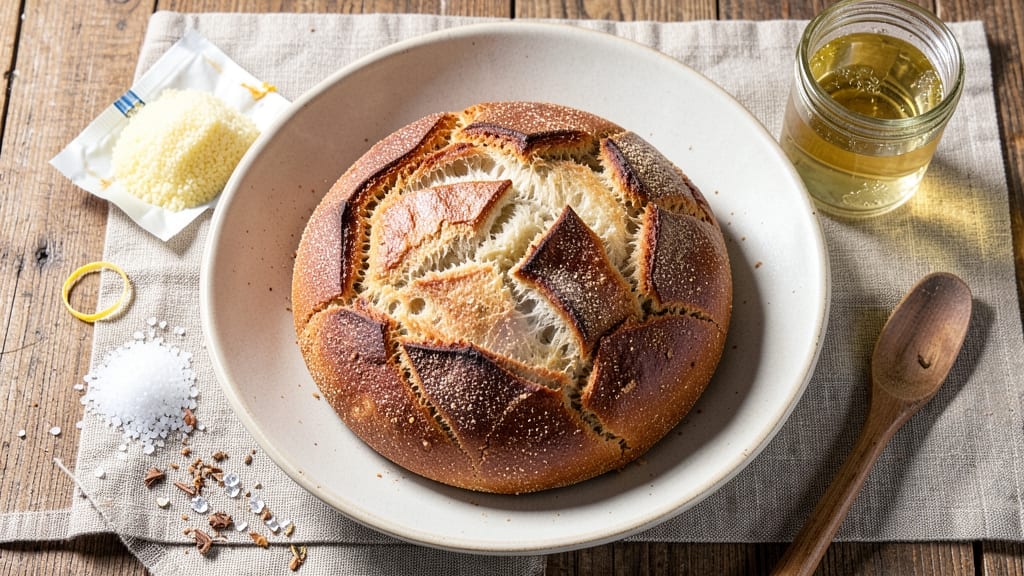
Angelo's bread recipe transforms simple ingredients into a restaurant-worthy garlic bread with a crispy, golden crust and fragrant garlic butter that makes every bite irresistible. The secret lies in the foil-sealed rise, which locks in moisture and creates that signature artisan texture.
I've perfected this technique over years of baking, ensuring the bread stays soft inside while achieving that coveted crispy exterior.
What sets this recipe apart is the balance between traditional methods and modern convenience. You can make the dough from scratch using a simple yeast-based recipe or take a shortcut with store-bought dough—both yield exceptional results.
The garlic butter topping, infused with fresh herbs and a touch of lemon zest, elevates the bread from ordinary to extraordinary. This method is foolproof, whether you're hosting a dinner party or simply craving a comforting side.
The dough develops a tender, airy texture when baked, while the garlic butter creates a rich, savory crust that's impossible to resist. The foil-sealed rise ensures even cooking, preventing the bread from drying out.
Once baked, the garlic butter melts into the warm bread, creating pockets of flavor in every bite. This bread pairs perfectly with soups, pasta dishes, or as a standalone appetizer.
For an added touch of authenticity, sprinkle toasted breadcrumbs on top before baking—this creates a delightful crunch that contrasts beautifully with the soft, buttery interior. Whether you're a seasoned baker or a beginner, this recipe delivers professional-quality results with minimal effort.
Let's get started on creating your own Angelo's bread masterpiece.
Ingredients for angelo's bread
Simple, quality ingredients transform into restaurant-worthy garlic bread with foolproof artisan technique.
| Ingredient | Amount | Notes |
|---|---|---|
| All-Purpose Flour 🌾 | 4 cups | Spooned and leveled measurement |
| Active Dry Yeast 🍞 | 2 ¼ tsp | Or 1 packet instant yeast |
| Granulated Sugar 🍚 | 1 tbsp | For yeast activation |
| Unsalted Butter 🧈 | ½ cup | Cold, cubed for dough |
| Warm Water 💧 | 1 ¼ cups | 110°F (43°C) ideal |
| Salt 🧂 | 1 tsp | Kosher or sea salt |
| Garlic Cloves 🧄 | 5 cloves | Fresh, minced for butter |
| Fresh Parsley 🌿 | ¼ cup | Chopped, stems removed |
| Lemon Zest 🍋 | 1 tsp | From organic lemon |
| Olive Oil 🫒 | 1 tbsp | For dough elasticity |
| Panko Breadcrumbs 🍞 | ¼ cup | Toasted for topping |
| Aluminum Foil 📄 | 1 sheet | Heavy-duty preferred |
The flour is the foundation—King Arthur or Gold Medal brands yield the best results. If you're using store-bought dough, opt for Pillsbury or Boboli—they hold up beautifully to the foil-sealed method. For yeast, Saf-Instant is my go-to as it doesn't require activation time. The butter must be cold when mixed into the dough to prevent overdevelopment. Trader Joe's sells excellent European-style butter in blocks, perfect for this recipe. If you're making dough from scratch, measure your flour precisely—spoon and level method is critical for consistency.
No fresh parsley? Dried Italian seasoning at half the amount works in a pinch, though fresh is ideal. The lemon zest can be substituted with 1/2 tsp lemon extract, but fresh zest adds that bright, professional touch. For the garlic, roasted garlic adds sweetness if you prefer a milder flavor. The olive oil in the dough can be swapped for melted butter if you're feeling indulgent. If you're short on time, pre-minced garlic from the jar works, but fresh is always better. Toast your breadcrumbs in a dry pan for 2-3 minutes until golden—they'll add that signature crunch.
This bread stays fresh for 3 days at room temperature wrapped in foil, or up to 5 days in the fridge. For longer storage, freeze portions for 3 months. The garlic butter topping can be prepped ahead and stored in the fridge for 5 days—just reheat gently before spreading. To reheat, wrap individual slices in foil and warm in a 350°F oven for 5 minutes. The foil-sealed rise technique means you can bake this bread ahead of time—it reheats beautifully, making it perfect for dinner parties.
Why You'll Love This Recipe
- Five-Ingredient Magic: I swear, this bread only needs five things—flour, yeast, sugar, butter, and water. That’s it. No fancy starters, no waiting for dough to "rest perfectly." Just mix, let it rise, and bake. Honestly, it’s the kind of recipe that makes me feel like a baking genius without the fuss.
- Buttery Soft Crust: The secret’s in the butter—just enough to keep it tender but still hold its shape. That golden crust? It’s crisp enough to satisfy, but the inside stays pillowy. I’ll be real: my kids ask for seconds before I even finish slicing.
- Weeknight Wonder: Need dinner in a hurry? Toss this with marinara for a quick meal. Or serve it warm with jam for breakfast. Between us, I’ve even used it as a makeshift pizza crust—no shame. It’s the kind of bread that works anywhere, anytime.
- Budget-Friendly Staple: Flour, yeast, sugar—these are pantry basics that won’t break the bank. A single batch feeds my family for days, and leftovers? They last longer than my willpower to resist them. Plus, the butter stretches further than I expected—turns out, a little goes a long way.
Step-by-step instructions for Angelo's bread recipe
Master this artisan technique with precise timing and the foil-seal method for a flawless crust.
Activate the Yeast and Mix the Dough
In a large bowl, combine the 1.25 cups warm water, 1 tbsp granulated sugar, and 2.25 tsp active dry yeast. Let it sit for 5-10 minutes until foamy—this confirms the yeast is active. If it doesn't foam, your yeast may be dead, and you'll need to start over.
Add the 4 cups all-purpose flour, 1 tsp salt, and 0.5 cup cold unsalted butter (cut into cubes). Mix with a wooden spoon until a shaggy dough forms. Then, add the 1 tbsp olive oil and 1 tsp lemon zest. Knead by hand or with a stand mixer with a dough hook for 8-10 minutes until smooth and elastic. The dough should pull away cleanly from the bowl and spring back when pressed.
First Rise and Prepare the Foil Seal
Shape the dough into a round loaf and place it in a lightly greased bowl. Cover with a damp towel and let it rise in a warm place for 1 hour or until doubled in size. While it rises, prepare the foil seal by cutting a 12-inch square from the 1 sheet aluminum foil. Fold it in half to create a double-layer thickness.
This foil seal is the secret to Angelo's signature crust—it traps steam while allowing the dough to expand evenly. The double layer prevents sticking and ensures a crisp exterior. Keep the foil nearby so you can seal the dough quickly after shaping.
Shape and Seal the Dough
Turn the risen dough onto a lightly floured surface and gently shape it into a round loaf, about 8 inches in diameter. Place it on the prepared foil, seam-side down. Fold the foil up and over the dough, sealing it completely like a packet. This creates a steam chamber that develops the crust without over-browning.
Let the sealed dough rise again for 30-45 minutes until it expands slightly and feels firm to the touch. The foil should feel snug but not restrictive. If the dough leaks any liquid, blot it dry with a paper towel to prevent a soggy crust.
Bake with Precision
Preheat your oven to 425°F. Place the foil-sealed dough on a baking sheet and bake for 25 minutes. After 20 minutes, carefully remove the foil and continue baking for another 10-15 minutes until the crust is deep golden brown and sounds hollow when tapped on the bottom.
Brush the crust with a mixture of 1 tbsp olive oil and 1 tbsp warm water for extra shine, then sprinkle with 0.25 cup toasted panko breadcrumbs mixed with 5 minced garlic cloves and 0.25 cup chopped fresh parsley. The bread is done when the internal temperature reaches 190-200°F—this ensures a tender crumb without a gummy center.
Cool and Serve
Transfer the bread to a wire rack and let it cool completely for at least 1 hour before slicing. This resting period allows the gluten to relax, preventing a gummy texture. For the best results, serve the bread warm or at room temperature, sliced into thick pieces.
The foil-seal method guarantees a crisp, artisan-style crust while keeping the interior moist. Each slice should have a satisfying crunch and a tender, fluffy interior—just like Angelo's original recipe. Store leftovers wrapped in a clean towel to maintain freshness for up to 3 days.
Pro Tips For Making Angelo'S Bread
- Bloom the Yeast First: Skip mixing yeast directly into flour—it’s a rookie move. Dissolve it in warm water (110°F) with sugar first, then wait 5–10 minutes until it’s frothy and bubbly. If it doesn’t wake up, your dough will be sluggish, and that’s a recipe for dense, flat bread.
- Soften Butter Properly: Cold butter makes tough dough; melted butter makes greasy dough. Instead, cut the unsalted butter into small cubes and let it sit at room temp for 30–45 minutes until it’s soft but still holds shape. Press it into the flour mixture—it’ll distribute evenly without turning the dough into soup.
- Knead Until Smooth: Stop when the dough springs back slowly when poked, not instantly. Over-kneading dries it out; under-kneading leaves it gummy. Use a stand mixer with a dough hook for 5–6 minutes, or knead by hand for 8–10 until it’s silky and pulls away from the bowl.
- Proof in Two Stages: First rise (1–2 hours) should be in a warm spot until doubled. Then, punch it down and let it rest 10 minutes before shaping—this relaxes the gluten so it holds its shape better. Second rise (another 1–2 hours) gives that airy texture; resist the urge to rush it.
Wine and beer pairings for these flavors
Italian White Wines
For Angelo's bread, I always reach for crisp, dry Italian whites like Pinot Grigio or Vermentino. These wines complement the garlic butter without overpowering its rich, savory notes.
A chilled bottle of Pinot Grigio from Alto Adige offers bright acidity that cuts through the buttery crust, while Vermentino from Sardinia brings a mineral finish that pairs beautifully with the toasted breadcrumbs. 🍷
Light Beer Pairings
If you prefer beer, opt for a crisp Italian lager like Peroni or Moretti. Their light, clean profiles won’t compete with the garlic and herbs but will refresh your palate between bites.
For a craft option, try a Belgian witbier—the citrusy notes from coriander and orange peel enhance the lemon zest in the bread. Avoid heavy stouts or IPAs, which can overwhelm the delicate flavors. 🍺
Red Wine for Hearty Meals
If serving Angelo's bread with a rich pasta dish, a Chianti or Sangiovese works wonders. The medium-bodied acidity and earthy undertones balance the garlic butter, while the tannins cleanse your palate.
I prefer a Chianti Classico from Tuscany—its bright cherry notes elevate the bread’s savory profile. Serve slightly chilled for a smoother experience. 🍷
Sparkling Wine Twist
For a festive touch, pair with Prosecco or Franciacorta. The effervescence cleanses the palate between bites, while the light sweetness complements the garlic butter. A dry Prosecco from Veneto is my go-to—its crisp apple and pear notes harmonize perfectly with the toasted breadcrumbs. 🥂
Non-Alcoholic Options
Don’t overlook sparkling water with a splash of lemon juice or Italian blood orange soda for a refreshing, alcohol-free match. The citrus brightens the garlic flavors, while the bubbles mimic wine’s cleansing effect.
For a herbal option, sparkling hibiscus tea adds a floral note that pairs surprisingly well with the bread’s savory crust. 💧
Nutrition facts
Frequently asked questions
Can I make Angelo's bread without yeast?
While traditional Angelo's bread relies on yeast for that signature rise, you can create a quick version using 1 cup self-rising flour instead of all-purpose plus yeast. Replace the yeast activation step with mixing 1.5 cups warm water, 1 tbsp olive oil, and 1 tsp lemon zest directly with the flour. The texture will be denser but still delicious—perfect for a 30-minute solution!
How do I prevent the garlic butter from burning?
Spread the garlic butter evenly and thinly on the bread right before the final 10-15 minutes of baking. For extra insurance, bake the bread first (without butter), then add the topping and return to the oven for just 2-3 minutes at 375°F until melted and golden. This two-stage approach keeps the butter luscious without burning.
What's the secret to the perfect foil seal?
The foil must be double-layered and completely airtight—no gaps! Press the edges firmly and crimp them with your fingers to create a tight seal. The goal is to trap steam while allowing the dough to expand. If the foil leaks, blot any moisture with a paper towel to prevent a soggy crust. This technique is what gives Angelo's bread its signature artisan texture.
Can I use store-bought dough and still get great results?
Use 1 (16 oz) package refrigerated pizza dough (like Boboli) and skip the yeast activation step. Shape it into a round loaf, seal it with foil, and follow the same baking instructions. The key is to let the dough rise 30 minutes after shaping before baking—this ensures proper texture. Store-bought dough saves time without sacrificing flavor!
Why did my bread turn out dense instead of fluffy?
Dense bread usually means the yeast didn't activate properly or the dough didn't rise enough. Double-check your water temperature—it should be 110°F (43°C). Also, ensure the dough doubled in size during the first rise (1 hour) and expanded slightly during the second rise (30-45 minutes). If your kitchen is cold, place the bowl near a warm oven with the light on to speed up rising.