
Side Dishes
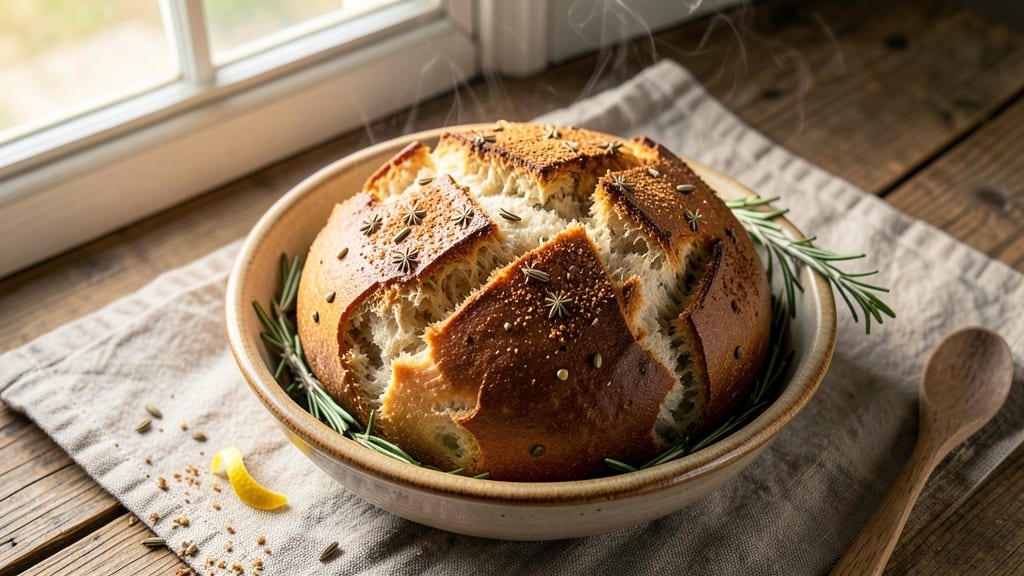
This aniseed bread recipe delivers a fragrant, licorice-kissed loaf with a crisp crust and tender crumb—perfect for sandwiches or serving alongside soups. The secret lies in balancing anise seeds with warm spices like cinnamon and cardamom, creating a subtle yet distinctive flavor profile that sets it apart from standard bread.
I developed this version after testing traditional European techniques, ensuring every bite delivers that signature aromatic warmth without overpowering sweetness.
The dough comes together with simple ingredients—flour, yeast, water, and anise seeds—but the magic happens in the slow fermentation and careful shaping. Unlike quick breads, this recipe rewards patience with a complex flavor that builds as it bakes.
The crust develops a beautiful golden-brown color with a slight crackle, while the interior remains soft and airy, with pockets of fragrant steam trapped within.
Once baked, the bread releases an intoxicating aroma that lingers in the kitchen, signaling a loaf ready to be sliced and shared. The anise seeds infuse the dough with their signature licorice note, balanced by the warmth of spices and the richness of butter or honey (if used).
This isn’t just bread—it’s a centerpiece that elevates any meal, whether served fresh from the oven or toasted the next morning.
For those with dietary preferences, I’ve included adaptable variations—like sourdough starter or gluten-free flour blends—without sacrificing the bread’s signature character. The scoring technique alone ensures a professional finish, with clean, even cuts that reveal the fragrant crumb beneath. Let’s get started on a loaf that will become your new staple.
Ingredients for aniseed bread
European-inspired ingredients blending anise's licorice warmth with classic breadmaking staples for an aromatic loaf.
| Ingredient | Amount | Notes |
|---|---|---|
| All-Purpose Flour 🌾 | 4 cups | Sifted for even texture |
| Active Dry Yeast 🍞 | ¼ oz | Or 2 1/4 tsp (1 packet) |
| Granulated Sugar 🍚 | ¼ cup | For yeast activation |
| Anise Seeds 🌿 | 1 ½ tbsp | Whole seeds, lightly toasted |
| Ground Cinnamon 🌶️ | ½ tsp | For subtle warmth |
| Ground Cardamom 🌿 | ¼ tsp | Freshly ground preferred |
| Salt 🧂 | 1 ½ tsp | Diamond Crystal preferred |
| Unsalted Butter 🧈 | ½ cup | Cold, cubed for dough |
| Warm Water 💧 | 1 ¼ cups | 110°F for yeast activation |
| Honey 🍯 | 1 tbsp | Optional for richness |
| Egg Yolk 🥚 | 1 whole | For egg wash |
| Coarse Sea Salt 🧂 | 1 tsp | For scoring crust |
| Cornmeal 🌽 | ¼ cup | For dusting baking sheet |
The anise seeds are non-negotiable—they carry that signature licorice note that sets this bread apart. Whole seeds from Penzeys or bulk bins deliver the best flavor; avoid pre-ground powder, which loses potency quickly. Toast them lightly in a dry pan before adding to the dough to deepen their aroma. For the spices, freshly ground cardamom makes a noticeable difference, though pre-ground works in a pinch. The flour should be all-purpose (not bread flour)—this recipe relies on the dough's slow fermentation for structure, not gluten development. If you're using a stand mixer, the dough will be soft and sticky; don't overmix or you'll develop too much gluten and lose that tender crumb.
No anise seeds? Fennel seeds or star anise can substitute at half the amount, though the flavor profile will shift slightly. Running low on cardamom? Allspice at one-third the quantity mimics its warmth. The honey is optional but recommended—it adds subtle sweetness that complements the anise without overpowering. For a dairy-free version, replace the butter with vegan butter or coconut oil, though the crust may be slightly less tender. If your yeast isn't fresh, test it first in warm water with a pinch of sugar; it should foam within 5-10 minutes. The egg wash can be skipped if avoiding eggs, though it adds that golden sheen to the crust. For a gluten-free adaptation, use a 1:1 gluten-free flour blend, but expect a denser texture.
The dough ferments best at room temperature, so plan ahead—it needs 1.5 to 2 hours for optimal flavor development. Store any unused dough in an airtight container in the fridge for up to 24 hours, letting it come to room temperature before shaping. Once baked, the bread keeps well at room temperature for 2 days wrapped in a clean kitchen towel. For longer storage, slice and freeze portions between parchment paper; they'll reheat beautifully in a toaster or oven. The anise seeds release more aroma when toasted, so if you're making a second batch, toast fresh seeds. This bread freezes exceptionally well—wrap the whole loaf in foil and freeze for up to 3 months for that freshly baked taste anytime.
Why You'll Love This Recipe
- No-Knead Magic: I swear by this—just mix the dough, let it rise, and bake. The yeast does all the work while I sip coffee. Honestly, my hands stay clean, and the bread still turns out golden and tender.
- Licorice-Kissed Warmth: That anise seed aroma? It’s like a cozy hug in bread form. The cinnamon and sugar caramelize just enough to make every bite taste like a bakery secret, but I’ll never tell anyone how easy it is to replicate.
- Breakfast to Brunch: Toast it for breakfast with jam, use it for sandwiches at lunch, or serve thick slices with butter for a fancy brunch. Between us, I’ve even thrown it into French toast—yes, it works—and no one questions my genius.
- Budget Baking Wins: Flour, yeast, and spices? This costs pennies per loaf. Plus, a single batch lasts me days—perfect for when I’m too tired to bake or too cheap to order in. (And leftovers? They’re even better the next day.)
Step-by-step instructions for aniseed bread with licorice-kissed crust
Mastering this recipe delivers a bread with aromatic depth and perfect texture every time.
Activate the Yeast for Maximum Rise
In a small bowl, combine the 1.25 cups warm water (tested at 110°F with your finger—it should feel warm but not hot) with the 0.25 cup granulated sugar and 1 tbsp honey. Stir until the sugar dissolves completely. Sprinkle the 0.25 oz active dry yeast over the surface and let sit for 5-10 minutes until it becomes frothy and bubbles form.
This activation step is crucial—it ensures your bread rises properly. If the yeast doesn't bubble within 10 minutes, it's dead and you'll need to start over. The warm water and sugar create the ideal environment for yeast to multiply, which directly impacts your bread's final volume and texture.
Mix the Dough with Aniseed and Spices
In the bowl of a stand mixer fitted with the dough hook, combine the 4 cups all-purpose flour, 1.5 tsp salt, 0.5 tsp ground cinnamon, 0.25 tsp ground cardamom, and 1.5 tbsp anise seeds. Mix on low speed for 30 seconds to distribute the spices evenly through the flour.
Add the 0.5 cup cold unsalted butter, cut into cubes, and mix on low speed until the butter is incorporated and the mixture resembles coarse crumbs. With the mixer running on low, gradually add the yeast mixture in a slow stream, mixing just until combined. The dough will be shaggy at this stage—this is normal and indicates proper hydration.
Knead Until Elastic and Smooth
Increase the mixer speed to medium and knead the dough for 5-7 minutes until it becomes smooth, elastic, and springs back when pressed. The dough should form a tight ball that cleans the sides of the bowl. If the dough feels too sticky, add 1-2 tablespoons of flour; if it's too dry, add 1 teaspoon of warm water.
During kneading, the gluten develops, giving your bread its structure. You'll know it's ready when the dough pulls away from the bowl and feels firm to the touch. For best results, use a kitchen scale to ensure you're working with the exact 4 cups flour—this prevents variations in texture and rise.
First Rise for Optimal Flavor Development
Lightly oil a large bowl, place the dough inside, and cover with a damp kitchen towel. Let the dough rise in a warm place (75-80°F) for 1-1.5 hours, or until it has doubled in size. The dough should feel light and springy when pressed gently with one finger.
This first rise allows the yeast to ferment fully, developing complex flavors and ensuring proper oven spring. Avoid placing the dough near direct heat sources like the oven or stove—consistent warmth is key. If your kitchen is cool, place the bowl on top of your refrigerator (with the light on for warmth) to maintain the ideal temperature.
Shape and Second Rise for Perfect Structure
Turn the dough onto a lightly floured surface and gently shape it into a 12-inch round loaf by pulling the edges toward the center and tucking them under. Place the shaped dough on a baking sheet dusted with 0.25 cup cornmeal (this prevents sticking and adds texture). Cover loosely with plastic wrap and let rise for 30-45 minutes until puffy.
The cornmeal creates a crisp, golden crust while preventing the dough from adhering to the pan. For a more rustic look, you can shape the dough into a freeform loaf or braid it. Press the 1 tsp coarse sea salt onto the surface just before baking—this enhances flavor and creates a beautiful crust pattern when scored.
Bake to Golden Perfection
Preheat your oven to 375°F with the rack positioned in the center. Brush the risen dough with the 1 whole egg yolk diluted with 1 teaspoon water for a glossy finish. Bake for 25-30 minutes until the bread is deep golden brown and sounds hollow when tapped on the bottom.
For an even deeper flavor, consider baking the bread in a preheated Dutch oven for the first 20 minutes, then transferring it to the baking sheet to finish. The internal temperature should reach 190-200°F when measured with an instant-read thermometer. Immediately transfer the bread to a wire rack to cool completely—this prevents condensation and ensures proper texture.
Pro Tips For Making Aniseed Bread
- TOAST THE SEEDS FIRST: Anise seeds taste better when lightly toasted—just dry-toast them in a small pan for 30 seconds until fragrant. Cold seeds release bitterness instead of that warm, licorice-like aroma you’re after.
- WEIGH YOUR FLOUR: Scooping flour from the bag packs it down, and this bread needs consistency. Use a kitchen scale for precise 400g—packed flour makes dense, gummy bread, and nobody wants that.
- LET THE DOUGH RISE TWICE: Skip the rush and let it rise until it’s almost doubled, then punch it down and rise again. The second rise develops flavor and texture—this isn’t a quick bread, so don’t cut corners.
- SWAP CINNAMON FOR SPICE: Ground cinnamon can taste dull next to anise. Use a pinch of cassia cinnamon (the real stuff) or even a tiny bit of cardamom for depth—your bread will taste like a bakery, not a basic loaf.
Creative variations of aniseed bread
Sweet & Spiced Twist
For a dessert-friendly version, replace 1 tbsp honey with 2 tbsp maple syrup and add 1 tsp vanilla extract to the dough. Brush the baked loaf with 1 tbsp melted butter mixed with 1 tsp cinnamon sugar while still warm.
This creates a fragrant, lightly sweetened bread perfect for breakfast or as a tea companion. 🍯
Sourdough Adaptation
Swap the commercial yeast for ½ cup active sourdough starter (fed and bubbly) and reduce the warm water to 1 cup. Let the dough ferment at room temperature for 4-6 hours or overnight in the fridge for deeper flavor.
The sourdough version develops a tangy complexity that pairs beautifully with the aniseed's licorice notes. Use a 1:1 gluten-free flour blend if needed, though texture will differ slightly.
Herb-Infused Variation
Add 2 tbsp chopped fresh rosemary or 1 tbsp dried thyme to the dough for an unexpected herbal twist. The herbs complement the anise's warmth without overpowering it.
For a Mediterranean touch, mix in 1 tsp orange zest along with the anise seeds. This variation works especially well when served with charcuterie boards or roasted meats.
Gluten-Free Option
Use a 1:1 gluten-free flour blend (like Bob's Red Mill 1-to-1) and add ½ tsp xanthan gum to improve texture. Reduce the warm water by 2 tbsp since gluten-free flours absorb differently.
The bread will be denser but still retain that signature anise flavor. For extra moisture, replace ½ cup butter with ¼ cup olive oil.
Savory Garlic Twist
Add 3 minced garlic cloves and 1 tsp garlic powder to the dough for a savory version perfect with soups or stews. Toast the garlic lightly in olive oil before mixing it in to deepen its flavor.
This variation keeps the bread's signature aroma while adding a robust, umami-rich profile that pairs beautifully with hearty meals. 🧄
Mini Loaves for Portability
Divide the dough into 4 equal portions and shape each into a small round loaf. Place them on a baking sheet lined with parchment paper, leaving 2 inches between each.
Bake at 375°F for 20-25 minutes until golden. These mini loaves are perfect for picnics, lunchboxes, or serving as individual appetizers with dips like hummus or whipped feta.
Nutrition facts
Frequently asked questions
Why does my aniseed bread taste bitter?
Over-toasted anise seeds or using too much can create bitterness. Use 1.5 tbsp whole seeds (lightly toasted) and avoid pre-ground powder. If the flavor is still harsh, reduce the seeds by 0.5 tbsp in future batches. The bitterness also appears if the yeast over-ferments—stick to the 1.5-2 hour rise time.
Can I make this bread without a stand mixer?
Knead by hand for 8-10 minutes on a lightly floured surface until smooth and elastic. Work the dough vigorously to develop gluten—press, fold, and turn it repeatedly. For best results, use a dough scraper to help shape and stretch the dough as you knead. The texture may vary slightly but will still be delicious.
How do I store aniseed bread to keep it fresh?
Wrap the cooled loaf in a clean kitchen towel or beeswax wrap, then place in an airtight container at room temperature for up to 2 days. For longer storage, slice and freeze portions between parchment paper—they'll reheat beautifully in a toaster. Avoid refrigerating unless storing for more than 3 days, as this dries out the crumb.
What’s the best way to reheat aniseed bread?
For crispy crust: Wrap slices in foil and warm in a 350°F oven for 5-7 minutes. For soft texture: Toast in a toaster or air fryer at 350°F for 2-3 minutes. Avoid microwaving—it makes the bread gummy. Freshly baked bread reheats best within 24 hours of baking.
Can I substitute anise seeds with fennel seeds?
Yes, but adjust the amount! Use half the quantity of fennel seeds (0.75 tbsp) since they’re milder. Toast them first to deepen their flavor. For a stronger anise-like taste, combine 1 tbsp fennel seeds with 0.5 tbsp star anise powder. The flavor will differ slightly but still deliver that aromatic warmth.