
Side Dishes
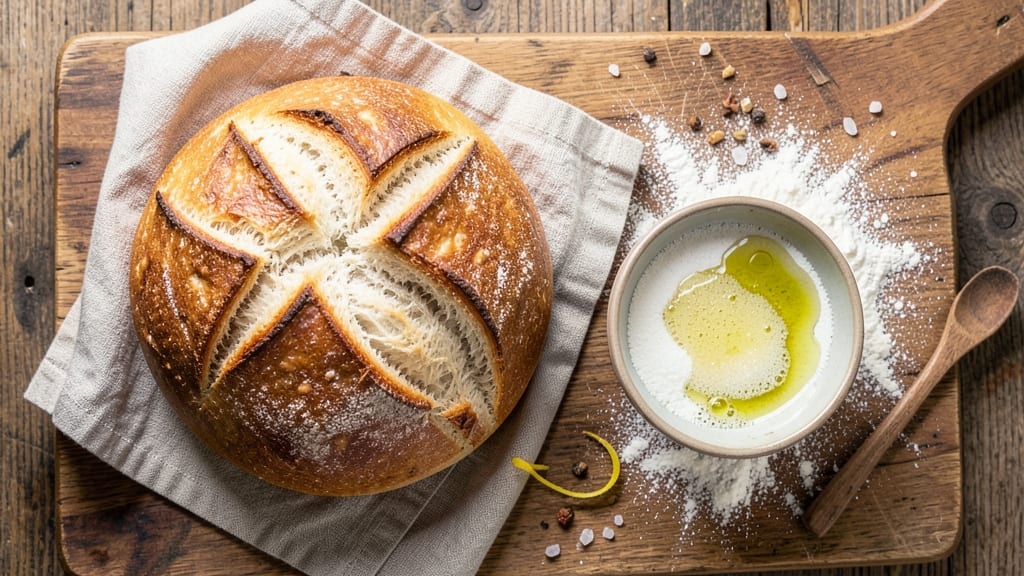
This antique white bread machine recipe transforms ordinary loaves into golden, crusty masterpieces with just five simple ingredients and 10 minutes of prep. The secret lies in a tangy olive oil crust that adds depth while keeping the interior tender and airy—perfect for sandwiches or toast.
I developed this after years of experimenting with bread machine settings to replicate the texture of artisanal bakery bread without the fuss.
The magic happens during the kneading cycle, where the dough develops elasticity for that signature antique white texture. No need for fancy techniques—just combine flour, yeast, water, salt, and sugar, then let your bread machine do the work.
The olive oil crust isn’t just for flavor; it creates a subtle crunch that pairs beautifully with butter or jam.
By the time your bread machine finishes, you’ll have a loaf with a crispy, golden crust and a soft, slightly chewy interior that’s impossible to resist.
The aroma alone will have your kitchen smelling like a Parisian boulangerie. This recipe works for any bread machine model, with adjustments for size and settings.
Whether you're a beginner or a seasoned baker, this method guarantees foolproof results every time. The best part? You’ll never buy store-bought bread again once you taste the difference. Let’s get started!
Ingredients for antique white bread recipe for bread machine
Five simple pantry staples create golden, artisanal bread with a crispy olive oil crust.
| Ingredient | Amount | Notes |
|---|---|---|
| All-Purpose Flour 🌾 | 3 ½ cups | Unbleached preferred for soft texture |
| Active Dry Yeast 🍞 | ¼ tsp | Ensure it's fresh (test in warm water) |
| Granulated Sugar 🍚 | ¼ cup | White or brown sugar works |
| Salt 🧂 | 1 tsp | Kosher or sea salt preferred |
| Warm Water 💧 | 1 ¼ cups | 110°F (43°C) for yeast activation |
| Extra-Virgin Olive Oil 🫒 | 2 tbsp | For crust and richness (light flavor) |
The flour is everything here—King Arthur or Gold Medal give the best texture. If you're using a different brand, check the protein content (10-11% is ideal). The yeast needs to be fresh, so grab a new package if yours is over 3 months old. Warm water is key—too hot kills the yeast, too cold won't activate it. Test it by dipping your pinky finger in—it should feel warm but not hot. The olive oil should be extra-virgin for that fruity depth, but any light olive oil works in a pinch. I always buy mine in small bottles so it stays fresh longer.
No yeast? Instant yeast works 1:1, but active dry is traditional. Short on sugar? Honey or maple syrup at half the amount adds moisture. Salt substitutes? Soy sauce or miso paste at 1/4 tsp for umami depth. The olive oil crust can be skipped if you prefer soft bread, but trust me—it's worth the extra minute. For a richer flavor, brush the crust with a mix of olive oil and garlic powder after baking. And if your bread machine has a 'crust setting', use it for that perfect golden finish.
Store leftovers in a paper bag at room temperature for up to 3 days—it keeps best this way. For freezing, slice first, then wrap tightly in plastic. Toast directly from frozen for crispy results. The crust hardens as it cools, so slice when still warm. This recipe makes two loaves—perfect for sharing (or sneaking extra slices). If your dough feels sticky, add 1 tbsp more flour during kneading.
Why You'll Love This Recipe
- No-Fuss Mix-In: The bread machine does all the heavy lifting—just toss in flour, yeast, a pinch of sugar, and warm water. Honestly, I’ve made this while scrolling through my phone; the dough hooks handle everything.
- Classic Crust Kiss: That perfect balance of a thin, crackly crust with a soft, pillowy center? It’s all in the sugar-to-yeast ratio. My kids still ask for this over store-bought—no joke.
- Weeknight Workhorse: Freeze half the loaf for toast or sandwiches later. I swear by this when I’m too tired to bake: pull it from the freezer, toast it, and boom—dinner’s sorted.
- Pocketbook Hero: Five ingredients, zero specialty items. This bread costs me pennies per slice but feels like a bakery loaf. Between us, it’s my go-to for feeding the family without breaking the bank.
Step-by-step instructions for antique white bread machine magic
Let's transform simple ingredients into that classic, tangy-crusted white bread your bread machine deserves.
Prepare the Yeast and Liquid Mixture
In a small bowl, combine the 1.25 cups warm water (about 110°F) with the 0.25 cup granulated sugar and stir until fully dissolved. The sugar helps activate the yeast faster, so you'll see tiny bubbles forming within 5 minutes—this is your signal the yeast is alive and ready to work.
Next, sprinkle the 0.25 tsp active dry yeast over the sugar water. Let it sit for another 3-5 minutes until it becomes frothy. If it doesn't bubble, your yeast might be dead—start fresh with a new packet. This step ensures your dough rises properly and develops that perfect texture.
Mix the Dough Ingredients
In your bread machine pan, combine the 3.5 cups all-purpose flour and 1 tsp salt. Give it a quick stir with a spoon to distribute the salt evenly through the flour. This prevents pockets of saltiness in your final loaf.
Add the yeast mixture and 2 tbsp extra-virgin olive oil to the dry ingredients. The olive oil gives that signature tangy flavor and helps create a crispy crust. Use the bread machine's paddle attachment to mix on low speed for 2 minutes until a shaggy dough forms.
Knead the Dough in the Machine
Select the "dough" setting on your bread machine and let it knead the mixture for the full cycle—usually about 5-8 minutes. You'll know it's ready when the dough pulls away from the sides of the pan and becomes smooth and elastic. If it's still sticky, let it knead a few more minutes.
This kneading step develops the gluten, which gives your bread that light, airy texture. Don't be tempted to skip it—under-kneaded dough leads to dense, heavy bread. Once the cycle completes, you'll have a perfectly formed dough ready for the next step.
Let the Dough Rise
Cover the bread machine pan with a clean kitchen towel and let the dough rise at room temperature for 1-2 hours or until it has nearly doubled in size. The dough should feel light and springy when you press it gently with a finger—it should leave a slight indent that slowly fills back in.
This rising time allows the yeast to ferment properly, creating those tiny air pockets that make bread light and fluffy. If your kitchen is cold, give it the extra time—yeast works slower in cooler temperatures. Patience here ensures a perfect rise and even baking.
Bake to Golden Perfection
After the dough has risen, select the "white bread" setting on your bread machine. The machine will automatically handle the baking process, which typically takes about 2-3 hours. You'll know it's done when the bread has a deep golden-brown crust and sounds hollow when tapped on the bottom.
The olive oil will give that beautiful, slightly crispy crust with a subtle tang. Let the bread cool in the pan for 10 minutes before removing it—this prevents it from falling apart. Once cooled, slice and enjoy that classic white bread texture with a hint of olive oil richness.
Pro Tips For Making Antique White Bread Recipe For Bread Machine
- WEIGH YOUR FLOUR: I learned this the hard way—measuring flour by scooping from the bag packs in too much air, which throws off the yeast’s rise. Use a kitchen scale for 3 ½ cups (about 420g) of all-purpose flour. The bread machine’s sensor won’t lie, and neither will your crust.
- DISOLVE THE SUGAR FIRST: Skip the clumpy yeast mess by mixing the granulated sugar and warm water before adding the yeast. Stir until fully dissolved—this gives the yeast a head start and prevents sluggish fermentation. (Yes, even if you’re impatient like me.)
- LET THE DOUGH RISE UNTIL PEAKY: The bread machine’s “knead” cycle isn’t enough—stop it early and let the dough rise in the pan until it’s just about to spill over the sides. This extra proofing (about 30–45 minutes) makes the crumb softer and the flavor richer. Trust me, your sandwiches will thank you.
- ADD A PINCH OF FAT: No butter? No problem. Toss in 1 teaspoon of vegetable oil or melted margarine with the water—this mimics the tenderizing effect of fat and keeps the bread from drying out. (I was skeptical until I tried it.)
Best sauces and condiments for this antique white bread recipe for bread machine
Classic Butter Spread
Nothing beats the simplicity of unsalted European-style butter (like Plugrá or Kerrygold) melted over warm slices. For extra richness, mix softened butter with a pinch of freshly cracked black pepper or a drizzle of honey.
I like to brush the crust with melted butter right after baking—it adds a golden sheen and enhances the olive oil flavor. 🌟
Olive Oil Drizzle
Use the same extra-virgin olive oil from your recipe to create a quick finishing touch. After slicing, lightly drizzle over the bread and sprinkle with flaky sea salt.
For a gourmet twist, add a few drops of garlic-infused olive oil (infuse 2 cloves minced garlic in ¼ cup olive oil for 1 hour before using). This highlights the bread’s natural tanginess.
Herb-Infused Compounds
Create a herb butter by mixing 4 tbsp softened butter with 1 tbsp chopped fresh rosemary or thyme and a pinch of salt. Spread on warm bread for an aromatic boost.
For a savory option, blend 2 tbsp olive oil, 1 tbsp Dijon mustard, and 1 tsp lemon zest—drizzle over slices before serving. These pair perfectly with the bread’s crisp crust.
Sweet Toppings
For breakfast or dessert, try a cinnamon-sugar mix (combine 2 tbsp sugar and 1 tsp cinnamon) or a thin layer of jam (I love strawberry or apricot).
Warm the bread slightly in the toaster or oven to melt any butter or jam into the crust. A sprinkle of crushed pistachios adds crunch and visual appeal.
Savory Jam Pairings
Swap sweet jams for savory spreads like fig jam or spicy chili jam (like Maille’s). These add depth and contrast the bread’s mild flavor. For a Mediterranean touch, pair with whipped feta cheese mixed with olive oil and oregano.
The tangy olive oil crust complements these flavors beautifully. 🍯
Nutrition facts
Frequently asked questions
Why does this recipe use olive oil instead of butter?
The olive oil creates a crispy, tangy crust that gives this bread its signature "antique" flavor. Unlike butter, it doesn't burn easily in the bread machine and adds a subtle fruity depth to every bite. Plus, it keeps the interior moist longer than traditional white bread recipes.
Can I make this in a smaller bread machine?
Yes, but you may need to reduce the recipe by 30% for machines under 1.5 quarts. Use 2.5 cups flour, 1 tsp yeast, 1 tbsp sugar, ½ tsp salt, 1 cup water, and 1 tbsp olive oil. The dough cycle should still be 5-8 minutes, but check your machine's manual for weight limits.
What if my bread comes out dense instead of light?
Dense bread usually means under-kneading or overproofing. First, ensure your machine's kneading cycle runs the full time. If the dough still feels sticky after kneading, add 1 tbsp extra flour during mixing. For proofing, keep the dough at 75°F (24°C)—cold kitchens slow yeast activity, while warmth speeds it up.
How do I store leftovers to keep them fresh?
Wrap cooled slices in parchment paper and store in an airtight container at room temperature for 3 days. For longer storage, freeze slices on a tray first, then transfer to a bag. Toast directly from frozen—the crust stays crispy! Avoid refrigerating unless you plan to eat it within 24 hours.
Can I add seeds or nuts to this recipe?
Try 1 tbsp poppy seeds or chopped walnuts for texture. Add them during the final 2 minutes of kneading so they distribute evenly. For a sweeter version, sprinkle 1 tsp cinnamon on top before baking. Just reduce flour by 1 tbsp to balance the extra moisture.