
Side Dishes
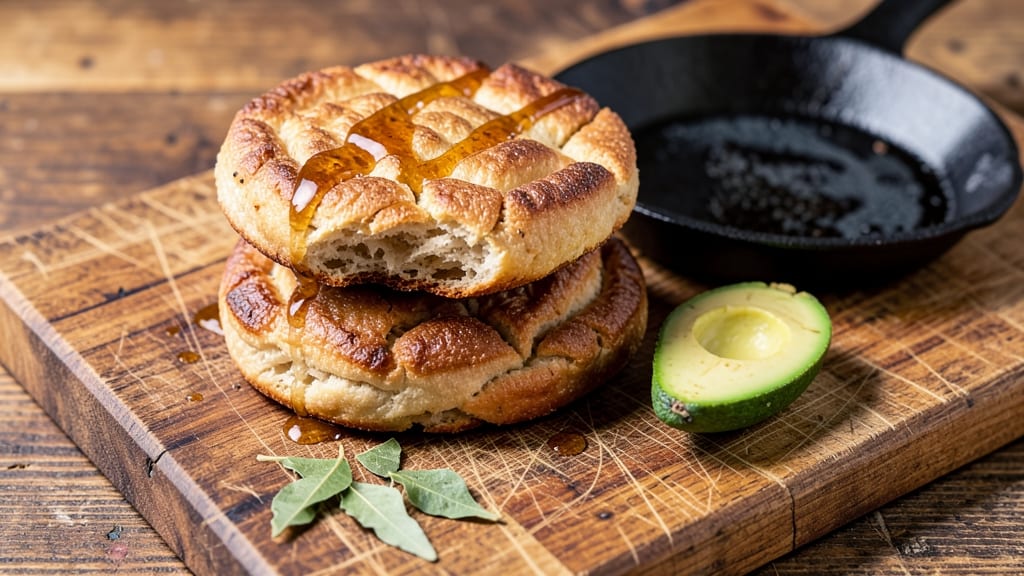
This Apache fry bread recipe delivers the crispy, puffed perfection that makes it a beloved staple of Navajo cuisine. 💛 Born from the resourcefulness of Native American communities, this dish transforms simple ingredients into something extraordinary—golden, airy, and irresistibly tender.
What sets it apart is the balance of flour, fat, and a touch of salt, creating a texture that's both satisfying and versatile.
The secret to achieving that signature crispy exterior and light interior lies in the frying technique. Using enough oil to coat the dough fully ensures even cooking, while the right temperature prevents sogginess.
This method respects tradition while making it accessible for home cooks. The result? A dish that's as much about history as it is about flavor.
Once golden and puffed, the possibilities are endless—dust with powdered sugar, drizzle with honey, or serve as a base for savory toppings like cinnamon or even savory spreads. Each bite carries the warmth of cultural heritage, proving that simple ingredients can create something truly special. Ready to make your own?
The best part? This recipe delivers restaurant-quality results with minimal effort, making it perfect for any occasion—whether you're honoring its roots or simply craving a crispy, comforting treat. Let's get started on creating your own Apache fry bread.
Ingredients for apache fry bread
Four simple ingredients transform into golden, crispy perfection with Native heritage.
| Ingredient | Amount | Notes |
|---|---|---|
| All-Purpose Flour 🌾 | 2 cups | Sifted for light texture |
| Baking Powder 🧂 | 1 tsp | Ensures proper rise |
| Salt 🧂 | ½ tsp | Kosher or fine sea salt |
| Vegetable Oil 🫒 | 1 cup | For frying, neutral flavor |
| Water 💧 | 1 cup | Room temperature preferred |
| Large Eggs 🥚 | 1 whole | Room temperature for best mix |
| Powdered Sugar 🍚 | ½ cup | For traditional dusting |
| Cinnamon 🌿 | 1 tsp | Optional savory or sweet topping |
| Honey 🍯 | ¼ cup | For drizzling, optional |
The flour is the foundation—King Arthur or Bob's Red Mill work best for that tender crumb. Bulk bins at Whole Foods or WinCo offer great prices if you're stocking up. The baking powder is non-negotiable; Diamond Crystal is my go-to for reliable rise. Salt matters too—Morton kosher is widely available, but Diamond Crystal dissolves better. For the oil, vegetable or canola keeps things neutral, but lard (if using) gives that authentic richness—just render it first for clarity.
No baking powder? Whisk 1 tsp cream of tartar + 2 tsp cornstarch as a substitute. Eggs too expensive? 1 tbsp ground flaxseed + 3 tbsp water replaces one egg (let it thicken 5 mins). Running low on oil? Melted butter works, but reduce by 1 tbsp. For toppings, powdered sugar is classic, but cinnamon-sugar mix or savory options like chili powder add depth. The honey? Maple syrup is a great vegan swap if needed—just warm it slightly for easier drizzling.
Keep flour in an airtight container to prevent absorption—glass jars with tight seals work best. Pre-mix dry ingredients ahead and store in the fridge for up to 1 week. For frying, maintain oil at 350°F—a deep-fat thermometer is worth the investment. Fry bread stays crispy for 2-3 days if stored in a paper bag (absorbs moisture). Freeze extras for up to 1 month—reheat in a 350°F oven for 5-10 mins to restore crispiness.
Why You'll Love This Recipe
- Here’s what sold me: that perfect contrast—the outside gets golden and shatteringly crisp, while the inside stays soft as a cloud. Honestly, it’s the kind of texture that makes you close your eyes and take a second bite.
- Five-Ingredient Miracle: I swear, you can’t mess this up—just mix flour, baking powder, salt, oil, and water. That’s it. No measuring cups to stress over, no fancy techniques. The dough comes together faster than I can say "fry pan."
- Crispy-Creamy Magic: Here’s what sold me: that perfect contrast—the outside gets golden and shatteringly crisp, while the inside stays soft as a cloud. Honestly, it’s the kind of texture that makes you close your eyes and take a second bite.
- Weeknight Crowd-Pleaser: Between us, this is my go-to when I’ve got friends over or the kids beg for "real food." Serve it warm with honey, jam, or even as a taco shell—no one judges, and no one leaves hungry.
Step-by-step instructions for Apache fry bread
Here's how to achieve that signature crispy exterior and airy interior every time.
👨🍳 Step 1: Mix the Dough to the Right Texture
In a large mixing bowl, combine the 2 cups all-purpose flour, 1 teaspoon baking powder, and ½ teaspoon salt. Whisk these dry ingredients together until evenly distributed—this ensures even rising later. Create a well in the center and add the 1 whole large egg and 1 cup room-temperature water. Mix with a wooden spoon or silicone spatula until just combined.
I like to use a fork to gently pull the dough together—this prevents overworking the gluten, which would make the bread dense instead of light. The dough should form a shaggy ball that's slightly sticky but holds together when pressed. If it feels too dry, add 1 teaspoon more water; if too wet, sprinkle in 1 tablespoon more flour. The key is a dough that's soft but not sticky to the touch.
🔥 Step 2: Heat the Oil to the Perfect Temperature
Fill a deep skillet or Dutch oven with 1 cup vegetable oil to a depth of about ½ inch—enough to submerge the dough balls halfway. Place over medium-high heat and let it heat for 3-4 minutes until it reaches 350°F. You'll know it's ready when a wooden chopstick inserted into the oil sizzles immediately and small bubbles form around it.
This temperature is crucial—too low and the bread will absorb oil and become greasy; too high and it'll burn before puffing. I test the oil by dropping in a small piece of dough. If it browns immediately, reduce the heat slightly. If it floats without browning, increase the heat. The oil should be hot enough to cook the bread quickly but not so hot it chars instantly.
🍳 Step 3: Fry Each Piece Until Golden and Puffed
Using a spoon or dough scraper, carefully drop 2-inch balls of dough into the hot oil. Work in batches to avoid crowding—the bread needs room to puff. Fry for 1-2 minutes per side until deep golden brown and puffed with crisp edges. Don't press down on the bread with your spatula—this prevents the air pockets from forming properly.
You'll see the bread rise dramatically in the oil as it cooks. This is the moment that matters: the bread should double in size and develop a crackly, golden crust. If any pieces aren't puffing, they might need more time in the oil. Remove them with a slotted spoon and drain on a wire rack or paper towels. The rack keeps them crispy instead of soggy.
🥘 Step 4: Dust and Serve Immediately
While still hot, transfer the fried bread to a clean work surface. In a small bowl, mix the ½ cup powdered sugar with 1 teaspoon cinnamon. Generously dust each piece of fry bread with this mixture, pressing gently to adhere. For extra flavor, drizzle with ¼ cup honey while warm—this creates a beautiful caramelized glaze that enhances the cinnamon-sugar crust.
Serve immediately for maximum crispiness. The contrast between the crispy exterior and soft interior is what makes this dish special. If you're making ahead, keep them warm in a 200°F oven on a wire rack for up to 30 minutes, but they're best enjoyed fresh from the fryer. For a savory version, skip the sugar and serve with honey or jam on the side.
Pro Tips For Making Apache Fry Bread
- Use Cold Water, Not Warm: I learned this the hard way—warm water makes the dough gummy and hard to handle. Stick to cold water (around 60°F or cooler) to keep the gluten tight and the dough easy to roll. It also prevents the baking powder from activating too soon, so your bread stays light.
- Heat Oil to 375°F—No Guessing: Too hot, and it burns before it puffs. Too cool, and it turns greasy. Use a thermometer or test with a breadstick: drop a small piece in—if it sizzles and floats in 30 seconds, you’re good. (Yes, even if you’re impatient like me.)
- Skip the Overmixing: This isn’t pie dough—you’re not trying to make it silky. Stir the flour, baking powder, and salt together just until combined, then cut in the cold water with a fork or your fingers. Overworking it makes the bread dense. Think "lumpy but cohesive," not "smooth."
- Rest the Dough 10 Minutes: Give it a breather. After mixing, let the dough sit covered for 10 minutes. This relaxes the gluten, so it doesn’t shrink or tear when you roll it out. (Your future self will thank you—trust me, I’ve fought with sticky, resistant dough.)
Make-ahead tips for this apache fry bread
Dough Prep Ahead
Mix the dough up to 24 hours in advance and store it in an airtight container in the fridge. The cold slows fermentation, keeping the texture light and preventing over-rising.
When ready to fry, let it sit at room temperature for 30 minutes before shaping—this ensures even cooking and better puffing. I like to portion the dough into 2-inch balls right after mixing and store them in a sealed container with a damp paper towel to prevent drying. 💛
Oil Prep Shortcut
Preheat your oil in a Dutch oven or deep skillet—these hold heat better than thin pans. For extra efficiency, use a deep-fat thermometer to maintain 350°F without constant temperature checks.
I keep a small pot of oil ready in the fridge for quick reheating—just pop it in the oven at 350°F for 5 minutes before frying. This saves time and ensures consistent results when making multiple batches.
Fry in Batches
Work in small batches of 2-3 pieces at a time to avoid overcrowding. Use a slotted spoon to transfer bread to a wire rack lined with paper towels—this keeps the exterior crispy while draining excess oil.
I set up a second rack nearby to hold freshly fried bread while I finish the batch. This prevents sogginess and makes assembly easier for toppings. 🔥
Freezer-Friendly
Uncooked dough balls freeze beautifully for up to 1 month. Store them in a single layer on a tray, then transfer to a freezer bag once frozen. When ready to fry, add 1 minute to the cooking time per side.
For already fried bread, freeze in a single layer on a tray before bagging—this prevents sticking. Reheat frozen bread in a 350°F oven for 5-7 minutes to restore crispiness.
Toppings Prep
Mix your toppings—like cinnamon-sugar or chili powder—in small bowls for quick dusting. Keep honey or syrup in a squeeze bottle for easy drizzling. I pre-measure everything before frying to streamline the process.
For a savory version, prep a bowl of refried beans or powdered sugar substitute (like confectioners' sugar) to serve alongside. This keeps toppings organized and ready to go.
Reheating Tricks
To revive stale fry bread, place it in a 350°F oven for 3-5 minutes on a wire rack. For a crispier texture, use the air fryer at 375°F for 2 minutes. Avoid microwaving—it makes the bread rubbery.
I like to reheat individual pieces just before serving to maintain that perfect crispy-soft contrast. Store reheated bread in a paper bag to keep it fresh for longer. ✨
Nutrition facts
Frequently asked questions
Why does my Apache fry bread turn out dense instead of puffy?
The most common reason is overworking the dough or using too much flour. Gently mix just until combined—overmixing develops gluten, which makes the bread tough. Also, ensure your oil is at 350°F and fry in small batches to prevent crowding. If the dough feels too sticky, add just 1 tablespoon flour at a time.
Can I make Apache fry bread without an egg?
Yes! Replace the egg with 1 tablespoon ground flaxseed + 3 tablespoons water—let it thicken for 5 minutes before using. For a vegan version, add 1 teaspoon apple cider vinegar to the water to help activate the baking powder. The texture may be slightly different but still delicious.
What's the best way to store leftover fry bread?
Keep it crispy by storing in a paper bag at room temperature for 2-3 days. For longer storage, freeze in a single layer on a tray before transferring to a bag—this prevents sticking. Reheat in a 350°F oven for 3-5 minutes or use an air fryer at 375°F for 2 minutes for best results.
Is Apache fry bread the same as Native American fry bread?
Yes! Apache fry bread is a variation of the traditional Navajo fry bread, which originated as a resourceful dish during the Long Walk of the Navajo people. While recipes vary by region, they all share the same core ingredients—flour, baking powder, and fat—and are typically served as a side or snack. The dish carries deep cultural significance.
Can I use lard instead of vegetable oil?
Lard adds a richer flavor and is often used in traditional recipes. Render it first to remove impurities, then heat to 350°F for frying. For a lighter option, mix ½ cup lard + ½ cup vegetable oil. Just be mindful that lard has a lower smoke point—monitor the temperature closely to avoid burning.