
Breakfast & Brunch
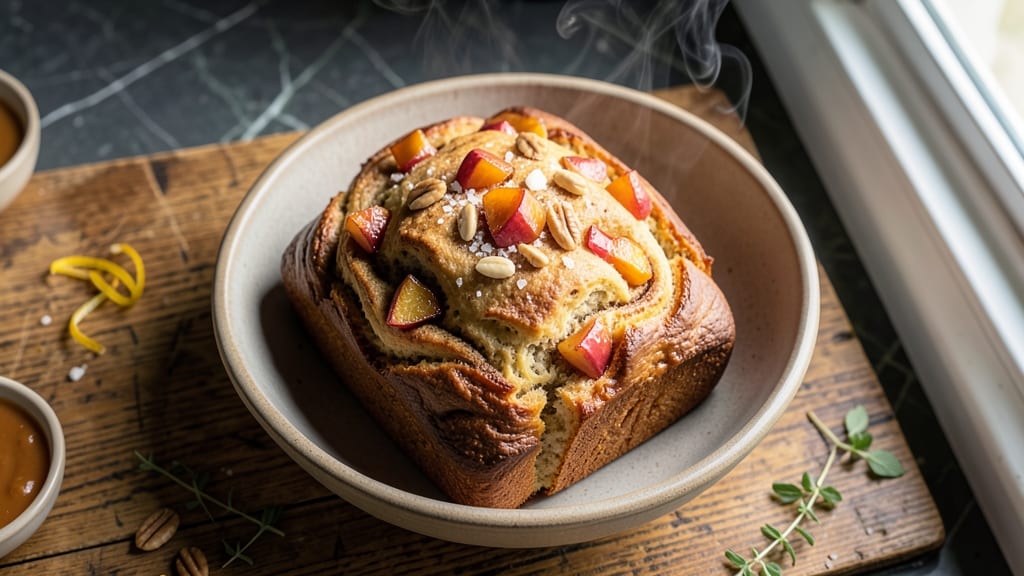
This apple cider cinnamon bread recipe transforms simple ingredients into a fragrant, spiced loaf that tastes like autumn in every bite. The secret lies in infusing the dough with warm apple cider and cinnamon, creating layers of flavor that make it impossible to resist.
I've perfected this recipe over years of baking, ensuring a tender crumb and just the right amount of cinnamon-sugar crunch on top.
The dough comes together with basic pantry staples—flour, sugar, butter, and eggs—but the apple cider elevates it to something extraordinary. It adds natural sweetness and depth, while the cinnamon creates that signature spiced aroma that fills your kitchen.
This recipe is designed to be foolproof, with clear instructions for shaping, proofing, and baking at 350°F for a golden, perfectly risen loaf.
What you'll end up with is a moist, tender bread with a subtle apple cider tang and warm cinnamon notes that pair beautifully with butter, jam, or even a cup of coffee. The streusel topping adds texture and extra flavor, making it perfect for breakfast or a cozy snack.
Whether you're baking for a crowd or treating yourself, this bread delivers restaurant-quality results at home.
Serve it fresh from the oven when it's still warm, or save slices for toast the next morning. The versatility of this recipe makes it ideal for breakfast tables, holiday gatherings, or as a thoughtful gift. Let's get baking!
Ingredients for apple cider cinnamon bread
Basic pantry staples meet autumn's finest—apple cider and cinnamon—creating a fragrant loaf with tender crumb and spiced crunch.
| Ingredient | Amount | Notes |
|---|---|---|
| All-Purpose Flour 🌾 | 4 cups | Sifted for even texture |
| Granulated Sugar 🍚 | ¾ cup | White or light brown |
| Unsalted Butter 🧈 | ½ cup | Cold, cubed for dough |
| Large Eggs 🥚 | 2 whole | Room temperature preferred |
| Apple Cider 🍎 | ½ cup | Unsweetened, warm |
| Ground Cinnamon 🍃 | 2 tbsp | Freshly ground preferred |
| Active Dry Yeast 🍞 | 2 ¼ tsp | Or 1 packet instant yeast |
| Salt 🧂 | ½ tsp | Diamond Crystal preferred |
| Brown Sugar 🍚 | ¼ cup | Packed, for streusel |
| Old-Fashioned Oats 🌾 | ¼ cup | Blended into flour |
| Chopped Walnuts 🥜 | ¼ cup | Toasted for extra flavor |
| Milk 🥛 | ¼ cup | Warm, for dough activation |
| Vanilla Extract 🌸 | 1 tsp | Pure vanilla preferred |
The apple cider is non-negotiable here—Mott's or Woodchuck brands work perfectly, but any unsweetened variety will do. Look for one with natural sweetness and minimal additives. The cinnamon should be freshly ground if possible, but store-bought works fine. For the yeast, Saf-Instant is my go-to since it doesn't require activation with warm water. The butter matters too—use Plugrá or Land O'Lakes for consistent baking performance. If you're in a rush, you can use melted butter instead of cold cubes, but the dough will be slightly softer.
No apple cider? Apple juice with 1 tsp apple cider vinegar mimics the tang, though it won't have the same depth. Swap the walnuts for pecans or hazelnuts if you prefer. The oats can be omitted if you're gluten-free, but the texture will change slightly. For a richer dough, replace half the all-purpose flour with bread flour. The vanilla extract is optional, but it adds a subtle complexity that complements the cinnamon beautifully. If you're out of vanilla, 1/2 tsp almond extract works in a pinch, though the flavor will be different.
This dough is best baked fresh, but you can prep it up to 12 hours ahead and let it rise overnight in the fridge. The streusel topping should be mixed just before baking to prevent moisture loss. Once baked, the bread keeps well at room temperature for 2 days, wrapped tightly in foil. For longer storage, slice and freeze individual portions—they toast up perfectly. The cinnamon-sugar crunch is best enjoyed within 3 days, but the bread itself stays moist for 5 days when properly stored.
Why You'll Love This Recipe
- No-Fuss Mix-In: I swear by this dough—just dump in the flour, sugar, and butter, then swirl in that warm apple cider. The cinnamon swirls melt into the bread like it’s been baking all day, even though I’m usually out the door in 45 minutes.
- Cider-Spiced Magic: That first bite? Pure autumn in your mouth. The apple cider’s tang cuts through the sweetness while the butter keeps it rich, and the cinnamon? It lingers like a hug from your favorite bakery—except you’re the one who made it.
- Breakfast or Snack Hero: I’ve eaten this cold for breakfast with peanut butter, toasted it with jam for a picnic, and even packed slices for my kid’s school lunch. It’s the one loaf that does it all without needing a sidekick.
- Leftovers That Last: This bread stays fresh for days—no sad, dry ends here. I’ll pull a slice from the fridge for toast in the morning, and the cider flavor only gets deeper. Plus, the ingredients cost less than takeout, so my wallet thanks me too.
Step-by-step instructions for apple cider cinnamon bread
This method delivers perfectly spiced, moist bread with a warm apple cider aroma throughout.
Activate the Yeast for Perfect Rise
In a small bowl, combine the 0.5 cup warm apple cider with the 2.25 tsp active dry yeast and 0.75 cup granulated sugar. Let it sit for 5-10 minutes until it becomes frothy and bubbly. This indicates the yeast is active and ready to work.
I always check for bubbles before proceeding—this ensures your bread will rise properly. If it doesn't bubble within 10 minutes, your yeast may be inactive, and you'll need to start over with fresh yeast. Warm the apple cider to about 105-110°F (it should feel warm to your wrist but not hot) to create the ideal environment for yeast activation.
Mix the Dough for Ideal Texture
In the bowl of a stand mixer fitted with the dough hook, combine the 4 cups all-purpose flour, 2 tbsp ground cinnamon, and 0.5 tsp salt. Mix on low speed for 30 seconds to blend these dry ingredients evenly.
Add the yeast mixture, 2 whole large eggs, 0.5 cup unsalted butter (cold and cubed), 1 tsp vanilla extract, and 0.25 cup warm milk to the dry ingredients. Mix on medium speed for 3-4 minutes until the dough comes together and pulls away from the sides of the bowl.
The dough should be slightly sticky but manageable. If it's too sticky, gradually add 1 tablespoon of flour at a time until it reaches the right consistency. Kneading develops gluten, which gives your bread structure and chewiness.
Knead and Shape for Optimal Crumb
Continue kneading the dough by hand or with the mixer for an additional 5-7 minutes until it becomes smooth and elastic. Test for readiness by doing the "windowpane test"—stretch a small piece of dough thin enough to see light through it without tearing.
Once properly kneaded, shape the dough into a rectangle about 10x8 inches. This shape allows for even baking and creates beautiful layers when sliced. Place the dough seam-side down in a lightly greased 9x5-inch loaf pan.
Prepare the Streusel Topping
In a small bowl, combine the 0.25 cup brown sugar, 0.25 cup old-fashioned oats, and 0.25 cup chopped walnuts. Sprinkle this mixture evenly over the shaped dough in the loaf pan. Press down gently to ensure good contact with the dough.
This streusel topping adds texture and flavor contrast to each slice. The walnuts provide a satisfying crunch, while the brown sugar and oats create a caramelized crust during baking. Don't skip this step—it's what makes this bread special.
Bake to Golden Perfection
Preheat your oven to 350°F and bake the bread for 50-55 minutes until the top is deep golden brown and a toothpick inserted in the center comes out clean. The bread should smell wonderfully spiced and slightly caramelized.
I like to tent the loaf pan with aluminum foil after 30 minutes of baking to prevent the top from browning too quickly. When done, remove the bread from the oven and let it cool in the pan for 10 minutes before transferring to a wire rack to cool completely.
Rest and Slice for Best Results
Allow the bread to cool completely before slicing—this ensures clean cuts and prevents crumbs. The bread will be warm and fragrant, with a moist interior and crisp streusel topping.
Slice the bread into ¼-inch thick pieces for serving. Each slice should have a perfect balance of tender crumb, warm cinnamon flavor, and crunchy walnut topping. This bread is best enjoyed fresh but can be stored in an airtight container for up to 3 days or frozen for longer storage.
Pro Tips For Making Apple Cider Cinnamon Bread
- MEASURE CIDER COOL: The apple cider should be cold—straight from the fridge—when you mix it into the dough. Warm cider makes the butter sweat and weakens the gluten structure, leading to a denser loaf. I learned this the hard way after a batch turned out like a brick.
- CREAM BUTTER SLOWLY: Beat the butter and sugar until light and fluffy—about 3-4 minutes with an electric mixer. Stop when the mixture looks like it could climb a wall. Rushed butter-sugar combos mean less air in the bread, so it rises less and tastes flatter.
- DON’T OVERMIX THE DOUGH: Once you fold in the flour, stop as soon as it comes together. Overmixing develops too much gluten, making the bread tough instead of tender. The dough should be shaggy but cohesive—like wet sand, not playdough.
- USE A THERMOMETER: Pull the bread out when the internal temperature hits 190°F (88°C), not when it looks done. Ovens run hot or cold, and pulling it too early means a gummy center. A thermometer takes the guesswork out—no more sad, underbaked slices.
Wine and beer pairings for this dish
Cider-Inspired Reds
Apple cider's bright acidity pairs beautifully with dry red wines that complement the bread's spiced warmth. A Pinot Noir from Oregon—like Domaine Serene—showcases earthy notes that mirror the cinnamon and walnuts while cutting through the richness.
For something bolder, try a Gewürztraminer from Alsace, which brings floral and lychee flavors that contrast the apple cider's tang. 🍷
Apple Cider's Natural Pair
Skip the wine and go straight for hard cider—it's the perfect match! A crisp, dry cider like Angry Orchard Dry or Woodchuck Hard Cider (the same brand used in the recipe!) enhances the apple notes without overpowering the cinnamon.
The effervescence cleanses your palate between bites, making every slice feel like a fresh start. 🍎
Spiced Coffee Harmony
For a non-alcoholic pairing, reach for dark roast coffee with notes of caramel and spice. A Sumatra Mandheling or Ethiopian Yirgacheffe adds earthy depth that complements the bread's cinnamon and walnut streusel. Serve with a splash of warm milk or cream to balance the spice. ☕
Seasonal Beer Options
Autumn calls for seasonal beers with caramel and spice profiles. A Belgian Dubbel like Westmalle Tripel brings malty sweetness and warm spices that echo the bread's cinnamon. For something lighter, try a honey brown ale—the subtle fruitiness pairs wonderfully with the apple cider's tang. 🍺
Sweet Contrast: Port Wine
If you love dessert-like flavors, a Ruby Port adds a luxurious touch. The sweetness of the port enhances the bread's caramelized streusel, while its bold fruitiness balances the cinnamon's warmth. Serve it slightly chilled for a sophisticated finish. 🍷
Unexpected Twist: Sparkling Wine
For a refreshing contrast, pair with a dry sparkling wine** like La Marca Prosecco. The bubbles and citrus notes cut through the bread's richness, creating a bright, refreshing balance. It's an unexpected but delightful match for this spiced loaf. ✨
Nutrition facts
Frequently asked questions
Can I substitute apple cider with apple juice?
You can use apple juice, but add 1 teaspoon of apple cider vinegar to mimic the tangy depth of real cider. The vinegar enhances the flavor profile and balances the sweetness. For best results, choose unsweetened apple juice to avoid over-sweetening the dough.
How do I know when the dough is ready for the second rise?
The dough is ready when it doubles in size and has a spongy texture with bubbles forming on the surface. Press two fingers gently into the dough—if it springs back slowly (not immediately), it's ready. For a rectangular loaf pan, this typically takes 1-1.5 hours at room temperature or 3-4 hours in the fridge.
Why did my bread turn out dense instead of light and fluffy?
Dense bread usually means the yeast didn't activate properly or the dough wasn't kneaded enough. Always check your yeast first—it should bubble within 5-10 minutes when mixed with warm cider. Also, ensure you kneaded for at least 5-7 minutes to develop proper gluten structure. Cold dough or overmixing can also cause density.
Can I make this bread without a stand mixer?
Mix the dough by hand in a large bowl, using a wooden spoon first, then your hands to knead. Work the dough on a lightly floured surface for 8-10 minutes until smooth and elastic. The manual effort will give you the same gluten development as a mixer—just requires a bit more elbow grease!
How should I store leftovers to keep them fresh?
Wrap the cooled loaf tightly in plastic wrap or place it in an airtight container. Store at room temperature for up to 2 days or freeze individual slices for longer storage. For extra freshness, place a slice of bread in the freezer for 10 minutes before slicing—it prevents crumbling when toasting.