
Breakfast & Brunch
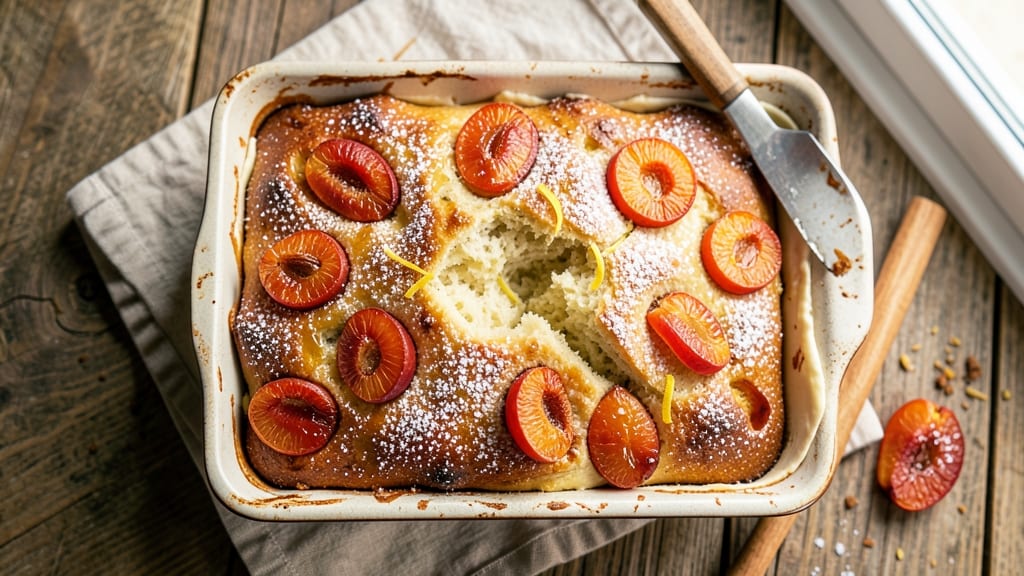
This apricot sweet bread recipe delivers golden, jam-stuffed rolls with a buttery crust that's perfect for weekend breakfasts or holiday gatherings. The secret lies in balancing a tender yeast dough with the perfect apricot filling—whether you use fresh fruit, dried apricots, or homemade jam.
Each bite combines flaky layers with bursts of sweet-tart apricot flavor, making it a showstopper for any table.
The dough comes together with simple ingredients: flour, yeast, sugar, and butter, all kneaded to just the right consistency for soft, pillowy rolls. The filling gets its signature sweetness from apricot jam or chopped dried apricots, which caramelize slightly during baking for that irresistible aroma.
A light egg wash ensures a golden, crackly crust that contrasts beautifully with the tender interior.
What makes this recipe truly special is how it transforms a basic sweet bread into something extraordinary—with just a few extra steps. The rolls bake up perfectly soft with a hint of crispness at the edges, while the apricot filling stays moist and flavorful.
Serve warm with a dusting of powdered sugar or a drizzle of honey for the ultimate indulgence.
This recipe scales beautifully for parties, making it ideal for brunch spreads or holiday desserts. The dough can be made ahead and chilled overnight for even better flavor development.
With a few simple techniques, you'll achieve restaurant-quality results that taste like they came from a bakery—but with the satisfaction of homemade.
Ingredients for apricot sweet bread
Twelve golden rolls with jam-stuffed centers—this recipe transforms simple pantry staples into bakery-worthy sweet bread.
| Ingredient | Amount | Notes |
|---|---|---|
| All-Purpose Flour 🌾 | 5 cups | Spooned and leveled, not packed |
| Granulated Sugar 🍚 | ½ cup | For dough sweetness |
| Active Dry Yeast 🍞 | 2 ¼ tsp | One packet, not instant |
| Unsalted Butter 🧈 | ½ cup | Cold, cubed for dough |
| Large Eggs 🥚 | 2 whole | Room temperature |
| Whole Milk 🥛 | ½ cup | Warmed slightly |
| Salt 🧂 | 1 tsp | Kosher or sea salt |
| Apricot Jam 🍑 | 1 ½ cups | Seeds removed, smooth texture |
| Dried Apricots 🍑 | 1 cup | Chopped fine, not pre-sliced |
| Lemon Zest 🍋 | 1 tbsp | From 1 organic lemon |
| Powdered Sugar 🍚 | ¼ cup | For dusting rolls |
| Vanilla Extract 🌸 | 1 tsp | Pure vanilla preferred |
| Ground Cinnamon 🌿 | ½ tsp | Optional for filling warmth |
The flour is non-negotiable here—King Arthur or Gold Medal yield the best texture for tender, pillowy rolls. I always grab the organic dried apricots from Trader Joe's because they're uniformly sweet and plump, but any good brand works. For the jam, Smucker's or Bonne Maman are reliable choices, but homemade jam takes this to the next level—just make sure it's seedless. The butter? Plugrá or Land O'Lakes unsalted melt beautifully into the dough without overpowering the apricot flavor. Keep everything chilled until ready to use—warm butter makes for a sticky mess.
No apricot jam? Chopped dried apricots plus 1 tbsp apricot nectar works in a pinch, though the texture will be slightly drier. Running short on vanilla? Almond extract at half the amount gives a similar depth, but vanilla's floral notes are ideal here. The dough can be made ahead—knead it, let it rise, then chill for up to 24 hours before shaping. For the filling, if you're using store-bought jam, heat it gently with the lemon zest to intensify the flavor before stuffing. And trust me on the cinnamon—it's subtle but makes the filling sing.
These rolls freeze beautifully—shape them, bake halfway, then cool completely before wrapping in plastic and freezing. Reheat at 350°F for 10-12 minutes until warmed through. For serving, dust with powdered sugar right after baking while the crust is still warm—it melts into the rolls for a magical finish. Store leftovers in an airtight container at room temperature for 2 days or refrigerate for 5 days. The filling stays moist, but the crust softens faster, so reheat briefly if serving cold rolls.
Why You'll Love This Recipe
- No-Knead Magic: I swear by this dough—just mix, let it rise, and forget it. The yeast does all the work while I sip coffee, and by the time I slice, that tender crumb is chef’s kiss. No stand mixer, no stress.
- Apricot Butter Bliss: That jam swirled into the dough? It’s not just sweet—it’s rich. The butter melts into the warm bread, and the apricot bursts through like a little fruit surprise. Honestly, I’ve tried fancy pastries, but this hits harder.
- Breakfast or Snack: Slice it toasted with butter for morning, pack it in lunchboxes for kids, or serve it warm with jam at brunch. The same dough works for all three—no extra effort, just different ways to enjoy it.
- Pantry Staple Power: Flour, sugar, yeast, butter, eggs—everything’s already in my cupboard. And the leftovers? They stay soft for days, perfect for quick toast or a midnight craving. Budget-friendly, foolproof, and always welcome.
Step-by-step instructions for apricot sweet bread rolls
Here's how to craft these golden, jam-stuffed rolls with a buttery crust that'll have everyone asking for seconds.
Activate the Yeast and Prepare the Dough Base
In a small bowl, combine the 0.5 cup warm whole milk (about 110°F) with the 0.5 cup granulated sugar and 2.25 tsp active dry yeast. Let it sit for 5-10 minutes until it becomes frothy—this confirms your yeast is alive and ready to work. If it doesn't bubble, your bread will be flat and dense.
In a stand mixer fitted with the dough hook, combine the 5 cups all-purpose flour and 1 tsp salt. Mix on low speed to distribute evenly. Add the 2 whole large eggs, 0.5 cup cold cubed unsalted butter, and the yeast mixture. Mix on medium speed for 3-4 minutes until the dough begins to pull away from the sides of the bowl and forms a shaggy mass. Here's the thing—you want to develop the gluten just enough for structure, but not so much that your rolls become tough.
Knead and Shape the Dough
Switch to medium-high speed and knead the dough for 5-7 minutes until it's smooth, elastic, and passes the windowpane test: stretch a small piece between your fingers—if it forms a thin, translucent membrane without tearing, you're golden. If it tears, knead another 1-2 minutes. The dough should be slightly tacky but not sticky.
Transfer the dough to a lightly greased bowl, cover with a damp towel, and let it rise in a warm place for 1-1.5 hours or until doubled in size. I like to place my bowl in a slightly warmed oven with a cup of boiling water underneath—this creates a perfect proofing environment. The dough should spring back slowly when poked with a finger, not collapse immediately.
Prepare the Apricot Filling
While the dough rises, make the filling by combining the 1.5 cups apricot jam, 1 cup finely chopped dried apricots, 1 tbsp lemon zest, 1 tsp vanilla extract, and 0.5 tsp ground cinnamon in a small saucepan. Warm over low heat for 3-4 minutes, stirring constantly, until everything is well incorporated and the mixture is smooth. Let it cool completely before using—this prevents the filling from melting through the dough during baking.
Here's a pro tip: If your jam is particularly runny, mix in 1 tsp cornstarch with a little water to thicken it slightly. You want a filling that's spreadable but not dripping. The lemon zest adds a bright, citrusy contrast that cuts through the sweetness beautifully.
Divide, Stuff, and Shape the Rolls
Once the dough has risen, punch it down to release air, then divide it into 12 equal pieces (about 2.5 ounces each). Roll each piece into a 12-inch rope, then coil it into a loose spiral shape. Place 1 tsp of the apricot filling in the center of each spiral, then gently fold the dough over the filling to encase it completely. Seal the edges by pinching them together firmly.
Shape each stuffed roll into a smooth, round ball, seam-side down. Place them on a parchment-lined baking sheet, leaving 1 inch between each roll—they'll expand as they rise. Cover loosely with a towel and let them rise for 30-45 minutes until they've puffed up noticeably. If you're in a hurry, you can speed this along by placing them in a warm oven for 15 minutes.
Bake to Golden Perfection
Preheat your oven to 375°F. Brush the tops of the rolls with melted unsalted butter (about 2 tbsp) for that classic buttery sheen. Bake for 15-18 minutes until the rolls are deep golden brown and sound hollow when tapped on the bottom. If they brown too quickly, tent them with foil to prevent over-browning while they finish baking inside.
While still warm, dust the baked rolls generously with 0.25 cup powdered sugar for that classic sweet bread finish. Serve warm with a cup of coffee or tea—each bite delivers a perfect balance of buttery crust, sweet apricot filling, and that irresistible pull-apart texture. These rolls keep well at room temperature for 2 days, but they won't last that long in your house!
Pro Tips For Making Apricot Sweet Bread
- SOAK THE APRICOTS FIRST: I learned this the hard way—dry apricots in sweet bread need moisture to soften and infuse flavor. Toss them in warm water for 10 minutes before folding into the dough, then drain well. This prevents them from turning to mush mid-bake and ensures they stay juicy.
- MEASURE YEAST BY WEIGHT: That little scoop from the yeast packet? Useless. Use a kitchen scale for 7 grams of active dry yeast—no guessing. Cold weather or old yeast can make your dough sluggish, and this recipe relies on a proper rise. If you’re in a pinch, proof the yeast in warm milk (not water) with a pinch of sugar first to check it’s alive.
- DON’T OVERMIX THE DOUGH: Once you add the eggs and butter, stop folding after 2–3 minutes. Overworking the dough develops gluten, which makes the bread dense instead of tender. The goal here is a soft, cake-like texture, not a chewy loaf. Use a spatula to gently fold—think "just combined," not "fully unified."
- CHILL THE SHAPED LOAF: Skipping this step is how you end up with a collapsed, sad-looking bread. After shaping, refrigerate the dough for at least 1 hour (up to 24 hours). This lets the gluten relax, prevents excessive spreading in the oven, and gives you that clean, sharp edge on the top crust. Pro move: Use a sharp knife to score the top before baking—it’ll rise straight and look intentional.
Best sauces and condiments for this dish
Apricot Glaze Drizzle
Elevate your rolls with a simple apricot glaze made by simmering ½ cup apricot jam with 1 tbsp warm water and ½ tsp vanilla extract for 3-4 minutes. Strain through a fine-mesh sieve to remove any lumps, then drizzle over freshly baked rolls while still warm.
This adds a glossy finish and intensifies the apricot flavor without overwhelming the buttery crust. 🍯
Honey-Lemon Butter
For a sophisticated twist, whip 4 tbsp softened unsalted butter with 2 tbsp honey and 1 tsp lemon juice until smooth. Spread a thin layer on warm rolls before dusting with powdered sugar.
The honey caramelizes slightly, creating a sticky, aromatic contrast that complements the jam filling beautifully. I love using local raw honey for extra depth of flavor.
Caramelized Apricot Compote
Take your filling to the next level by making a caramelized apricot compote. Cook 1 cup chopped dried apricots with 2 tbsp brown sugar and 1 tbsp water in a saucepan over medium heat for 8-10 minutes, stirring often, until syrupy.
Let cool, then use as a filling or drizzle over the top of baked rolls. The deep caramel notes add complexity that pairs perfectly with the yeasty dough. 🍑
Spiced Whipped Cream
Whip 1 cup heavy whipping cream with 1 tbsp powdered sugar and ½ tsp ground cinnamon until soft peaks form. Pipe or dollop onto rolls alongside the powdered sugar for a creamy contrast.
The cinnamon ties into the filling's spices, while the cream adds a luxurious texture that balances the bread's richness. This works especially well if you're serving these as a dessert with coffee.
Citrus Curd Swirl
For a tangy surprise, prepare a quick lemon curd by whisking 3 egg yolks, ¼ cup sugar, 2 tbsp lemon juice, and 2 tbsp butter over a double boiler until thickened.
Let cool, then pipe small swirls onto the tops of baked rolls before dusting with powdered sugar. The bright citrus cuts through the sweetness and adds a restaurant-quality touch. I use Bon Appétit's lemon curd recipe for perfect results.
Vanilla Bean Infusion
Add a touch of luxury by infusing your filling with 1 vanilla bean. Split the bean lengthwise, scrape out the seeds, and add both the seeds and pod to the apricot jam while warming. The natural oils from the pod deepen the vanilla flavor without needing extract.
This subtle upgrade makes the rolls feel like a special occasion treat. For an extra touch, dust with edible gold leaf after baking for a festive presentation. ✨
Nutrition facts
Frequently asked questions
Can I substitute dried apricots for fresh apricots in the filling?
Yes, but with adjustments! Fresh apricots work beautifully if you peel, pit, and finely chop 1.5 cups (about 4-5 medium apricots). For extra moisture, add 1 tbsp apricot nectar or orange juice to the filling mixture. Dried apricots are more concentrated, so they yield a thicker, more intense flavor—perfect for a jam-like texture.
Why did my rolls turn out dense instead of light and fluffy?
Dense rolls usually mean one of three things: underproofed dough, over-kneaded gluten, or too much filling. First, ensure your yeast is active (it should bubble within 5-10 minutes in warm milk). Second, knead just until smooth—overworking develops tough gluten. Finally, use 1 tsp filling per roll max; too much weighs down the dough. Let rolls rise until they've puffed 50-75% before baking.
How can I make these rolls ahead of time?
This recipe is perfect for meal prep! Shape the stuffed rolls, place them on a baking sheet, cover with plastic wrap, and refrigerate for up to 24 hours. When ready to bake, let them sit at room temperature for 1 hour to rise slightly, then bake as directed. For freezing, bake halfway (8-10 minutes at 375°F), cool completely, wrap tightly, and freeze. Reheat frozen rolls at 350°F for 12-15 minutes until warmed through.
What's the best way to store leftovers?
Store baked rolls in an airtight container at room temperature for 2 days—the crust stays crisp while the filling remains moist. For longer storage, refrigerate for up to 5 days, but reheat in a 350°F oven for 5-7 minutes to restore freshness. Avoid the microwave, as it makes the crust soggy. To revive stale rolls, brush with warm water and bake at 350°F for 5 minutes to crisp up the exterior.
Can I make this recipe without a stand mixer?
Mix the dough by hand in a large bowl, using a wooden spoon to combine ingredients, then turn it onto a floured surface to knead. Work the dough for 8-10 minutes until smooth and elastic. The key is consistent pressure—press, fold, and turn the dough while pulling it toward you. For extra strength, let it rest for 5 minutes between kneading sessions. Your arms will thank you!