
Desserts
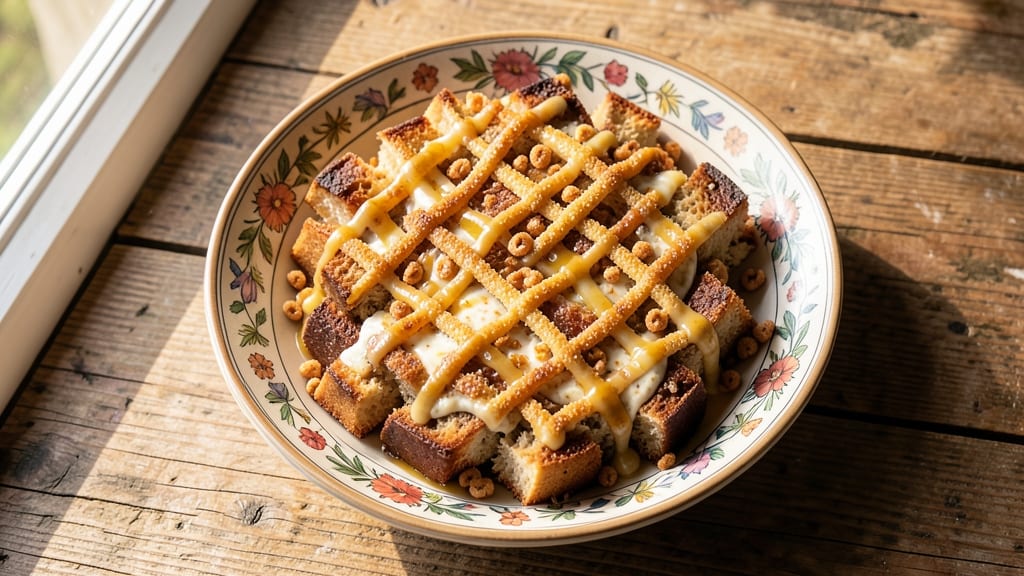
This Arabic bread pudding recipe transforms humble stale bread into a luxurious dessert—where warm cardamom spice meets the nutty crunch of toasted semolina. Inspired by Middle Eastern hospitality, it’s the perfect way to elevate a simple ingredient into something extraordinary, with layers of flavor that feel both nostalgic and fresh. The secret lies in soaking the bread just right, letting the spices infuse deeply, and finishing with a golden, crackly crust that’s impossible to resist.
What sets this apart is the balance of textures: tender bread soaked in saffron-scented milk, studded with toasted semolina for crunch, and finished with a whisper of orange blossom water for that signature Arabic touch.
It’s beginner-friendly but feels like a restaurant dessert—no fancy techniques, just layers of warmth and spice that come together effortlessly. The result? A pudding that’s rich, fragrant, and just sweet enough to satisfy any craving.
Imagine serving this at a gathering, where the aroma of cardamom and toasted semolina fills the air, drawing everyone to the table. It’s the kind of dessert that feels like a hug—comforting yet elegant, with just the right amount of complexity to impress.
Whether you’re hosting a dinner or craving a cozy treat, this recipe delivers on both flavor and tradition.
The best part? Leftovers reheat beautifully, making it ideal for meal prep or last-minute guests. Pair it with a dollop of whipped cream or a drizzle of honey for the full experience. Let’s bring a taste of the Middle East to your kitchen tonight.
Ingredients for arabic bread pudding
Six ingredients transform stale bread into a fragrant, spiced dessert with Middle Eastern flair.
| Ingredient | Amount | Notes |
|---|---|---|
| Stale Bread 🍞 | 8 cups | Crusts removed, cubed into 1-inch pieces |
| Whole Milk 🥛 | 3 cups | Full-fat recommended for richness |
| Large Eggs 🥚 | 6 whole | Room temperature for even baking |
| Granulated Sugar 🍚 | 1 ½ cups | Adjust to taste for sweetness |
| Semolina 🌾 | ½ cup | Toasted until golden for crunch |
| Ground Cardamom 🌿 | 1 ½ tsp | Freshly ground for maximum aroma |
| Orange Blossom Water 🍊 | 1 tbsp | Authentic Middle Eastern touch |
| Saffron Threads 🧡 | ¼ tsp | Soaked in 2 tbsp warm water first |
| Unsalted Butter 🧈 | ½ cup | Melted, for brushing crust |
| Vanilla Extract 🌸 | 1 tbsp | Pure extract for depth of flavor |
| Salt 🧂 | ½ tsp | Fine sea salt preferred |
| Cinnamon Sticks 🌿 | 2 whole | For garnish and subtle warmth |
| Toasted Almonds 🥜 | ¼ cup | Sliced, for topping |
The bread is the foundation—stale, crustless cubes soak up the spiced milk beautifully. Day-old baguettes or pita work best, but avoid anything too dense. For cardamom, Penzeys or Middle Eastern markets carry the freshest whole pods—grind them yourself for that signature warmth. Orange blossom water is the magic ingredient here; look for it in specialty stores or online, and if you can't find it, a splash of orange juice plus extra vanilla will bridge the gap. The semolina needs toasting—dry-toast in a pan over medium heat until golden and nutty, about 5 minutes, stirring constantly.
No saffron? Turmeric at half the amount mimics the color, though it lacks the floral notes. Short on orange blossom water? A teaspoon of orange zest plus a splash of orange juice works in a pinch. For a richer texture, add 2 tablespoons of cornstarch to the milk mixture. The eggs should be at room temperature—take them out 30 minutes before mixing for a smoother batter. If you're making this ahead, prepare the bread mixture up to 24 hours early; it actually tastes better after the flavors meld overnight.
This reheats like a dream—350°F for 15-20 minutes restores that golden crust. Store leftovers in an airtight container for up to 4 days; the flavors deepen over time. For a make-ahead dessert, bake it a day in advance and reheat before serving. The topping of toasted almonds and cinnamon sticks can be added fresh—toast them just before serving for maximum crunch. Freezes beautifully for up to 3 months; thaw overnight in the fridge before reheating.
Why You'll Love This Recipe
- No-Waste Magic: I swear by this recipe—it turns yesterday’s crusty bread into something golden and decadent. No food scraps here; just one more reason to keep a loaf on hand.
- Caramelized Crunch: That semolina dusting? Absolute game. It gives the edges this buttery, almost toasted crunch while the center stays soft—like a hug from the Middle East.
- Breakfast to Dessert: Serve it warm with honey and cardamom for breakfast, or drizzle it with rose syrup for a late-night treat. Honestly, the only limit is your imagination (and how much you can eat).
- Budget Breakthrough: Eggs, milk, sugar—basic pantry staples. Stale bread? Free. This dish costs pennies but tastes like you spent hours baking. My wallet and taste buds thank me every time.
Step-by-step instructions for cardamom-spiced bread pudding
Transform simple ingredients into a fragrant, golden dessert with this authentic method.
Prepare the Bread Base
In a large mixing bowl, combine the 8 cups stale bread (previously cubed and crusts removed) with the 3 cups whole milk. Let this mixture sit for 10 minutes while you prepare the remaining ingredients. The bread should absorb most of the milk but remain slightly moist—not soggy. If it feels too dry after 10 minutes, add 1-2 tablespoons more milk to ensure even baking.
This soaking step is crucial—it prevents dry pudding later. The bread should feel evenly moistened throughout, with no dry pockets remaining. Gently press the cubes together to distribute the milk evenly. The texture should be like damp sponge rather than wet dough.
Infuse the Spiced Custard Mixture
In a separate bowl, whisk together the 6 whole large eggs, 1.5 cups granulated sugar, 1 tbsp vanilla extract, 1.5 tsp ground cardamom, 0.5 tsp salt, and 1 tbsp orange blossom water. Whisk vigorously for 2 minutes until the mixture is completely smooth and pale yellow. The cardamom will add a warm, citrusy aroma that's essential to this dessert.
In a small saucepan, combine the 0.5 cup unsalted butter and 0.25 tsp saffron threads (previously soaked in 2 tbsp warm water for 10 minutes). Heat over low heat for 2 minutes until the butter melts completely and the saffron infuses the liquid. Let this cool slightly before adding to the egg mixture. The saffron should give the custard a delicate golden hue and subtle floral note.
Combine and Layer for Even Baking
Pour the spiced custard mixture over the bread cubes in the mixing bowl. Gently fold everything together using a large spoon or rubber spatula, being careful not to crush the bread. The mixture should coat each cube evenly. Transfer this to a 9x13-inch baking dish, spreading it out in an even layer. The top should be slightly uneven—this creates beautiful caramelization during baking.
Sprinkle the 0.5 cup toasted semolina evenly over the top, pressing it gently into the surface. This creates the signature crunchy crust that sets this pudding apart. Scatter the 0.25 cup toasted almonds and 2 whole cinnamon sticks over the semolina layer for added texture and aroma.
Bake to Golden Perfection
Preheat your oven to 350°F. Bake the bread pudding for 45-50 minutes until the top is deep golden brown and the edges are set. You'll know it's ready when a toothpick inserted in the center comes out clean with just a few moist crumbs clinging to it. The center should still feel slightly jiggly—this indicates perfect doneness.
During the last 10 minutes of baking, brush the top with any remaining melted butter from the saffron mixture. This adds extra richness and helps create a glossy finish. If the top browns too quickly, tent loosely with aluminum foil to prevent over-browning while still allowing it to set.
Rest and Serve Warm
Remove the pudding from the oven and let it rest for 15 minutes before serving. This resting period allows the custard to set slightly and the flavors to meld together. The pudding will be warm and custardy inside with a crispy semolina crust on top.
Serve immediately while warm, garnished with additional toasted almonds and a sprinkle of ground cardamom if desired. The contrast between the warm, spiced custard and the crunchy semolina topping makes each bite irresistible. For an extra touch, drizzle with a simple syrup made from equal parts sugar and water heated until dissolved.
Pro Tips For Making Arabic Bread Pudding
- SOAK BREAD IN COLD MILK: I learned this the hard way—warm milk makes the bread turn to mush before baking. Use ice-cold whole milk and let the bread absorb it for at least 30 minutes (or up to 2 hours if you’re prepping ahead). The longer it soaks, the richer the texture, but don’t skip the cold start.
- TOAST BREAD SLICES FIRST: Skip the soggy bottoms: lightly toast your bread slices in a dry pan for 10-15 seconds per side before soaking. It won’t overcook—just adds a subtle crunch and prevents the pudding from turning gummy. (Yes, even if you’re impatient like me.)
- WHISK EGGS UNTIL THICK: Don’t just beat the eggs—whisk them with the sugar until the mixture is thick, pale, and ribbony. This ensures a custardy center, not a runny one. I used to rush this, and the pudding always came out underdone. Two minutes of extra whisking makes a real difference.
- SEMOLINA ISN’T FILLER: Toss the semolina with the soaked bread, not just the custard. It needs to distribute evenly to create that signature grainy texture. If you skip this, you’ll end up with pockets of dry bread instead of a uniform bite. (Your future self will thank you.)
Pro cooking tips for great arabic bread pudding
Perfect Soak Time
The bread soaking step is where the magic happens—don’t rush it! Let the 8 cups stale bread cubes soak in 3 cups whole milk for exactly 10 minutes before mixing with the custard. This ensures even moisture distribution without turning the bread into mush.
If your bread soaks up the milk too quickly, add 1-2 tablespoons more milk to keep it tender but not soggy. I’ve learned the hard way that skipping this step leads to dry pudding—trust the process! 🥖
Cardamom Infusion
Freshly ground cardamom is non-negotiable for authentic flavor. Use 1.5 teaspoons of freshly ground pods (not pre-ground powder) for maximum aroma. If you’re short on time, lightly crush whole pods and steep them in the warm milk for 5 minutes before soaking the bread.
The cardamom’s warmth pairs beautifully with the orange blossom water—this combo is what makes this pudding taste distinctly Middle Eastern. 🌿
Semolina Crust Secret
Toast the semolina until it’s a rich golden color—this adds that signature crunch. Spread it evenly over the top before baking, and press it down gently so it forms a cohesive layer.
For extra crispiness, I like to toast an additional 1 tablespoon of semolina in the oven alongside the pudding for 5 minutes at the end, then sprinkle it on top right before serving. The contrast of warm custard and crunchy semolina is what makes this dessert unforgettable. 🌾
Saffron Handling
Soak the saffron threads in 2 tablespoons warm water for 10 minutes before adding to the butter—this extracts their vibrant color and floral notes. Strain the saffron water into the butter mixture, but don’t discard it!
Use the leftover water to brush the pudding’s surface during the last 10 minutes of baking for a glossy, golden finish. A little goes a long way—just 0.25 teaspoon of threads makes a big difference. 🧡
Oven Temperature
Bake at 350°F for 45-50 minutes, but keep an eye on it after 35 minutes—this is when the top starts to brown. If it’s browning too quickly, tent loosely with aluminum foil to prevent burning while still letting the edges set.
The pudding is done when a toothpick comes out clean with just a few moist crumbs. Overbaking dries it out, so pull it out when it’s just set—it’ll continue cooking slightly as it rests. ⏰
Resting Matters
Never skip the 15-minute rest after baking! This lets the custard set slightly and the flavors meld together. The pudding will look underdone if you serve it immediately, but after resting, it’ll have that perfect jiggly center with a firm crust.
Pro tip: Brush the top with a little extra melted butter while it rests for an extra-rich finish. Patience here makes all the difference—trust me, your taste buds will thank you! 💫
Nutrition facts
Frequently asked questions
Can I use fresh bread instead of stale bread for this recipe?
Fresh bread works, but stale bread is ideal because it absorbs the custard better without turning mushy. If using fresh bread, tear it into 1-inch pieces and let it sit uncovered for 30 minutes to dry out slightly first. This mimics the texture of stale bread and prevents a soggy pudding.
What can I substitute if I don’t have orange blossom water?
Orange blossom water is key for that authentic flavor, but you can use a mix of 1 teaspoon orange zest plus 1 teaspoon orange juice as a substitute. For a different twist, try 1 teaspoon rose water (common in Middle Eastern desserts) or even a pinch of vanilla bean paste for depth. Just reduce the vanilla extract by ½ teaspoon to balance the flavors.
How do I prevent the bread pudding from becoming too dry?
Over-soaking the bread is the biggest culprit! Stick to the 10-minute soak and adjust with 1-2 tablespoons extra milk only if needed. Also, avoid overbaking—remove the pudding when a toothpick comes out with just a few moist crumbs. For extra moisture, add 2 tablespoons cornstarch to the custard mixture before baking. The resting time (15 minutes) also helps redistribute moisture.
Can I make this ahead of time, and how should I store it?
This pudding actually tastes better the next day! Prepare it up to 24 hours ahead and store it in an airtight container at room temperature. To reheat, bake at 350°F for 15-20 minutes until warmed through and the top is golden. For longer storage (up to 4 days), refrigerate and reheat as above. Freeze for up to 3 months—thaw overnight in the fridge before reheating.
Why is my semolina crust not crispy?
Toast the semolina until it’s a deep golden color (about 5 minutes in a dry pan over medium heat) for maximum crunch. Press it firmly into the top before baking, and avoid overmixing the custard—this can make the crust soggy. For extra crispiness, toast an additional 1 tablespoon of semolina in the oven for the last 5 minutes** of baking, then sprinkle it on top right before serving.