
Side Dishes
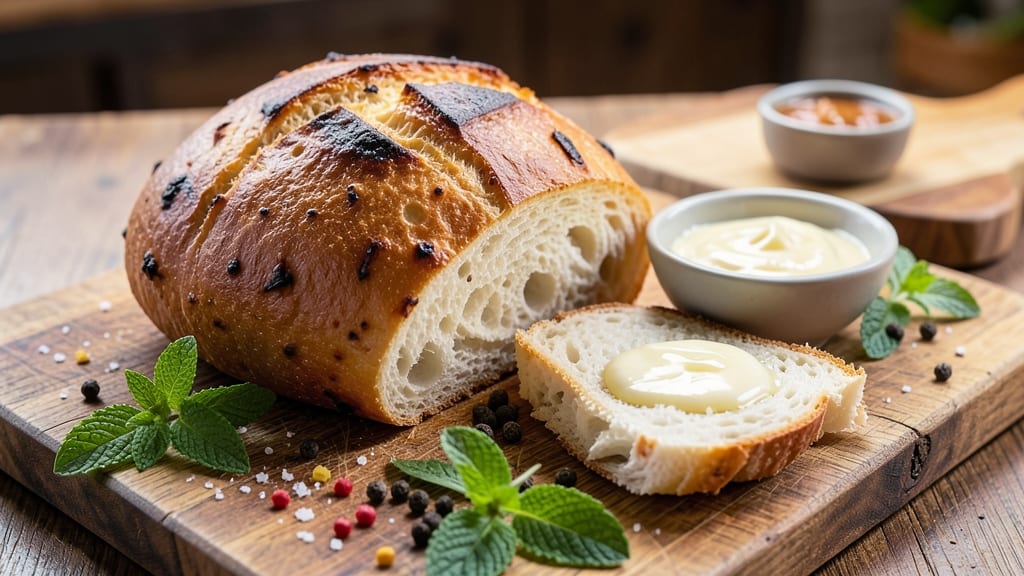
This Arabic shawarma bread recipe delivers the perfect balance of flaky layers and aromatic za'atar crust that transforms any meal into a Middle Eastern feast. 🌟 The secret lies in a slow fermentation process that develops deep flavor while creating those signature paper-thin, crispy sheets—just like the bread you'd find at a bustling shawarma stall in Beirut or Cairo.
What sets this recipe apart is the combination of traditional techniques with home kitchen adaptability. We'll use a simple dough that relies on natural yeast fermentation for maximum flavor development, then shape it into the classic spiral form.
The za'atar-spiced crust adds that distinctive Middle Eastern aroma, while the flaky layers ensure every bite is a revelation. Whether you're serving it with shawarma meat, hummus, or fresh vegetables, this bread becomes the star of your table.
The beauty of this recipe is its versatility—you can bake it in a conventional oven, air fryer, or even on a grill for that authentic wood-fired flavor. Each method produces slightly different textures, allowing you to adapt it to your kitchen setup while maintaining the authentic taste.
The key to achieving those perfect flaky layers lies in proper dough handling and baking techniques, which I'll walk you through step by step.
Once you've mastered this recipe, you'll never buy store-bought shawarma bread again. The aroma alone will fill your kitchen with warmth and nostalgia, while the texture provides that satisfying contrast between crispy crust and soft, pillowy interior.
This is the bread that brings the full experience of a Middle Eastern feast to your home—one delicious layer at a time.
Ingredients for arabic shawarma bread
Four cups flour plus a few key spices—this is all you need for authentic shawarma bread layers.
| Ingredient | Amount | Notes |
|---|---|---|
| All-Purpose Flour 🌾 | 4 cups | Unbleached, for best texture |
| Instant Yeast 🍞 | ½ tsp | Active dry works too |
| Granulated Sugar 🍚 | 1 tbsp | Helps yeast activation |
| Salt 🧂 | 1 tsp | Kosher or fine sea salt |
| Warm Water 💧 | 1 ¼ cups | 110°F for optimal yeast |
| Unsalted Butter 🧈 | ½ cup | Cold, cubed for layers |
| Za'atar Spice Blend 🌿 | 1 tbsp | Traditional Middle Eastern mix |
| Olive Oil 🫒 | 2 tbsp | Extra-virgin for richness |
| Sesame Seeds 🌰 | 1 tbsp | Toasted for extra crunch |
| Semolina Flour 🌾 | 2 tbsp | For dusting and rolling |
| Cornstarch 🌾 | 1 tbsp | Optional for extra crispness |
The flour is non-negotiable here. King Arthur or Bob's Red Mill work best for that perfect flaky texture—they've got the right protein content. Za'atar is the soul of this bread, so don't cut corners. Middle Eastern markets have the best blends, but Penzeys or even the spice aisle at Whole Foods will carry decent stuff. Look for za'atar with sesame seeds mixed in—those little crunchy bits make all the difference. And trust me on the butter—Plugrá or Land O'Lakes work, but nothing beats European-style unsalted butter for those melt-in-your-mouth layers.
No za'atar? Mix 1 tsp dried thyme, 1 tsp sesame seeds, 0.5 tsp sumac—it's not identical, but close. Running short on semolina? All-purpose flour works in a pinch, though it won't give that same golden crust. The butter needs to stay cold—if it gets too soft, your layers will steam instead of crisp. Pop it in the freezer 10 minutes before rolling. And if you're feeling fancy, add a pinch of cardamom to the dough—it pairs beautifully with the za'atar. The sesame seeds? Toast them first in a dry pan for 30 seconds—they'll be so much more flavorful.
This dough needs time—at least 2 hours at room temp, or overnight in the fridge. The longer it ferments, the more flavor develops. Wrap it tightly in plastic and it'll keep 3 days in the fridge, or 3 months frozen. The baked bread? Best eaten fresh, but reheats beautifully in a 200°F oven for 10 minutes. Store leftovers wrapped in a clean kitchen towel to keep them soft. And pro tip: brush the baked bread with melted butter right after baking—game-changer for that restaurant-quality finish.
Why You'll Love This Recipe
- Five-Ingredient Magic: I swear by this—just flour, yeast, sugar, salt, and water. No fancy pantry trips, no stressing over missing ingredients. The dough comes together faster than my coffee brews, and honestly? That’s all you need for bread this good.
- Crispy-Golden Promise: That first bite—chef’s kiss—crispy outside, soft inside, with just enough chew. The sugar in the dough caramelizes while baking, giving it that irresistible shawarma-worthy crunch. (Yes, even my picky husband asks for seconds.)
- Wrap Anything, Any Day: Breakfast? Stuff it with eggs and za’atar. Lunch? Pile on hummus and pickles. Dinner? Grilled chicken and garlic sauce. It’s my go-to for meal prep—freezes like a dream and reheats in seconds. (Pro tip: Toast it first.)
- Budget-Friendly Staple: A single batch costs less than takeout coffee, and one dough makes dozens of wraps. I’ve fed my whole family for days with leftovers—no waste, no guilt. Plus, the yeast and sugar are already in my pantry, so I’m always ready.
Step-by-step instructions for Arabic shawarma bread
Here's how to make the perfect za'atar-spiced bread with those irresistible flaky layers.
👨🍳 Step 1: Mix the Dough Base
In a large mixing bowl, combine the 4 cups all-purpose flour, 0.5 tsp instant yeast, 1 tbsp granulated sugar, and 1 tsp salt. Whisk everything together until the flour is evenly distributed and no dry spots remain. This creates a uniform base for your dough.
Next, add the 1.25 cups warm water (about 110°F) and 2 tbsp olive oil to the bowl. Using a wooden spoon or your hands, mix until a shaggy dough begins to form. The dough should be soft but not sticky at this stage. If it's too dry, add 1 teaspoon warm water at a time until it comes together.
🍳 Step 2: Knead and Incorporate Butter
Transfer the dough to a lightly floured surface and knead for 5-7 minutes until smooth and elastic. This step develops the gluten, which gives the bread its structure and flakiness. If the dough feels too sticky, add 1 tablespoon semolina flour at a time to help with handling.
Now comes the magic: cut the 0.5 cup unsalted butter into small cubes and gently work them into the dough one piece at a time. Press each cube into the dough and fold it over to encase the butter completely. This layering technique is what creates those beautiful flaky layers later. Once all the butter is incorporated, knead the dough for another 2 minutes to fully distribute it.
🥘 Step 3: First Rise and Prepare for Shaping
Lightly grease a large mixing bowl with olive oil, place the dough inside, and cover it with a clean kitchen towel. Let it rise in a warm place for 1 hour or until it has roughly doubled in size. The dough should feel light and airy when pressed gently with a finger.
While the dough rises, prepare your work surface by dusting it generously with 2 tbsp semolina flour. This prevents sticking and gives the bread a beautiful, rustic texture. Once the dough has risen, gently deflate it by pressing down with your fist, then divide it into 4 equal pieces (about 8 ounces each).
🔪 Step 4: Shape and Second Rise
Roll each dough piece into a long, thin rectangle about 12 inches long and 4 inches wide. Sprinkle the top evenly with 1 tbsp za'atar spice blend and 1 tbsp sesame seeds, pressing gently to make them adhere. Fold the dough into a tight log by rolling it up from the long side, then pinch the seam to seal.
Place the shaped logs seam-side down on a parchment-lined baking sheet, cover them with a towel, and let them rise for another 30-45 minutes until they've puffed up noticeably. The dough should feel light and springy to the touch. For extra crispness, lightly brush the tops with a mixture of 1 tbsp olive oil and 1 tbsp water (optional).
🔥 Step 5: Bake to Golden Perfection
Preheat your oven to 375°F. Bake the bread for 20-25 minutes until the tops are golden brown and the internal temperature reaches 190°F. For even browning, rotate the baking sheet halfway through the baking time.
If you added the optional cornstarch mixture, you'll notice an extra-crispy crust. Let the bread cool on a wire rack for 10 minutes before slicing. The aroma of za'atar and warm bread will fill your kitchen—trust me, it's worth the wait! Serve warm with your favorite shawarma fillings for the ultimate flavor experience.
Pro Tips For Making Arabic Shawarma Bread
- Measure Yeast Precisely: That little packet of instant yeast isn’t always exactly 2¼ teaspoons—weigh it (about 7 grams) or use a clean, dry measuring spoon. I learned this the hard way when my dough rose unevenly because of clumped yeast. No need for a scale? Spoon it into a bowl first to break up clumps before adding to flour.
- Use Lukewarm Water: Your "warm water" should feel like bathwater—not scalding, not tepid. Test it by dipping your finger in: if it’s too hot, the yeast dies; if too cold, it won’t activate. I used to eyeball it and end up with sluggish dough. A thermometer reads 105–110°F (40–43°C) if you’re obsessive like me.
- Knead Until Silky: Stop when the dough passes the "windowpane test"—stretch a small piece thin enough to see light through without tearing. Mine usually needs 8–10 minutes of vigorous kneading (by hand or mixer). Over-kneading? The gluten tightens, and your shawarma bread turns tough. Under-kneaded? It’ll collapse when shaping.
- Rest Dough Twice: First rise (1–1.5 hours) is for bulk fermentation—let it double in size. Then, after shaping, give it a 20-minute rest before cooking. This relaxes the gluten so your bread stays soft and doesn’t crack open weirdly. I skipped the second rest once and ended up with dense, sad-looking puffs. Not worth it.
Dietary considerations for this arabic shawarma bread
Gluten-Free Adaptation
For a gluten-free version, replace the 4 cups all-purpose flour with a 1:1 gluten-free flour blend like King Arthur Measure for Measure or Bob's Red Mill 1-to-1. Add 1 extra tbsp xanthan gum to improve elasticity, as gluten-free doughs lack natural structure.
The butter layering technique remains the same, but expect slightly denser texture—brush baked bread generously with melted butter to compensate. 🌾
Dairy-Free Option
Swap the ½ cup unsalted butter for ½ cup dairy-free margarine (like Earth Balance) or coconut oil, chilled until firm. For extra richness, use 2 tbsp olive oil instead of butter in the dough.
The za'atar crust will still shine, though the layers may be slightly less crisp. Test with a small batch first—some dairy-free fats behave differently when baked.
Vegan Version
Make this fully plant-based by using vegan instant yeast (like Bragg) and replacing butter with ½ cup vegan butter (such as Miyoko's) or coconut oil. For the dough, add 1 tbsp apple cider vinegar to help activate the yeast.
The flavor remains authentic, though the layers might be slightly less flaky—bake at 350°F instead of 375°F for 5 minutes longer to ensure even cooking.
Allergy-Friendly Swaps
If sesame allergies are a concern, omit the sesame seeds and replace them with poppy seeds or extra za'atar. For nut-free kitchens, ensure your za'atar blend is nut-free (some contain sesame or pine nuts).
Always check labels—Penzeys and Whole Foods carry certified allergy-friendly spice blends. The dough itself is naturally nut-free and safe for most common allergies.
Lower-Carb Adjustments
For a lower-carb option, reduce flour to 3 cups and add ½ cup almond flour (finely ground). This keeps the bread softer but adds a subtle nutty note. Skip the sugar entirely—yeast will still activate with warm water alone.
The layers will be slightly less pronounced, but the za'atar flavor remains the star. Brush baked bread with olive oil instead of butter to cut carbs further.
Nutrition facts
Frequently asked questions
Why does shawarma bread need to rise twice?
The first rise develops the yeast and gluten structure, while the second rise after shaping creates those signature air pockets that make the bread light and fluffy. Skipping the second rise will give you a denser bread—critical for the perfect texture when serving with shawarma meat!
Can I make this bread without semolina flour?
Yes! Use all-purpose flour instead, but you'll lose that beautiful golden crust. For extra crispiness, mix 1 tbsp cornstarch into your flour before dusting the work surface. The bread will still taste amazing—just slightly less rustic looking.
How do I get the layers to be extra flaky?
Keep your butter cold when incorporating it into the dough—this prevents melting and ensures clean layers. Also, don't overwork the dough after adding butter, and bake at 375°F for even heat distribution. For restaurant-quality flakes, try a 20-minute bake in a preheated oven.
What's the best way to reheat leftover shawarma bread?
Wrap the bread in a clean kitchen towel and reheat at 350°F for 5-7 minutes to restore crispiness. For a quick fix, place slices between parchment paper and warm in a 200°F oven for 3-4 minutes**. Never microwave—it turns the bread gummy!
Can I use this bread for other Middle Eastern dishes?
It works perfectly for falafel wraps, hummus sandwiches, or even as a side with grilled lamb kebabs. The za'atar flavor pairs beautifully with Mediterranean flavors, and the flaky texture makes it ideal for wrapping hearty fillings. Just serve it warm for best results!