
Side Dishes
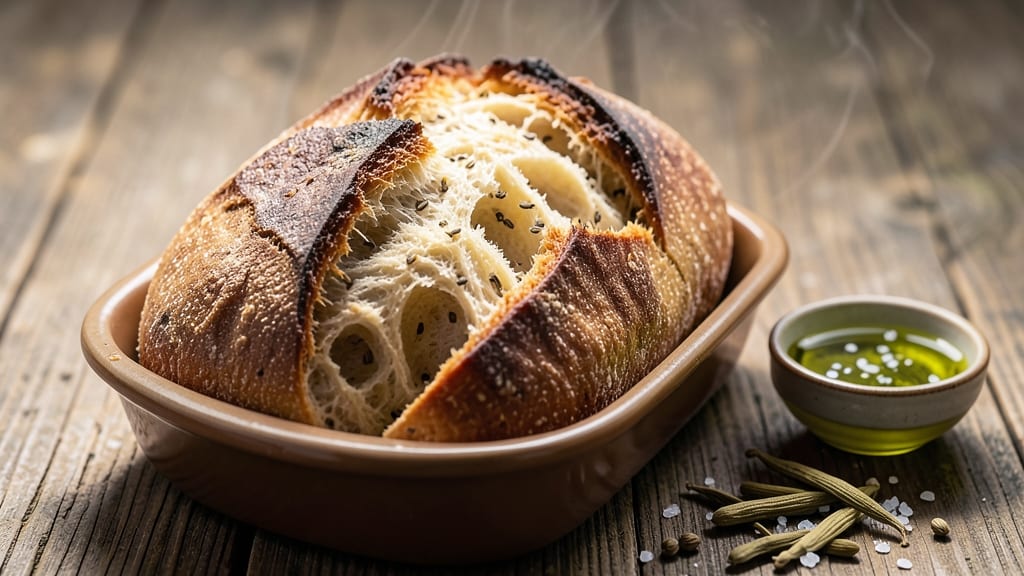
This Argentina bread recipe brings the soul of Buenos Aires to your kitchen with anise-infused focaccia that's crispy, fragrant, and impossible to resist. 🌟 The secret lies in the olive oil magic—generous pools of it baked right into the dough, creating that signature tender crust and airy interior. I've perfected this version after years of experimenting with traditional Argentine techniques, and it's become a staple in my home for its simplicity and bold flavor.
The dough comes together with just five ingredients—flour, yeast, water, salt, and olive oil—plus anise seeds for that distinctive aromatic touch. The kneading process is straightforward but essential for developing the gluten that gives this bread its satisfying chew.
Proofing for two hours allows the yeast to work its magic, creating those beautiful air pockets that make each bite so satisfying.
When it emerges from the oven, you'll have golden-brown focaccia with crisp edges and a soft, pillowy interior. The anise seeds add a subtle licorice note that pairs perfectly with the rich olive oil flavor.
This bread is versatile enough for breakfast toast, dinner sides, or even as a base for bruschetta—its sturdy structure holds up beautifully.
For an extra touch of authenticity, brush the baked bread with more olive oil while still warm and sprinkle with coarse sea salt. The result? A restaurant-quality loaf that tastes like you've traveled to Argentina without leaving your kitchen. Let's get started on this flavorful journey!
Ingredients for argentina bread
Five core ingredients plus two aromatic touches—this Argentine focaccia delivers restaurant-quality flavor with minimal effort.
| Ingredient | Amount | Notes |
|---|---|---|
| All-Purpose Flour 🌾 | 4 cups | Unbleached preferred for better texture |
| Active Dry Yeast 🍞 | ¼ tsp | Ensure yeast is fresh and active |
| Extra-Virgin Olive Oil 🫒 | ¾ cup | High-quality, fruity variety |
| Anise Seeds 🌿 | 1 tbsp | Whole seeds for authentic flavor |
| Diamond Crystal Kosher Salt 🧂 | 1 ½ tsp | Fine grain preferred |
| Warm Water 💧 | 1 ¼ cups | 110°F for optimal yeast activation |
| Coarse Sea Salt 🧂 | ½ tsp | For finishing after baking |
| Fresh Rosemary 🌿 | ¼ cup | Chopped, optional for extra aroma |
The flour is your foundation—King Arthur or Caputo Tipo 00 if you're feeling fancy, but all-purpose works perfectly fine. Yeast is non-negotiable here; Saf-Instant is my go-to because it's foolproof, but active dry works too (just proof it first). For the olive oil, California avocado or Italian brands like Bertolli have that rich, fruity flavor that shines through. Anise seeds are key for that signature Argentine taste—Whole Foods or Latin markets usually carry them in bulk. The rosemary, while optional, adds a lovely herbal note that pairs beautifully with the anise.
No anise seeds? Star anise powder at half the amount works in a pinch, though it's not quite the same. Running low on rosemary? Dried thyme or oregano can step in, but use a quarter of the amount since dried herbs are more concentrated. For the yeast, if your packet says it's not active, dissolve it in warm water with a pinch of sugar—if it bubbles within 5 minutes, it's good to go. The flour can be swapped for bread flour if you want extra chew, but all-purpose gives you that perfect balance of tenderness and structure. And if you're out of coarse sea salt, flaky Maldon is a worthy splurge for finishing.
This dough needs time to develop flavor, so don't rush the proofing—2 hours at room temperature is ideal. Store any unused flour in an airtight container for up to 6 months, and keep your anise seeds in a cool, dark place for up to a year. The baked focaccia stays fresh for 2-3 days at room temperature, wrapped in a clean kitchen towel. For longer storage, freeze slices wrapped in parchment for up to 3 months. Toast frozen slices straight from the freezer for a quick breakfast—absolute game-changer.
Why You'll Love This Recipe
- No-Knead Magic: I swear by this—just mix, wait, and bake. The yeast does all the work while I sip coffee, and the dough’s so forgiving even my first attempt turned out golden.
- Anise-Kissed Crunch: That toasted anise seed in the olive oil? It’s like a warm, licorice-y hug for your bread. The crust gets crackly, the crumb stays tender, and honestly, it’s the kind of flavor that makes you bake again.
- Weeknight Workhorse: Toss a loaf in the oven while you prep dinner—it’s ready by the time you’re plating. My kids grab it straight from the pan (still warm, still delicious), and I’ve even used slices to soak up pasta sauce.
- Pantry Staple Power: Flour, yeast, oil—you’re probably already stocked. The kosher salt and anise seeds cost pennies, and a single batch feeds my family for days. Freeze extras for lazy mornings or last-minute guests.
Step-by-step instructions for anise-infused focaccia
Here's how to craft this aromatic Argentinean bread with crispy edges and tender crumb.
👨🍳 Step 1: Activate the Yeast with Warm Water and Anise
In a large bowl, combine the 1.25 cups warm water (about 110°F) with the 0.25 tsp active dry yeast. Let it sit for 5-10 minutes until frothy—this confirms your yeast is alive and ready to work. Here's the thing: the anise seeds need to infuse the water first. Crush the 1 tbsp anise seeds lightly with a mortar and pestle (or roll them in a clean towel), then add them to the yeast mixture. Stir gently and let it sit another 5 minutes to develop that signature anise aroma.
You'll know it's ready when the mixture smells distinctly sweet and herbal, with tiny bubbles forming along the edges. If it doesn't bubble after 10 minutes, your yeast might be inactive—start fresh with new yeast. This anise infusion is what gives Argentine focaccia its distinctive flavor profile, so don't skip this step.
👨🍳 Step 2: Mix the Dough with Olive Oil and Flour
In the same bowl, add the 4 cups all-purpose flour and 1.5 tsp diamond crystal kosher salt. Pour in the 0.75 cup extra-virgin olive oil and mix vigorously with a wooden spoon until a shaggy dough forms. The olive oil is crucial here—it creates that signature tender crumb and golden crust. Wet your hands slightly and knead the dough on a lightly floured surface for 5-7 minutes until smooth and elastic.
I know it seems like too much oil, but trust me—the dough should be soft and slightly sticky. If it feels too dry, add 1 tablespoon water at a time until it reaches the right consistency. The dough should spring back slowly when poked. Fold in the 0.25 cup chopped fresh rosemary at the end and knead just until combined—this preserves its fresh aroma.
🥘 Step 3: First Rise and Shape the Dough
Lightly oil a large bowl, place the dough inside, and cover with a damp towel. Let it rise in a warm place for 1-2 hours until doubled in size. I like to use my oven with the light on for consistent warmth. Here's where the magic happens: the dough should feel airy and bouncy, with just a few small bubbles visible on the surface.
Once risen, transfer the dough to a lightly oiled 9x13-inch baking pan (don't use the same pan from your ingredients list—this is a new tool). Gently stretch the dough to fit the pan, pressing lightly with your fingers to create dimples. This helps create those signature focaccia pockets. Cover again and let it rise for another 30-45 minutes until puffy and nearly doubled.
🔥 Step 4: Bake to Golden Perfection
Preheat your oven to 425°F with a baking sheet on the lower rack to create steam. This is critical for that beautiful crust. When the oven is ready, drizzle the dough with any remaining olive oil (about 2 tablespoons) and sprinkle evenly with the 0.5 tsp coarse sea salt. Bake for 20-25 minutes until the edges are deep golden brown and the top has crispy pockets.
Here's the moment that matters: the bread should sound hollow when tapped on the bottom. If it's browning too quickly, tent with foil to prevent burning. The interior should be soft and airy, with just a hint of chew. Remove from the oven and let it cool for 10 minutes before slicing—this prevents the crumb from falling apart.
⏰ Step 5: Rest and Serve at Peak Freshness
While the focaccia cools, use a sharp serrated knife to cut it into squares or rectangles. For the best texture, serve within 2 hours of baking. The bread will continue to crisp up as it cools, developing that perfect contrast between soft interior and crispy exterior.
This focaccia pairs beautifully with olive oil for dipping or as a base for bruschetta. The anise seeds add a subtle licorice note that complements the rosemary perfectly. Store any leftovers wrapped in a cloth-lined bag at room temperature for up to 2 days, or freeze for up to 3 months—just thaw at room temperature before serving.
Pro Tips For Making Argentina Bread
- Bloom the Yeast First: Skip mixing yeast straight into flour—it’s a rookie move. Instead, dissolve it in warm water (about 110°F) with a pinch of sugar for 5-10 minutes until frothy. This guarantees active yeast before it hits the dough, so your bread doesn’t turn out dense or flat. (Yes, even if you’re impatient like me.)
- Toast the Anise Seeds: Crush the anise seeds lightly in a dry pan for 30 seconds before adding them to the dough. This intensifies their flavor and prevents them from floating to the top like tiny, bitter specks. My grandmother swore by this, and she was right: the aroma is richer, not just stronger.
- Knead Until Windowpane: Test your dough’s readiness by stretching a small piece—if it’s thin enough to see light through (like a windowpane), you’re golden. Over-kneading makes the bread tough, but under-kneading leaves it gummy. Aim for 8-10 minutes by hand or 5-6 on low speed in a mixer. (Your future self will thank you.)
- Oil the Bowl Properly: Don’t just drizzle olive oil in the bowl—coat the entire surface with your fingers. The dough needs to slide, not stick, during the first rise. Use about 2 tablespoons—enough to make it slick but not so much it turns into a greasy mess. (I learned this the hard way after wrestling with dough that refused to rise.)
Best sauces and condiments for this dish
Olive Oil Magic
This bread thrives on the richness of extra-virgin olive oil—the star ingredient that creates that signature tender crumb and golden crust. I recommend using California avocado or Italian brands like Bertolli for their fruity, robust flavor.
Drizzle 2 tablespoons over the risen dough before baking, then finish with a sprinkle of flaky Maldon salt. The oil should pool in the dimples, creating crispy pockets that soak up any dipping sauce you choose. 🫒
Herb-Infused Drizzles
After baking, elevate your focaccia with aromatic herb-infused oils. Mix 2 tablespoons olive oil with 1 tablespoon chopped fresh rosemary and let it steep for 10 minutes, then drizzle over the warm bread.
For a smoky twist, swap rosemary for 1 teaspoon smoked paprika and 1 minced garlic clove. These infused oils add depth that pairs perfectly with the anise seeds' licorice notes.
Argentine Chimichurri
No Argentine bread is complete without chimichurri, the vibrant green sauce that cuts through the richness.
Blend ½ cup parsley, ¼ cup cilantro, 3 garlic cloves, 2 tablespoons red wine vinegar, ½ cup olive oil, ½ teaspoon red pepper flakes, and 1 teaspoon kosher salt.
Let it marinate for 30 minutes before serving—it brightens every bite with its zesty, herby punch. 🌿
Sweet Twists
For a dessert-friendly version, brush the warm focaccia with 1 tablespoon honey mixed with ½ teaspoon lemon zest, then sprinkle with crushed pistachios. The sweetness balances the anise's licorice flavor beautifully. Alternatively, drizzle with orange blossom syrup for a Middle Eastern-inspired touch that complements the Argentine roots.
Spicy Olive Oil
Add heat with spicy olive oil by infusing ½ cup olive oil with 1 tablespoon crushed red pepper flakes and 1 minced garlic clove for 15 minutes. Drizzle over slices before serving—it adds a fiery kick that contrasts perfectly with the bread's soft texture.
Store any leftover infused oil in a dark glass bottle in the fridge for up to 2 weeks.
Nutrition facts
Frequently asked questions
Why does Argentine focaccia need anise seeds?
The anise seeds give this bread its signature flavor profile—subtle licorice notes that pair perfectly with the olive oil and rosemary. Traditional Argentine bakeries often use them in pan de campo and other regional breads. If you're sensitive to licorice flavors, you can reduce the amount to ½ teaspoon or use star anise powder at half the quantity.
Can I make this bread without a stand mixer?
This dough is designed for hand-kneading—just wet your hands slightly to prevent sticking. Knead for 5-7 minutes on a lightly floured surface until smooth and elastic. The olive oil makes it soft and slightly sticky, which is normal. If it feels too dry, add 1 tablespoon water at a time until it reaches the right consistency.
What's the best way to store leftover focaccia?
Wrap cooled slices in a clean kitchen towel and store at room temperature for 2-3 days—the towel helps maintain freshness. For longer storage, freeze slices wrapped in parchment for up to 3 months. Toast frozen slices straight from the freezer for a quick breakfast. Never store it in plastic bags, as this traps moisture and makes the bread soggy.
Why did my focaccia turn out dense instead of airy?
Dense focaccia usually means the yeast didn't activate properly or the dough didn't rise enough. Make sure your water is 110°F (not hot) and your yeast is fresh. Also, check proofing times—the dough should double in size during the first rise (1-2 hours) and puff slightly during the second rise (30-45 minutes). If your kitchen is cold, place the bowl near a warm oven with the light on.
Can I substitute the rosemary with another herb?
Yes! Swap rosemary for thyme, oregano, or basil—each brings a different aromatic profile. Use the same quantity (¼ cup chopped) and fold it in at the end of kneading. For a Mediterranean twist, try 1 tablespoon dried oregano plus 1 teaspoon dried thyme. Just avoid mint or cilantro, as their flavors can clash with the anise.