
Side Dishes
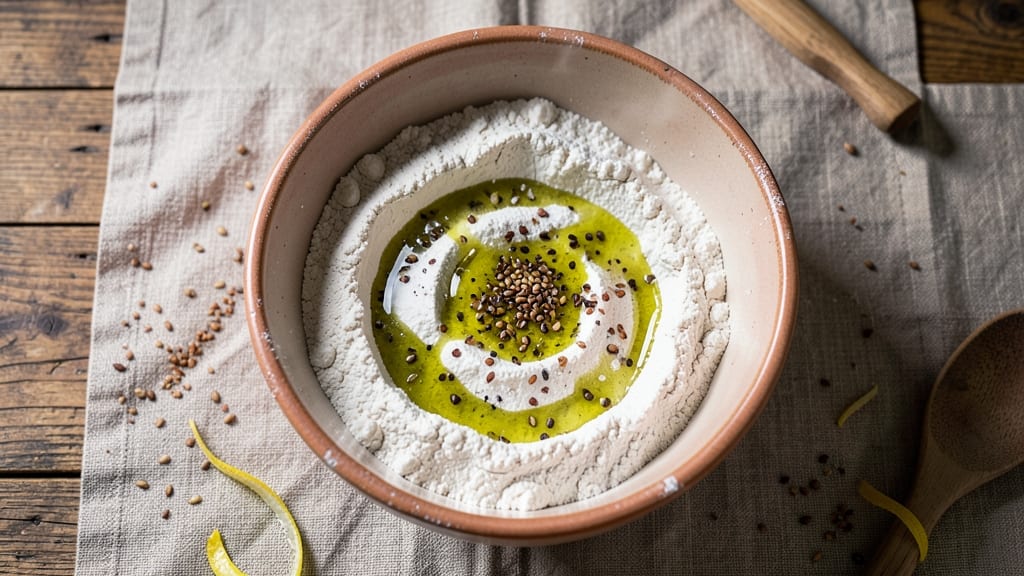
This asphodel bread recipe connects you to ancient Greece through its simple yet sacred preparation. Traditionally made for memorial services, this vegan bread relies on just four ingredients—flour, water, olive oil, and salt—to create a crust so tender it dissolves in your mouth.
The magic lies in its foil-sealed baking method, which traps steam for an airy, melt-in-your-mouth texture without needing yeast.
What sets this bread apart is its cultural significance and minimalist approach. Unlike modern breads, asphodel bread (or koliva) carries deep meaning in Greek Orthodox traditions, often sprinkled with sesame seeds or herbs for added depth.
The dough is kneaded by hand, then baked in foil to mimic the clay ovens of antiquity—no fancy equipment required. This method preserves the bread’s historical authenticity while keeping it accessible for home cooks.
The result is a bread that’s both humble and extraordinary—light enough to crumble between fingers yet sturdy enough to hold toppings like olive oil drizzles or fresh herbs. Its versatility makes it perfect for fasting meals, side dishes, or even as a base for savory toppings.
The olive oil infuses every bite with Mediterranean richness, while the foil-sealing technique ensures a crust that’s crisp yet tender.
Once you try this recipe, you’ll understand why it’s been a staple for centuries. The simplicity of the ingredients belies the complexity of its cultural roots, making it a dish that’s as rewarding to make as it is to eat. Let’s bring this ancient tradition to your kitchen.
Ingredients for asphodel bread
Four sacred ingredients transform into ancient Greek bread with modern simplicity and vegan purity.
| Ingredient | Amount | Notes |
|---|---|---|
| All-Purpose Flour 🌾 | 3 cups | Unbleached, high-protein preferred |
| Extra-Virgin Olive Oil 🫒 | ½ cup | Cold-pressed, fruity variety |
| Warm Water 💧 | 1 ¼ cups | 110°F for optimal hydration |
| Fine Sea Salt 🧂 | 1 ½ tsp | Diamond Crystal preferred |
| Aluminum Foil 📄 | 1 sheet | Heavy-duty, 12x12 inches |
| Sesame Seeds 🌰 | 1 tbsp | Toasted for garnish (optional) |
| Fresh Dill 🌿 | ¼ cup | Chopped, for topping (optional) |
The flour is non-negotiable here—King Arthur or Caputo Tipo 00 yield the best texture, but any high-protein all-purpose will work. Olive oil quality matters: avoid 'light' or refined oils, which lack the Mediterranean richness. For the water, warm it to 110°F—lukewarm is ideal, but not hot. Diamond Crystal sea saltaluminum foil to mimic clay ovens, creating that signature tender crust without yeast.
No extra-virgin olive oil? Avocado oil or refined olive oil work in a pinch, though flavor will differ. Substitute sesame seeds with poppy seeds or crushed pistachios for garnish. For dill, fresh parsley or oregano add Mediterranean flair. The foil-sealing method is critical—do not skip this step for authentic texture. If your dough feels too dry, add 1 tsp more water; if sticky, add 1 tbsp more flour. Traditional koliva recipes sometimes include orange zest for brightness, but it's optional here.
Store any leftovers in an airtight container for 3 days, though this bread is best enjoyed fresh. The foil-sealed method preserves moisture perfectly, but the crust hardens slightly after cooling. Reheat slices in a 350°F oven for 5 minutes to restore tenderness. For long-term storage, freeze dough balls wrapped in foil for up to 3 months—bake directly from frozen, adding 2 extra minutes to the cooking time. This bread's simplicity makes it ideal for meal prep: bake a double batch and freeze half for future fasting meals or sacred gatherings.
Why You'll Love This Recipe
- No-Knead Magic: I swear by this—just mix flour, olive oil, and warm water, let it rest, then bake wrapped in foil. No standing at the counter, no flour everywhere.
- Olive Oil Luxury: That rich, fruity olive oil gives it a buttery, almost cake-like crumb without a drop of butter. Honestly, the first slice makes me pause and think, "Wait, this is just bread?"
- Weeknight Workhorse: Toss a loaf in the oven while dinner simmers—it’s warm, hearty, and ready when you are. (Yes, even on a Tuesday night when you’re running late.)
- Budget-Friendly Staple: Three ingredients, zero waste. That foil-wrapped bake? Means no crust gets hard, so leftovers stay fresh for days. My wallet and my lunchbox thank me.
Step-by-step instructions for ancient Greek foil-sealed asphodel bread
A traditional method that delivers crispy crusts and tender interiors through simple technique.
Combine Dry Ingredients with Olive Oil
In a large bowl, whisk together the 3 cups all-purpose flour and 1.5 teaspoons fine sea salt until evenly distributed. This creates a uniform base for the dough. The high-protein flour ensures better structure and a satisfying chew.
Add the 0.5 cup extra-virgin olive oil to the flour mixture and rub it between your fingers until the oil is fully incorporated and the mixture resembles coarse crumbs. The olive oil will develop that signature Mediterranean flavor while keeping the bread moist. This step is crucial for achieving the bread's characteristic texture and aroma.
Gradually Add Warm Water
Slowly pour in the 1.25 cups warm water (around 110°F) while stirring with a wooden spoon or your hands. The warm water helps activate the gluten more gently than cold water, creating a smoother dough. Mix until a shaggy dough forms that pulls away from the sides of the bowl.
If the dough feels too dry, add 1 tablespoon more warm water; if too sticky, sprinkle in 1 tablespoon more flour. The ideal consistency should be soft but not wet, allowing you to handle it without sticking excessively. This balance ensures proper oven spring and texture.
Knead Until Smooth and Elastic
Turn the dough onto a lightly floured surface and knead for 5-7 minutes until smooth and elastic. Press down firmly with the heel of your hand, then fold and turn the dough, repeating this motion. The dough should become glossy and spring back when pressed.
This kneading develops gluten, which gives the bread its structure. If the dough resists and feels tough, you're on the right track. Avoid over-kneading, which can make the bread dense. Once properly kneaded, shape the dough into a round loaf about 8 inches in diameter.
Seal in Foil for Crispy Crust
Line a baking sheet with the aluminum foil, dimpling it lightly with your fingers to create texture. Place the dough seam-side down onto the foil and gently press to shape. The foil creates a steam chamber, ensuring a crispy exterior while keeping the interior tender.
Cover the dough completely with another sheet of foil, sealing the edges tightly to trap steam. This traditional method mimics ancient Greek baking techniques, delivering that signature crispy crust. Bake at 375°F for 30-35 minutes until the bread is golden brown and sounds hollow when tapped.
Garnish and Serve Warm
Remove the foil carefully and transfer the bread to a wire rack to cool for 10 minutes. While still warm, sprinkle the top with 1 tablespoon toasted sesame seeds and 0.25 cup chopped fresh dill for added flavor and presentation. The seeds add a nutty crunch, while the dill brings a fresh herbal note.
Slice the bread when it has cooled slightly, and serve warm with olive oil for dipping or alongside Mediterranean dishes. The crispy exterior should contrast beautifully with the soft, airy interior—a hallmark of authentic asphodel bread.
Pro Tips For Making Asphodel Bread
- Measure Oil Precisely: Use a kitchen scale for the olive oil—eyeballing it leads to dry, crumbly bread. Asphodel relies on that oil-to-flour ratio; even a tablespoon off makes a difference. (I learned this after making a batch that crumbled like stale crackers.)
- Warm Water Matters: Skip the microwave—warm your water properly (not boiling, not cold) by placing the jar in a bowl of hot water for 5 minutes. Cold water makes the dough sluggish, and boiling water kills the flour’s lift. (Your future self will curse you if you skip this.)
- Salt the Dough, Not Just Water: Mix the salt directly into the flour before adding water—it dissolves evenly and seasons every bite. Sprinkling it in later means uneven pockets of saltiness. (Yes, even if you’re impatient like me.)
- Foil for Even Heat: After the first 15 minutes in the oven, tent the bread with foil—this traps steam and prevents the top from drying out too fast. Asphodel’s texture is all about that moist, tender crumb, not a crispy crust. (Does it look weird? Yes. Does it work? Every single time.)
Perfect pairings for this asphodel bread
Mediterranean Dips
Serve your asphodel bread with hummus or tzatziki for a perfect balance of flavors. The bread’s crispy crust soaks up creamy dips beautifully, while the tender interior provides a soft contrast. I love using garlic-infused olive oil in my tzatziki to complement the bread’s natural olive oil richness. 🫒
Olive Oil Infusions
Drizzle the warm bread with extra-virgin olive oil infused with herbs like rosemary, oregano, or thyme. Heat the oil gently with the herbs for 5 minutes before straining, then drizzle over slices.
This adds a fragrant, aromatic touch that elevates the bread’s simplicity. A pinch of flaky sea salt finishes it perfectly.
Greek Salads
Pair your asphodel bread with a Greek salad featuring tomatoes, cucumbers, red onion, and Kalata olives. The bread’s neutral flavor lets the vibrant salad shine, while its texture makes it ideal for scooping up juices.
For extra authenticity, add feta cheese (or vegan feta) and a sprinkle of dried oregano.
Sweet Pairings
For a dessert twist, serve the bread with Greek yogurt and honey, creating a sweet-savory contrast. The bread’s subtle olive oil flavor pairs beautifully with the tangy yogurt and floral honey.
Add a sprinkle of crushed pistachios or walnuts for crunch. This combination is especially popular during Greek Easter celebrations.
Wine & Coffee
Enhance your meal with a glass of Assyrtiko white wine from Santorini, which complements the bread’s olive oil and herb notes. For coffee lovers, a Greek-style frappe or strong Greek coffee balances the bread’s richness. The bold flavors create a satisfying contrast to the bread’s delicate texture. ☕
Herb-Infused Oils
Create a homemade herb oil by blending 2 tbsp olive oil with 1 tbsp each of chopped dill, parsley, and mint**. Drizzle this over warm slices of asphodel bread for a fresh, vibrant finish. This method adds a bright, herbal note that enhances the bread’s natural flavors without overpowering them.
Nutrition facts
Frequently asked questions
Why does this bread use foil instead of a regular baking pan?
The foil-sealing method mimics ancient Greek clay oven techniques by creating a steam chamber. This traps moisture, producing that signature crispy crust while keeping the interior tender. Without foil, the bread would dry out or develop a tough exterior. The dimpled texture on the foil also adds subtle patterns to the crust!
Can I make this bread without olive oil?
Yes, but the flavor and texture will differ. Substitute with avocado oil or refined olive oil for neutral taste, though you'll lose the Mediterranean richness. For a vegan butter option, use 1/4 cup melted vegan butter cooled slightly, but expect a denser crumb. The olive oil is traditional and essential for authentic flavor.
What makes this bread different from regular flatbread?
Asphodel bread is uniquely vegan, gluten-developed through hand-kneading (no yeast), and baked with the foil technique for its signature texture. Unlike commercial flatbreads, it's made with just four core ingredients and carries deep cultural significance in Greek Orthodox traditions. The olive oil infusion and sesame/dill garnish set it apart from basic flatbreads.
How do I know when the bread is fully baked?
Look for three signs: the bread should be golden brown, sound hollow when tapped on the bottom, and pull away cleanly from the foil. The edges should crisp slightly while the center remains soft. If unsure, bake for 5 more minutes—the bread continues cooking after removal from the oven.
Can I add sweet ingredients like honey or cinnamon?
While traditional asphodel bread is savory, you can absolutely add sweet elements! Try mixing 1 tbsp honey or maple syrup into the warm water before adding to the dough, or sprinkle cinnamon and walnuts on top after baking. For a dessert version, replace sesame seeds with crushed pistachios** and drizzle with honey once cooled.