
Side Dishes
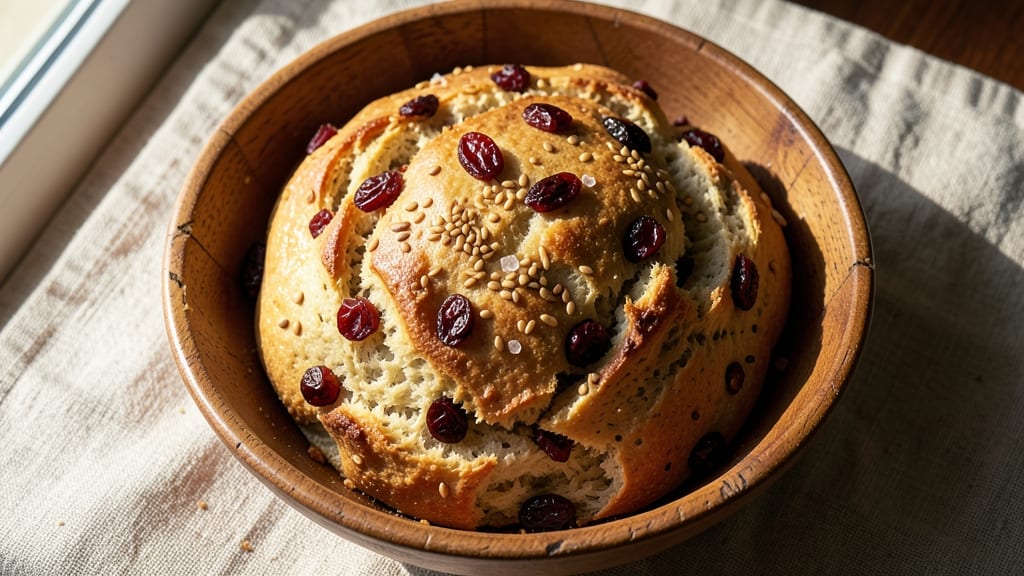
This Atk Irish soda bread recipe delivers the rustic charm of a traditional Irish classic with a crisp crust and tender crumb—no yeast, no fuss, just authentic flavor.
The secret lies in the buttermilk's tang and the baking soda's lift, creating a loaf that's perfect for breakfast or as a side. I've perfected this version to stay true to the original while making it foolproof for modern kitchens.
The beauty of Irish soda bread is its simplicity: just flour, baking soda, buttermilk, and salt, with optional raisins or seeds for texture. The no-knead method ensures an easy process, and scoring the loaf before baking gives it that signature rustic look.
This recipe delivers a loaf with a golden, crisp crust and a soft, slightly dense interior—just like the ones you'd find in an Irish countryside kitchen.
What sets this version apart is the balance of traditional techniques and modern convenience. The buttermilk creates a tender crumb, while the baking soda ensures a light rise. Raisins add natural sweetness, and a sprinkle of seeds on top gives extra crunch.
The result is a bread that's hearty enough for a full meal but simple enough for a quick side.
Whether you're serving it warm with butter or using it to make sandwiches, this Irish soda bread is a staple that brings a taste of Ireland to your table. Let's get started with a recipe that's as satisfying to make as it is to eat.
Ingredients for atk irish soda bread
Flour, buttermilk, and baking soda—classic Irish soda bread with a rustic twist.
| Ingredient | Amount | Notes |
|---|---|---|
| All-Purpose Flour 🌾 | 4 cups | Sifted for even texture |
| Baking Soda 🧂 | 1 tbsp | Pure, not baking powder |
| Buttermilk 🥛 | 1 ½ cups | Room temperature preferred |
| Salt 🧂 | 1 tsp | Fine sea salt |
| Raisins 🍇 | 1 cup | Plump, not dried out |
| Sesame Seeds 🌰 | 2 tbsp | Toasted for extra crunch |
| Flaky Sea Salt 🧂 | 1 tbsp | For topping crust |
| Unsalted Butter 🧈 | 2 tbsp | Melted for brushing |
The flour is everything here. King Arthur or Gold Medal work best—they're high-protein enough for that tender crumb without being too dense. I always grab a 5-pound bag from King Arthur when I'm baking bread; it keeps for months in an airtight container. Buttermilk matters too—it needs to be tangy, not sweet. Store-bought works fine, but if you're feeling fancy, mix 1 tbsp vinegar with 1.5 cups milk and let it sit for 5 minutes. The baking soda should be fresh; if it's old, it loses its lift. Check the expiration date—it's usually on the container.
No raisins? Dried cranberries or chopped dates work just as well. Short on sesame seeds? Poppy seeds or flaxseeds give a different but equally nice crunch. The flaky sea salt is optional but worth it—it adds a gourmet touch. If you can't find it, use regular salt but sprinkle it on top of the loaf after baking so it doesn't melt into the crust. For the butter, European-style unsalted melts beautifully and adds richness. If you're in a pinch, regular butter works, but it might make the crust slightly softer.
This bread stays fresh for 3-4 days at room temperature, wrapped in a towel. For longer storage, freeze the loaf for up to 3 months—just thaw at room temperature before serving. The best part? It reheats beautifully. Wrap a slice in foil and warm it in a 350°F oven for 5-7 minutes, or pop it in the toaster for a crispy crust. I always make two loaves—one for the week and one to freeze for lazy mornings.
Why You'll Love This Recipe
- No-Knead Magic: I swear by this—just mix, shape, and bake. No stand mixer, no waiting for dough to rise. The baking soda does all the work while you sip tea and scroll through your phone.
- Sweet-Savory Balance: That buttermilk tang and raisin burst? It’s like a hug for your taste buds. Honestly, I’ll take this over store-bought any day—no weird aftertaste, just pure, simple goodness.
- Weeknight Workhorse: Toss a slice in a lunchbox, serve it with soup, or toast it for breakfast. It’s my go-to when I’m too tired to plan. Between us, it’s the only bread I make when I’m short on time.
- Budget-Friendly Staple: Flour, baking soda, buttermilk—these are pantry basics that won’t break the bank. A single loaf feeds my family for days, and the leftovers? Perfect for toast or French toast. (Yes, even on a Tuesday night.)
Step-by-step instructions for Atk Irish soda bread
This classic Irish soda bread delivers a tender crumb with a crisp crust—every slice packed with sweet raisins and nutty sesame.
Prepare the Dough with Buttermilk and Raisins
In a large mixing bowl, combine the 4 cups all-purpose flour and 1 tbsp baking soda. Whisk gently to distribute the baking soda evenly through the flour. This prevents uneven rising later. Create a well in the center and pour in the 1.5 cups buttermilk, followed by the 1 tsp salt. Stir with a wooden spoon until the mixture just comes together—it should look shaggy and sticky, not smooth.
Add the 1 cup raisins and mix until they're evenly distributed. The dough will be thick and wet, almost like a heavy batter. This texture is perfect for soda bread—it ensures a tender crumb without needing yeast. If your buttermilk is cold, let it sit at room temperature for 10 minutes first to help the dough come together more easily.
Shape the Loaf and Toast Sesame Seeds
Turn the dough onto a lightly floured surface and knead gently 4-5 times—just enough to bring it together. Avoid overworking it, or the bread will become dense. Shape into a round loaf about 1 inch thick, using your hands to create a smooth top. Place the loaf on a parchment-lined baking sheet.
While the oven preheats, toast the 2 tbsp sesame seeds in a dry skillet over medium heat for 2-3 minutes until golden and fragrant. This enhances their nutty flavor and adds a delightful crunch to the crust. Keep them nearby—they'll cool quickly.
Create the Signature Cross Slash
Use a sharp knife to cut a ½-inch deep cross into the top of the loaf. Press down firmly to ensure the cut goes through the center. This isn't just decorative—it helps the bread bake evenly and gives you that iconic Irish soda bread look. Wipe off any excess flour from the knife between cuts to keep the design clean.
Brush the entire surface of the loaf with the 2 tbsp melted unsalted butter, using a pastry brush. This creates a golden crust and adds richness. Sprinkle the toasted sesame seeds evenly over the top, pressing them gently into the butter. The seeds will stick better if the butter is still slightly warm.
Bake Until Golden and Hollow-Sounding
Preheat your oven to 375°F. Bake the bread for 40-45 minutes until the crust is deep golden brown and the internal temperature reaches 190-195°F when measured with an instant-read thermometer. The bread is done when it sounds hollow when tapped on the bottom.
Resist the urge to open the oven door early—this can cause the bread to collapse. If the top browns too quickly, tent loosely with aluminum foil for the last 10 minutes of baking. The bread should have a crisp crust but remain tender inside. Let it cool on a wire rack for at least 20 minutes before slicing—this prevents a gummy texture.
Serve with Flaky Sea Salt
Once cooled, sprinkle the top with 1 tbsp flaky sea salt just before serving. The salt enhances the sweetness of the raisins and adds a sophisticated finish. Slice into ½-inch thick pieces and serve warm with butter or clotted cream. The contrast of the salty crust, sweet raisins, and buttery crumb makes this bread truly special.
Pro Tips For Making Atk Irish Soda Bread
- STIR THE BUTTERMILK FAST: Mix the buttermilk into the flour just until combined—no need to overwork it. I used to knead like I was making pizza dough, and that just made the bread dense. A few quick stirs with a fork or wooden spoon does the trick.
- MEASURE THE SODA PRECISELY: Use a level teaspoon for the baking soda—no heaping. Too much, and your bread turns bitter; too little, and it won’t rise properly. I learned this after a batch tasted like a chemistry experiment gone wrong.
- SKIP THE OVERMIXING: Once the raisins are folded in, stop. Overmixing develops gluten, and soda bread should stay tender. Just give it a few gentle turns—like folding a blanket, not kneading bread.
- LET IT REST BEFORE SLICING: Wait at least 15 minutes after baking before cutting. The crumb needs time to set, or it’ll turn gummy. I know, I know—it’s hard to resist, but trust me on this one.
Dietary considerations for atk irish soda bread
Gluten-Free Adaptation
For a gluten-free version, replace the 4 cups all-purpose flour with a 1:1 gluten-free baking flour blend like King Arthur Measure for Measure or Bob's Red Mill 1-to-1. These blends contain xanthan gum, which mimics gluten's structure and helps bind the dough.
Use 4 cups gluten-free flour and add ½ tsp xanthan gum if your blend doesn’t include it. The buttermilk and baking soda remain the same, but you may need to add 1-2 tbsp extra liquid since gluten-free flours absorb moisture differently. 🌾
Dairy-Free Options
Buttermilk is the soul of Irish soda bread, but you can swap it for dairy-free buttermilk—mix 1.5 cups unsweetened almond milk with 1 tbsp lemon juice or vinegar and let it sit for 5 minutes to curdle. For extra richness, add 1 tbsp melted coconut oil to the dough.
The raisins and sesame seeds stay the same, but the crust may be slightly less golden, so brush it with dairy-free butter or olive oil before baking for extra shine.
Nut-Free Substitutions
Sesame seeds are a classic topping, but if you're avoiding nuts, try poppy seeds or sunflower seeds for crunch. For a seed-free option, skip the seeds entirely and sprinkle the loaf with coarse sugar or crushed cornflakes after baking.
If you’re also avoiding raisins, swap them for chopped dried apricots or chocolate chips—just reduce the amount to ½ cup to avoid over-sweetening the bread.
Lower Sugar Version
Traditional Irish soda bread isn’t sweet, but the raisins add natural sugar. For a lower-sugar option, omit the raisins entirely or reduce them to ½ cup. To balance the flavor, add 1 tsp cinnamon to the dry ingredients.
The bread will still be hearty and satisfying, with a subtle warmth from the spice. If you miss the sweetness, a thin layer of honey butter on warm slices works wonders.
Allergen-Friendly Tips
Always check labels on baking soda and salt for hidden allergens—some brands add anti-caking agents like soy lecithin. For a fully allergen-free loaf, use certified gluten-free, dairy-free, and nut-free ingredients.
Store-bought buttermilk is usually safe, but homemade versions (with milk and vinegar) may contain dairy. If avoiding all traces, opt for oat milk + vinegar** as your dairy-free buttermilk substitute. 💡
Nutrition facts
Frequently asked questions
Why does Irish soda bread need a cross cut?
The cross cut isn't just decorative—it helps the bread bake evenly by preventing excessive expansion in one direction. It also creates that iconic rustic look while ensuring the center cooks properly. Traditional Irish bakers believed the cross protected against evil spirits, but today it's mostly about function and aesthetics!
Can I make this soda bread without buttermilk?
Yes! Mix 1.5 cups milk (any kind) with 1 tbsp lemon juice or vinegar, then let it sit for 5 minutes to curdle. This homemade buttermilk substitute works perfectly. For extra tang, use 1 tbsp vinegar instead of lemon juice. The bread will still rise beautifully!
How do I fix a dense soda bread?
Overmixing or overbaking are the most common causes. For next time, mix just until combined (no more than 10 strokes) and bake until golden but still slightly soft in the center. If your loaf turned out dense, try brushing warm slices with melted butter and toasting them briefly—they'll taste delicious even if the texture isn't perfect!
Can I add other mix-ins besides raisins?
Try chopped dried apricots, chocolate chips, or crushed nuts (if no allergies). For savory versions, swap raisins for cheddar cheese or sun-dried tomatoes. Just reduce the amount to ½ cup to maintain the bread's signature texture.
How long will this bread keep fresh?
Wrap tightly in a clean kitchen towel or place in an airtight container. It stays fresh for 3-4 days at room temperature. For longer storage, freeze the whole loaf (up to 3 months)—thaw at room temperature before serving. The crust stays crispy even after freezing when reheated briefly!