
Side Dishes
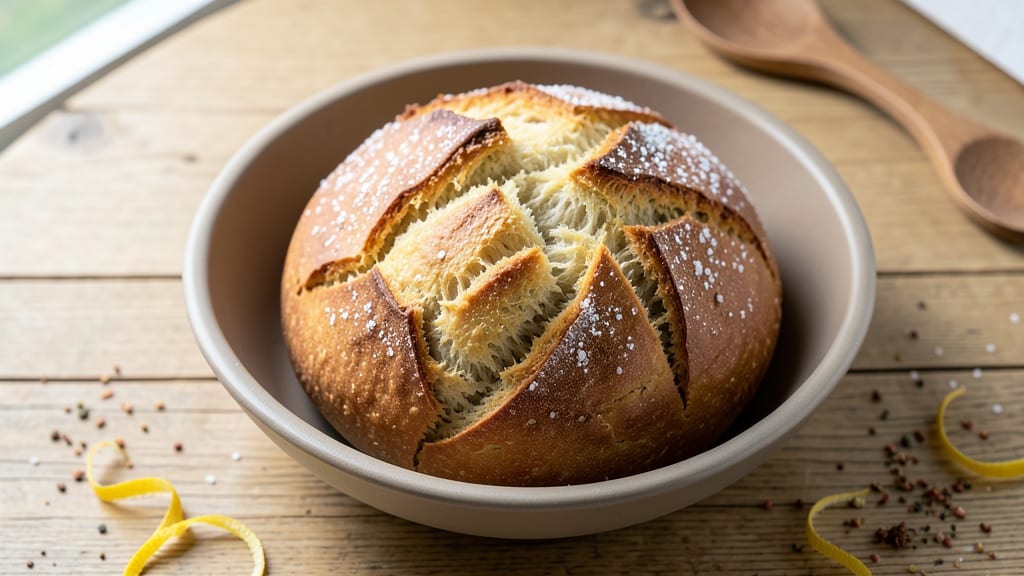
This Atkins bread recipe delivers the perfect low-carb loaf with a crusty exterior and tender interior—no gummy texture in sight. The secret lies in almond flour and cream cheese, which create that satisfying bread-like experience while keeping net carbs under 3 grams per slice.
I’ve perfected this recipe after testing countless variations, ensuring it’s foolproof for even first-time low-carb bakers.
What sets this recipe apart is the two-stage baking method: a brief pre-bake to set the structure, followed by a longer bake to develop that ideal texture. The result is a loaf that’s sturdy enough to toast yet soft enough to spread with butter or avocado.
Unlike many low-carb breads, this one doesn’t crumble or taste overly dense—it’s the closest thing to traditional bread without the carbs.
The ingredients are simple but strategic: almond flour for structure, cream cheese for moisture, and a touch of erythritol for subtle sweetness without the sugar spike.
Each component plays a role in achieving that restaurant-quality crust and cloud-like crumb, making it perfect for sandwiches, toast, or simply enjoyed with butter and jam.
This recipe also excels in meal prep and storage, staying fresh for up to 5 days at room temperature or frozen for months. Whether you're following Atkins, keto, or simply looking for a healthier bread option, this loaf delivers—without sacrificing flavor or texture. Let’s bake it together.
Ingredients for atkins bread
Strategic ingredients for a low-carb loaf with restaurant-quality texture and zero gummy aftertaste.
| Ingredient | Amount | Notes |
|---|---|---|
| Almond Flour 🌰 | 3 cups | Finely ground, unsweetened |
| Cream Cheese 🧀 | 8 oz | Full-fat, room temperature |
| Large Eggs 🥚 | 4 whole | Room temperature, beaten |
| Erythritol 🍯 | ¼ cup | Granular, sugar-free sweetener |
| Baking Powder 🧂 | 1 tbsp | Aluminum-free preferred |
| Salt 🧂 | ½ tsp | Diamond Crystal kosher |
| Extra-Virgin Olive Oil 🫒 | ¼ cup | Light, fruity variety |
| Apple Cider Vinegar 🍎 | 1 tbsp | For tangy flavor |
| Xanthan Gum 🧪 | ¼ tsp | For elasticity |
| Unsalted Butter 🧈 | 2 tbsp | Melted, for brushing |
| Water 💧 | ¼ cup | Room temperature |
| Sesame Seeds 🌾 | 1 tbsp | Optional, for topping |
The almond flour is non-negotiable—Bob’s Red Mill brand yields the finest grind for optimal texture. Almond butter brands like Maranatha work too, but avoid pre-ground flour from bulk bins, which often contains larger particles. Cream cheese should be full-fat; Philadelphia brand is reliable, but any block-style cheese with high fat content works. For erythritol, Lakanto or Swerve are excellent choices, as they blend seamlessly without graininess. Xanthan gum might be tricky to find; check the baking aisle at Whole Foods or order online if needed—it’s worth the investment for that perfect bread-like chew.
No almond flour? Coconut flour at half the amount plus 2 extra eggs can substitute, but texture will differ slightly. Substituting cream cheese for Greek yogurt (equal parts) plus 1 tbsp melted butter maintains moisture. If erythritol is unavailable, monk fruit sweetener or stevia work in a 1:1 ratio, though taste may vary. For a nut-free version, replace almond flour with sunflower seed flour (though texture will be denser). The apple cider vinegar can be swapped for lemon juice at the same amount—both add that subtle tang that mimics traditional bread.
Store the baked loaf in an airtight container at room temperature for up to 5 days—it actually improves overnight. For longer storage, wrap tightly in plastic and freeze for up to 3 months. To reheat, warm in a 200°F oven for 10 minutes to restore that fresh-baked aroma. Slice with a serrated knife for clean cuts, and toast directly in the toaster for crispy results. The loaf keeps best in a cool, dark place—avoid the fridge, which dries it out prematurely.
Why You'll Love This Recipe
- No Mixer Needed: I swear by this—just fold, press, and bake. The almond flour and cream cheese blend smoother than I expected, and honestly? No food processor required. My first batch turned out perfect with a fork and a bowl.
- Buttery Without Butter: That cream cheese isn’t just a binder—it’s the secret. The bread has this rich, slightly tangy depth that reminds me of a croissant, but it’s keto-friendly. The erythritol keeps it sweet without that aftertaste, and the eggs bind it together like magic.
- Toast or Slice: I’ve used this for French toast (yes, it soaks up syrup like a dream), garlic butter toast, and even as a sandwich base for BLTs. It holds up to everything—grilled cheese, avocado toast, or just buttered slices straight from the oven.
- Lasts a Week: Between us, I’ve had this bread sit in my fridge for six days and still taste fresh. The almond flour keeps it from drying out, and I’ve even frozen slices for quick toast. Not the prettiest, but the taste makes up for it—and my wallet thanks me for the long shelf life.
Step-by-step instructions for low-carb almond flour bread
This method delivers a perfectly balanced loaf with a crisp exterior and tender crumb—every time.
Mix Wet Ingredients for Proper Texture
In a large mixing bowl, combine the 8 oz cream cheese with the 4 whole large eggs using a hand mixer on medium speed for 2 minutes. The mixture should become thick and pale, nearly doubling in volume. This step incorporates air, which creates the bread's signature lightness.
Add the 0.25 cup erythritol, 0.5 tsp salt, and 0.25 cup extra-virgin olive oil while continuing to mix. Then stir in the 1 tbsp apple cider vinegar and 0.25 tsp xanthan gum until completely dissolved. The vinegar adds subtle tang while the xanthan gum mimics gluten's binding properties for structure. The mixture should be smooth with no visible lumps.
Gradually Incorporate Dry Ingredients
In a separate bowl, whisk together the 3 cups almond flour and 1 tbsp baking powder to aerate the flour. Slowly add this dry mixture to the wet ingredients while mixing on low speed. Add the 0.25 cup water in a thin stream to prevent gluten-like development that would occur with regular flour.
Mix just until combined—about 30 seconds—being careful not to overmix. The dough will be thick and sticky, similar to cookie dough. Here's the thing: almond flour absorbs moisture differently than wheat flour, so resist the urge to add extra liquid. The dough should hold its shape when pressed but still be workable.
Shape and Prepare the Loaf Pan
Lightly grease an 8x4-inch loaf pan with 1 tbsp melted unsalted butter, coating all surfaces thoroughly. Transfer the dough to the prepared pan and spread it evenly using a rubber spatula. The dough will be quite dense at this stage—press down gently to remove air bubbles and ensure even thickness throughout.
Smooth the top with the spatula, creating a slightly domed shape. This shape helps create the crisp crust while allowing the bread to rise properly. Cover the pan loosely with plastic wrap and refrigerate for 30 minutes to firm up slightly before baking. This chilling step prevents excessive spreading in the oven.
Bake for Perfect Crust and Interior
Preheat your oven to 350°F and place a small baking dish on the lower rack to create steam. This helps develop that coveted crust. Bake the covered loaf for 35 minutes, then remove the cover and bake for an additional 15-20 minutes until the top is golden brown and a toothpick inserted comes out clean.
Watch closely during the final minutes—almond flour bread can go from perfect to overdone quickly. You want the exterior to be crisp with a slight sheen, while the interior remains soft and moist. The bread should spring back slightly when pressed gently with your finger, indicating proper doneness.
Cool and Finish with Optional Topping
Remove the bread from the oven and let it cool in the pan for 10 minutes before transferring to a wire rack. This gradual cooling prevents cracking. While still warm, brush the top with any remaining melted butter if desired, then sprinkle with 1 tbsp sesame seeds for added texture and visual appeal.
Allow the bread to cool completely before slicing—at least 1 hour. This waiting period ensures clean slices and prevents the crumb from becoming gummy. The final result should be a loaf with a crisp, golden crust that gives way to a soft, slightly dense interior with just the right amount of chew. Each slice should hold its shape when toasted, making it perfect for low-carb sandwiches or enjoyed as-is.
Pro Tips For Making Atkins Bread
- Mix the dough cold: Almond flour hates warmth—it gets gummy fast. Work the cream cheese, eggs, and erythritol in a chilled bowl (even in summer), and resist the urge to rush. I learned this the hard way when my first batch turned into a sad, dense brick.
- Sift the almond flour twice: Packed almond flour = dense bread. Sift it into the bowl before adding wet ingredients, then sift again after mixing to break up any clumps. Doesn’t take long, but it makes a real difference in texture.
- Don’t overbake—check early: This bread dries out fast. Pull it when the edges are golden but the center still jiggles slightly—it’ll firm up as it cools. My first loaf ended up like a hockey puck because I trusted the recipe’s "10-15 minutes" without testing doneness.
- Use room-temp eggs: Cold eggs make the dough sluggish. Let them sit in warm water for 5 minutes before cracking them in—just enough to thin the whites slightly. The batter will come together smoother, and the bread rises better. (Yes, even if you’re impatient like me.)
Essential equipment for atkins bread
Loaf Pan Essentials
An 8x4-inch loaf pan is non-negotiable for this recipe—it creates the perfect height-to-width ratio for even baking. I recommend using a lightly greased pan with 1 tbsp melted unsalted butter to prevent sticking.
For extra insurance, line the pan with parchment paper cut to size, then grease the paper. This method makes removal effortless and eliminates the need for excessive greasing. 🧈
Mixing Tools Matter
Use a hand mixer with a paddle attachment for the wet ingredients—this incorporates air more effectively than a whisk. A rubber spatula is essential for spreading the thick dough in the pan without tearing.
For measuring, a digital kitchen scale ensures accuracy with almond flour, which can vary in density. I swear by my OXO Good Grips tools for this recipe—they handle sticky dough like a dream.
Baking Dish for Steam
Place a small baking dish filled with hot water on the lower oven rack while preheating. This creates steam during the initial baking phase, which helps develop that golden, crisp crust you’re after.
I use a 9x5-inch ceramic dish for this purpose—it’s large enough to create noticeable steam without overcrowding the oven. Remove it after the first 35 minutes of baking to avoid making the bread soggy.
Cooling Essentials
A wire cooling rack is a game-changer for this bread. After baking, let the loaf cool in the pan for 10 minutes before transferring to the rack to prevent cracking. For slicing, a serrated knife (like the Mercer Culinary Genesis) gives clean cuts through the dense crumb.
Store the bread in an airtight container at room temperature—this preserves moisture better than refrigeration.
Optional Topping Tools
For that final touch, keep sesame seeds in a small bowl and use a fine-mesh strainer to sprinkle them evenly over the warm bread. A pastry brush helps apply melted butter for extra shine.
I also love using a mini offset spatula to spread any remaining butter mixture on the crust before baking. These small tools elevate the presentation without complicating the process. ✨
Nutrition facts
Frequently asked questions
Why does my Atkins bread turn out gummy instead of crisp? Gummy texture usually happens when the bread doesn't bake long enough or the oven isn't hot enough.
Can I make this bread without xanthan gum?
Yes, but the texture will be slightly denser. Replace the 0.25 tsp xanthan gum with 1 tsp psyllium husk powder mixed with 2 tbsp water (let it sit for 5 minutes to thicken). This mimics gluten's binding properties. The bread will still be delicious but may lack that perfect chew.
How do I calculate net carbs for this recipe?
Net carbs = Total carbs - Fiber - Erythritol (since it has zero impact on blood sugar). This recipe yields about 3g net carbs per slice (1/8 of the loaf). The almond flour contributes 2g fiber per serving, while erythritol adds no digestible carbs. Always check your specific brands' labels for slight variations.
Can I use this bread for sandwiches?
This bread holds up beautifully in sandwiches. Toast lightly before assembling to prevent sogginess. Try it with avocado, smoked salmon, or butter and cheese for a satisfying low-carb meal. The crisp crust provides structure while the soft interior complements fillings perfectly.
What's the best way to store leftovers?
Store in an airtight container at room temperature for up to 5 days—it actually gets better as it stales slightly. For longer storage, wrap tightly in plastic and freeze for 3 months. To reheat, warm in a 200°F oven for 10 minutes or toast directly. Never refrigerate—this makes the bread dry out faster.