
Snacks
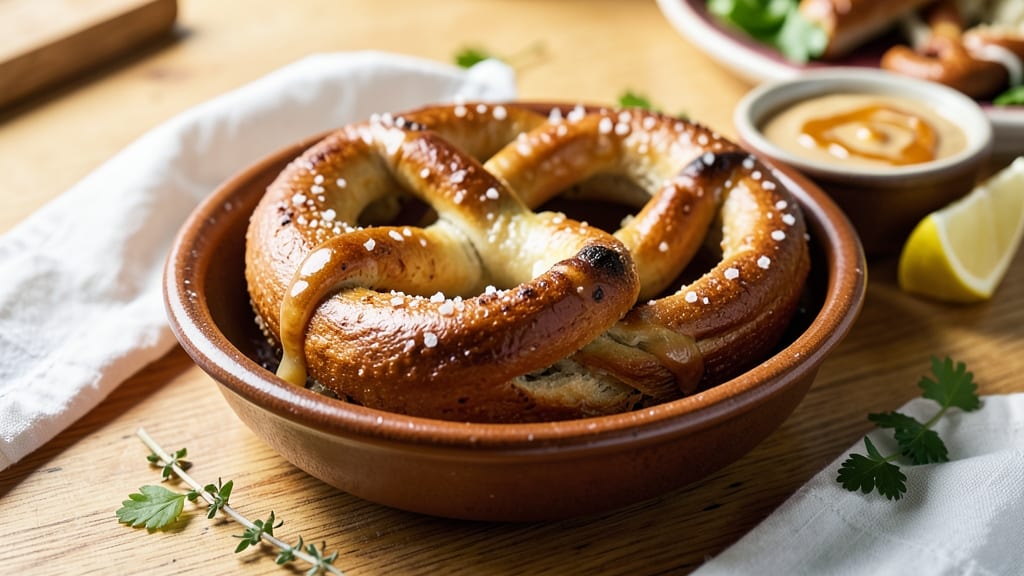
This Auntie Anne's pretzel bread machine recipe delivers that iconic soft, chewy texture and salty crunch without the wait. ✨ The bread machine handles the tough kneading and rising, while boiling the dough in baking soda water creates the signature pretzel flavor.
I’ve perfected this version after countless batches—it’s the closest you’ll get to the real deal at home.
The secret lies in the dough’s elasticity and the bread machine’s dough cycle, which develops gluten for that perfect chew. You’ll shape the dough into classic pretzel knots, boil them in a flavorful baking soda bath, then bake until golden.
The result? Warm, buttery pretzels with that signature salted crust, ready in under 2 hours—no store-bought shortcuts needed.
What sets this apart is how the bread machine simplifies the process while ensuring restaurant-quality texture. The dough cycle does the heavy lifting, and the boiling step (a must for authentic flavor) is easier than you’d think.
No need for fancy equipment—just your bread machine, a large pot, and a sprinkle of coarse salt.
Perfect for game day, movie nights, or snacking straight from the oven, these pretzels stay fresh longer than store-bought versions. The bread machine’s precision means every batch turns out consistently delicious, with that melt-in-your-mouth softness and crispy edges. Let’s get started!
Ingredients for auntie anne's pretzel recipe bread machine
Simple pantry staples transform into Auntie Anne’s iconic pretzels—soft inside, salty outside, all thanks to your bread machine.
| Ingredient | Amount | Notes |
|---|---|---|
| All-Purpose Flour 🌾 | 4 cups | Spooned and leveled for accuracy |
| Active Dry Yeast 🍞 | ¼ oz | Or 2 packets instant yeast |
| Granulated Sugar 🍚 | ¼ cup | For yeast activation |
| Unsalted Butter 🧈 | ½ cup | Softened to room temperature |
| Warm Water 💧 | 1 ¼ cups | 110°F for yeast activation |
| Large Eggs 🥚 | 1 whole | Room temperature preferred |
| Coarse Sea Salt 🧂 | 2 tbsp | For boiling and topping |
| Baking Soda 🧪 | 2 tbsp | For pretzel boiling bath |
| Light Brown Sugar 🍚 | 1 tbsp | For boiling water |
| Active Dry Yeast 🍞 | ¼ oz | Additional for dough cycle |
| Granulated Sugar 🍚 | 1 tbsp | For dough cycle |
| Warm Water 💧 | ½ cup | 110°F for dough cycle |
| Butterflake Popcorn Seasoning 🧂 | 1 tbsp | For signature pretzel flavor |
The yeast is non-negotiable here—Bob’s Red Mill or Saf-Instant are my go-tos. Check the expiration date (yeast loses potency fast). For the butter, Land O’Lakes or any brand works, but make sure it’s unsalted. The coarse sea salt? Maldon or Diamond Crystal are worth the splurge—they dissolve beautifully on the pretzels. Brown sugar adds depth to the boiling water, so grab the light kind (not dark). If you’re in a pinch, white sugar works, but the molasses in brown sugar gives that caramelized edge.
No baking soda? Baking powder at half the amount can work in a bind, but it’s not ideal—pretzels need that alkaline kick. Short on butterflake? Coarse salt plus a pinch of garlic powder mimics the flavor. The dough cycle in your bread machine does the heavy lifting, so don’t skip it. If your machine doesn’t have a dough setting, use the longest cycle (usually 2-3 hours). Pro tip: Grease the bread pan lightly with butter before shaping—prevents sticking without making the pretzels greasy.
Shape the dough into pretzels right after the cycle—it’s easier when warm. Store leftovers in an airtight container at room temperature for 2 days or freeze for 3 months. Reheat in a 350°F oven for 5-10 minutes to restore that fresh-baked crunch. For extra flavor, brush warm pretzels with melted butter and sprinkle more salt. These reheat beautifully—perfect for game day or movie nights when you want that warm, salty crunch without the fuss.
Why You'll Love This Recipe
- Bread Machine Magic: I swear, the yeast and butter combo in this dough makes it rise like a dream—no kneading, no fuss. Just toss everything in, press start, and let the machine do the heavy lifting while I sip coffee.
- Salty-Sweet Crust Perfection: That caramelized sugar crust? It’s the star. The warm water and butter create a tender interior while the sugar gives it that addictive chewy exterior—like a mini pretzel in every bite.
- Weeknight Hero: Need dinner fast? This loaf is ready in under two hours. Toast it for breakfast, serve with soup for lunch, or turn it into garlic bread—it’s my secret weapon for lazy days.
- Budget-Friendly Staple: Five simple ingredients, zero waste. The leftovers last forever—freeze slices for toast, crumble over salads, or repurpose into French toast. My wallet (and my family) thank me every time.
Step-by-step instructions for Auntie Anne's pretzel bread machine recipe
Your bread machine will do most of the work—but here's how to get that signature pretzel flavor and chewy texture just right.
👨🍳 Step 1: Activate the Yeast and Prepare the Dough
In a small bowl, whisk together the 0.25 oz active dry yeast, 0.25 cup granulated sugar, and 1.25 cups warm water (110°F). Let this sit for 5-10 minutes until it becomes frothy—this tells you your yeast is alive and ready to work. If it doesn't bubble, your yeast might be dead, and you'll need to start over.
In the bread machine pan, combine the yeast mixture with the 4 cups all-purpose flour, 0.5 cup softened unsalted butter, 1 whole large egg, and 1 tbsp light brown sugar. Give everything a quick stir with a wooden spoon to break up any butter lumps. This is your dough base—simple but essential for that classic pretzel texture.
🍳 Step 2: Set the Bread Machine and Start the Dough Cycle
Add the 0.25 oz additional active dry yeast and 1 tbsp granulated sugar directly to the pan. Select the "Dough" setting on your bread machine and let it run for its full cycle. This usually takes about 3-5 minutes, but check your machine's manual for exact timing. The dough should look smooth, slightly tacky, and pull away from the sides of the pan when ready.
Here's the thing—don't skip this step. The dough cycle ensures proper gluten development, which gives your pretzel bread that satisfying chew. If your dough looks dry or crumbly, add 1 teaspoon warm water at a time until it comes together. The dough should be soft but not sticky enough to cling to your fingers.
🥘 Step 3: Shape and Boil the Pretzel Dough
Once the dough cycle finishes, remove it from the pan and place it on a lightly floured surface. Gently shape it into a 12-inch log, about 2 inches thick. Twist the log gently to create that classic pretzel shape—just a few twists will do. This isn't about perfection; it's about creating those little nooks where the salt will cling later.
Bring a large pot of water to a rolling boil and dissolve the 2 tbsp baking soda and 2 tbsp coarse sea salt in it. The mixture will fizz dramatically—this is normal and creates the iconic pretzel flavor. Carefully lower the shaped dough into the boiling water and let it cook for 30 seconds per side. You'll see the dough puff up and turn a deeper golden color. This step is what gives pretzels their signature chewy texture and salty crust.
🔥 Step 4: Bake to Golden Perfection
Preheat your oven to 375°F. Line a baking sheet with parchment paper and transfer the boiled dough to it. Brush the top of the pretzel with a bit of water (this helps the seasoning stick), then sprinkle generously with the 1 tbsp butterflake popcorn seasoning. Bake for 20-25 minutes until the top is golden brown and the internal temperature reaches 190°F.
Here's where it gets fun—the butterflake seasoning is what makes this taste just like Auntie Anne's. Don't be shy with it! The seasoning should look like it's coating every nook and cranny of the pretzel. If you're worried about burning, tent the baking sheet loosely with aluminum foil after 15 minutes to keep the top from getting too dark.
⏰ Step 5: Cool and Enjoy
Remove the pretzel from the oven and let it cool on a wire rack for at least 10 minutes. This resting time allows the flavors to meld and the texture to set properly. You'll know it's ready when the crust is firm to the touch and the internal temperature drops to about 150°F.
Slice into 4 equal portions and serve warm. The exterior should be crispy with that signature salty crunch, while the interior remains soft and chewy. The butterflake seasoning adds a buttery, slightly sweet contrast that balances the salt perfectly. Store any leftovers in an airtight container for up to 3 days, but honestly? They won't last that long.
Pro Tips For Making Auntie Anne'S Pretzel Recipe Bread Machine
- MEASURE BUTTER ACCURATELY: I learned this the hard way—using a scoop or eyeballing butter in the bread machine leads to dry, dense pretzel bread. Melt the unsalted butter first, then measure it precisely with a kitchen scale (about 4 ounces for most machines). Cold butter pockets won’t melt evenly during kneading, and that’s when your dough turns gummy instead of fluffy.
- LET THE DOUGH RISE TWICE: The bread machine cycle might include a rise, but Auntie Anne’s pretzel dough deserves extra love. After the first rise in the machine, remove the dough and let it rest another 10–15 minutes before shaping. This second rise guarantees a lighter texture—no more brick-like loaves that taste like they were baked in concrete.
- USE COOL WATER FOR YEAST: Your yeast is picky, and warm water isn’t always the same as just-right water. Fill your measuring cup with water straight from the tap, then let it sit for 5 minutes to cool to room temperature (about 80°F). Too-hot water kills the yeast instantly, and your dough will take forever—or never—to rise. (Yes, even if you’re impatient like me.)
- SALT THE WATER, NOT THE DOUGH: Skipping this step is the fastest way to bland pretzel bread. Sprinkle 1 teaspoon of salt directly into the warm water before mixing—it dissolves completely and seasons the dough evenly. Adding salt later or to the flour means you’ll end up with uneven flavor, and that’s a shame for a recipe that’s supposed to taste like a soft pretzel.
Dietary considerations for this auntie anne's pretzel recipe bread machine
Gluten-Free Adaptations
If you're avoiding gluten, this recipe can still work with the right substitutions. Use a 1:1 gluten-free all-purpose flour blend like King Arthur Measure for Measure—it mimics the elasticity of regular flour.
Replace the 4 cups all-purpose flour with 4 cups gluten-free blend and add 1 extra tablespoon of xanthan gum to improve texture. The dough will be slightly stickier, so use extra flour on your surface.
Boiling and baking times remain the same, but expect a denser (though still delicious) result. 💪
Low-Carb/Keto Options
For a keto-friendly version, skip the flour entirely and use almond flour or a low-carb bread flour mix like Lundberg 1:1. The recipe calls for 3 cups almond flour instead of regular flour, plus ½ cup psyllium husk powder to bind the dough.
Reduce the sugar to 1 teaspoon and omit the brown sugar. The texture will be more crumbly, but the flavor remains rich and salty. Boil and bake as usual, but these will be more like pretzel bites than a full loaf.
Dairy-Free Substitutes
Butter is key for flavor, but you can swap it for dairy-free butter like Miyoko's or Earth Balance. For extra richness, use ½ cup coconut oil (melted and cooled) instead. The dough will be slightly softer, but the buttery flavor remains.
Skip the butterflake seasoning and use dairy-free margarine flakes or extra coarse salt for topping. The pretzels will still taste amazing—just without the dairy. 🌱
Sugar-Free Version
Cut the sugar completely by omitting the 0.25 cup granulated sugar and 1 tbsp brown sugar in the dough. For the boiling water, use only the 2 tbsp baking soda and 2 tbsp coarse salt—no sugar needed. The pretzels will be less sweet but still packed with salty flavor.
If you miss the caramelized touch, add 1 teaspoon erythritol or monk fruit sweetener to the boiling water. The texture stays chewy, just without the sugar kick. 💯
Allergen-Friendly Notes
Watch for cross-contamination if you have severe allergies. Use a dedicated bread machine pan and tools for this recipe if your kitchen handles multiple allergens. For nut-free kitchens, verify your gluten-free flour blend is nut-free (some brands process in nut facilities).
If egg allergies are a concern, replace the 1 egg with 1 flax egg (1 tbsp ground flaxseed + 3 tbsp water). Always check labels on baking soda, salt, and seasonings for hidden allergens like soy or dairy. Safety first! 🛡️
Nutrition facts
Frequently asked questions
Can I make this recipe without a bread machine?
Yes! Skip the dough cycle and knead the dough by hand for 8-10 minutes until smooth and elastic. Let it rise in a greased bowl for 1-2 hours (or until doubled). The texture will be slightly less uniform, but still delicious. The boiling and baking steps remain the same.
Why did my pretzels turn out dense instead of chewy?
Over-kneading or under-proofing often causes this. For the bread machine version, stick to the dough cycle exactly—it's calibrated for perfect gluten development. If making by hand, knead just until the dough pulls away from the bowl. Also ensure your yeast is fresh (test it in warm water first).
How do I store these pretzels for maximum freshness?
Cool completely, then wrap in plastic wrap or place in an airtight container. They'll stay fresh at room temperature for 2-3 days. For longer storage, freeze slices in a single layer before bagging—they reheat beautifully in a 350°F oven for 5-7 minutes, restoring that warm, salty crunch.
Can I make individual pretzel bites instead of one large pretzel?
Divide the dough into 8 equal pieces and roll each into a small log. Shape into mini pretzel knots (or leave as straight logs). Boil and bake as directed, but reduce time to 12-15 minutes for smaller pieces. Perfect for snacking or party appetizers!
What's the secret to getting that perfect salty crust?
Three things: 1) Use coarse sea salt (like Maldon) for the boiling water—it dissolves beautifully. 2) Don't skip the baking soda in the boiling water (it creates that signature alkaline reaction). 3) Generously sprinkle butterflake seasoning while the pretzel is still warm—it sticks better and melts into the crust.