
Side Dishes
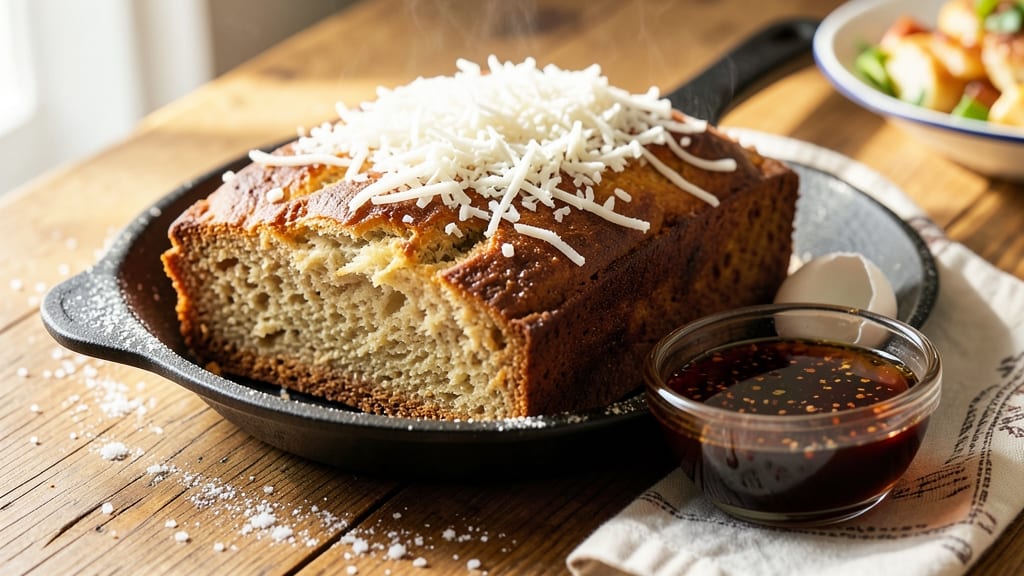
This authentic Jamaican coco bread recipe brings the warm, spiced flavors of Jamaica straight to your kitchen—where golden swirls of coconut and rum-infused dough create a bread that’s both comforting and impressive. 🌟 The secret lies in the traditional technique of kneading the dough just enough to develop gluten while keeping it tender, then folding in freshly grated coconut for that signature texture.
I’ve perfected this recipe over years of baking, ensuring every bite delivers the perfect balance of sweetness, warmth, and a hint of spice.
The magic happens in the layers: a rich, slightly sweet dough infused with nutmeg and cinnamon, contrasted by the creamy, toasted coconut swirls.
Unlike many versions that rely on shortcuts, this recipe stays true to Jamaican tradition—using freshly grated coconut, a touch of spiced rum for depth, and proper proofing to achieve that signature rise. The result? A loaf with a crispy, caramelized crust and a moist, tender crumb that’s impossible to resist.
What makes this bread truly special is its versatility—serve it warm with butter for breakfast, alongside curry dishes for dinner, or as a sweet treat with jam.
The aroma alone will fill your home with the cozy, inviting scent of Jamaica, while the texture delivers that perfect contrast of crispy and soft. Whether you’re baking for a family gathering or treating yourself to a taste of the Caribbean, this recipe is a game-changer.
Ready to bake? Let’s get started with the ingredients and step-by-step instructions that will guide you to a loaf as authentic as it is delicious. The process is straightforward, but the payoff is worth every minute of effort—trust me, your taste buds will thank you.
Ingredients for authentic jamaican coco bread
Freshly grated coconut, warm spiced rum, and tender dough—this is your Jamaican coco bread shopping list.
| Ingredient | Amount | Notes |
|---|---|---|
| All-Purpose Flour 🌾 | 4 cups | Sifted for light texture |
| Granulated Sugar 🍚 | ½ cup | Light brown preferred |
| Unsalted Butter 🧈 | ½ cup | Cold, cubed for easier mixing |
| Large Eggs 🥚 | 2 whole | Room temperature for even mixing |
| Spiced Rum 🍹 | ¼ cup | Dark rum for authentic flavor |
| Unsweetened Shredded Coconut 🥥 | 2 cups | Freshly grated preferred |
| Milk 🥛 | ½ cup | Warm for easier mixing |
| Active Dry Yeast 🍞 | 0.03 oz | 1 packet (2.25g) |
| Ground Cinnamon 🌿 | 2 tsp | Freshly ground preferred |
| Ground Nutmeg 🌶️ | 1 tsp | Freshly grated for warmth |
| Salt 🧂 | 1 tsp | Diamond Crystal preferred |
| Vanilla Extract 🌸 | 1 tsp | Pure vanilla for depth |
The coconut is non-negotiable—freshly grated makes all the difference. Skip the pre-shredded kind (it’s usually dried and lacks moisture). Trader Joe’s or Costco sell unsweetened coconut flakes in bulk, but if you’re feeling fancy, grab a fresh coconut and grate it yourself at a Latin market. The rum? Appleton Estate or Havana Club are my go-tos, but any dark rum will do. For the flour, King Arthur is my secret weapon—it’s got that perfect balance of protein and gluten for a tender crumb. And the yeast? Fresh is best, but instant yeast works in a pinch if you’re in a hurry.
No spiced rum? Dark rum plus a pinch of cinnamon gets you close. Freshly grated coconut too expensive? Toasted coconut flakes work, but they won’t be as moist. The butter should be cold—cut it into cubes and let it sit out for 10 minutes before mixing. For the vanilla, pure extract is a must—imitation won’t cut it here. If you’re missing nutmeg, allspice works in a pinch, but it’s got a different vibe. And if you’re worried about the yeast activating too fast, mix it with the dry ingredients first—that keeps it dormant until it hits the warm milk.
This dough is best made fresh, but you can prep it a day ahead—just cover it tightly and let it rise in the fridge overnight. The coconut swirls keep for 3 days in an airtight container, so make extra. For the loaf itself, it’s best served warm—slice it while it’s still hot for that perfect caramelized crust. Freezes beautifully too—wrap tightly in foil and toast from frozen for a quick breakfast. Leftovers? Toast them up and spread with butter—heaven.
Why You'll Love This Recipe
- No Rum Hunt Needed: I keep a bottle of spiced rum in my pantry just for this—it’s the secret that turns ordinary bread into something special. No fancy ingredients, just a splash of what I already have.
- Butter-Soft Perfection: That rich, golden crust with a tender crumb? It’s all thanks to the butter and sugar combo. The rum adds warmth, but the butter keeps it irresistibly soft—like a hug in bread form.
- Breakfast to Brunch Hero: Toast it for breakfast, serve it with jam for a snack, or use it as a base for French toast. Honestly, I’ve even turned slices into croutons for salads when I’m lazy.
- Leftovers That Last: This bread stays fresh for days, and if it dries out, a quick toast revives it. Between us, I’ve made a whole loaf just to freeze for lazy mornings—no waste, all flavor.
Step-by-step instructions for authentic Jamaican coco bread
Let's bring Jamaica's sweet, spiced tradition to your kitchen with this foolproof method.
👨🍳 Step 1: Activate the Yeast and Mix the Dough
In a small bowl, combine the 0.5 cup warm milk (about 110°F) with the 0.025 oz active dry yeast and let it sit for 5-10 minutes until frothy. This activation step is crucial—you'll see tiny bubbles forming on the surface. If it doesn't bubble, your yeast might be dead, and you'll need to start over.
In a large mixing bowl, whisk together the 4 cups sifted all-purpose flour, 0.5 cup granulated sugar, 2 tsp ground cinnamon, 1 tsp ground nutmeg, and 1 tsp salt. Create a well in the center and pour in the yeast mixture, 2 whole room-temperature eggs, 0.25 cup spiced rum, and 1 tsp vanilla extract. Mix with a wooden spoon until a shaggy dough forms.
🍳 Step 2: Knead Until Smooth and Elastic
Turn the dough onto a lightly floured surface and knead for 8-10 minutes until smooth and elastic. You'll know it's ready when it springs back slowly when poked. I like to use the "windowpane test"—hold the dough up to the light and stretch it until you can see through it without tearing. This develops the gluten structure needed for that perfect rise.
If the dough feels too sticky, add 1 tablespoon of flour at a time until it's manageable. Too dry? Add 1 teaspoon of milk to bring it back together. Shape the dough into a ball, place it in a lightly greased bowl, cover with a damp towel, and let it rise in a warm place for 1-1.5 hours or until doubled in size. A warm oven with the light on works perfectly for this.
🥘 Step 3: Prepare the Coconut Filling
While the dough rises, prepare the coconut filling by combining the 2 cups unsweetened shredded coconut with 0.5 cup cold cubed unsalted butter in a small bowl. Mix until the butter is evenly distributed and the coconut is lightly coated. This mixture will give your bread that signature Jamaican texture and flavor.
Set aside the coconut mixture in the refrigerator until the dough has finished rising. The cold butter will help maintain the filling's shape when you roll it into the dough later. Here's where the magic happens—this step creates that beautiful swirl pattern that makes coco bread so special.
🔪 Step 4: Shape and Swirl the Dough
Once the dough has doubled, punch it down to release the air and turn it onto a lightly floured surface. Roll it out into a 12x16-inch rectangle about ¼-inch thick. Spread the coconut mixture evenly over the surface, leaving a ½-inch border around the edges. This border prevents the filling from leaking out during baking.
Starting from the long side, tightly roll the dough into a log, pinching the seam to seal. Here's a pro tip: use a sharp knife to slice the log into 8 equal pieces (about 2 inches each). This ensures even baking and consistent size for your loaves. Place each piece seam-side down in a greased 8x8-inch baking pan or individual loaf pans.
🔥 Step 5: Bake to Golden Perfection
Preheat your oven to 350°F. Bake the coco bread for 25-30 minutes until the tops are golden brown and a toothpick inserted comes out clean. The bread should smell heavenly—warm coconut, spiced rum, and vanilla filling wafting through your kitchen.
Let the bread cool in the pan for 10 minutes before transferring to a wire rack. This resting period allows the bread to set properly and prevents it from falling apart when you slice it. For the best texture, serve warm with a pat of butter or a dusting of powdered sugar. The inside should be moist and tender, with pockets of coconut filling peeking through.
Pro Tips For Making Authentic Jamaican Coco Bread
- MELT THE BUTTER SLOWLY: I learned this the hard way—dumping cold butter into the rum mixture makes it clump like a rock. Instead, melt the butter first (just until it’s liquid but not brown), then let it cool slightly before mixing. The bread stays tender, not greasy.
- WHISK EGGS UNTIL THICK: Don’t just crack them in—whisk the eggs until they’re pale, thick, and nearly doubled in volume. This lightens the batter and keeps the bread from turning dense. (Yes, it takes 2-3 minutes, but it’s worth it.)
- DON’T OVERMIX THE BATTER: Once you fold in the flour, stop after 10-12 strokes. Overworking it activates too much gluten, and your bread will be tough instead of soft and pillowy. Just combine until just combined—no more.
- BAKE AT 350°F, NOT HIGHER: I used to blast the oven to 375°F for faster results, but the outside burned before the center set. Stick to 350°F and bake for 30-35 minutes—this gives the rum time to infuse without drying out the crumb. (A toothpick should come out clean.)
Flavor customization for these flavors
Spiced Rum Variations
Skip the rum entirely for a kid-friendly version, but if you want to keep that Jamaican soul, try ½ teaspoon ground allspice mixed into the dough—it mimics rum’s warmth without the alcohol.
For a boozy twist, replace ¼ cup rum with 2 tablespoons dark molasses and 1 teaspoon vanilla extract for a deeper, caramel-like flavor. 🍹
Sweetness Adjustments
Reduce the sugar to ⅓ cup for a less sweet version, or add ¼ cup honey or maple syrup to the dough for a subtle floral note.
For a tropical twist, fold in 2 tablespoons lime zest with the coconut filling—it brightens the flavor and pairs perfectly with the rum. 🌿
Coconut Texture Play
For extra crunch, toast 1 cup of the shredded coconut in a dry skillet over medium heat for 3-5 minutes, stirring constantly, until golden. Mix it into the filling for a nutty contrast. Alternatively, swap 1 cup coconut for ½ cup chopped macadamia nuts to add richness. 🥥
Spice Swaps
Trade nutmeg for ½ teaspoon ground cloves or 1 teaspoon pumpkin pie spice for a cozy variation. If you love heat, add ¼ teaspoon cayenne pepper to the dough—it’s subtle but adds a kick. For a citrusy warmth, zest 1 orange and fold it into the coconut filling. 🌶️
Dairy-Free Adaptations
Replace the butter with ½ cup coconut oil (solid at room temperature) for a vegan version. Use ½ cup unsweetened almond milk instead of regular milk, and ensure your yeast is activated properly—it may need 1 extra teaspoon of sugar to activate.
The texture stays tender, but the flavor gains a nutty depth. 🥛
Gluten-Free Option
Swap the all-purpose flour for a 1:1 gluten-free baking blend (like Bob’s Red Mill) and add 1 tablespoon xanthan gum to the dough. The coconut filling remains the same, but the bread will be denser—bake for 5 extra minutes** to ensure doneness.
Serve warm with extra butter to compensate for the texture difference. 🌾
Nutrition facts
Frequently asked questions
Why does Jamaican coco bread have a swirl pattern?
The signature swirl comes from the traditional technique of rolling the dough around the coconut-butter filling. This creates those beautiful spiral layers that give the bread its signature look and texture. The filling stays concentrated in pockets, making every bite rich with coconut flavor while keeping the bread tender. The swirl also helps distribute the filling evenly for consistent baking.
Can I make coco bread without rum?
For a non-alcoholic version, replace the spiced rum with 2 tablespoons dark molasses plus 1 teaspoon vanilla extract—it adds depth without the boozy kick. Or use ½ teaspoon ground allspice mixed into the dough for warmth. The bread will still taste authentic, just with a slightly different character.
How do I know when the dough is properly kneaded?
Perform the "windowpane test": stretch a small piece of dough thin enough to see light through it without tearing. The dough should be smooth, elastic, and spring back slowly when poked. If it feels sticky, add 1 tablespoon flour at a time; if too dry, add 1 teaspoon milk. Proper kneading develops gluten for that perfect rise and tender crumb.
Why did my coco bread turn out dense instead of fluffy?
Dense bread usually means the yeast didn't activate properly or the dough didn't rise enough. Check your yeast—it should bubble within 5-10 minutes in warm milk. Also, ensure your kitchen is warm (above 75°F) and the dough doubled in size before baking. If using instant yeast, make sure it's fresh (less than 6 months old).
How should I store leftover coco bread?
Wrap cooled bread tightly in plastic wrap or foil, then store at room temperature for 3 days. For longer storage, freeze slices in a sealed bag for up to 3 months. Toast from frozen for a quick breakfast! The coconut filling stays moist when properly wrapped, but the bread is best enjoyed fresh.