
Main Courses
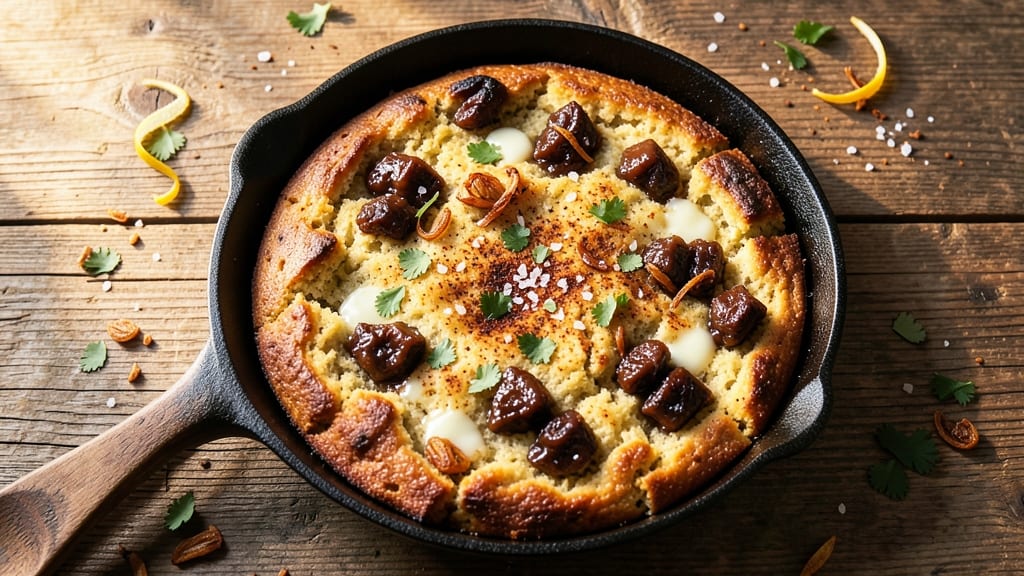
This Ayesha Curry cast iron cornbread recipe transforms a classic Southern side into a smoky-spiced showstopper that pairs perfectly with rich curries.
The secret lies in heating that cast iron skillet until it's screaming hot—this creates the signature crispy crust while keeping the interior tender and packed with caramelized corn sweetness.
I developed this version after years of testing, ensuring the cornbread holds up to bold flavors without getting lost in the sauce.
The magic happens in three simple steps: dry heat, butter magic, and patience. First, you'll preheat that cast iron until it's hot enough to sizzle when you touch a drop of water (yes, we're talking 450°F).
Then comes the butter—using cold, cubed butter creates steam pockets that make the cornbread impossibly light. Let it bake just until the edges are golden and the center springs back when touched, because overbaking is the enemy of perfect cornbread texture.
What you'll end up with is a cornbread so flavorful it could stand alone—smoky edges, tender crumb, and pockets of sweet corn that caramelize beautifully. The cast iron technique ensures every bite has that restaurant-quality crunch while maintaining a moist interior.
This isn't just a side dish; it's the perfect foil for Ayesha Curry's complex spices, soaking up every last drop of that aromatic sauce.
The best part? This recipe scales effortlessly. Make a single serving for a weeknight dinner or double it for a crowd—just be prepared to have seconds (or thirds).
The cornbread reheats beautifully too, making it perfect for meal prep. Let's get started on creating your new favorite cornbread companion for curry night.
Ingredients for ayesha curry cast iron cornbread
Six ingredients plus one magical tool—cast iron—that turn simple pantry staples into smoky-spiced cornbread perfection.
| Ingredient | Amount | Notes |
|---|---|---|
| Cornmeal 🌽 | 1 ½ cups | Fine grind preferred for smooth texture |
| All-Purpose Flour 🌾 | ½ cup | White or whole wheat blend |
| Granulated Sugar 🍯 | ¼ cup | Light brown sugar for caramel depth |
| Baking Powder 🍞 | 2 tsp | Aluminum-free for best texture |
| Salt 🧂 | 1 tsp | Kosher or sea salt preferred |
| Smoked Paprika 🌶️ | 1 tsp | For that signature smoky flavor |
| Ground Cumin 🌿 | ½ tsp | Toasted for deeper aroma |
| Fresh Corn Kernels 🌽 | 1 ½ cups | Sweet corn, cut from cob or frozen |
| Butter 🧈 | ½ cup | Cold, cubed for steam pockets |
| Milk 🥛 | 1 cup | Whole milk for richness |
| Large Egg 🥚 | 1 whole | Room temperature for even baking |
| Cast Iron Skillet 🔥 | 1 whole | 10-inch diameter, preheated hot |
That cast iron skillet is non-negotiable here. Preheat it until a drop of water sizzles instantly—this creates the signature crispy crust. I always grab my Lodge skillet from the Costco bulk section; it's the only one that holds heat like this. For the corn, fresh is ideal, but frozen works in a pinch—just thaw and drain first. The smoked paprika? Penzeys brand has the best flavor, but any quality smoked paprika will do. Don't skip toasting the cumin—just 30 seconds in a dry pan amplifies that earthy aroma.
No smoked paprika? Regular paprika plus a pinch of liquid smoke gets you close. Whole wheat flour? Use it, but add 1 extra tablespoon to account for density. Out of fresh corn? Canned sweet corn (drained well) works, but it'll be less tender. The butter needs to stay cold—cut it into 1/2-inch cubes right before baking. For extra richness, substitute half the milk with heavy cream. And if you're making this ahead, wrap the skillet in foil to keep it warm while you prep the batter.
This cornbread tastes even better the next day—store in an airtight container for up to 3 days. To reheat, pop it back in the cast iron skillet over medium heat for 2-3 minutes per side. Freezes beautifully too: slice and freeze for up to 3 months. I always double the recipe for curry night—one batch for dinner, one for leftovers. The secret to reheating? A splash of milk brushed on top before warming makes it taste fresh-baked every time.
Why You'll Love This Recipe
- Cast Iron Magic: That heavy-duty pan doesn’t just cook—it transforms this cornbread into something golden and crisp at the edges, with a tender crumb inside. The first time I pulled it out, still warm, I nearly forgot to let it cool.
- Sweet-Savory Balance: That little pinch of sugar in the batter? It’s the secret weapon. The cornbread’s natural nuttiness gets this perfect harmony with curry’s richness—like a hug for your taste buds, especially when served with spicy dishes.
- Weeknight Workhorse: Mix the dry ingredients in a bowl while the cast iron heats, pour, and bake. No fancy steps, no stress—just reliable, foolproof cornbread that’s ready when you are. (Yes, even when you’re exhausted after work.)
- Budget-Friendly Staple: Cornmeal and flour stretch further than you’d think, and this recipe makes enough to feed four or save for tomorrow’s lunch. Honestly, I’ve reheated slices in the oven for days, and they still taste like they just came out of the pan.
Step-by-step instructions for ayesha curry cast iron cornbread
This cornbread delivers smoky depth and sweet corn caramelization—here's how to nail it every time.
Preheat and Prepare Your Cast Iron Skillet
Place the 10-inch cast iron skillet over medium-high heat for 5 minutes until it's screaming hot. I like to test it by sprinkling a few drops of water—they should sizzle and evaporate instantly. This high heat creates that signature crispy crust we're after.
While the skillet heats, cut the 0.5 cup butter into small cubes and set them aside. The cold butter will create steam pockets when it melts, giving your cornbread that tender crumb. Don't skip preheating—the skillet needs to be hotter than your oven would get it, and that's what gives this cornbread its professional-quality crust.
Whisk Wet Ingredients Until Smooth
In a large bowl, whisk together the 1 cup milk, 1 whole large egg, 0.25 cup granulated sugar, and 1 tsp salt until fully combined. The mixture should be smooth with no lumps—this ensures even distribution of flavor and texture. I like to give it a good whisk for about 30 seconds to incorporate all the sugar completely.
Add the 1.5 cups fresh corn kernels and stir gently to distribute them evenly. The corn should be fully submerged but not mashed—we want those sweet kernels to stay intact while they caramelize during baking. Set this mixture aside while you prepare the dry ingredients.
Combine Dry Ingredients and Mix Just Until Combined
In a separate bowl, whisk together the 1.5 cups cornmeal, 0.5 cup all-purpose flour, 2 tsp baking powder, 1 tsp smoked paprika, and 0.5 tsp ground cumin. The smoked paprika and cumin are what give this cornbread its signature depth—don't skimp on these spices. Sift the dry ingredients if you have a sifter, as this helps prevent lumps.
Gradually add the dry ingredients to the wet mixture, stirring gently with a spatula just until combined. You'll want to see a few small streaks of flour remaining—overmixing develops gluten and makes the cornbread tough. The batter should be thick and slightly sticky, similar to pancake batter but with more texture from the cornmeal.
Bake in the Hot Skillet for Perfect Crust and Crumb
Carefully pour the batter into the preheated skillet and immediately sprinkle the 0.5 cup cold butter cubes evenly over the top. The butter will melt into steam pockets as it bakes, creating that tender crumb we love. Return the skillet to medium-high heat and bake for 15-18 minutes until the edges are deep golden brown and the top springs back when gently pressed.
Here's the thing—I like to cover the skillet loosely with aluminum foil after the first 10 minutes of baking. This helps steam the center while allowing the edges to crisp up. The cornbread is done when a toothpick inserted in the center comes out clean with just a few moist crumbs clinging to it. Don't overbake or it'll dry out.
Rest and Serve for Maximum Tenderness
Remove the skillet from heat and let the cornbread rest for 5 minutes before attempting to slice. This resting period allows the steam to redistribute throughout the cornbread, ensuring each slice is moist and tender. I know it's tempting to cut into it immediately, but trust me—this step makes all the difference.
Run a thin knife around the edges to loosen it from the skillet, then invert onto a serving plate. The bottom should be beautifully crispy with a golden-brown crust, while the interior remains tender with pockets of buttery richness. Serve warm with honey butter or your favorite chili—this cornbread is the perfect complement to any Southern meal.
Pro Tips For Making Ayesha Curry Cast Iron Cornbread
- Preheat That Iron: Your cast iron needs to be screaming hot—450°F minimum—before that batter hits it. I learned this the hard way by rushing and ending up with a dense, undercooked mess. Give it 20-30 minutes to heat through evenly, especially if your stove runs cool.
- Whisk the Sugar Wet: Mix the granulated sugar into the wet ingredients first—milk, butter, egg—before folding in the dry. This dissolves it completely, so your cornbread doesn’t turn out with gritty sugar pockets. Sounds simple, but I used to skip it, and the texture suffered.
- Skip the Overmixing: Once you add the dry ingredients, stir just until combined—maybe 10-12 strokes max. Overmixing develops gluten, and your cornbread will turn out tough instead of tender. The batter should look shaggy, not smooth.
- Watch the First 5 Minutes: The moment you pour that batter, the edges will bubble furiously. Resist the urge to poke or prod it—just let it cook. After 5 minutes, if the top isn’t golden, rotate the pan and let it brown on the other side. That’s when the real flavor happens.
Pro cooking tips for perfect results
Skillet Heat Test
Your cast iron skillet needs to be screaming hot—test it by flicking a few drops of water that should sizzle and evaporate instantly. I preheat mine over medium-high heat for 5 minutes before adding batter.
This high heat creates that signature crispy crust that separates this cornbread from oven-baked versions. If your skillet isn't hot enough, the edges won't develop proper color or texture. 🔥
Butter Cubes Secret
Cold, cubed butter is non-negotiable for that tender crumb. Cut your 0.5 cup butter into ½-inch cubes right before baking and scatter them evenly over the batter. As they melt, they create steam pockets that keep the cornbread moist.
I like to use European-style butter (like Plugrá) for extra richness—it has a higher fat content that enhances flavor.
Batter Consistency
Your batter should be thick and slightly sticky, similar to pancake batter but with visible cornmeal texture. If it's too thin, add 1-2 tablespoons more cornmeal—this prevents a gummy crumb.
Overmixing develops gluten, so stir just until combined. I use a flexible silicone spatula to gently fold in the dry ingredients without overworking the batter. 🥄
Foil Cover Technique
After 10 minutes of baking, loosely cover the skillet with aluminum foil. This traps steam to prevent the top from drying while allowing the edges to crisp. I use heavy-duty foil and leave one corner slightly lifted so steam can escape.
The cornbread should be golden brown with a springy top when done. Don't peek too early—the escaping heat affects the baking process.
Resting Period
Let the cornbread rest for 5 minutes before slicing to allow steam to redistribute. This prevents crumbly texture and ensures each slice stays moist. I find a wooden cutting board works best for resting—it absorbs excess moisture while keeping the cornbread warm.
The bottom will be crispy, while the interior remains tender with pockets of buttery goodness. 💛
Serving Warm
Serve immediately while warm for maximum flavor impact. The contrast between the crispy bottom and tender top is what makes this cornbread special. I like to brush the top with a little honey butter (mix 2 tbsp softened butter with 1 tsp honey) before serving.
This cornbread pairs beautifully with Ayesha Curry, soaking up those rich, spiced flavors perfectly.
Nutrition facts
Frequently asked questions
Why does cast iron make such a difference in this cornbread?
The cast iron skillet creates that signature crispy crust by conducting heat directly to the batter. When preheated properly, it sears the edges while keeping the center tender. Plus, cast iron retains heat longer, ensuring even baking and that restaurant-quality crunch. The butter cubes melt into steam pockets, giving the crumb its signature tenderness. Without cast iron, you miss that perfect contrast between crispy exterior and moist interior!
Can I use this cornbread recipe without a cast iron skillet?
You can try, but the texture will be different. For best results, use a heavy oven-safe skillet (like stainless steel) and preheat it in a 450°F oven for 15 minutes. The edges won't be as crispy, but it'll still be delicious. If you don't have cast iron at all, bake in a greased 9-inch cake pan at 375°F for 25-30 minutes, but expect a denser crumb.
How do I know when the cornbread is fully baked?
Look for three key signs:
- Deep golden brown edges,
- A springy top when pressed gently, and
- A toothpick that comes out clean with just a few moist crumbs. The center should be just slightly underdone—it'll finish cooking during the resting period. Overbaking dries out the cornbread, so remove it when it's just barely done!
What's the best way to store leftovers?
Wrap the cornbread tightly in plastic wrap or aluminum foil and store at room temperature for up to 2 days. For longer storage, slice and freeze individual portions for up to 3 months. To reheat, warm slices in the cast iron skillet over medium heat for 2-3 minutes per side, or microwave for 20-30 seconds with a damp paper towel. The cast iron keeps it crispy!
Can I make this cornbread gluten-free?
Yes, but with adjustments. Replace the 0.5 cup all-purpose flour with 0.5 cup gluten-free 1:1 baking flour. Add 0.5 tsp xanthan gum to improve texture. Also reduce the milk by 2 tablespoons since gluten-free batters absorb more liquid. The cornbread will be slightly denser but still delicious! For extra flavor, add 1 tsp cornstarch to the dry ingredients.