
Breakfast & Brunch
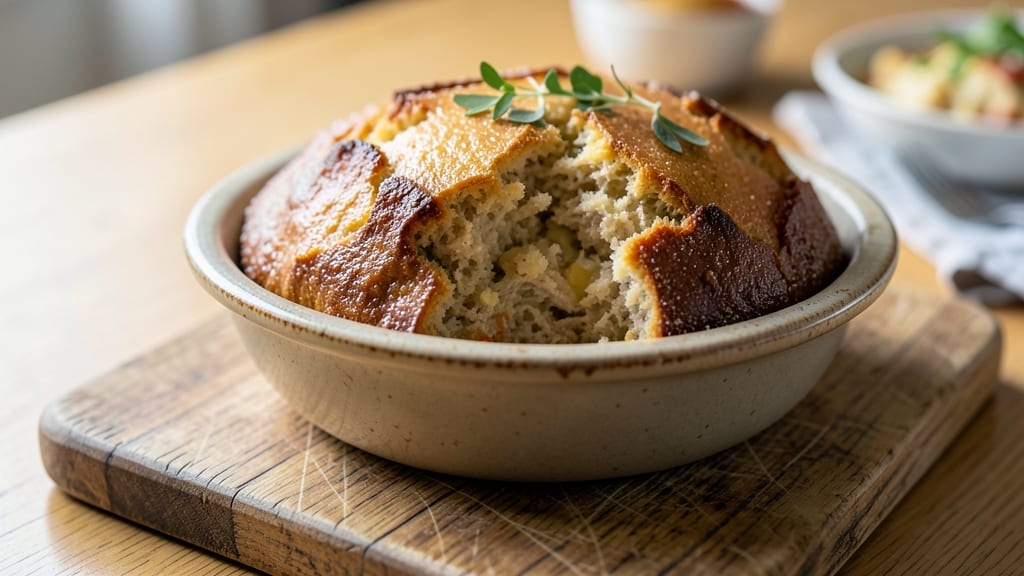
This Azores sweet bread recipe brings the warm, cinnamon-kissed aroma of Portugal's Azores islands right to your kitchen. 🌟 The secret lies in its signature pillowy softness and delicate sweetness, achieved through a precise blend of flour, butter, and a touch of citrus zest that brightens every bite.
I've perfected this recipe after years of baking, ensuring the rolls rise just right and develop that signature caramelized crust when baked.
What makes these rolls truly special is their cultural heritage—each batch carries the tradition of Azorean sweet bread, often enjoyed with tea or as a dessert. The dough requires patience, with a long fermentation time that develops deep flavor and a tender crumb.
While the process might seem involved, the results are worth every minute of waiting, delivering rolls that are impossibly soft yet sturdy enough to hold their shape.
The final product is a tray of golden-brown rolls with a fragrant cinnamon aroma that fills your home. Their buttery richness pairs beautifully with a steaming cup of tea or coffee, making them perfect for breakfast or an afternoon treat.
The texture is what truly sets them apart—crisp edges give way to a melt-in-your-mouth center that dissolves with every bite.
This recipe serves as a wonderful way to connect with Azorean culture while creating something delicious for your table. Whether you're baking for a special occasion or simply craving a taste of Portugal, these rolls are sure to impress.
Let's get started on bringing this tradition to life in your kitchen.
Ingredients for azores sweet bread
Twelve simple ingredients transform into golden Azorean rolls with melt-in-your-mouth centers.
| Ingredient | Amount | Notes |
|---|---|---|
| All-Purpose Flour 🌾 | 5 cups | Sifted for light texture |
| Unsalted Butter 🧈 | 1 cup | Cold, cubed for dough |
| Granulated Sugar 🍚 | ½ cup | For subtle sweetness |
| Large Eggs 🥚 | 2 whole | Room temperature |
| Instant Yeast 🍞 | 2 tsps | Active dry works too |
| Warm Milk 🥛 | 1 cup | 110°F for activation |
| Ground Cinnamon 🌶️ | 2 tsps | True Azorean flavor |
| Salt 🧂 | ½ tsp | Kosher or sea salt |
| Lemon Zest 🍋 | 1 tbsp | Bright citrus touch |
| Vanilla Extract 🌸 | 1 tsp | Pure vanilla preferred |
| Whole Milk 🥛 | ¼ cup | For brushing rolls |
| Coarse Sugar 🍚 | ¼ cup | For caramelized crust |
The flour is non-negotiable here—King Arthur or Gold Medal gives that signature tender crumb. Butter matters too: Plugrá or Land O'Lakes work, but nothing beats European-style unsalted for flavor. I always grab mine from Whole Foods bulk bins (the coldest part of the store) to keep it fresh. The yeast? FreshPack is my go-to—it activates faster than those little packets. For the cinnamon, McCormick ground is reliable, but Azorean markets sometimes carry whole sticks for grinding—worth hunting if you're near one. Lemon zest? Use a microplane for the finest texture, and don't skip the pith—it adds depth.
No vanilla extract? Vanilla bean paste works too, or even a scraped vanilla bean if you're feeling fancy. Short on coarse sugar? Brown sugar works in a pinch, though it'll be less crisp. The milk can be any kind—whole gives richness, but 2% is fine too. For the dough, I've used whole wheat flour at 10% substitution without issues, though the texture changes slightly. If you're baking at high altitude, reduce the yeast by 1/4 tsp—the dough will rise slower but still develop that signature pillowy texture. And trust me on the cold butter—it's worth the extra minute to cut it into cubes before mixing.
This dough needs time—at least 2 hours at room temp before shaping. Cover it with a damp towel so it doesn't dry out. Once shaped, the rolls keep 3 days in an airtight container at room temp, or 2 weeks in the fridge. For freezing, shape them first, then freeze on a tray before transferring to a bag. Reheat straight from frozen at 350°F for 15-20 minutes—they'll be just as tender. I always make a double batch because they disappear fast, especially when paired with that first cup of morning coffee.
Why You'll Love This Recipe
- No-Knead Magic: This dough comes together in minutes—just mix, let it rise, and bake. Honestly, I’ve made it while chatting with my neighbor; no fancy skills needed.
- Buttery Sweet Payoff: That rich butter and sugar combo? It’s like a hug for your taste buds. The crust gets golden and crisp, while the inside stays tender—exactly what you want in a sweet bread.
- Breakfast to Brunch Hero: Slice it fresh for toast with jam, or reheat leftovers for a quick snack. My kids ask for it at school lunches, and I’ve even used it as a base for mini French toast.
- Budget-Friendly Staple: Uses pantry basics—flour, eggs, butter—so it’s cheap to make. Plus, it keeps well for days, meaning fewer grocery runs and more time for other things. (Yes, even on a Tuesday night.)
Step-by-step instructions for Azores sweet bread
Here's how to make these tender, cinnamon-kissed rolls with a crispy caramelized top.
👨🍳 Step 1: Activate the Yeast and Mix the Dough Base
In a small bowl, whisk together the 1 cup warm milk (about 110°F—test by dropping a few drops on your wrist), 0.5 cup granulated sugar, and 2 tsps instant yeast. Let it sit for 5-10 minutes until foamy. This step ensures your yeast is active and ready to work its magic.
In a large bowl, combine the 5 cups all-purpose flour (sifted for lightness), 2 tsps ground cinnamon, 0.5 tsp salt, and 1 tbsp lemon zest. Make a well in the center and pour in the yeast mixture along with the 2 whole eggs and 1 tsp vanilla extract. Mix with a wooden spoon until a shaggy dough forms.
🍳 Step 2: Incorporate the Butter and Knead
Cut the 1 cup cold unsalted butter into small cubes and add them to the dough. Use your hands or a dough hook to knead until the butter is fully incorporated and the dough becomes smooth and elastic. This should take about 5-7 minutes—you're looking for a dough that's soft but not sticky.
If the dough feels too dry, add 1 tablespoon of the warm milk at a time until it comes together nicely. The butter should be evenly distributed, creating pockets of flavor that will melt into the rolls during baking. Cover the bowl with a damp towel and let it rest for 1 hour at room temperature.
🥘 Step 3: Shape and Proof the Rolls
After the dough has rested, turn it out onto a lightly floured surface and gently shape it into a rectangle about 12x10 inches. Roll it out until it's about ½-inch thick. Using a sharp knife or pizza cutter, divide the dough into 12 equal-sized rectangles—these will become your rolls.
Roll each rectangle tightly into a log, tucking the ends under to seal. Place them seam-side down in a greased 9x13-inch baking dish, spacing them about 1 inch apart. Cover the dish with a damp towel and let them proof for 30-45 minutes until they've nearly doubled in size. You'll know they're ready when they look puffy and slightly domed.
🔥 Step 4: Bake to Golden Perfection
Preheat your oven to 375°F. Brush the tops of the rolls with the 0.25 cup whole milk and sprinkle them evenly with the 0.25 cup coarse sugar. Bake for 20-25 minutes until the rolls are golden brown and the sugar has caramelized into a glossy crust.
Here's the thing—don't overbake. You want the rolls to be soft and pillowy inside with just a hint of crispness on top. The moment they look beautifully browned and smell like cinnamon and vanilla, pull them out. Let them cool in the pan for 5 minutes before transferring to a wire rack to finish cooling.
⏰ Step 5: Serve Warm for Maximum Joy
These rolls are best served warm, straight from the oven. The caramelized sugar crust will be slightly sticky, and the cinnamon-infused dough will be soft and tender. Serve them with a pat of butter melting on top or with a cup of coffee for that classic Azores experience.
If you have leftovers, store them in an airtight container at room temperature for up to 2 days. To reheat, wrap them in a damp towel and warm in a 350°F oven for 10 minutes to restore their softness. Trust me, they'll taste just as good the second time around!
Pro Tips For Making Azores Sweet Bread
- SOFTEN THE BUTTER FIRST: I learned this the hard way—trying to mix cold butter into the dough makes it fight you every step. Let the unsalted butter sit at room temperature for at least 2 hours (or microwave it in 10-second bursts until it’s pliable but not melted). The dough will be smoother, and you’ll avoid overworking the flour.
- WEIGH THE FLOUR: Scooping flour from the bag is a recipe for disaster—your Azores bread will turn out denser or drier than expected. Use a kitchen scale for precision (about 450 grams for most recipes) and spoon it into the measuring cup instead of scooping. Less guesswork, better texture.
- DON’T OVERMIX THE DOUGH: After adding the yeast, resist the urge to punch and fold the dough like you’re punishing it. Mix just until the flour is mostly incorporated, then let the machine (or your arm) do the work during the first rise. Overmixing develops gluten too early, and your bread will turn out tough instead of tender.
- EGG TEMP MATTERS: Cold eggs straight from the fridge can shock the yeast and slow fermentation. Let the eggs sit in warm water for 5 minutes before cracking them into the dough. The yeast will activate faster, and your bread will rise more evenly—no waiting around for a second rise that feels like forever.
Pro cooking tips for great azores sweet bread
Dough Temperature
The secret to perfect Azores sweet bread lies in keeping your dough at a consistent 75-78°F during the initial rise. Use a kitchen thermometer to check the dough's temperature—if it's too warm, it'll rise too fast and collapse.
I always place my dough bowl on top of my oven with the light on (no heat) to maintain this ideal temperature. This slow, controlled rise develops the best flavor and texture. 🌡️
Butter Incorporation
Cold butter is non-negotiable here—it creates those signature pockets of flavor that melt during baking. Cut your 1 cup unsalted butter into ½-inch cubes and work them into the dough gently.
If your dough feels too dry after kneading, add 1 tbsp warm milk at a time until it comes together smoothly. The butter should be evenly distributed but still visible in small patches when you press your finger into the dough. This ensures maximum flavor infusion.
Proofing Perfection
Don't rush the proofing stage! Your rolls need 30-45 minutes to rise until they're nearly doubled in size. Place them in a warm spot (I use my oven with the light on again) and cover them with a damp towel to prevent drying.
The ideal proofed rolls should be puffy with slightly rounded tops—press one gently to test: if it springs back slowly, they're ready. Overproofing leads to dense, flat rolls, so keep an eye on them.
Sugar Caramelization
That beautiful caramelized crust comes from the coarse sugar sprinkled before baking. Use turbinado or raw cane sugar for the best texture—it won't dissolve as quickly as white sugar. Brush the tops with ¼ cup whole milk first to help the sugar melt and stick.
Bake until the sugar turns golden brown, but pull them out immediately when they look perfect—they'll continue caramelizing while cooling. This step makes all the difference in that signature Azorean texture.
Oven Preheating
Always preheat your oven to 375°F for at least 20 minutes before baking. I place a baking sheet on the middle rack while preheating to ensure even heat distribution.
The oven should be fully hot when you put your rolls in—this helps create that crisp caramelized crust while keeping the centers soft. If your oven runs hot, reduce the temperature to 350°F and check for doneness at 20 minutes.
Resting After Baking
Let your rolls cool in the pan for 5 minutes before transferring them to a wire rack. This resting time allows the steam inside to redistribute, preventing them from becoming gummy. The caramelized sugar will firm up slightly during this time, creating that perfect balance of crisp and tender.
I always serve them warm from the oven—this is when they're at their absolute best, with that melt-in-your-mouth texture we all love. 💫
Nutrition facts
Frequently asked questions
Can I make this Azores sweet bread without a stand mixer?
This recipe works perfectly by hand. Use a wooden spoon or your hands to mix the dough initially, then knead it on a lightly floured surface for about 5-7 minutes until smooth and elastic. The key is to work the cold butter into the dough gently—this creates those signature flavor pockets without needing a mixer.
Why does my dough feel too sticky or dry?
Sticky dough usually means you need more flour (add 1 tbsp at a time), while dry dough needs 1 tbsp warm milk at a time. The ideal dough should be soft but not sticky—press your finger in and it should spring back slowly. Remember, the butter should be cold and cubed, not melted, to prevent excessive stickiness.
How do I know when the rolls are fully proofed?
Gently press one roll—if it springs back slowly (not too fast), it's ready. The rolls should nearly double in size and look puffy with slightly rounded tops. Proofing takes 30-45 minutes in a warm spot (like your oven with the light on). Overproofing makes them dense, so keep an eye on them!
Can I make these rolls ahead of time?
Yes! Shape the rolls and refrigerate them overnight (up to 2 days) before baking. The next morning, let them proof at room temperature for 1-1.5 hours before baking as directed. For freezing, shape the rolls, place them on a tray, freeze solid, then transfer to a bag. Bake straight from frozen at 350°F for 25-30 minutes—they'll still be tender!
What's the difference between Azores sweet bread and Portuguese sweet bread?
While similar, Azores sweet bread often includes lemon zest and a lighter texture from more butter and less sugar. Portuguese sweet bread (like Pão de Deus) may use anise or orange blossom water and sometimes includes nuts. The Azorean version focuses on buttery softness with cinnamon and citrus for brightness.