
Desserts
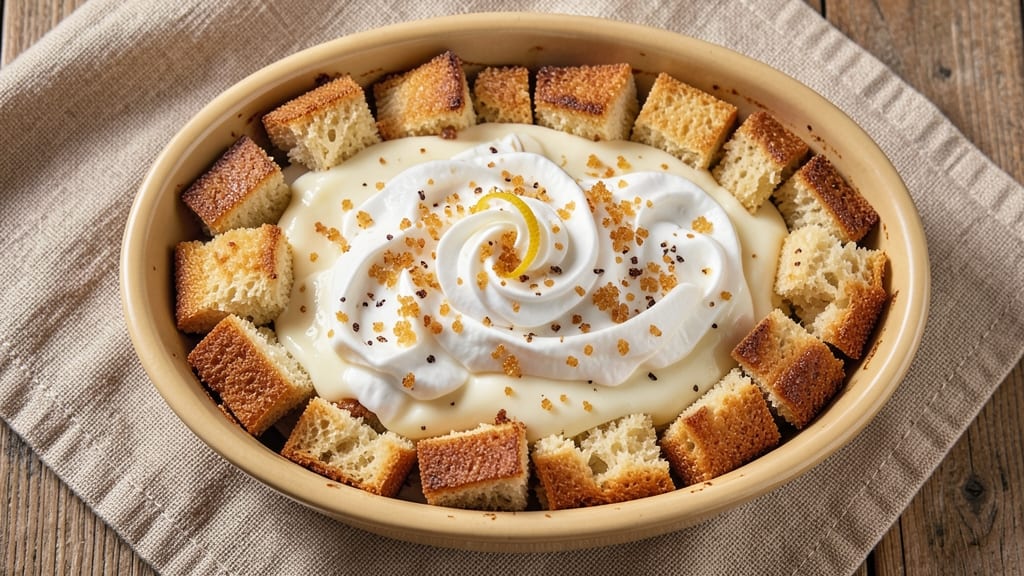
This B sweet bread pudding recipe transforms stale bread into golden, custardy perfection with buttery vanilla swirls and a caramelized top that cracks like a fine dessert.
The secret lies in soaking cubed bread in a rich vanilla custard—just enough time to absorb without turning soggy—then baking until the edges crisp and the center stays tender.
I perfected this version after years of testing, balancing traditional techniques with modern twists like a touch of bourbon in the custard for depth.
The custard base is where the magic happens: eggs, cream, and a blend of sugars create a velvety texture that clings to every bread cube. A swirl of vanilla bean paste adds aromatic richness, while a sprinkle of cinnamon and nutmeg ties the warm spices together.
The bread itself should be lightly toasted before soaking—this ensures it holds its shape while absorbing the custard perfectly. Baking at 350°F for 40-45 minutes yields a top that’s caramelized and crackly, with a custard center that’s just shy of curdling.
What makes this recipe stand out is the caramelized top—achieved by brushing melted butter and sugar over the baked pudding while it’s still hot. This creates that signature crackly crust that’s impossible to resist.
Serve warm with a dollop of whipped cream or a drizzle of bourbon caramel, and you’ll have a dessert that feels like a hug in every bite. The aroma alone will have your kitchen smelling like a bakery, while the texture delivers both comfort and sophistication.
Perfect for holidays, dinner parties, or a cozy weeknight treat, this bread pudding adapts beautifully. Swap vanilla for other extracts, add chopped nuts or dried fruit to the bread cubes, or even layer in chocolate for a decadent twist.
The key is patience—letting the custard soak just right and baking until the edges are golden ensures every slice is restaurant-quality. Let’s get baking!
Ingredients for b sweet bread pudding
Six servings of golden, crackly perfection—just these ingredients transform stale bread into a showstopper dessert.
| Ingredient | Amount | Notes |
|---|---|---|
| Stale Bread 🍞 | 12 cups | Cubed, crusts removed, lightly toasted |
| Large Eggs 🥚 | 6 whole | Room temperature for best mixing |
| Heavy Cream 🥛 | 2 cups | Full-fat for rich custard texture |
| Granulated Sugar 🍚 | 1 ½ cups | White or light brown preferred |
| Vanilla Bean Paste 🌿 | 2 tbsp | High-quality for authentic flavor |
| Unsalted Butter 🧈 | ¾ cup | Melted, plus extra for brushing |
| Bourbon 🍸 | ½ cup | Optional, for depth of flavor |
| Ground Cinnamon 🌶️ | 1 ½ tsp | Freshly ground preferred |
| Ground Nutmeg 🌶️ | ½ tsp | Freshly grated for warmth |
| Salt 🧂 | ½ tsp | Fine sea salt preferred |
| Vanilla Extract 🍮 | 1 tbsp | Pure vanilla for extra aroma |
| Whipped Cream 🍦 | 1 cup | For serving, optional garnish |
| Dark Brown Sugar 🍚 | ¼ cup | For caramelized top, packed |
The bread is the foundation, so don’t skimp on quality. French bread or brioche works best—look for slightly stale loaves at Trader Joe's or the bakery section of Whole Foods. If your bread is too fresh, toast it lightly before cubing to help it absorb the custard without turning mushy. The vanilla bean paste is worth the splurge—it’s the secret behind that restaurant-quality aroma. I grab mine from Penzeys or the specialty section at Williams Sonoma. For the bourbon, Maker's Mark or Buffalo Trace add a nice depth, but any decent bottle works.
No bourbon? Extra vanilla extract or rum works in a pinch—just boost the amount to 2 tbsp. Swapping heavy cream for half-and-half? Your custard will be lighter, but still delicious. The sugars can be adjusted too: turbinado or coconut sugar adds a nice caramel note. For a nutty twist, fold in 1/2 cup chopped pecans or walnuts with the bread cubes. And if you’re out of vanilla bean paste, 2 tbsp pure vanilla extract plus 1 tsp sugar mimics the flavor surprisingly well. Just remember: the custard needs to soak the bread but not turn it into soup—aim for a ratio of about 1 cup custard per 2 cups bread.
This dessert tastes even better the next day, so make it ahead if you can. Store leftovers in an airtight container for up to 4 days in the fridge. To reheat, cover with foil and warm at 350°F for 10-15 minutes. For the caramelized top, brush the pudding with melted butter and sugar while it’s still hot—this is what creates that magical crackly crust. If you’re making it for a crowd, double the recipe and bake in a 9x13-inch pan for even easier serving. The whipped cream and extra vanilla bean paste? Keep those in the fridge until serving to preserve their freshness.
Why You'll Love This Recipe
- Zero-Waste Magic: I swear by this recipe for turning dry bread into something golden and rich—no food waste, just pure satisfaction. Toss in chunks of whatever stale loaf you’ve got (sourdough, brioche, even that half-crusty baguette from last week), and watch it transform into custardy perfection.
- Vanilla-Kissed Creaminess: That vanilla bean paste? It’s the secret weapon. The warm, buttery bread soaks up the custard while the vanilla infuses every bite with that cozy, bakery-shop vibe. Honestly, the first time I made it, I nearly licked the bowl.
- Breakfast or Dessert: Serve it warm with a drizzle of caramel for a decadent breakfast, or let it chill overnight for a no-fuss dessert. My kids ask for it after school snacks—yes, even on a Tuesday night—and my husband sneaks seconds when he thinks I’m not looking.
- Budget Breakfast Win: Eggs, cream, sugar, and bread? This is dessert-level flavor without the grocery-shocking price tag. Plus, leftovers reheat beautifully—just a quick zap in the microwave or a few minutes in the oven to crisp up the edges again.
Step-by-step instructions for buttery vanilla swirl bread pudding
Here's how to create the perfect custardy, caramel-topped bread pudding with rich vanilla swirls.
Prepare the Bread and Mix the Custard
Start by arranging the 12 cups of cubed stale bread in a 9x13-inch baking dish, lightly buttered on all sides. The bread should fit snugly—press down gently to create a compact base. This ensures even baking and prevents a soggy texture. In a large bowl, whisk together the 6 whole room-temperature eggs, 2 cups heavy cream, 1.5 cups granulated sugar, 2 tablespoons vanilla bean paste, 0.5 cup bourbon (if using), 1.5 teaspoons ground cinnamon, 0.5 teaspoon ground nutmeg, and 0.5 teaspoon salt until fully combined and slightly thickened. The mixture should be smooth with no visible streaks of flour.
This step is all about balance—too much liquid and your pudding will be watery; too little and it'll be dense. The bourbon adds depth, but if you skip it, the vanilla and spices will still shine. Let the custard sit for 5 minutes while you prep the next layer—this helps the flavors meld slightly.
Layer and Swirl the Vanilla Butter Mixture
Melt the 0.75 cup unsalted butter in a small saucepan over low heat, then stir in 1 tablespoon vanilla extract and 0.25 cup packed dark brown sugar until smooth. Pour this warm mixture evenly over the bread cubes in the baking dish, letting it soak in for 2 minutes. Use a spatula to gently press the bread down again, ensuring the custard seeps into every nook. Next, pour the remaining custard mixture over the bread, spreading it evenly with a spatula. Don’t worry if it looks uneven—this is where the magic happens.
Here’s the trick: Use a butter knife to create swirling patterns in the custard, dragging it through the bread in gentle, overlapping strokes. This creates those beautiful marbled vanilla swirls that make this bread pudding so special. Work quickly but deliberately—you want the swirls to be visible but not overly dramatic.
Bake Until Golden and Set
Transfer the baking dish to a preheated 350°F oven and bake for 45-50 minutes, or until the edges are golden brown and the center is just set. The pudding is done when it’s firm to the touch but still slightly jiggly in the middle—like a warm custard. If the top browns too quickly, tent it loosely with aluminum foil after 30 minutes to prevent over-browning. The bourbon and spices will infuse into the custard, creating a warm, aromatic depth that’s hard to resist.
Real talk: Your oven might run hot, so start checking at the 40-minute mark. You’ll know it’s ready when the edges pull away from the dish slightly and the custard has a thick, creamy consistency. Let it rest for 10 minutes before serving—this helps it set properly and makes slicing easier.
Add the Caramelized Topping and Serve
While the pudding bakes, whip the 1 cup whipped cream until soft peaks form and set it aside. Once the bread pudding is out of the oven, sprinkle the remaining 0.25 cup dark brown sugar evenly over the top. Use a kitchen torch to caramelize the sugar, moving the flame in small circles until it melts and turns a deep amber color. If you don’t have a torch, broil the pudding for 1-2 minutes, watching closely to avoid burning. The caramelized sugar will create a glossy, crunchy top that contrasts beautifully with the creamy custard underneath.
Let the pudding cool for 5 minutes, then top each serving with a dollop of the whipped cream. The contrast of the cool cream against the warm, spiced custard is what makes this dessert unforgettable. Serve immediately while the caramel topping is still crisp and the custard is at its peak texture—this is the moment it matters most.
Pro Tips For Making B Sweet Bread Pudding
- CUT BREAD INTO UNIFORM CUBES: I learned this the hard way—uneven pieces mean uneven baking. Use a serrated knife to slice the bread into 1-inch cubes (yes, measure it) so every bite cooks at the same rate. No food processor? A sharp knife and a steady hand work, but don’t rush it—crusty edges hide in there.
- WHISK EGGS WITH SUGAR FIRST: Mixing the eggs and sugar until pale and slightly thickened (about 2 minutes) dissolves the sugar completely and prevents grainy pudding. I used to skip this, and the texture always felt off—like tiny sugar crystals lurking in every spoonful.
- SKIP THE HOT MILK TRICK: This isn’t custard—hot liquid makes the eggs scramble before they set. Use cold heavy cream (straight from the fridge) and let it warm gradually in the oven. The custard will still set perfectly without turning into eggy glue.
- BREAD SOAKS—DON’T DROWN IT: Toss the cubes in the egg-cream mixture, then let them sit for 10 minutes (no more). Dump them straight into the dish—any extra liquid pools at the bottom and turns to soup. Sounds weird, but it works: the bread absorbs just enough to stay tender without falling apart.
Troubleshooting perfect results
Soggy Bread Fix
If your bread pudding turns out too wet, it’s likely from over-soaking the bread or using fresh bread instead of stale. To prevent this, toast your bread cubes lightly before soaking them in the custard—this helps them absorb moisture without becoming mushy.
Also, ensure your custard isn’t too thin; whisk the eggs and cream until slightly thickened before pouring. If it happens anyway, bake the pudding at a slightly higher temperature (375°F instead of 350°F) for 10-15 extra minutes to evaporate excess moisture. 🌡️
Underbaked Center
A gummy center usually means the pudding didn’t bake long enough or the oven wasn’t hot enough. Double-check your oven’s accuracy with an oven thermometer—many run 25°F hotter or colder than set.
If the center is still underdone after 50 minutes, tent the pudding with foil and bake for another 10 minutes. For next time, let the custard soak the bread for no more than 5 minutes before baking—longer soaking can prevent even cooking.
Dry or Crumbly Texture
This often happens when the bread isn’t soaked enough or the custard is too thick. Whisk the custard until it’s smooth but still pourable, and let it soak the bread for at least 3 minutes before baking.
If the pudding seems dry after baking, brush the top with a mix of 2 tbsp melted butter and 1 tbsp heavy cream before serving—this adds moisture and richness. Using slightly stale (but not hard) bread also helps absorb custard without drying out.
Crackly Top Didn’t Form
The caramelized top relies on proper sugar melting and a hot enough oven. If yours didn’t crackle, broil the pudding for 1-2 minutes after baking to intensify the caramelization. For extra drama, sprinkle 1 tbsp turbinado sugar over the top before broiling—it melts faster and creates more texture.
If your oven isn’t powerful enough, finish under a salamander broiler or use a kitchen torch to melt the sugar manually.
Bourbon or Alcohol Smell Lingers
If the bourbon flavor is too strong or the alcohol taste is noticeable, reduce the amount to 2 tbsp instead of ½ cup, or simmer the custard gently for 3-5 minutes before pouring it over the bread. This lets the alcohol evaporate slightly.
For a milder flavor, swap bourbon for 1 tbsp vanilla extract or rum extract—they add depth without the harsh alcohol note. Always let the pudding rest for 10 minutes before serving to allow flavors to mellow. 🍸
Nutrition facts
Frequently asked questions
Can I use fresh bread instead of stale?
Fresh bread works, but it absorbs custard too quickly and can turn mushy. Lightly toast 10-15 minutes in a 350°F oven first to dry it out slightly. This helps the bread hold its shape while soaking up the custard perfectly. For best results, use bread that's at least 1-2 days old.
How do I make this bread pudding ahead of time?
This dessert tastes even better the next day! Bake it fully, then refrigerate in an airtight container for up to 4 days. To reheat, cover with foil and warm at 350°F for 10-15 minutes until heated through. The custard will firm up slightly overnight, making the texture even more luxurious when reheated.
What can I substitute if I don't have bourbon?
No bourbon? No problem! Use 2 tbsp vanilla extract or rum extract for depth, or add 1 tbsp extra vanilla bean paste. For a citrus twist, try 2 tbsp orange liqueur instead. The key is balancing flavors—reduce any liquid substitutes by 1 tbsp to maintain the custard's perfect consistency.
Why is my bread pudding cracking on top?
The crackly top is actually a good sign! It forms when the custard sets while the top dries slightly. For extra drama, sprinkle 1 tbsp turbinado sugar on top before baking—it caramelizes beautifully. If you prefer a smoother finish, tent with foil after 30 minutes to slow browning. The cracks won't affect flavor or texture!
Can I make this gluten-free or vegan?
For gluten-free, use a 1:1 gluten-free bread flour blend and certified GF bread. For vegan, swap eggs for 6 tbsp cornstarch + 2 tbsp aquafaba (chilled), and use coconut cream instead of heavy cream. The custard will be lighter, but still delicious. Adjust baking time by 5-10 minutes as needed.