
Desserts
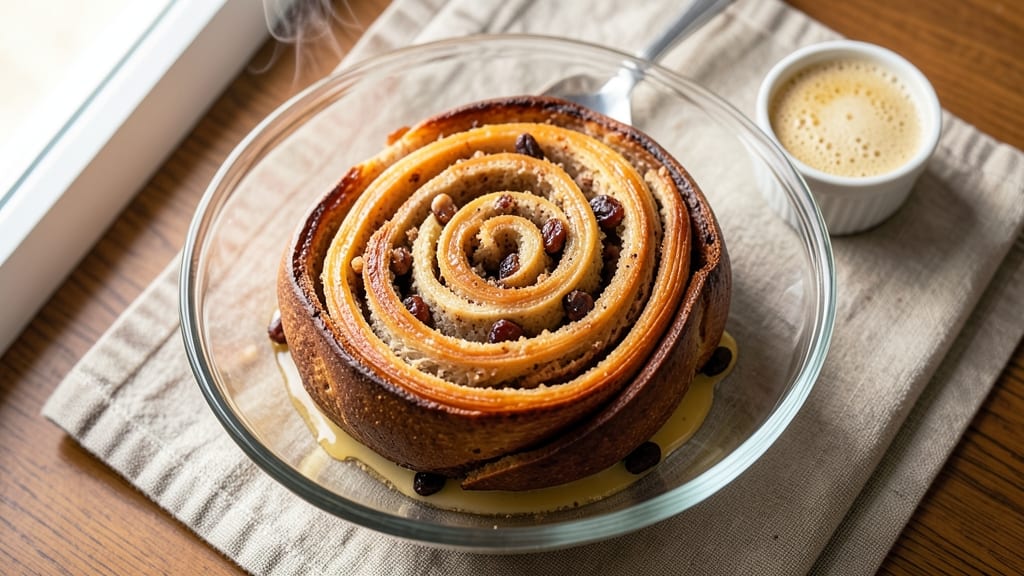
This babka bread recipe with yeast delivers the perfect balance of tender, swirled layers that stay fresh for days—no bakery needed. The secret lies in a slow yeast activation and careful layering of vanilla buttercream and rich chocolate ganache, creating those iconic swirls that make babka irresistible.
I’ve perfected this recipe over years of baking, ensuring every slice has that signature flaky texture and rich flavor.
What sets this recipe apart is the foolproof yeast technique—activating the yeast in warm milk creates a light, airy dough that rises beautifully. The filling is where the magic happens: a velvety vanilla buttercream paired with a deep, fudgy chocolate layer that contrasts perfectly.
Shaping the dough into a braid ensures those signature swirls, while a golden egg wash gives it that bakery-fresh shine.
By the time it emerges from the oven, you’ll have a babka with a crisp exterior and a moist, tender interior, where every bite reveals layers of vanilla and chocolate.
The aroma alone will fill your kitchen with warmth, and the texture—flaky yet soft—is pure comfort. This isn’t just dessert; it’s a showstopper that’ll have everyone asking for seconds.
Serve it fresh from the oven with a dusting of powdered sugar or save slices for days—they stay moist and delicious. Whether you’re baking for a celebration or treating yourself, this babka is a restaurant-quality dessert you can make at home. Let’s get started!
Ingredients for babka bread recipe with yeast
Eight slices of swirled heaven—just these ingredients transform simple dough into bakery-worthy babka.
| Ingredient | Amount | Notes |
|---|---|---|
| All-Purpose Flour 🌾 | 4 cups | Sifted for lighter texture |
| Granulated Sugar 🍚 | ½ cup | White or light brown |
| Active Dry Yeast 🍞 | 2 ¼ tsp | Freshly opened, room temp |
| Salt 🧂 | ½ tsp | Diamond Crystal preferred |
| Whole Milk 🥛 | ¾ cup | Warmed to 110°F |
| Large Eggs 🥚 | 1 whole | Room temperature |
| Unsalted Butter 🧈 | 1 cup | Cold, cubed, full-fat |
| Vanilla Extract 🌸 | 1 tbsp | Pure, high-quality |
| Chocolate Ganache 🍫 | 1 cup | Cooled, semi-solid |
| Vanilla Buttercream 🍰 | 1 ½ cups | Room temperature |
| Powdered Sugar 🍚 | ¼ cup | For dusting |
| Large Egg Yolk 🥚 | 1 whole | For egg wash |
| Semisweet Chocolate Chips 🍫 | ½ cup | For filling option |
The yeast is non-negotiable here—King Arthur or Bob’s Red Mill are my go-tos for reliable activation. Warm the milk to 110°F (like a warm bath, not boiling) to gently wake the yeast. The butter should be cold and cubed—this creates those flaky layers. I always buy Land O’Lakes unsalted butter because it’s consistent. For the chocolate ganache, use Ghirardelli squares—they melt smoothly without graininess. Pro tip: measure flour by spooning it into the cup and leveling, don’t scoop directly from the bag.
No vanilla extract? Vanilla bean paste works too, but pure extract is ideal. Short on buttercream? Whipped cream with vanilla sugar is a quick swap (though less stable). The chocolate chips can be swapped for nutella or melted chocolate bars if you're in a pinch. For a richer dough, add 1 tbsp sour cream to the wet ingredients—it keeps the crumb ultra-tender. If your kitchen’s cold, let the dough rest 30 minutes longer before shaping; it’ll thank you with better swirls.
This babka stays fresh for 5 days wrapped in plastic, but the magic happens after 24 hours—the flavors meld beautifully. Freeze slices for up to 3 months by wrapping them individually in parchment. To reheat, warm at 300°F for 5 minutes—no microwave! I always bake an extra loaf because it disappears faster than I can say ‘seconds, please.’ Store the egg wash separately if you’re prepping ahead—it’s the secret to that golden shine.
Why You'll Love This Recipe
- No-Knead, No-Fuss Rise: I swear by this dough—just mix the warm milk with yeast, let it sit while you measure the flour, then fold it together. No stand mixer, no waiting for gluten to develop, just a lazy, happy dough that rises while you watch TV.
- Sweet Swirl Magic: That sugar doesn’t just sweeten—it caramelizes just enough during baking to give you a crispy, golden crust with a tender, buttery center. Honestly, the first time I cut into it, I nearly burned myself reaching for another slice.
- Breakfast to Dessert: Make it for Sunday brunch with jam and butter, or save half for midnight cravings with a smear of Nutella. My kids grab it for school lunches, and I sneak bites when they’re not looking—it’s that good.
- Pantry Staple Power: Five ingredients, no specialty items. The milk and sugar are already in your fridge and cabinet, and the yeast? One packet lasts for three loaves. Between us, this is the kind of recipe that makes you feel like a baker without the grocery list panic.
Step-by-step instructions for babka bread with yeast
Here's how to create rich, swirled layers that stay fresh for days.
Prepare the Yeast Dough
In a small bowl, whisk together the 0.75 cup warm whole milk, 0.5 cup granulated sugar, and 2.25 tsp active dry yeast. Let it sit for 5-10 minutes until it becomes frothy and bubbly—this is your signal the yeast is active. If it doesn't bubble, your yeast might be old or the milk too hot.
In a large mixing bowl, combine the 4 cups all-purpose flour and 0.5 tsp salt. Make a well in the center and pour in the yeast mixture along with the 1 whole large egg and 1 tbsp vanilla extract. Mix with a wooden spoon until a shaggy dough forms. Knead by hand for 8-10 minutes until smooth and elastic, adding a splash of milk if needed to prevent sticking.
Incorporate Cold Butter and First Rise
Cut the 1 cup cold unsalted butter into small cubes and distribute them evenly over the dough. Fold the dough over itself repeatedly for 5 minutes until the butter is fully incorporated and the dough becomes silky and slightly sticky. This cold butter method creates those signature flaky layers.
Shape the dough into a ball, place it in a lightly oiled bowl, cover with a damp towel, and let it rise in a warm place for 1-1.5 hours or until doubled in size. The dough should feel light and springy when pressed gently—this is when it's ready for shaping.
Shape and Fill the Babka
Divide the risen dough into three equal portions. Roll each portion into a 12x10-inch rectangle on a lightly floured surface. Spread 0.5 cup semisweet chocolate chips evenly over one rectangle and 1.5 cups vanilla buttercream over another, leaving the third plain. Roll each filled rectangle tightly into a log, then place all three side by side in a 9x13-inch loaf pan.
Using a sharp knife, make a 1-inch deep cut down the center of the three logs to create a well. Gently press the logs together to form a single loaf, then twist them gently to create the classic babka swirl. Brush the top with the 1 whole large egg yolk mixed with a teaspoon of water for a golden finish.
Second Rise and Bake
Cover the babka with a damp towel and let it rise for another 45-60 minutes until it's puffy and nearly doubled in size. Preheat your oven to 350°F and place a baking sheet on the middle rack to catch any drips. Bake for 40-45 minutes until the top is deep golden brown and the internal temperature reaches 190°F.
While baking, the babka will rise dramatically and develop a crackly, caramelized crust. If the top browns too quickly, tent loosely with foil. Remove from the oven and let it cool in the pan for 10 minutes before transferring to a wire rack. Once completely cooled, spread the 1 cup chocolate ganache over the top for that classic glossy finish.
Dust and Serve
Once the ganache has set and the babka has cooled completely, dust the top generously with 0.25 cup powdered sugar using a fine-mesh sieve. This creates that signature snowy appearance while adding sweetness. Slice with a serrated knife for clean, professional-looking pieces that reveal those beautiful swirled layers.
Serve at room temperature for the best texture—warm babka can be slightly gummy. Store wrapped at room temperature for up to 3 days or refrigerate for up to 1 week. The ganache layer will keep it moist, and the buttercream filling ensures every bite is rich and flavorful.
Pro Tips For Making Babka Bread Recipe With Yeast
- Test Yeast First: I learned this the hard way—skip it, and you’ll waste hours waiting for dough that never rises. Mix 1 teaspoon yeast with ¼ cup warm milk (110°F) and 1 teaspoon sugar, then let it sit for 5-10 minutes. If it doesn’t bubble vigorously, toss that packet and start fresh.
- Weigh Your Flour: That "cup" of flour in your measuring cup isn’t fooling anyone—it’s packing differently every time. Use a kitchen scale for the dough and filling; 450g flour for the dough and 200g sugar for the filling will give you consistent, reliable results. (Yes, even if you’re impatient like me.)
- Chill the Dough Twice: First, let it rise at room temp until puffy—about 1-1.5 hours. Then, refrigerate it overnight (8-12 hours). This isn’t just about convenience; it develops flavor and makes the final shaping and swirling so much easier. Trust me, your babka will taste richer.
- Brush Less, Bake Better: You don’t need to drown the bread in egg wash before baking. Lightly brush the top with egg wash (1 egg + 1 tbsp milk) after it’s been in the oven for 10 minutes—just enough to set a golden crust without making it soggy. The rest of the browning comes from steam, not glaze.
Regional styles of this babka bread recipe with yeast
Polish Roots
Babka originated in Poland as a sweet, braided bread called "babka chrzanowa" (horseradish babka), traditionally served at Easter. The version we know today—with chocolate and vanilla swirls—evolved in Jewish communities during the 19th century, especially in Poland and Ukraine.
The name "babka" means "grandma" in Polish, reflecting its comforting, homemade nature. 🌍
Jewish Adaptations
Jewish bakers transformed babka into the decadent dessert we love today, often using chocolate and cinnamon fillings. In New York, bakeries like Ess-a-Bagel and St. Vitus Bakery popularized it as a brunch staple.
The classic vanilla-chocolate combo became iconic, though some versions include poppy seeds or walnuts for texture. I’ve made mine with matcha buttercream for a modern twist.
Ukrainian Variations
Ukrainian babka, or "babka z syrem", often features farmer’s cheese (tvorog) and poppy seeds instead of buttercream. The dough is lighter, almost like a brioche, and the swirls are tighter.
For a hybrid version, try replacing 0.5 cup of butter with tvorog—it adds a tangy richness. The texture becomes slightly denser but still flaky.
Modern Twists
Today’s babkas push boundaries with flavors like cardamom-peanut butter, strawberry jam, or even salted caramel. I’ve experimented with espresso-infused chocolate ganache—it deepens the chocolate flavor beautifully.
For a gluten-free option, swap 1 cup of flour for a 1:1 gluten-free blend (like Bob’s Red Mill’s). The texture won’t be identical, but it’s a great compromise.
Regional Filling Favorites
In Hungary, babka often includes sour cherry jam and walnuts, while Israel leans toward date and walnut fillings. For a Middle Eastern touch, add pistachios and a drizzle of orange blossom water to the ganache.
Each region’s babka tells a story—whether it’s the sweetness of Poland, the cheese of Ukraine, or the spices of the Middle East. 🌟
Nutrition facts
Frequently asked questions
Why does my babka dough feel too sticky after kneading?
This happens when the butter melts too quickly during kneading or the dough absorbs too much moisture. The fix: Work with cold butter cubes and add flour gradually—just 1 tablespoon at a time—until the dough becomes smooth but still slightly tacky (not wet). If it's too sticky, chill for 15 minutes before shaping.
Can I make babka without a loaf pan?
Use a 9-inch round cake pan or even a pie dish lined with parchment paper. For the classic braided look, shape the dough into a long log instead of swirling, then bake as directed. The key is to keep the height consistent—don't overfill the pan or the middle won't bake through.
How do I fix if my babka doesn't rise enough?
Underproofed babka is usually caused by cold dough, old yeast, or too much flour. Next time, ensure your yeast activates properly (bubbly in 5-10 minutes), use warm milk (110°F), and let the dough rise in a warm spot (75°F+). If it's already shaped, cover and give it 30 more minutes—don't bake until it's puffy.
What's the best way to store babka for maximum freshness?
Wrap the completely cooled babka tightly in plastic wrap, then place it in an airtight container at room temperature for 2-3 days. For longer storage, refrigerate for up to 1 week (the cold slows staling). To revive stale slices, warm at 300°F for 5-7 minutes—they'll taste fresh again!
Can I make babka ahead of time?
Yes! This is one of babka's best features. Shape and fill the babka up to 24 hours ahead, then refrigerate until ready to bake. Let it sit at room temperature for 1 hour before the second rise. For the filling, make the buttercream and ganache 1 day ahead—they keep beautifully in the fridge and come together faster.