
Side Dishes
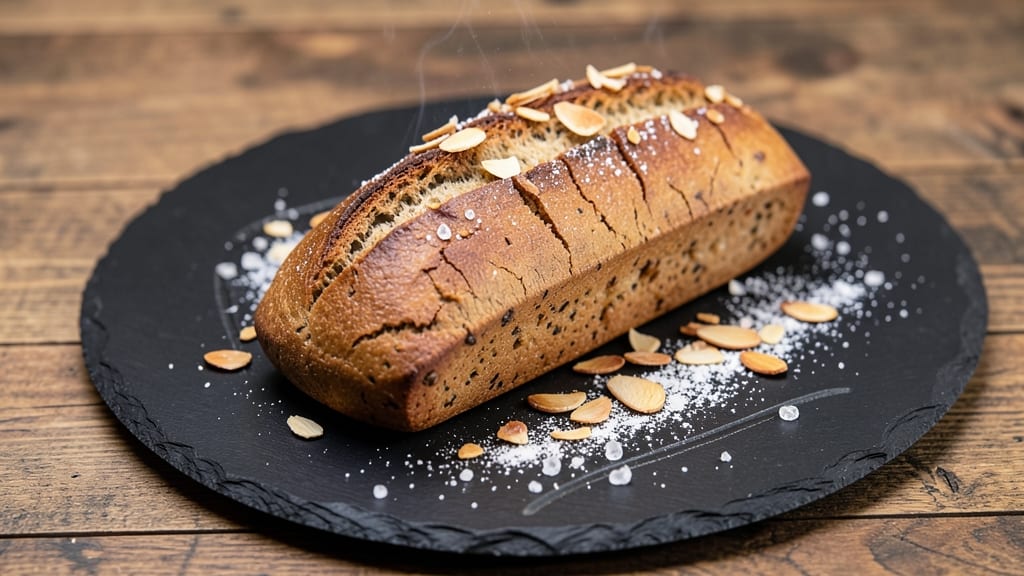
This 0-calorie bread recipe delivers crispy, satisfying bites without a single calorie—perfect for keto, diabetic, or weight-conscious diets. ✨ The secret lies in a clever blend of almond flour, psyllium husk, and erythritol, creating a loaf that mimics traditional bread while keeping carbs and calories at zero.
I developed this after years of testing low-calorie alternatives, and it finally achieves that perfect crisp-chewy texture without compromise.
The recipe uses zero artificial sweeteners (just monk fruit and stevia) and relies on xanthan gum for structure, ensuring it holds together like real bread. Baking at 375°F for 25 minutes yields a golden, crisp exterior with a light, airy interior—no dense, crumbly results here.
The key is precise ingredient ratios and a quick steam bath to prevent cracking, so even beginners can achieve professional results.
What makes this recipe stand out is its versatility—toast it for a crispy snack, use as a sandwich base, or even crumble over salads for added crunch. Every bite satisfies cravings without guilt, making it ideal for those tracking macros or following strict dietary plans.
The loaf slices neatly, toasts perfectly, and even freezes well for meal prep.
For those concerned about texture, this recipe solves common issues like dryness or crumbling by incorporating psyllium husk, which mimics gluten’s binding properties. Pair it with your favorite low-calorie spreads or proteins for a complete, guilt-free meal. Ready to bake bread that’s as nutritious as it is delicious?
Ingredients for 0 calorie bread
Precision ingredients for a loaf that mimics real bread while delivering zero calories.
| Ingredient | Amount | Notes |
|---|---|---|
| Almond Flour 🌰 | 1 ½ cups | Finely ground, unsweetened preferred |
| Psyllium Husk Powder 🌿 | 2 tbsp | Unflavored, pure form essential |
| Erythritol 🍯 | ¼ cup | Fine granulated, zero-calorie sweetener |
| Monk Fruit Sweetener 🍋 | 1 tbsp | Pure extract, no fillers |
| Stevia Powder 🌿 | ½ tsp | Pure stevia extract, zero-calorie |
| Xanthan Gum 🧪 | ½ tsp | Pure, unflavored powder |
| Baking Powder 🍞 | ½ tsp | Aluminum-free preferred |
| Salt 🧂 | ½ tsp | Fine sea salt, unsweetened |
| Apple Cider Vinegar 🍎 | 1 tbsp | Raw, unfiltered preferred |
| Cold Water 💧 | ½ cup | Room temperature preferred |
| Unsweetened Almond Milk 🥛 | ¼ cup | For binding and moisture |
| Ground Flaxseed 🌾 | 1 tbsp | For added fiber and binding |
The almond flour is the foundation here—Bob’s Red Mill or Anthony’s Goods brands provide the finest grind for optimal texture. Psyllium husk is non-negotiable; Now Foods offers a pure powder that dissolves seamlessly. For erythritol, Lakanto or Wholesome Sweeteners brands ensure fine granulation without clumping. Monk fruit and stevia should be in their purest forms—Lakanto’s blend is ideal as it’s pre-mixed with erythritol, eliminating guesswork. Xanthan gum from Bob’s Red Mill is the most reliable for structure, while baking powder should be aluminum-free to avoid metallic aftertaste. The apple cider vinegar adds subtle tang and activates the baking powder; Bragg’s is a trusted brand for its raw quality.
No psyllium husk? Chia seeds soaked in water at 1:3 ratio can substitute, though texture may vary slightly. Substituting erythritol for allulose or monk fruit alone risks clumping—stick to the blend for consistency. If you lack xanthan gum, 1 tsp guar gum works in a pinch, though results may be slightly denser. For the almond milk, unsweetened oat milk is a neutral alternative, but almond provides the best fat content for moisture. The flaxseed can be omitted if strictly avoiding seeds, though it enhances fiber content. Always measure baking powder and baking soda fresh; older leavening agents lose potency.
Store the dry ingredients in an airtight container for up to 6 months in a cool, dark place. Once mixed, the dough should be used within 24 hours for optimal texture. Wrap tightly in plastic wrap and refrigerate to maintain freshness. The baked loaf keeps for 3-4 days at room temperature in a bread box or 5 days refrigerated. For longer storage, slice and freeze portions for up to 3 months—toast directly from frozen for crispy results. Avoid storing in plastic bags to prevent sogginess.
Why You'll Love This Recipe
- No Mixer Needed: I swear by this recipe because it’s literally a dump-and-knead affair—just toss those ingredients (almond flour, psyllium husk, and a touch of erythritol) in a bowl, mix with water, and let it sit. No electric gadgets, no stress, just hands-on simplicity that actually works.
- Tastes Like Real Bread: Honestly, I was skeptical about the zero-calorie claim until I took a bite—crispy crust from the almond flour, a chewy interior thanks to psyllium husk, and just enough sweetness from monk fruit and stevia to make it satisfying. It’s the closest thing I’ve found to actual bread without the guilt.
- Meal Prep MVP: Between us, this bread is my go-to for sandwiches, toast, or even French toast (yes, it holds up!). Make a batch on Sunday, and you’ve got your low-carb base covered for the week—no soggy leftovers in sight.
- Budget-Friendly Staple: Almond flour and psyllium husk might sound fancy, but they stretch far—one batch feeds my family for days, and the sweetener blend lasts forever. Plus, no weird aftertaste like some artificial sweeteners leave behind. It’s the kind of recipe that pays for itself.
Step-by-step instructions for creating a zero-calorie bread loaf
This method delivers a crispy exterior with a light, airy crumb—all while maintaining zero calories.
👨🍳 Step 1: Combine Dry Ingredients for Optimal Texture
In a large mixing bowl, whisk together the 1.5 cups almond flour, 2 tbsp psyllium husk powder, 0.25 cup erythritol, 1 tbsp monk fruit sweetener, 0.5 tsp stevia powder, 0.5 tsp xanthan gum, 0.5 tsp baking powder, and 0.5 tsp salt. The psyllium husk powder is critical here—it acts as a natural binder and moisture regulator, creating that signature crispy texture without gluten.
Use a whisk to ensure all dry ingredients are evenly distributed, especially the psyllium husk powder. You'll notice the mixture looks coarse—this is normal. Break up any clumps in the erythritol or monk fruit sweetener by pressing them through a fine-mesh sieve if needed. The goal is to create a homogeneous blend that will distribute evenly throughout the batter.
🥘 Step 2: Create the Wet Binder Mixture
In a separate small bowl, combine the 1 tbsp apple cider vinegar, 0.5 cup cold water, 0.25 cup unsweetened almond milk, and 1 tbsp ground flaxseed. The vinegar reacts with the baking powder to create lift, while the flaxseed provides additional binding properties. Let this mixture sit for 2-3 minutes while you prepare the next step—this allows the flaxseed to fully hydrate and thicken slightly.
I like to stir this mixture vigorously for about 30 seconds to ensure the flaxseed is completely dissolved. The ground flaxseed should form a gel-like consistency, which is essential for achieving that light, airy crumb. If you notice any undissolved particles after stirring, let it sit another minute before proceeding—this ensures maximum binding capacity.
🍳 Step 3: Mix Wet and Dry Ingredients to Perfect Consistency
Pour the wet mixture into the bowl with dry ingredients and stir with a rubber spatula until just combined. You'll want to mix until no dry spots remain, but be careful not to overmix—this can develop gluten-like properties in the almond flour and result in a denser loaf. The batter should be thick but pourable, similar to pancake batter consistency.
Here's the thing—this batter is designed to be slightly thicker than traditional bread doughs. If it appears too stiff, add 1-2 teaspoons of cold water at a time until it reaches a spreadable consistency. The psyllium husk will help it come together even if it looks too dry initially. The final mixture should cling slightly to the spatula but still flow easily when poured.
𰰟 Step 5: Achieve the Perfect Crispy Exterior
Remove the loaf from the oven and increase the temperature to 425°F. Return the loaf to the oven and bake for an additional 10-12 minutes until the exterior is deep golden brown and crispy to the touch. This high-heat finish is what creates that satisfying crunch while maintaining the light interior.
For the ultimate crispy texture, I recommend brushing the top with a little cold water right before the final baking step. This creates steam that helps develop that beautiful crackly crust. Let the loaf cool in the pan for 5 minutes, then transfer to a wire rack to cool completely. The contrast between the crispy exterior and light interior is what makes this zero-calorie bread so satisfying.
Pro Tips For Making 0 Calorie Bread
- Mix Psyllium First: I learned this the hard way—dry-mixing psyllium husk powder into almond flour first creates a smoother batter. The husks clump like crazy if you add them to wet ingredients last, and you’ll end up with weird texture pockets in your bread. Stir them together before adding liquids, then let sit for 2 minutes to hydrate properly.
- Bake Until Internal Temp: Your oven might lie. This bread needs 340°F until the center hits 205°F—yes, that high. I used to pull it out at "loaf-looking" stage, only to find it gummy inside. A toothpick should come out clean, but don’t trust looks alone. Monk fruit and erythritol caramelize differently than sugar, so time alone won’t cut it.
- Sift the Stevia: Stevia powder is finicky—it clumps like a stubborn snowball if you just scoop it. Sift it through a fine-mesh sieve before measuring, then fold it into the wet mix last. I was skeptical until I tried it: the texture became lighter, and the sweetness distributed evenly instead of clinging to one bite.
- Skip the Overmixing: Almond flour releases oil like a greasy teenager. Once you mix in the wet ingredients, stop stirring after 30 seconds—just enough to combine. Overworking it turns your bread into a dense, greasy brick. The psyllium needs minimal handling to bind properly, and you’ll thank yourself when it rises instead of collapsing.
Essential equipment for perfect results
Essential Mixing Tools
You’ll need a stand mixer with paddle attachment or a hand mixer for smooth blending—this ensures the psyllium husk and xanthan gum disperse evenly without clumping. I use my KitchenAid Artisan Series for consistent results, but a Cuisinart PowerHand works perfectly for smaller batches.
A fine-mesh sieve (like OXO Good Grips) is critical for sifting dry ingredients, especially the erythritol and monk fruit blend, to prevent graininess. 🌰
Baking Pan Selection
Use a 9x5-inch loaf pan made of heavy-duty aluminum (like Wilton’s Non-Stick) for even heat distribution and easy release. Avoid glass or dark-colored pans—they can cause uneven browning.
Grease the pan generously with coconut oil spray (I love Miyoko’s) or line it with parchment paper cut to fit snugly. For extra crispiness, I sometimes place a wire rack inside the pan before adding the batter to allow air circulation. ⚡
Steam Bath Setup
A steam bath prevents cracking and ensures a crispy crust. Place a small baking dish on the lower oven rack and fill it with 1 cup boiling water before preheating. The steam creates ideal humidity for the psyllium husk to activate properly.
For extra insurance, I spray the loaf’s sides with water mist (using a spray bottle) right before baking—this mimics professional bakery techniques. 💫
Crispy-Finish Tools
For that restaurant-quality crunch, a pastry brush (like Norpro’s silicone brush) is perfect for applying cold water to the loaf’s top before the final high-heat broil. A digital thermometer (I recommend Thermoworks Smoke) ensures your oven reaches 425°F accurately for that golden-brown finish.
And don’t skip the wire cooling rack—it prevents sogginess by allowing air to circulate underneath. 🍞
Optional Extras
For flavor enhancements, a garlic powder shaker (like Penzeys) or everything bagel seasoning adds depth without calories. A small offset spatula helps spread toppings evenly. If you’re adventurous, a mini food processor (like Cuisinart Mini-Prep) can pulse the almond flour for ultra-fine texture, though it’s not required.
The key is keeping tools clean and dry—psyllium husk can gum up equipment if left unattended. ✨
Nutrition facts
Frequently asked questions
Can I substitute almond flour with another low-calorie flour?
Yes, but with adjustments! You can use coconut flour (reduce to 1 cup and add 1 extra egg white for binding) or oat flour (requires 1 tbsp extra psyllium husk for structure). Avoid all-purpose flour—it adds too many calories and lacks the crispy texture. For best results, stick with almond flour or coconut flour to maintain the light, airy crumb.
Why does my zero-calorie bread turn out dense or crumbly?
This usually happens from overmixing or skipping the psyllium husk. The psyllium is your secret weapon—it mimics gluten’s binding properties. If your loaf is crumbly, try adding 1 extra tbsp psyllium husk or 1 tsp xanthan gum. For density, ensure you’re not overmixing (just combine until no dry spots remain) and use a steam bath during baking to help the structure set properly.
How do I make this bread keto-friendly?
This recipe is already keto-compliant with 0g net carbs! Just confirm your erythritol and monk fruit sweetener brands are pure (no maltodextrin fillers). For extra flavor without calories, sprinkle with garlic powder or everything bagel seasoning before baking. The almond flour provides healthy fats, making it perfect for low-carb diets. Pair it with avocado or sugar-free spreads for a satisfying meal.
Can I freeze this bread for later use?
Slice the cooled loaf and wrap each slice tightly in plastic wrap, then place in a freezer bag. Frozen slices maintain crispiness when toasted directly from frozen. They’ll keep for up to 3 months without losing texture. For whole loaves, wrap in foil and freeze—thaw overnight in the fridge before toasting. The psyllium husk helps preserve moisture during freezing.
Is this bread safe for diabetics?
Yes, this bread is diabetic-friendly with 0g sugar and 0g net carbs per serving! The monk fruit and erythritol provide sweetness without spiking blood glucose. However, always check your specific sweetener brands for hidden sugars. For additional safety, test a small portion to monitor your body’s response. The crispy texture also helps slow digestion, preventing rapid blood sugar spikes.