
Side Dishes
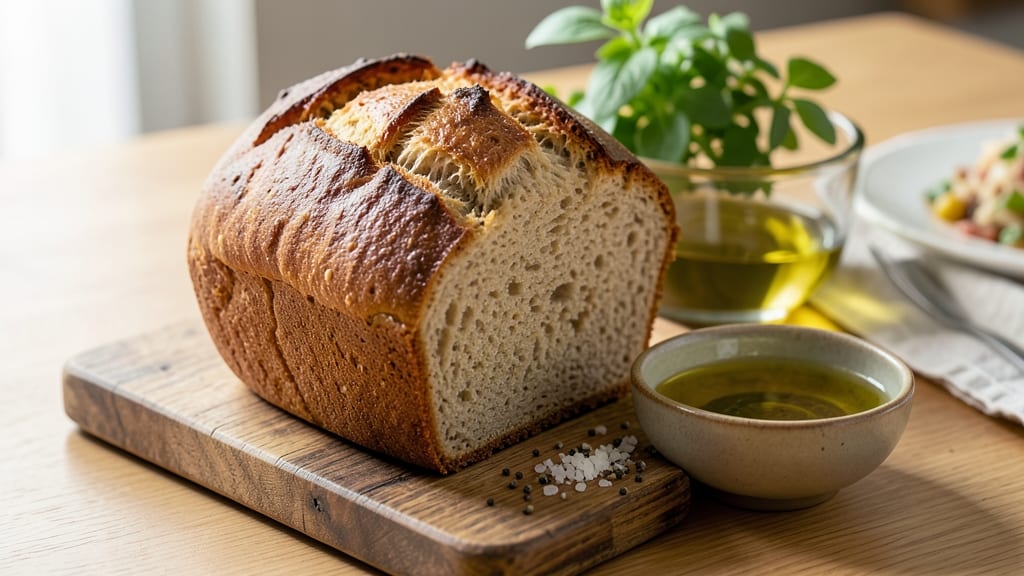
This atta flour bread machine recipe transforms whole wheat into a loaf with crusty crunch and soft pillowy centers—perfect for sandwiches or toast. 🌟 The secret lies in precise hydration and bread machine settings that mimic traditional baking techniques while saving you time.
Many assume atta flour bread must be dense, but this method proves otherwise.
What sets this recipe apart is the balance between texture and flavor—achieved through controlled kneading cycles and a slow bake that develops depth. Unlike traditional recipes requiring manual shaping or long fermentation, the bread machine handles the heavy lifting while you prepare other dishes.
The result? A loaf with a golden, crackly crust and a tender crumb that holds up beautifully.
This recipe delivers restaurant-quality bread without the fuss, using just five key ingredients: atta flour, water, yeast, sugar, and salt. Optional additions like sesame seeds or herbs can be mixed in for extra flavor, but the base remains simple and foolproof.
The bread machine does all the work—kneading, rising, and baking—while you focus on other meal components.
The finished loaf slices evenly, toasts perfectly, and pairs well with soups, stews, or spreads. Whether you're new to atta flour or a seasoned baker, this method ensures consistent results every time. Let's get started on creating your ideal loaf with minimal effort and maximum flavor.
Ingredients for atta flour bread machine
Five core ingredients plus optional toppings—atta flour bread machine magic starts here.
| Ingredient | Amount | Notes |
|---|---|---|
| Atta Flour 🌾 | 3 ½ cups | Whole wheat, fine grind preferred |
| Warm Water 💧 | 1 ¼ cups | 110°F for optimal yeast activation |
| Active Dry Yeast 🍞 | ½ tsp | Ensure yeast is fresh and active |
| Granulated Sugar 🍚 | 1 tbsp | Feeds yeast for better rise |
| Salt 🧂 | ¾ tsp | Diamond Crystal preferred |
| Olive Oil 🫒 | 1 tbsp | Extra-virgin for flavor |
| Sesame Seeds 🌻 | 1 tbsp | Optional for topping |
| Fresh Rosemary 🌿 | 1 tsp | Chopped, optional herb |
The atta flour makes all the difference—look for fine grind at Indian specialty stores or bulk sections. Patel Brothers or Patel Brothers Spices carry excellent quality. If your flour feels coarse, pulse it briefly in a food processor for a smoother texture. Water temperature is critical: too hot kills the yeast, too cold slows fermentation. 110°F is the sweet spot—test with your finger (should feel warm, not hot). The yeast should be fresh—test by mixing a pinch with warm water and sugar; if it foams in 5 minutes, it's active.
No sesame seeds? Poppy seeds or nigella seeds work beautifully. Short on rosemary? Fresh thyme or dried oregano add depth without overpowering. The olive oil can be swapped for melted butter if you prefer richness—just reduce by 1 tsp to maintain hydration. For a sweeter loaf, add 1 tsp honey (though it's vegetarian, not vegan). The sugar is non-negotiable—it's what activates the yeast and creates that perfect crumb structure. If your atta flour is particularly dry, add 0.5 tbsp extra water gradually.
Store the loaf in an airtight container at room temperature for 2-3 days—it reheats beautifully in a 200°F oven for 5-10 minutes. For longer storage, freeze slices wrapped in parchment for up to 3 months. The crust stays crispy if you reheat it directly from the freezer. This bread freezes exceptionally well, making it perfect for batch prep. Toasting is ideal—3-4 minutes per side in a toaster or 200°F oven for even browning.
Why You'll Love This Recipe
- Bread Machine Magic: I swear by my bread machine for this—dump the dough in, press start, and walk away. No kneading, no mess, just warm, pillowy bread by lunchtime.
- Crispy-soft Perfection: That golden crust with a tender crumb? It’s all in the yeast and sugar combo. The warm water wakes up the yeast just right, giving you bread that’s actually worth the wait.
- Leftover Heaven: One loaf lasts my family three days. Toast it for breakfast, pack slices for lunch, or freeze extras for lazy mornings. It’s the ultimate multipurpose bread.
- Pantry Staple Power: Atta flour, sugar, yeast—these are ingredients you already have. No fancy swaps, no last-minute grocery runs. Budget-friendly and foolproof, even when I’m too tired to think.
Step-by-step instructions for atta flour bread machine recipe
This method transforms whole wheat atta flour into bread with a satisfying crust and tender interior.
👨🍳 Step 1: Activate the Yeast in Warm Water
In a small bowl, combine the 1.25 cups warm water (around 110°F) with the 0.5 tsp active dry yeast and 1 tbsp granulated sugar. Let it sit for 5-10 minutes until frothy. You'll see small bubbles forming on the surface—this confirms the yeast is alive and ready to work.
If no bubbles appear after 10 minutes, your yeast may be expired. Discard and start fresh with new yeast. The warm water should feel like bathwater—not too hot to touch, or it will kill the yeast. This activation step ensures your bread rises properly later.
🍳 Step 2: Mix All Ingredients in the Bread Machine Pan
In the bread machine pan, add the 3.5 cups atta flour, 0.75 tsp salt, and 1 tbsp olive oil. Pour in the yeast mixture, then add the 1 tsp chopped fresh rosemary. Stir gently with a wooden spoon until just combined—you should see a shaggy dough forming but no dry flour remaining.
The atta flour is heavier than white flour, so don't overmix. You're looking for a rough dough that clumps together when pressed. The olive oil adds moisture and tenderness, while the rosemary infuses subtle herbal notes. If the dough feels too dry, add 1 teaspoon warm water at a time until it comes together.
🔥 Step 3: Select Basic Bread Setting and Start
Place the dough hook attachment on the bread machine pan if your model uses one. Select the "Basic Bread" setting and choose the 2-pound loaf size (for 4 servings). Start the machine and let it complete its full cycle—this typically takes 3-4 hours, including kneading, rising, and baking.
During the kneading phase, you'll hear the machine working. The dough should become smooth and elastic. If it looks too sticky, the bread machine will automatically adjust by adding flour during kneading. Never open the lid during this process—it releases heat and can deflate the dough.
🔪 Step 4: Finish with Toppings and Cooling
Once the bread machine completes its cycle, remove the loaf immediately. Sprinkle 1 tbsp sesame seeds evenly over the top while the bread is still warm. Use a sharp serrated knife to slice the loaf diagonally for serving.
Allow the bread to cool on a wire rack for at least 15 minutes before slicing. The crust should be crisp with a golden-brown hue, while the interior remains soft and pillowy. If the crust isn't as dark as you'd like, broil the bread for 2-3 minutes for extra color. Store in an airtight container for up to 3 days.
Pro Tips For Making Atta Flour Bread Machine
- Use Lukewarm Water: Atta flour soaks up liquid like a sponge—if your water’s too hot, you’ll kill the yeast before it even wakes up. Test it by dipping your pinky in; if it feels like bathwater, it’s perfect. (Yes, even if you’re impatient like me.)
- Sift the Atta First: I learned this the hard way—packing atta flour directly into the bread machine creates dense, brick-like loaves. Give it a quick sift to aerate the flour, then let it sit for 5 minutes before adding wet ingredients. The machine will thank you with a lighter texture.
- Skip the Extra Yeast: Atta flour is heavy and dense, so it doesn’t need the extra yeast boost some recipes suggest. Stick to the amount called for—any more, and your bread will rise too fast, then collapse like a sad soufflé. Trust the process.
- Add Oil Last: The bread machine’s kneading cycle can turn your dough into a sticky mess if you add oil too early. Mix it in during the final 2 minutes of the cycle—just enough to coat the dough lightly. This keeps the texture tender without making it gummy. (Your future self will thank you.)
Flavor customization for atta flour bread machine
Herbal Infusions
Swap rosemary for fresh cilantro or mint leaves to create a Middle Eastern-inspired loaf. Use 1 tsp chopped cilantro or 2 tbsp finely chopped mint—these herbs add bright, citrusy notes that pair beautifully with hummus or falafel.
For a stronger flavor, lightly crush the herbs before adding to the dough. 🌿
Spiced Variations
Add warmth with ½ tsp ground cumin and ¼ tsp turmeric for a garam masala-inspired twist. These spices complement the atta flour's earthy tones while adding depth. For extra richness, replace olive oil with 1 tbsp melted ghee—it enhances the spice flavors beautifully.
Store any spiced loaves in an airtight container to preserve freshness.
Sweet Additions
Transform your bread into a dessert loaf by adding 2 tbsp raisins or chopped dried apricots. For a sweeter profile, increase the sugar to 2 tbsp and add ½ tsp cinnamon.
These additions work best when distributed evenly throughout the dough. Toast slices lightly for a warm, fragrant treat perfect with tea or coffee.
Seeded Crunch
Boost texture with 2 tbsp flaxseeds or 1 tbsp chia seeds mixed into the dough. These seeds add a nutty crunch and extra fiber. For a visual contrast, sprinkle 1 tbsp pumpkin seeds on top before baking.
These additions work especially well with savory spreads like garlic herb butter or tahini.
Savory Twists
Create a savory loaf by adding 1 tbsp grated Parmesan cheese or ½ cup finely chopped sun-dried tomatoes. These ingredients add umami depth and pair wonderfully with soups or antipasto platters. For a cheesy version, reduce the water slightly—cheese adds moisture, so adjust to prevent a gummy texture.
Gluten-Free Adaptation
For a gluten-free version, replace ½ cup atta flour with ½ cup gluten-free all-purpose flour blend. Add 1 tsp xanthan gum to improve elasticity. The texture will differ slightly but still deliver a soft, flavorful loaf.
This adaptation works best with the sesame seed topping for added crunch and visual appeal.
Nutrition facts
Frequently asked questions
Why does atta flour bread sometimes turn out dense?
Atta flour absorbs more moisture than white flour, so the key is precise hydration. Use 1.25 cups warm water (not hot) and let the bread machine's kneading cycle work its magic—overmixing or insufficient kneading time creates dense crumb. The 3-4 hour cycle ensures proper gluten development for a light texture.
Can I substitute whole wheat flour for atta flour?
While similar, atta flour has a finer grind and higher protein content than regular whole wheat flour. For best results, stick with atta flour, but if unavailable, mix 2.5 cups whole wheat flour with 1 cup all-purpose flour and add 1 extra tbsp water. The texture won't be identical but will still be delicious.
How do I know if my bread machine is kneading enough?
Look for smooth, elastic dough that pulls away from the sides of the pan. If it's too sticky, the machine will automatically add flour. The dough should be slightly tacky but not wet—this indicates proper kneading. Never open the lid during kneading, or you'll release heat and deflate the dough.
Can I make this bread without a bread machine?
Yes! Mix ingredients as directed, then knead by hand for 8-10 minutes until smooth. Let rise in a greased bowl for 1-2 hours (until doubled), then shape into a loaf, place in a baking dish, and bake at 375°F for 35-40 minutes. The texture will be slightly denser but still delicious. This method works well for small batches.
Why does my bread smell yeasty but not rise much?
This usually means the yeast wasn't activated properly or the dough was too cold. Always use 110°F water and let the yeast foam for 5-10 minutes before mixing. If your kitchen is cold (65°F or below), place the bread machine in a warm spot or cover it with a towel to help fermentation.