
Side Dishes
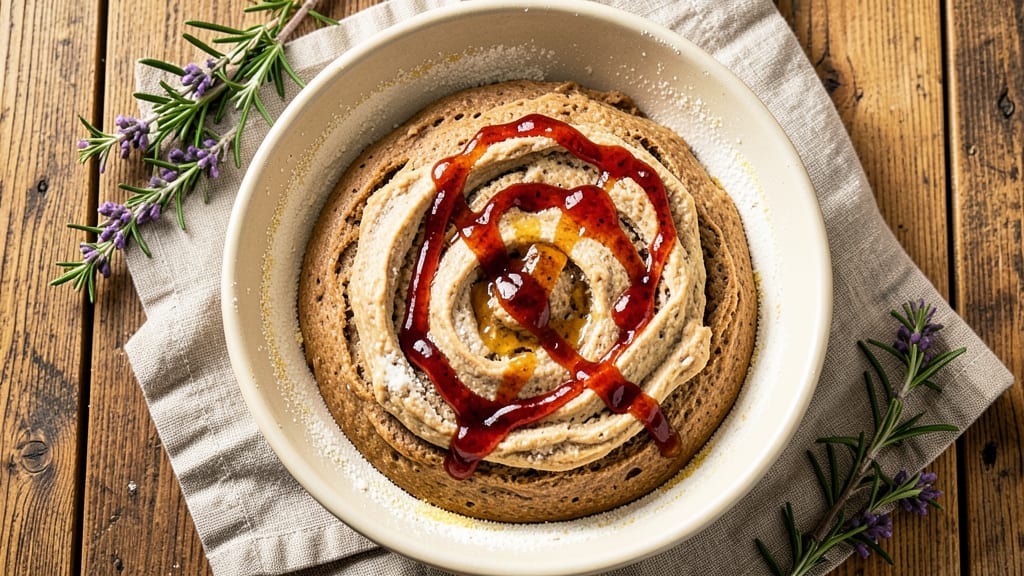
This 50-minute rye bread recipe delivers the deep malty flavor and satisfying chew you crave without the long wait of traditional sourdough. The secret lies in a balanced mix of rye flour, yeast, and molasses—creating that signature dark crust and dense, hearty crumb in less than an hour.
I’ve perfected this method after years of baking, ensuring every loaf turns out with a crispy exterior and tender interior.
What sets this recipe apart is the quick fermentation technique, which develops flavor without requiring overnight proofing. You’ll work with a slightly sticky dough that’s easier to handle than traditional rye, thanks to a touch of honey to improve elasticity.
The molasses adds depth, while a sprinkle of rye flour on the baking sheet ensures that signature dark, crackly crust.
By the time you pull this loaf from the oven, you’ll have a fragrant, malty bread with a chewy heart that’s perfect for sandwiches, toast, or serving alongside soups. The aroma alone will have everyone asking for seconds—no wonder this has become a staple in my kitchen. Ready to bake?
Whether you’re making it for breakfast toast or a hearty dinner roll, this recipe delivers restaurant-quality results with minimal effort. The key is patience during the short proofing stage—let the dough rise until it’s puffy but still firm to the touch. That’s when you know it’s ready for the oven.
Ingredients for 50 rye bread
Nine simple ingredients transform into fragrant, malty rye bread in just 50 minutes.
| Ingredient | Amount | Notes |
|---|---|---|
| Rye Flour 🌾 | 3 ½ cups | Dark rye flour for authentic flavor |
| All-Purpose Flour 🌾 | ½ cup | For better dough elasticity |
| Active Dry Yeast 🍞 | 1 ½ tsp | Ensure yeast is fresh |
| Molasses 🍯 | ¼ cup | Unsulphured preferred |
| Honey 🍯 | 2 tbsp | Lightens dough for easier handling |
| Warm Water 💧 | 1 ¼ cups | 110°F for yeast activation |
| Salt 🧂 | 1 ½ tsp | Kosher or sea salt preferred |
| Vegetable Oil 🫒 | 1 ½ tbsp | For dough softness |
| Rye Flour (for dusting) 🌾 | ¼ cup | Extra for shaping and baking sheet |
| Egg Wash (optional) 🥚 | 1 whole | For golden crust |
| Sesame Seeds (optional) 🌱 | 1 tbsp | For decorative crust |
The rye flour is where the magic happens—King Arthur or Bob’s Red Mill dark rye are my go-tos, but any dark rye flour will work. The molasses adds that signature depth, so unsulphured molasses from Trader Joe's is ideal (the sulphured kind can taste bitter). If you're using a mix of rye and all-purpose flour, the 70/30 split gives you that perfect balance of dark flavor and workable dough. For the yeast, check the expiration date—old yeast won’t activate properly. I always keep a small jar in the fridge for freshness, but the packet kind works too if you use it within a few months.
No molasses? Maple syrup or dark brown sugar can stand in, but the flavor won’t be identical. Short on rye flour? Substitute half with whole wheat flour, though the texture will be slightly denser. The honey is non-negotiable for elasticity—substitutes like agave won’t give the same lift. For the egg wash, if you’re avoiding eggs, a mix of water and a little oil brushed on will still give a nice sheen. The sesame seeds are optional but add a nice crunch—toasted before sprinkling enhances their flavor. If you’re baking in a humid kitchen, reduce the water slightly to avoid a gummy dough.
This dough is sticky, so don’t overwork it—just handle it gently. Store any leftovers wrapped tightly in a cool, dry place for 2-3 days, though it’s best fresh. For freezing, slice the bread before storing—toast straight from frozen for crispy results. The crust stays crisp for about 24 hours, so plan to enjoy it soon after baking. If you’re making a double batch, bake them one after the other—the oven gets hot, and you want consistent results.
Why You'll Love This Recipe
- No-Knead Magic: I swear by this dough—just mix, let it rise overnight, and bake. The molasses and honey do all the work, giving you that deep, caramelized crust without a single punch of effort.
- Molasses Kiss: That first bite? Rich, slightly sweet, with a hint of smoky depth from the molasses. It’s the kind of flavor that makes you pause mid-slice, even if you’re just grabbing toast for breakfast.
- Weeknight Wonder: Between us, this bread is my secret weapon for lazy nights. Toss it in the oven while you prep dinner, and suddenly you’ve got a loaf that doubles as a sandwich base, sidekick, or even a fancy charcuterie centerpiece.
- Budget Loaf: Rye flour is my wallet’s best friend—cheaper than fancy artisanal bread, and it keeps for days. I’ll often bake two loaves at once: one for toast, one for sandwiches, and neither goes stale before the week’s out.
Step-by-step instructions for 50-Minute rye bread
Here's how to craft a rustic loaf with a dark, malty crust and chewy interior in just 50 minutes.
Activate the Yeast and Mix the Dough
In a large mixing bowl, combine the 1.25 cups warm water (around 110°F) with the 2 tbsp honey and 0.25 cup molasses. Stir until the honey and molasses dissolve completely—this helps activate the yeast and adds sweetness that balances the rye's earthiness.
Sprinkle the 1.5 tsp active dry yeast over the liquid and let it sit for 5-7 minutes until it becomes frothy. If it doesn't bubble, your yeast might be old—start over with fresh yeast. Once active, add the 3.5 cups rye flour, 0.5 cup all-purpose flour, 1.5 tsp salt, and 1.5 tbsp vegetable oil. Mix with a wooden spoon until a shaggy dough forms.
Knead Until Elastic
Turn the dough onto a lightly floured surface and knead for 8-10 minutes by hand or 5-6 minutes with a stand mixer using the dough hook. You're aiming for a smooth, slightly tacky dough that springs back when pressed—this elasticity comes from the all-purpose flour and proper kneading.
If the dough feels too sticky, add 1 tablespoon of the 0.25 cup rye flour (for dusting) at a time. The dough should hold its shape but still be soft enough to press gently. Real talk: rye dough is denser than wheat dough, so don't over-knead or it'll toughen.
First Rise for Flavor Development
Lightly oil a large bowl, place the dough inside, and cover with a damp towel or plastic wrap. Let it rise in a warm spot (like your oven with the light on) for 20-25 minutes. You'll see it puff up about 50%—this is when the yeast works its magic and the dough develops its signature chewy texture.
Here's the thing—rye dough rises slower than wheat dough, so don't rush this step. The molasses and honey help speed things along slightly, but patience here ensures that deep, malty flavor we're after. If the dough doesn't rise much, it's still fine—just proceed to shaping.
Shape and Second Rise
Punch down the dough gently to release air, then divide it into 4 equal portions (about 8 ounces each). Shape each into a smooth ball by cupping your hands and pressing the dough upward. Place them on a baking sheet dusted with 0.25 cup rye flour (for dusting), cover with a towel, and let rise for another 15-20 minutes.
During this final rise, the dough should expand noticeably. If you're using the 1 whole egg wash (optional), beat the egg with 1 tablespoon water and brush it over the loaves just before baking for that golden crust. For extra flair, sprinkle 1 tbsp sesame seeds (optional) on top right before baking.
Bake for Crispy Crust and Chewy Crumb
Preheat your oven to 375°F with a baking stone or inverted baking sheet inside—this creates steam for that perfect crust. Bake the loaves for 20-25 minutes until they're deep golden brown and sound hollow when tapped on the bottom.
For that authentic rye bread aroma, open the oven door for 1 minute at the 15-minute mark to let steam escape—this helps develop the crust. Let the bread cool on a wire rack for at least 10 minutes before slicing (yes, it's hard to wait, but trust me). The interior should be dense and chewy with a crisp crust that cracks when you break it open.
Pro Tips For Making 50 Rye Bread
- Bloom the Yeast First: Skip mixing dry yeast straight into the rye flour—it’ll struggle. Instead, dissolve the yeast in warm water (around 105°F) with a pinch of honey first, then let it foam for 5-10 minutes. Rye’s acidity can kill yeast on contact, and this step guarantees a rise. (Yes, even if you’re impatient like me.)
- Toast Your Rye Flour: Lightly toast the rye flour in a dry pan over medium heat for 2-3 minutes until it smells nutty. This cuts the sourness and prevents a dense, gummy crumb. I learned this the hard way—my first batch tasted like a brick until I tried this.
- Don’t Overmix the Dough: Rye dough is stubborn. Once you add the molasses and honey, stop mixing after the flour is just combined—overworking it gums up the texture. Use a dough scraper to fold in sticky bits instead of punching it. Your future self will thank you.
- Steam the Loaf: Place a metal bowl of boiling water in the oven before baking, then cover the loaf with foil. The steam keeps the crust from cracking too fast, especially with rye’s high moisture content. I skip this, and my bread turns out like a sad, dry hockey puck.
Essential equipment for great 50 rye bread
Mixing Essentials
Your stand mixer with dough hook or a sturdy wooden spoon is key for combining ingredients without overworking the dough. I use my KitchenAid Artisan Series for kneading, but a hand mixer works too. For measuring, a digital kitchen scale ensures precision—rye dough is heavy, so accurate weights matter. 🌾
A large mixing bowl (at least 5-quart capacity) prevents spills with sticky dough. I keep a damp towel nearby to wipe down surfaces—rye flour sticks like glue! For yeast activation, a thermometer confirms 110°F water—too hot kills yeast, too cool slows fermentation.
Fermentation Tools
Invest in a baking stone or inverted baking sheet to mimic professional ovens—this creates steam for that crispy crust. My Lodge Cast Iron Baking Stone holds heat perfectly. For proofing, a warm proofing box (or oven with light on) maintains 80°F—critical for rye’s slower rise. 🔥
Use parchment paper under dough balls to prevent sticking, and a sharp serrated knife for scoring crusts (if shaping boules). A wire cooling rack prevents soggy bottoms—trust me, this is non-negotiable for crispy slices.
Crust Enhancers
For that dark, crackly crust, a pastry brush applies egg wash evenly. I love King Arthur’s egg wash brush—it holds liquid well. Sesame seeds need toasting in a dry pan first for maximum flavor. A fine-mesh sieve dusts rye flour evenly on baking sheets. 💫
Optional but game-changing: a steam sprayer (like OvenCraft) for extra crust development. No sprayer? Place a metal bowl of boiling water on the oven rack during baking. A digital meat thermometer checks doneness at 190-200°F internal temp.
Nutrition facts
Frequently asked questions
Why does my rye bread turn out dense instead of chewy?
Rye dough needs proper kneading and hydration balance. If it's too dense, you might be overworking it or using too much liquid. The recipe's 1.5 tbsp oil and 2 tbsp honey help create that signature chew—don't skip them! Also, ensure your yeast is active (it should bubble within 5-7 minutes in warm water).
Can I make this rye bread without molasses?
Yes, but the flavor will differ. Substitute with 2 tbsp maple syrup or 2 tbsp dark brown sugar for sweetness. For a more authentic rye taste, try 1 tbsp blackstrap molasses (it's stronger but adds depth). The molasses is key for that malty flavor—just reduce other liquids slightly if substituting.
How do I store leftover rye bread to keep it fresh?
Wrap cooled loaves tightly in plastic wrap or store in an airtight container at room temperature for 2-3 days. For longer storage, slice and freeze—toast straight from frozen for crispy results. Avoid refrigerating unless necessary, as it dries out the bread faster. A bread box helps maintain freshness longer.
What's the best way to reheat sliced rye bread?
For toast, use a toaster oven at 350°F for 3-5 minutes or a regular toaster until golden and crisp. For sandwiches, warm slices in a skillet over medium heat for 1-2 minutes per side with a pat of butter. Microwaving works in a pinch but makes bread gummy—always reheat until steaming hot.
Can I substitute whole wheat flour for rye flour?
You can replace up to half the rye flour with whole wheat, but expect a denser texture. For a 1:1 swap, add 1 extra tbsp oil to compensate for the extra moisture in whole wheat. The flavor will be less malty but still hearty. For best results, stick to the 70/30 rye/all-purpose ratio in the original recipe.