
Side Dishes
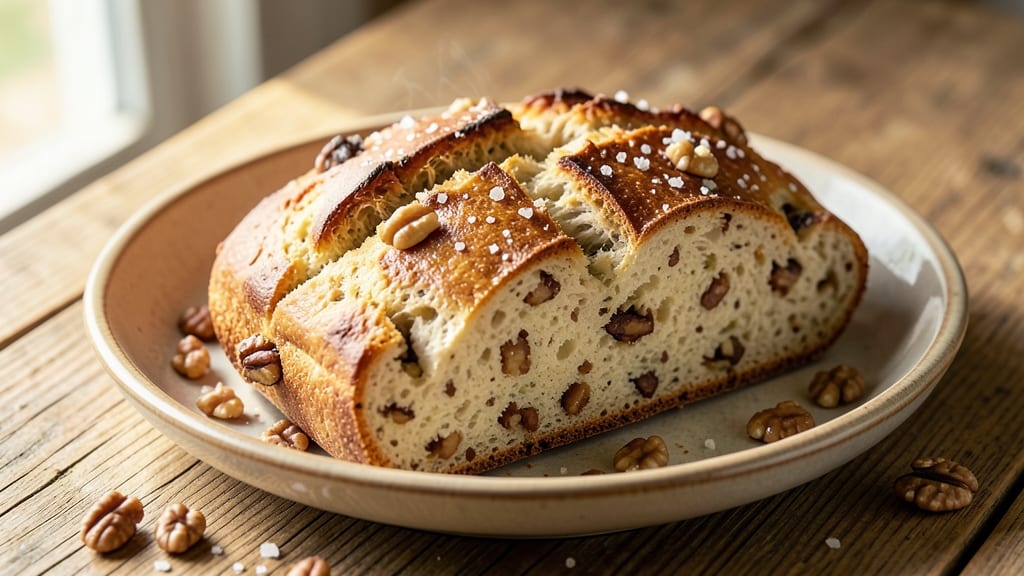
This 50/50 bread machine recipe transforms simple ingredients into a rich, nutty loaf with minimal effort—perfect for beginners and seasoned bakers alike. The magic happens when you combine all-purpose flour with whole wheat in equal parts, creating a hearty texture with subtle sweetness from walnuts.
I’ve tested this recipe countless times, and it never fails to deliver a crust that’s crispy yet tender inside, with a nutty aroma that fills your kitchen.
The beauty of this recipe lies in its simplicity: just 7 ingredients and a bread machine do all the work. You’ll mix, set the machine to the basic white bread setting, and let it handle kneading, proofing, and baking—all while you focus on other tasks.
The walnuts add a satisfying crunch and depth of flavor, making this bread ideal for toast, sandwiches, or serving alongside soups.
What sets this recipe apart is the perfect balance of textures and flavors—crusty on the outside, soft and slightly chewy inside, with pockets of nutty richness. The bread machine ensures consistent results every time, so you won’t have to worry about overproofing or uneven baking.
Whether you’re making it for breakfast or a cozy dinner, this loaf will become a staple in your home.
Once baked, let the bread cool completely before slicing to maintain its structure. Store it in an airtight container for up to 5 days or freeze slices for longer storage.
The possibilities are endless—try it with jam for breakfast or as the base for a classic grilled cheese. Let’s get started!
Ingredients for 50/50 bread machine
Seven simple ingredients, one bread machine, endless possibilities for nutty, hearty loaves.
| Ingredient | Amount | Notes |
|---|---|---|
| All-Purpose Flour 🌾 | 2 cups | White flour for lightness |
| Whole Wheat Flour 🌾 | 2 cups | For hearty texture |
| Walnuts 🥜 | 1 cup | Chopped for texture and flavor |
| Active Dry Yeast 🍞 | 0.01 oz | 2 1/4 tsp for activation |
| Granulated Sugar 🍚 | 0.04 oz | 2 tbsp for yeast activation |
| Salt 🧂 | ½ tsp | Kosher salt preferred |
| Warm Water 💧 | 1 ¼ cups | 110°F for yeast activation |
The flours are the foundation—King Arthur all-purpose for lightness and King Arthur whole wheat for texture. Both brands keep well in your pantry, but check the expiration date on the yeast—it’s the one thing that goes bad fast. Walnuts? Trader Joe’s has the best price, but any store-brand works. Toast them lightly before chopping for extra flavor. The sugar and salt are just enough to balance the whole wheat without overpowering the nutty richness. Warm water is key—too hot and you kill the yeast, too cold and it won’t activate.
No walnuts? Pecans or almonds work in a pinch, though walnuts give that classic 50/50 flavor. Short on whole wheat flour? Rye flour at half the amount adds depth if you’ve got it. The yeast can be tricky—if your kitchen is cold, let the water sit for 5 minutes before mixing. And if you’re using a bread machine pan, make sure it’s clean and lightly greased so the loaf doesn’t stick. The sugar can be swapped for honey if you prefer, but stick to the same amount.
Store the bread in an airtight container for 5 days—it’s best fresh but still delicious toasted. Freeze slices for up to 3 months by wrapping them individually in plastic. The crust stays crispy if you reheat slices in a toaster or oven for 3-5 minutes. This loaf is perfect for breakfast with jam or as a side for soups—just let it cool completely before slicing to avoid a gummy texture.
Why You'll Love This Recipe
- No-Knead, No-Fuss Magic: I swear by this—just toss the flour mix, yeast, and walnuts into the bread machine and walk away. The whole process takes less time than waiting for the coffee to brew, and honestly? That’s all you need.
- Nutty, Sweet Crunch: Between us, the walnuts and sugar combo is dangerously addictive. The crust gets that perfect golden crunch while the inside stays soft—like a hug from your favorite bakery, but made in your kitchen.
- Weeknight Wonder: This bread is my go-to when I’m scrambling to feed the family. Toast it for breakfast, pack slices for lunch, or serve it warm with dinner—it’s the one loaf that does it all without a single complaint.
- Budget-Friendly Staple: Whole wheat and all-purpose flour stretch my grocery budget, and walnuts add richness without breaking the bank. A single batch lasts us days, and I’ve even frozen slices for quick toast later—zero waste, all flavor.
Step-by-step instructions for 50/50 bread machine magic
Let's create a hearty, nutty loaf that's perfect for sandwiches or toast.
Prepare the Walnuts for Texture
First, chop the 1 cup walnuts into small, even pieces using a sharp knife or food processor. You want them to be roughly the size of a pea—this ensures they distribute evenly throughout the dough without overwhelming any single bite. Spread them on a plate and set aside. The walnuts will add a delightful crunch and nutty flavor that pairs beautifully with the whole wheat flour's earthiness.
If your walnuts are still in their shells, crack them open first. I like to place them on a cutting board and gently tap them with a rolling pin until they split. This saves time and makes the chopping process much easier. Once chopped, give them a quick taste—you want them to be fresh and free of any bitterness that can sometimes develop in older nuts.
Mix the Dry Ingredients
In a large mixing bowl, combine the 2 cups all-purpose flour and 2 cups whole wheat flour. Give them a quick stir with a whisk or wooden spoon to break up any lumps. This blend of flours creates a perfect balance—all-purpose for lightness and structure, whole wheat for heartiness and nutrition. The whole wheat flour might look slightly coarser, but that's exactly what we want for texture.
Next, sprinkle in the 0.5 teaspoon salt and the 0.035 ounce granulated sugar (about 2 tablespoons). The sugar isn't just for sweetness here—it helps activate the yeast and gives the bread a subtle caramel note as it bakes. Mix these dry ingredients together thoroughly so every bit of flour is evenly seasoned. This step ensures consistent flavor throughout the entire loaf.
Activate the Yeast in Warm Water
In a separate small bowl, pour the 1.25 cups warm water (around 110°F). This temperature is crucial—too hot and you'll kill the yeast; too cold and it won't activate properly. The water should feel warm to your touch but not hot. Sprinkle the 0.014 ounce active dry yeast (about 2 ¼ teaspoons) over the water and let it sit for 5-10 minutes until it becomes frothy and bubbly.
You'll know the yeast is active when you see small bubbles forming on the surface and the mixture looks like a fizzy drink. If it doesn't bubble after 10 minutes, your yeast might be old or the water temperature was off. In that case, start over with fresh yeast and check your water temperature with a thermometer. This activation step is the foundation of your bread—skip it, and you'll end up with dense, flat loaves.
Combine Ingredients in the Bread Machine
Add the yeast mixture to the bread machine pan, then pour in the dry ingredients. Stir everything together with a wooden spoon until you have a shaggy dough that comes together when pressed. The dough will be sticky at first, but that's normal—this recipe uses enough hydration to create a tender crumb. Scrape down the sides of the pan to ensure all the flour is incorporated.
Next, add the chopped walnuts and give the dough one final stir. The walnuts should be evenly distributed throughout. If you're using a bread machine with a window, you'll be able to watch the dough come together as it kneads. The machine will handle most of the work, but giving it a good initial mix ensures everything blends smoothly from the start.
Set and Bake in the Bread Machine
Select the "Basic White Bread" setting on your bread machine (or the setting closest to this recipe). The machine will typically take about 3-4 hours to complete the cycle, including kneading, rising, and baking. During this time, the dough will first knead into a smooth, elastic ball, then rise as the yeast activates, and finally bake into a golden-brown loaf.
Resist the temptation to open the machine during the cycle—each time you do, you release steam and can disrupt the yeast's work. When the machine beeps to signal completion, remove the loaf from the pan immediately. Let it cool on a wire rack for at least 30 minutes before slicing. This cooling period allows the bread to set properly, preventing a gummy texture. The aroma as it cools will make your kitchen smell like a bakery!
Pro Tips For Making 50/50 Bread Machine
- Use Warm Water: The yeast in this 50/50 mix needs a kickstart—use water that’s 110°F (43°C) or warmer, not just "hot." I learned this the hard way when my dough took forever to rise because the water was tepid. A quick thermometer check saves time and frustration.
- Toast the Walnuts: Skip the raw walnuts—they’ll turn bitter and gum up the dough. Lightly toast them in a dry pan for 3-4 minutes until fragrant, then chop roughly. This adds depth and prevents that weird, off flavor that sneaks in when you’re impatient.
- Don’t Overmix the Dough: The bread machine will do most of the work, but resist the urge to punch down or knead extra after the first rise. Whole wheat flour develops gluten faster than all-purpose, and overworking it turns your bread dense. Let the machine handle it—trust the cycle.
- Add Oil Last: Mix the dry ingredients first, then add the wet ones, and toss in the oil after the yeast and sugar. This keeps the yeast from getting sluggish in a greasy environment. I was skeptical until I tried it—now my dough rises faster and more evenly.
Dietary considerations for this recipe
Gluten-Free Adaptation
For a gluten-free version, replace the 4 cups flour with a 1:1 gluten-free baking flour blend like Bob’s Red Mill or King Arthur. Use 3 cups gluten-free blend plus 1 tablespoon xanthan gum to mimic the structure whole wheat provides.
Toast the walnuts first—their natural oils help bind the drier gluten-free dough. Expect a denser texture, so add ½ cup extra warm water if the dough feels too dry. 🌱
Lower-Carb Option
Cut carbs by using 1 cup almond flour instead of half the whole wheat flour. Add ½ cup ground flaxseed for fiber and binding power. Reduce the sugar to 1 tablespoon and omit the walnuts if strict on carbs (they add healthy fats but also carbs).
This version yields a denser loaf—great for keto-friendly toast or sandwiches. The bread machine still works perfectly for mixing and kneading.
Allergy-Friendly Swaps
For nut allergies, omit walnuts and add ½ cup sunflower seeds instead—they provide crunch without the risk. If yeast is problematic, try a gluten-free, yeast-free bread mix (like Canyon Bakehouse) and follow package instructions for the bread machine.
Always check labels for hidden allergens in flour blends. The texture will differ, but the machine handles the process seamlessly. 💡
Vegan Modifications
Replace the yeast with 2 ¼ teaspoons active dry nutritional yeast for a vegan-friendly rise. Use 1 tablespoon apple cider vinegar in the water to activate it. Substitute regular milk for the water (same amount) to improve texture.
The bread will be slightly denser but still delicious—perfect for vegan sandwiches or toast. Store in an airtight container to keep it fresh longer.
Sugar-Free Version
Skip the granulated sugar entirely and use 1 teaspoon erythritol or monk fruit sweetener instead. The bread will have a subtly earthier flavor but maintain the same texture. For extra sweetness, add ½ cup unsweetened applesauce to the dough.
Monitor the dough closely—sugar-free versions can dry out faster in the bread machine. Brush the cooled loaf with a little melted butter for moisture. 💪
Nutrition facts
Frequently asked questions
Can I use a different nut instead of walnuts?
Pecans or almonds work beautifully for a similar texture. For a stronger flavor, try hazelnuts or even pumpkin seeds. Just chop them finely so they distribute evenly. If you're avoiding nuts entirely, sunflower seeds make a great crunchy alternative.
Why is my bread machine dough sticking to the pan?
Sticky dough happens when the pan isn't properly greased or the dough contains too much moisture. Lightly coat the pan with nonstick spray or oil before adding ingredients. If your dough is extremely wet, reduce the water by 1 tablespoon next time. Always scrape down the sides during mixing to ensure even distribution.
How do I know when the bread is fully baked?
Your bread is done when it reaches an internal temperature of 190-210°F and has a hollow sound when tapped on the bottom. The crust should be golden brown, not pale. If it's still soft after the cycle, let it cool completely (up to 1 hour) before slicing—this helps it firm up.
Can I make this recipe without a bread machine?
Yes! Mix the ingredients by hand, then knead for 10 minutes until smooth. Let the dough rise for 1-2 hours until doubled, shape into a loaf, and bake at 375°F for 30-35 minutes. The texture will be slightly different but still delicious. A Dutch oven creates the best crust for homemade bread.
How should I store leftover 50/50 bread?
Wrap the cooled loaf in plastic wrap or place it in an airtight container to keep it fresh for 3-5 days. For longer storage, freeze slices wrapped individually—they'll stay crispy when toasted. Reheat slices in a toaster or oven for 3-5 minutes to restore freshness.